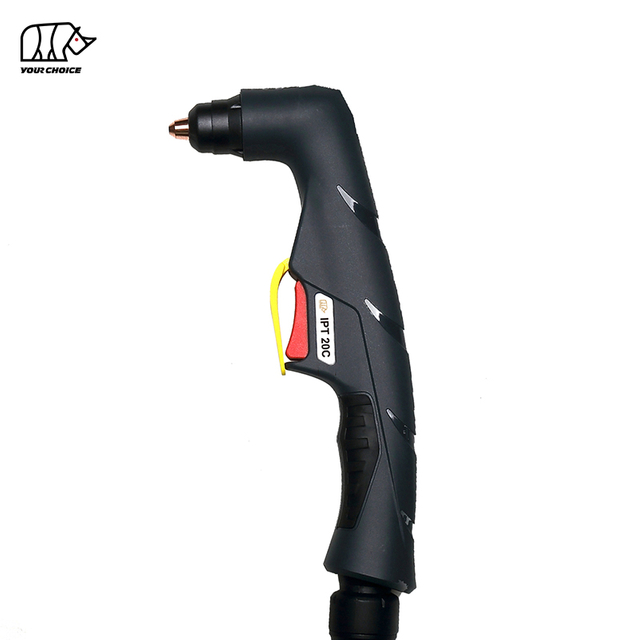
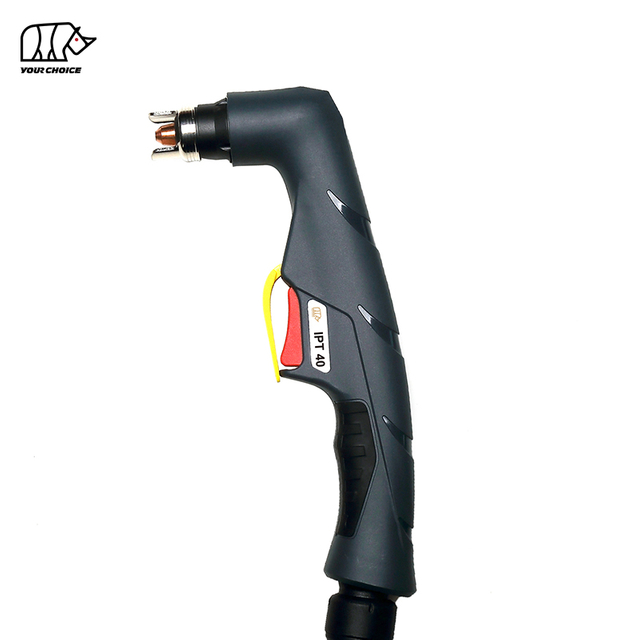
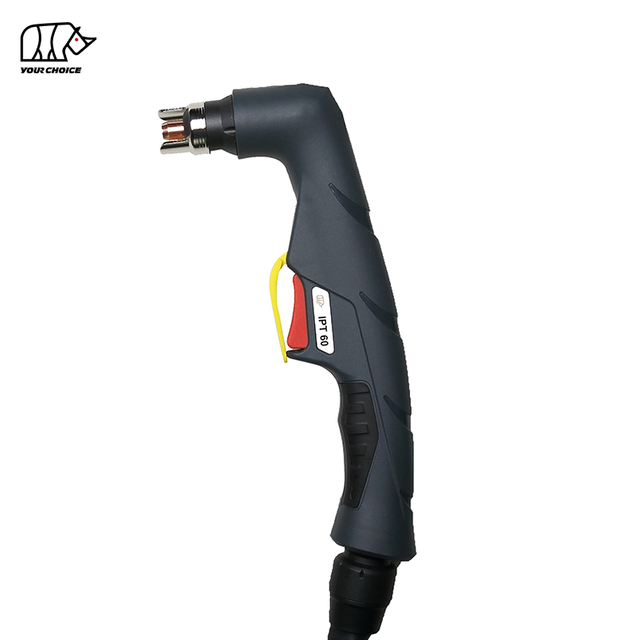
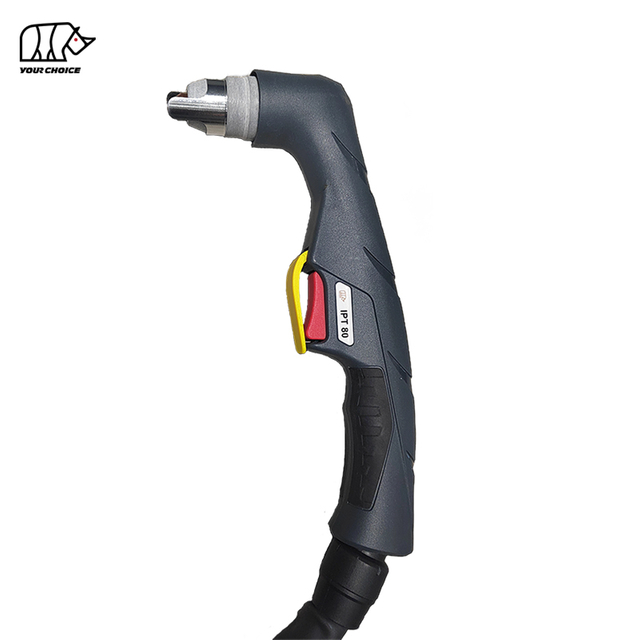
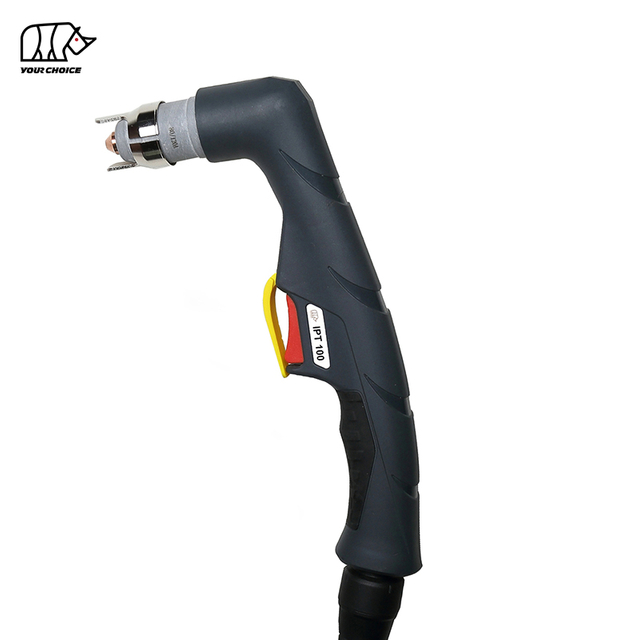
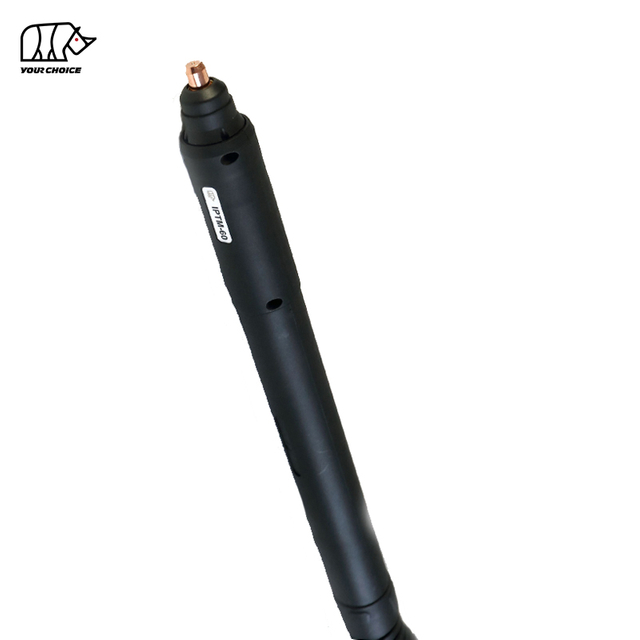
A plasma cutter that will not produce an arc can interrupt production, delay fabrication projects, and increase maintenance costs. Whether your plasma cutter is not firing at all, blowing air without producing an arc, or generating a pilot arc that fails to transfer to the workpiece, identifying the actual cause is essential.
Why is your plasma cutter not arcing? The most common causes include insufficient air pressure, worn torch consumables, incorrectly installed torch components, poor work clamp connections, faulty torch trigger signals, power supply protection faults, and problems within the pilot arc circuit.
Fortunately, many plasma arc starting problems can be identified through basic external inspections before expensive components need to be replaced.
This guide explains seven common causes of plasma cutter arc failure, how to recognize their symptoms, and the appropriate troubleshooting steps. It also covers pilot arc problems, air supply requirements, preventive maintenance, and when professional servicing is necessary.
What Does It Mean When a Plasma Cutter Is Not Arcing?
A plasma cutter uses electrical energy and a flow of compressed gas, commonly air, to create a high-temperature plasma arc capable of cutting electrically conductive materials.
Depending on the equipment design, the torch may use a pilot arc, a contact-start mechanism, or another arc initiation system.
In a pilot-arc system, the initial arc is established within the torch before the main cutting arc transfers to the workpiece. The workpiece then becomes part of the electrical cutting circuit.
When a plasma cutter is not arcing, the failure may occur during arc initiation, pilot arc stabilization, or transfer to the workpiece.
These are different problems and may require different solutions.
How Can You Identify the Type of Plasma Arc Failure?
Before replacing parts, observe exactly what happens when you attempt to start the plasma cutter.
Plasma Cutter Symptom
Possible Causes
Recommended First Check
No air flow and no arc
Trigger circuit, machine protection, air supply or control fault
Check fault indicators, air supply and torch connection
Air flows but no arc appears
Worn consumables, incorrect assembly, safety interlock or starting circuit
Inspect the torch consumables and retaining cap
Pilot arc starts but does not transfer
Poor work clamp connection, excessive torch distance or incorrect cutting setup
Check the work return path and torch standoff
Arc starts but immediately stops
Unstable air flow, damaged consumables or protection system
Check flowing air pressure and fault indicators
Arc starts intermittently
Loose torch connection, worn components or unstable supply
Inspect external connections and consumables
Arc stops during continuous cutting
Air supply limitations, excessive duty cycle or cutting conditions
Check air flow, temperature warnings and operating limits
Important: Not every plasma cutter is designed to sustain a visible pilot arc in open air. Always follow the operating instructions for your specific machine and torch.
Safety Precautions Before Troubleshooting
Plasma cutting equipment involves high electrical voltage, compressed air, intense arc radiation, and hot metal.
Before removing or inspecting torch consumables:
Switch off the plasma cutter and disconnect it from its power source.
Allow the torch and consumables to cool completely.
Follow the manufacturer's instructions for releasing stored air pressure.
Wear appropriate protective equipment.
Never bypass torch safety interlocks or protective switches.
Do not open the machine housing or touch internal electrical components unless you are a qualified service technician.
Some plasma cutters contain electrical components that can retain hazardous voltage after the machine is disconnected.
7 Common Causes of a Plasma Cutter Not Arcing and How to Fix Them
1. Insufficient Air Pressure or Poor Air Quality
One of the first things to check when a plasma cutter is not arcing is the compressed air supply.
Plasma cutting requires a stable flow of clean, dry air to support arc formation, cool torch components, and remove molten material from the cutting zone.
If the air supply is inadequate or unstable, the machine may prevent arc initiation or shut down during operation.
Common Symptoms
The plasma cutter blows air but does not produce an arc.
The pilot arc starts and quickly disappears.
The machine displays an air pressure warning.
Arc initiation becomes inconsistent.
Cutting performance deteriorates during continuous operation.
Why Does Low Air Pressure Cause Arc Problems?
Many plasma cutters monitor air pressure or air flow before allowing the torch to operate.
If the pressure falls below the required operating range, the machine may activate a protective interlock.
Air pressure can also decrease while the torch is operating, particularly when the compressor cannot maintain sufficient flow.
This means that a regulator showing adequate pressure while idle does not necessarily confirm that the system has enough air during cutting.
Moisture, oil, and other contaminants can further affect arc stability and accelerate consumable wear.
How to Fix It
Check that the air compressor is operating correctly.
Confirm that the compressor can supply the required air flow.
Inspect the air hose for leaks, restrictions, and damaged fittings.
Check the regulator and air filter.
Verify air pressure under flowing conditions using the equipment's recommended procedure.
Drain accumulated moisture from the air system.
Replace contaminated filter elements when necessary.
What air pressure should a plasma cutter use?
There is no single correct air pressure for every plasma cutter.
The required pressure depends on the equipment model, torch design, cutting current, and operating conditions.
Always use the pressure and flow specifications provided for the particular plasma cutting system.
These components operate under extreme thermal and electrical conditions and gradually deteriorate during normal cutting.
Can Worn Consumables Stop a Plasma Cutter From Arcing?
Yes.
A severely worn electrode, damaged nozzle, or incorrectly functioning consumable assembly can interfere with arc initiation.
For example, an electrode that has developed excessive wear may no longer provide the intended electrical and mechanical conditions for reliable starting.
A damaged nozzle can also disrupt the arc and gas flow characteristics.
In some cases, consumable damage can cause the torch to start intermittently before it eventually stops firing.
Signs of Damaged Plasma Torch Consumables
Component
Common Wear or Damage
Possible Effect
Electrode
Excessive erosion, damaged insert or abnormal wear
Difficult or inconsistent arc starting
Nozzle
Enlarged or distorted orifice, burning or deformation
Unstable arc and poor cutting quality
Swirl ring
Cracks, contamination or blocked passages
Improper gas distribution
Retaining cap
Cracks, damaged threads or incorrect seating
Torch assembly or safety detection problems
Shield
Excessive spatter, damage or blockage
Poor gas flow and cutting performance
How to Fix It
Disconnect the power and allow the torch to cool before inspecting any consumables.
Remove the consumables according to the torch manufacturer's instructions.
Check the electrode for excessive wear, the nozzle for damage, and the swirl ring for cracks or contamination.
Replace damaged components with consumables that match the torch model and cutting application.
When an electrode and nozzle have both experienced significant wear, replacing them together can help restore consistent cutting performance.
Avoid mixing consumables that are not designed to operate together.
Maintenance Tip: Repeated arc-start failures can damage consumables further. Investigate the cause instead of continuously pressing the torch trigger.
3. Incorrectly Installed Consumables or Torch Safety Interlock Problems
A plasma cutter may fail to produce an arc even when its consumables are relatively new.
One possible reason is incorrect torch assembly.
Many plasma cutting torches use a safety mechanism to detect whether certain torch components are properly installed.
Depending on the design, this may be referred to as a parts-in-place system, cap sensor, or torch safety interlock.
If the required components are missing or incorrectly seated, the equipment may prevent arc initiation.
Common Installation Problems
The retaining cap is not properly seated.
The wrong electrode or nozzle has been installed.
A swirl ring is missing or incorrectly positioned.
Consumables are installed in the wrong sequence.
A torch component is damaged or does not fit correctly.
The torch assembly does not satisfy its safety detection system.
Why Does a Plasma Cutter Stop Arcing After Replacing Consumables?
If a plasma cutter stops working immediately after consumable replacement, incorrect assembly or incompatible replacement parts should be among the first possibilities investigated.
Even when individual components appear similar, their dimensions and operating requirements may differ.
Incorrect parts can prevent the torch from assembling correctly or operating as intended.
How to Fix It
Turn off and disconnect the plasma cutter.
Remove the consumables after the torch has cooled.
Confirm that every component matches the torch model.
Inspect the components for physical damage.
Reinstall the consumables in the specified order.
Secure the retaining cap according to the torch instructions.
Check whether any torch-related warning remains when the machine is restarted.
Do not force components into position or overtighten parts beyond the specified requirements.
Important: Never bypass a torch cap sensor or other safety interlock to make the plasma cutter fire.
If the safety detection system continues to report a fault after correct assembly, professional inspection may be necessary.
4. Poor Work Clamp Connection or Incomplete Cutting Circuit
A poor work clamp connection is a common cause of cutting arc transfer problems.
The work clamp provides the electrical return path between the workpiece and the plasma cutting power source.
If this connection is loose, contaminated, or interrupted, the main cutting arc may not transfer correctly or remain stable.
Can a Bad Work Clamp Prevent a Plasma Cutter From Arcing?
It depends on the arc-starting system.
On some plasma cutters, an inadequate work return path can prevent successful arc initiation.
On pilot-arc systems, the pilot arc may still start, but the cutting arc may fail to transfer to the workpiece.
This distinction is important when diagnosing a plasma cutter that appears to fire but will not cut.
Common Work Clamp Problems
The clamp is attached to a painted or heavily rusted surface.
The clamp jaws have poor electrical contact.
The work return cable is damaged.
The connection at the power source is loose.
The clamp is attached to a component with an unreliable electrical path to the workpiece.
How to Fix It
Inspect the work clamp and return cable with the machine disconnected.
Remove paint, heavy rust, or other insulating contamination from the intended clamp contact area.
Attach the work clamp securely to clean, conductive metal.
When practical, connect it directly to the workpiece rather than relying on an uncertain path through a cutting table or fixture.
Inspect the return cable for visible damage and replace defective components.
Once the connections are restored, test the system using the manufacturer's recommended procedure.
Does Torch Distance Affect Arc Transfer?
Yes.
Excessive distance between the torch and workpiece can prevent successful arc transfer or make the cutting arc unstable.
Use the correct standoff or cutting height for the torch and consumable configuration.
If the torch requires a particular drag-cutting or stand-off technique, follow that requirement rather than applying a universal cutting distance.
5. Faulty Torch Trigger, Cable Assembly, or Connection
The plasma torch trigger sends a command to initiate the cutting sequence.
If the trigger signal does not reach the control system, the machine may not begin the required air and arc-starting operations.
Torch cables and connectors can also deteriorate through repeated bending, pulling, mechanical impact, or exposure to workshop conditions.
Symptoms of a Torch Trigger or Cable Problem
Nothing happens when the torch trigger is pressed.
The torch operates intermittently.
The machine displays a torch connection fault.
Arc starting becomes unreliable after the torch cable is moved.
The air and arc-starting sequence does not operate as expected.
What Causes Torch Connection Problems?
Possible causes include a damaged trigger switch, loose connector, broken control conductor, or an incorrectly installed torch assembly.
The exact symptoms depend on the machine's control design.
Some systems may activate air flow without producing an arc, while others may prevent the entire cutting sequence.
How to Fix It
Start with an external visual inspection.
Check that the torch connector is correctly seated and secured.
Look for visible damage to the cable jacket, connector housing, trigger, and torch handle.
Avoid sharply bending the torch cable near the handle or power source connection.
If a connector is damaged or the torch continues to operate intermittently, discontinue use and arrange for qualified inspection or replacement.
Do not attempt to test energized trigger or starting circuits without the appropriate technical qualifications and service procedures.
Practical Tip: If the plasma cutter repeatedly fails to start and the problem appears related to torch cable movement, a damaged cable assembly or connector should be investigated before replacing unrelated consumables.
6. Incorrect Power Supply Conditions or Thermal Protection
Plasma cutting equipment requires a stable electrical supply and correct operating conditions.
If the input power is outside the permitted range, a protective fault is active, or the machine has exceeded its duty cycle, the plasma cutter may refuse to initiate an arc.
Common Symptoms
The machine powers on but does not fire.
A fault or temperature warning is displayed.
The plasma cutter stops after prolonged cutting.
The equipment works intermittently under heavy workloads.
Arc initiation becomes unreliable when other equipment operates on the same electrical supply.
How Can Input Power Affect Plasma Arc Starting?
A plasma cutter needs an electrical supply that meets its rated voltage, frequency, phase, and current requirements.
An inadequate supply, unsuitable extension cable, or incorrect connection can prevent normal operation.
Protective systems may also disable the cutting output when the machine detects an unsafe condition.
What Is Plasma Cutter Duty Cycle?
Duty cycle describes how long a machine can operate at a specified output within a defined time period, commonly a ten-minute cycle.
For example, a 60% duty cycle at a specified output generally indicates that the machine is rated for six minutes of operation within a ten-minute period under the defined test conditions.
Actual cooling requirements depend on the machine and operating environment.
Exceeding the rated duty cycle can cause thermal protection to activate.
How to Fix It
Check the machine's display or warning indicators.
Verify that the input supply and electrical installation meet the equipment specifications.
Confirm that the selected operating mode and settings are appropriate for the intended cutting process.
If a thermal warning is active, stop cutting and allow the machine to cool according to its operating instructions.
Keep ventilation openings clear and maintain adequate space around the equipment.
If electrical supply problems are suspected, have the installation inspected by a qualified electrician.
Do not repeatedly reset a machine that continues to report electrical or thermal faults.
7. Pilot Arc Circuit or Internal Electrical Component Failure
If the air supply, torch consumables, work clamp, torch assembly, and operating conditions are all correct, the problem may involve an internal electrical fault.
Depending on the plasma cutter design, the arc-starting system may contain control circuitry, switching components, sensors, and other electrical assemblies.
A fault in one of these systems can prevent the torch from initiating or maintaining an arc.
What Are the Signs of a Pilot Arc Circuit Problem?
Possible symptoms include:
Air flows normally, but no arc is produced.
The machine repeatedly reports an arc-starting fault.
Correctly installed new consumables do not restore operation.
The torch connections and external supply conditions appear normal.
The machine fails to initiate an arc despite passing its normal external checks.
These symptoms do not prove that an internal component has failed. They indicate that further professional diagnosis may be required.
How to Fix It
Complete the recommended external inspections first.
Record the equipment model, fault code, operating conditions, and exact symptoms.
Contact a qualified service technician or the equipment manufacturer for the appropriate diagnostic procedure.
Internal arc-starting systems can involve hazardous electrical voltages and stored energy.
Do not open the power source, bypass protective circuits, or attempt internal electrical repairs without proper training and equipment.
Replacing the power supply should not be the first troubleshooting step when simpler external causes have not been ruled out.
How Do You Troubleshoot a Plasma Cutter That Won't Arc?
A systematic troubleshooting process helps identify the problem without unnecessary replacement of expensive parts.
Use the following sequence to narrow down the cause.
Step 1: Identify the Exact Symptom
Determine whether the machine:
Has no air flow and no arc.
Produces air flow but no arc.
Starts a pilot arc that does not transfer.
Produces an arc that immediately stops.
Starts intermittently.
This initial observation can eliminate several unrelated possibilities.
Step 2: Check the Machine's Fault Indicators
Inspect the display and warning lights.
Air pressure, thermal protection, torch connection, and electrical faults may be identified by specific indicators.
Use the operating manual to interpret any fault codes.
Step 3: Verify the Air Supply
Confirm that the compressor, regulator, filters, and hoses are operating correctly.
Check pressure and flow under the conditions specified for the equipment.
Do not rely only on the regulator's idle pressure reading.
Step 4: Inspect the Torch Consumables
Disconnect power and allow the torch to cool.
Inspect the electrode, nozzle, swirl ring, retaining cap, and other required components.
Replace damaged or incompatible consumables.
Reassemble the torch correctly.
Step 5: Check the Work Clamp and Return Cable
Inspect the clamp, cable, and connection points.
Ensure that the clamp makes reliable contact with clean, conductive metal.
Step 6: Inspect the Torch and External Connections
Check the trigger, cable jacket, and external connectors for visible damage.
Make sure the torch is correctly connected to the power source.
Step 7: Confirm Operating Conditions
Check input power requirements, operating mode, cutting current, thermal warnings, and duty cycle.
Correct any issues identified by the machine's protective systems.
Step 8: Request Professional Service if Necessary
If the plasma cutter still does not arc after the external checks, stop troubleshooting and arrange qualified servicing.
Do not attempt repeated arc starts when the machine displays persistent faults.
Why Does My Plasma Cutter Have Air but No Arc?
One of the most common troubleshooting questions is:
"Why is my plasma cutter blowing air but not arcing?"
Air flow without an arc means that at least part of the pneumatic system is operating, but the arc-starting sequence has not completed successfully.
Possible causes include:
Worn or damaged electrode and nozzle.
Incorrectly installed torch consumables.
An unsatisfied torch safety interlock.
A damaged torch connection or control signal.
A machine protection fault.
A problem within the arc-starting circuit.
Start by checking the machine's warning indicators.
Next, disconnect the power and inspect the consumables and torch assembly.
Confirm that the replacement components are correct for the torch.
If the external components are in good condition and the machine still blows air without producing an arc, professional electrical diagnosis may be necessary.
Note: Some plasma cutters continue blowing air for a short period after cutting. This post-flow cooling cycle is normal and should not automatically be interpreted as a fault.
Why Does the Pilot Arc Start but Fail to Transfer to the Workpiece?
A plasma cutter may successfully generate a pilot arc but fail to establish the main cutting arc.
This is commonly described as a pilot arc transfer problem.
The pilot arc and transferred cutting arc perform different functions.
The pilot arc supports arc initiation, while the transferred arc provides the electrical cutting path through the workpiece.
If the pilot arc is present but the machine will not cut, focus on the conditions required for arc transfer.
Common Causes of Pilot Arc Transfer Failure
Possible Cause
Why It Matters
Recommended Action
Poor work clamp connection
The cutting circuit may be incomplete
Connect the clamp to clean metal
Excessive torch standoff
The arc may not transfer successfully
Use the specified cutting height
Dirty or coated workpiece
Electrical contact may be unreliable
Clean the appropriate contact area
Incorrect consumables
Arc characteristics may not match the application
Install the correct consumable set
Incorrect operating settings
Cutting conditions may be unsuitable
Verify the selected mode and settings
Unstable air supply
Arc formation and stability may be affected
Check pressure and flow under operating conditions
Avoid repeatedly firing the pilot arc into open air in an attempt to force a transfer.
Follow the equipment's recommended starting and testing procedures.
Why Does a Plasma Cutter Start Arcing and Then Stop?
A plasma cutter that starts normally but stops during cutting may have a different problem from one that never starts.
Common causes include unstable air flow, worn consumables, excessive cutting distance, a poor work return path, or thermal protection.
The timing of the failure provides useful diagnostic information.
If the arc stops immediately after starting, inspect the consumables, torch assembly, air supply, and work clamp.
If the arc stops after several minutes of cutting, check the machine's temperature indicators, duty cycle, and air supply capacity.
If the arc stops when moving across the workpiece, inspect the cutting height, cable condition, work return path, and cutting parameters.
Also confirm that the material thickness and cutting speed are appropriate for the equipment's rated capacity.
Can New Plasma Torch Consumables Cause No-Arc Problems?
Yes. Installing new consumables does not automatically guarantee successful arc initiation.
Replacement parts must be compatible with the specific torch and correctly installed.
Potential problems include:
Incorrect electrode dimensions.
Incompatible nozzle design.
Wrong cutting-current rating.
Missing or incorrectly positioned swirl ring.
Improper retaining cap installation.
Damaged replacement components.
A component may look similar to the original while having different dimensions or operating requirements.
For this reason, torch model compatibility is more important than visual similarity alone.
If a plasma cutter stops arcing immediately after consumable replacement, inspect the newly installed components before assuming that the power supply has failed.
How Can You Prevent Plasma Cutter Arc Starting Problems?
Preventive maintenance can reduce unexpected cutting interruptions, improve consumable life, and support more consistent production.
1. Maintain a Clean, Dry Air Supply
Inspect the compressor, air filter, regulator, and moisture separation system regularly.
Drain accumulated water and replace filter elements when required.
Consistent air quality helps protect torch components and maintain stable cutting conditions.
2. Inspect Consumables Before Cutting
Check the electrode and nozzle for visible wear.
Inspect the swirl ring and retaining cap for damage.
Replace components according to their actual condition and the equipment's maintenance recommendations.
3. Use the Correct Consumables
Match consumables to the torch model, operating current, and cutting application.
Avoid combining parts that are not designed to work together.
4. Protect the Torch Cable Assembly
Prevent excessive bending, crushing, pulling, and abrasion.
Route the torch cable away from sharp edges and moving equipment.
Inspect connectors and cable jackets regularly.
5. Maintain Reliable Work Clamp Contact
Keep the work clamp clean and inspect the return cable for damage.
Connect the clamp to a suitable conductive surface before cutting.
6. Follow the Rated Duty Cycle
Use the machine within its specified operating limits.
Maintain adequate ventilation and respond promptly to thermal warnings.
7. Keep a Maintenance Record
For fabrication shops and industrial users, a simple maintenance record can help identify recurring faults.
Useful information includes:
Maintenance Item
What to Record
Torch model
Model and compatible consumable set
Cutting current
Typical operating range
Consumable condition
Electrode and nozzle wear
Air supply
Pressure, flow and filter condition
Fault symptoms
No arc, intermittent arc or failed transfer
Corrective action
Components inspected or replaced
Result
Whether normal cutting was restored
A consistent inspection process can help maintenance teams distinguish routine consumable wear from recurring equipment problems.
What Should You Check Before Replacing a Plasma Cutting Torch?
If the existing plasma cutting torch is damaged or repeatedly experiences arc-starting problems, selecting a compatible replacement is essential.
A replacement torch should not be chosen solely by appearance or advertised amperage.
Before purchasing, verify the following specifications.
Selection Factor
Why It Matters
Plasma cutter model
Determines whether the torch can be used with the power source
Torch connection type
Ensures compatible electrical, pneumatic and control connections
Rated cutting current
Must meet the intended operating requirements
Arc-starting system
Must match the equipment's starting and control design
Consumable compatibility
Determines electrode, nozzle and related replacement parts
Torch cable length
Affects workstation layout and handling
Manual or mechanized application
Determines the appropriate torch configuration
Safety and control requirements
Ensures correct operation of the torch's protective functions
For welding equipment distributors, repair centers, and industrial purchasing teams, verifying these details before ordering can reduce compatibility problems and unnecessary returns.
When requesting a replacement torch or consumables, provide the existing torch model, machine model, connector details, and operating current.
Photographs of the original torch and consumable components may also help the supplier verify compatibility.
Frequently Asked Questions About Plasma Cutter No-Arc Problems
1. Why Is My Plasma Cutter Not Arcing?
A plasma cutter may fail to arc because of insufficient air pressure, worn consumables, incorrect torch assembly, poor electrical return contact, trigger problems, protective faults, or internal arc-starting circuit issues.
Start by checking fault indicators, the air supply, torch consumables, and external connections.
2. Why Does My Plasma Cutter Have Air but No Arc?
Air flow without an arc may indicate worn consumables, incorrect torch assembly, an unsatisfied safety interlock, a control signal problem, or an internal arc-starting fault.
Check the machine's warning indicators and inspect the torch components with the power disconnected.
3. Why Is My Plasma Cutter Pilot Arc Not Working?
A pilot arc may fail because of damaged consumables, improper assembly, inadequate air supply, torch connection faults, or problems in the starting system.
Not all plasma cutters use the same pilot-arc design, so the appropriate diagnostic procedure depends on the equipment.
4. Why Does My Plasma Cutter Pilot Arc Start but Not Cut?
If the pilot arc starts but the main cutting arc does not transfer, inspect the work clamp, workpiece contact, torch standoff, consumables, and operating settings.
A poor work return path or excessive torch distance can interfere with successful arc transfer.
5. Can a Bad Electrode Cause a Plasma Cutter Not to Fire?
Yes. A severely worn or damaged electrode can interfere with reliable arc initiation.
Inspect the electrode for excessive erosion or abnormal damage and replace it when necessary.
Also inspect the nozzle and other consumables for related wear.
6. Can a Dirty Nozzle Stop a Plasma Cutter From Arcing?
A contaminated, blocked, or damaged nozzle can affect gas flow and arc behavior.
Depending on the severity of the problem and the torch design, it may contribute to unreliable starting or unstable cutting.
Inspect and replace damaged consumables according to the torch specifications.
7. What Air Pressure Does a Plasma Cutter Need?
The correct air pressure depends on the plasma cutter and torch model.
Always follow the equipment's specified pressure and flow requirements.
Check the air supply under flowing conditions because pressure may decrease when the torch operates.
8. Can a Bad Work Clamp Cause a Plasma Cutter Not to Cut?
Yes. A poor work clamp connection can prevent the main cutting arc from transferring properly or cause unstable cutting.
Connect the work clamp securely to clean, conductive metal and inspect the return cable for damage.
9. Why Does My Plasma Cutter Stop Arcing After a Few Seconds?
Possible causes include unstable air flow, damaged consumables, poor arc transfer, a control fault, or an active protection system.
If the problem occurs after prolonged cutting, also check for overheating and duty cycle limitations.
10. Why Is My Plasma Cutter Not Arcing After Changing Consumables?
Incorrect consumable selection or assembly is a possible cause.
Confirm that the electrode, nozzle, swirl ring, and retaining cap are compatible with the torch and installed in the correct order.
Check whether the machine displays a torch assembly or safety-related fault.
11. How Do I Know If My Plasma Torch Is Bad?
Possible signs include visible torch damage, intermittent trigger operation, damaged cable insulation, repeated connection faults, or persistent arc-starting problems after external consumables and operating conditions have been checked.
These symptoms do not always mean that the complete torch needs replacement.
A qualified inspection can help determine whether the problem is limited to a replaceable component or involves the torch assembly.
12. When Should I Stop Troubleshooting a Plasma Cutter?
Stop using the equipment if you notice damaged electrical insulation, burning smells, abnormal noises, repeated protective faults, or other signs of an electrical hazard.
Professional servicing is also appropriate when the machine continues to fail after the recommended external inspections.
Never bypass safety devices or attempt unqualified repairs to internal high-voltage components.
Final Thoughts: How to Fix a Plasma Cutter That Is Not Arcing
When a plasma cutter is not arcing, the most effective approach is to identify the exact failure symptom before replacing parts.
Begin with the air supply and machine fault indicators. Then inspect the torch consumables, confirm correct assembly, and check the work clamp and external connections.
If the pilot arc starts but does not transfer, focus on the electrical return path, cutting height, and operating conditions.
If the machine has air flow but no arc despite correct external conditions, a control or internal arc-starting problem may require professional diagnosis.
The key to reliable plasma cutting is a properly matched torch, correctly installed consumables, stable air flow, sound electrical connections, and operation within the equipment's rated limits.
For equipment distributors, fabrication workshops, and industrial maintenance teams, understanding these seven common causes can reduce unnecessary replacement costs, improve troubleshooting efficiency, and support more reliable cutting performance.
This website uses cookies and similar technologies (“cookies”). Subject to your consent, will use analytical cookies to track which content interests you, and marketing cookies to display interest-based advertising. We use third-party providers for these measures, who may also use the data for their own purposes.
You give your consent by clicking "Accept all" or by applying your individual settings. Your data may then also be processed in third countries outside the EU, such as the US, which do not have a corresponding level of data protection and where, in particular, access by local authorities may not be effectively prevented. You can revoke your consent with immediate effect at any time. If you click on "Reject all", only strictly necessary cookies will be used.
 English
 简体中文
简体中文 العربية
 Français
 Русский
 Español
 Português
 Deutsch
 italiano
 日本語
日本語 한국어
한국어 Nederlands
 Tiếng Việt
 ไทย
ไทย Polski
 Türkçe
 ភាសាខ្មែរ
 Bahasa Melayu
 Filipino
 Bahasa Indonesia
 magyar
 Română
 Čeština
 Монгол
 қазақ
қазақ Српски
 हिन्दी
 فارسی
فارسی Slovenčina
 Slovenščina
 Norsk
Norsk Svenska
 українська
 Ελληνικά
 Suomi
Suomi Latine
 Dansk
Dansk বাংলা
বাংলা Hrvatski
 Afrikaans
 Gaeilge
 Eesti keel
 नेपाली
 Oʻzbekcha
 latviešu
 Azərbaycan dili
 Беларуская мова
 Bosanski
 Български
 ქართული
 Lietuvių