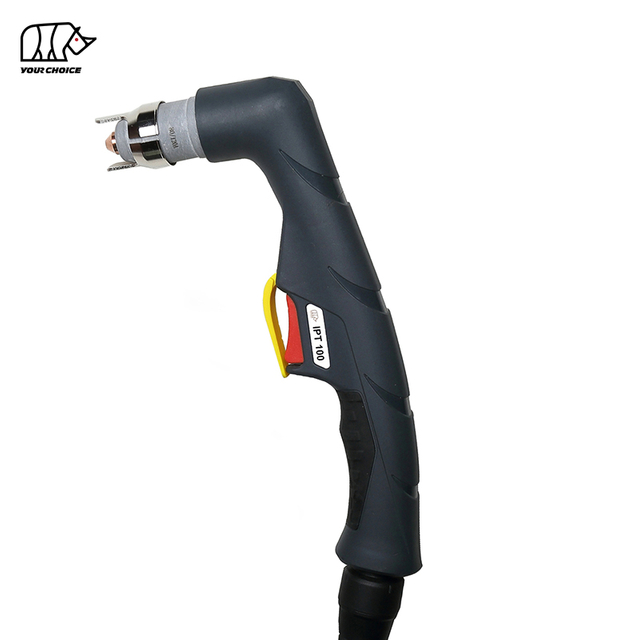
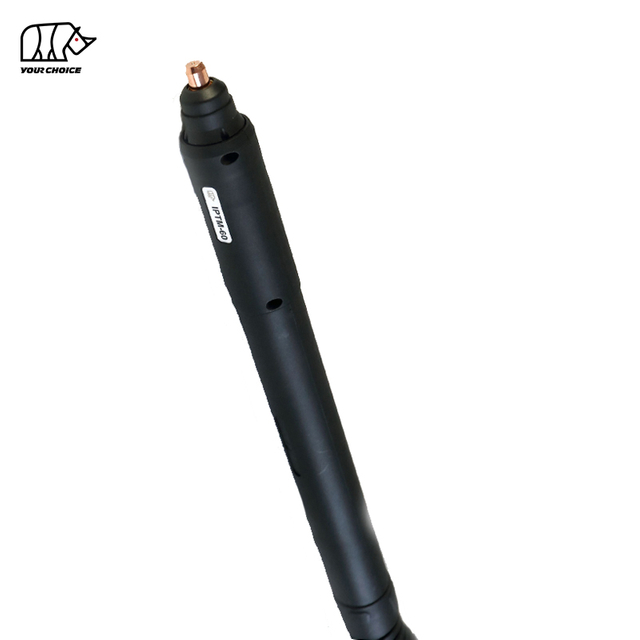
PT Series Non-HF Plasma Cutting Torches for Manual and CNC Applications
The INWELT PT Series is a family of air-cooled non-high-frequency plasma cutting torches designed for both manual and mechanized metal cutting.
The current product range covers handheld PT torches and CNC-oriented PTM machine torches from 20A to 100A.
Current models include:
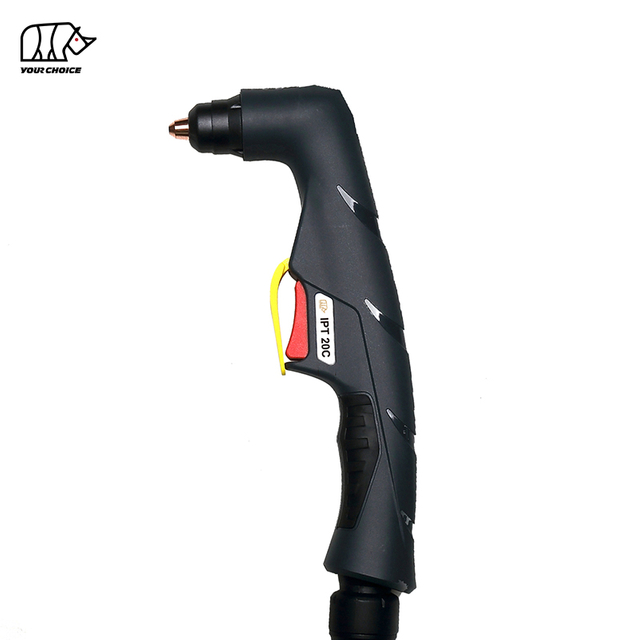
PT20 – 20A manual plasma cutting torch
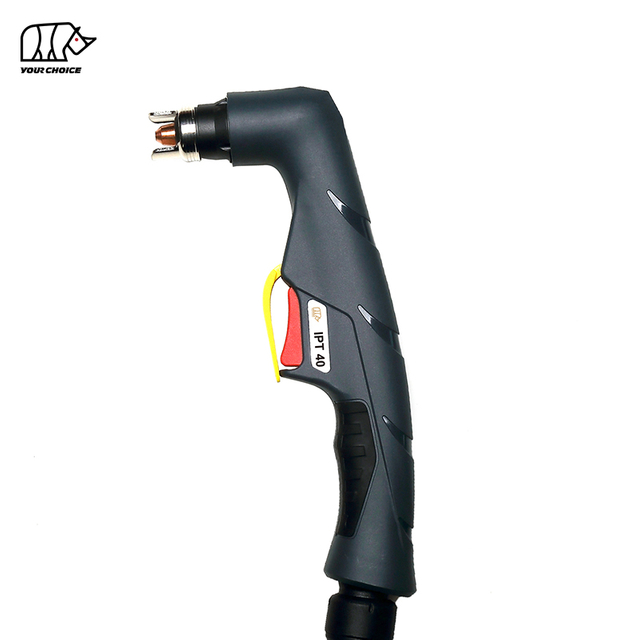
PT40 – 40A manual plasma cutting torch
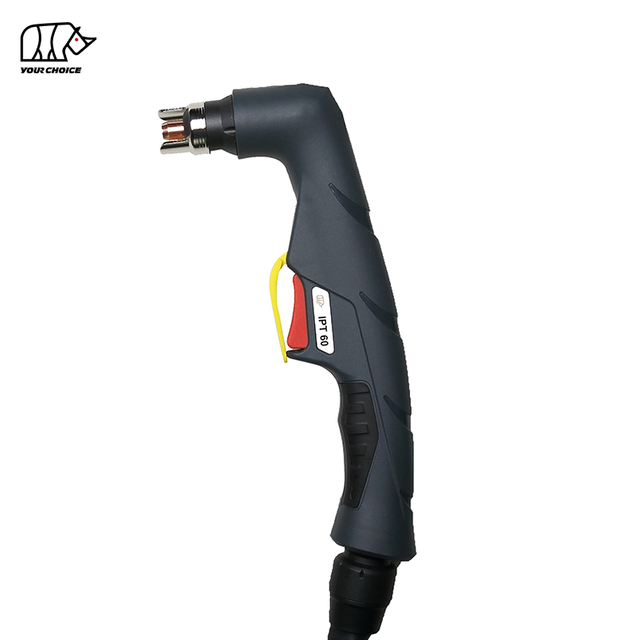
PT60 – 60A manual pilot-arc plasma cutting torch
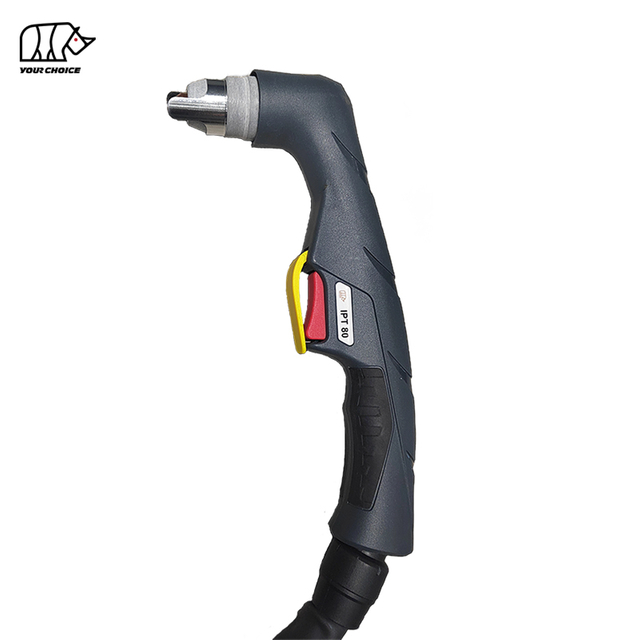
PT80 – 80A manual plasma cutting torch
PT100 – 100A manual plasma cutting torch
PTM60 – 60A CNC plasma cutting torch
PTM100 – 100A CNC plasma cutting torch
The PT Series is designed around non-HF starting architectures, while the exact pilot-arc, back-striking, control-wire and consumable configuration depends on the individual torch model.
Multiple complete-torch assemblies, cable lengths, rear connectors, control arrangements and replacement consumables are available for professional B2B customers.
INWELT PT Series Model Comparison
Model
Rated Current
Operation
Starting System
Process Gas
Typical Lead
PT20
20A
Manual / Handheld
Non-HF
Air / N₂
4 m
PT40
40A
Manual / Handheld
Non-HF
Air / N₂
4 m
PT60
60A
Manual / Handheld
Non-HF / Pilot Arc
Air / N₂
6 m
PT80
80A
Manual / Handheld
Non-HF / Back-Striking
Air / N₂
6 m / 12 m
PT100
100A
Manual / Handheld
Non-HF / Back-Striking
Air / N₂
6 m / 12 m
PTM60
60A
CNC / Mechanized
Non-HF / Back-Striking
Air / N₂
6 m
PTM100
100A
CNC / Mechanized
Non-HF / Back-Striking
Air / N₂
6 m
Always check the individual product page before ordering because duty cycle, gas pressure, gas flow, post-flow, cable configuration and connector options vary by model.
PT Manual Plasma Cutting Torches
The manual PT range is designed for handheld cutting applications where the operator controls torch movement and cutting distance.
Current handheld models include PT20, PT40, PT60, PT80 and PT100.
PT20 20A Non-HF Manual Plasma Cutting Torch
The PT20 is the lowest-current handheld model in the current PT Series.
The current configuration includes:
20A rated current
35% duty cycle
Non-HF arc starting
Air / N₂ operation
Approx. 2 bar gas pressure
Approx. 30 L/min gas flow
Approx. 15-second recommended post-flow
4 m standard cable
The PT20 is designed for compatible lower-output plasma systems and light-duty manual cutting.
The presence of higher-current consumables within the wider parts family should not automatically change the primary PT20 torch rating.
PT40 40A Non-HF Manual Plasma Cutting Torch
The PT40 is designed for compatible 40A plasma cutting systems.
Current INWELT specifications include:
40A rated current
60% duty cycle
Non-HF starting
Air / N₂ operation
Approx. 4.5–5.0 bar operating pressure
Approx. 120–130 L/min gas flow
Approx. 35-second recommended post-flow
4 m standard cable
Direct, 1/4G and central-adapter configurations are available with different control-wire arrangements.
PT60 60A Non-HF Pilot Arc Plasma Cutting Torch
The PT60 is a 60A handheld torch designed for compatible non-HF pilot-arc plasma systems.
Current specifications include:
60A rated current
60% duty cycle
Non-HF pilot-arc starting
Air / N₂ operation
Approx. 4.5–5.0 bar gas pressure
Approx. 120–130 L/min gas flow
Approx. 55-second recommended post-flow
6 m standard cable
Available configurations include integrated, separated and central-adapter arrangements with 2-wire or 4-wire control options.
PT80 80A Non-HF Manual Plasma Cutting Torch
The PT80 is designed for higher-output manual cutting applications.
Current specifications include:
80A rated current
60% duty cycle
Non-HF / back-striking starting
Air / N₂ operation
Approx. 4.5–5.0 bar gas pressure
Approx. 120–130 L/min gas flow
Approx. 80-second recommended post-flow
6 m and 12 m lead options
The PT80 consumable platform supports several cutting-current ranges together with contact-cutting and gouging configurations.
PT100 100A Non-HF Manual Plasma Cutting Torch
The PT100 is the highest-current handheld model currently included in the PT Series category.
The current product platform is designed around:
100A rated current
60% duty cycle
Non-HF / back-striking starting
Air / N₂ operation
Approx. 4.5–5.0 bar gas pressure
Approx. 200 L/min gas flow
Approx. 100-second recommended post-flow
6 m and 12 m lead configurations
The PT100 family includes multiple cutting-tip current ranges, contact-cutting consumables, gouging-related parts and several rear-connection configurations.
Specific cutting thickness should be based on the complete plasma power source rather than the torch alone.
PTM CNC and Mechanized Plasma Cutting Torches
PTM models are designed for fixed mounting on CNC plasma tables and automated cutting systems.
Unlike manual PT torches, machine torches use straight machine-oriented geometry and are controlled through the plasma power source and CNC system.
PTM60 60A Non-HF CNC Plasma Cutting Torch
The PTM60 is designed for compatible 60A mechanized plasma systems.
Current specifications include:
60A rated current
60% duty cycle
Non-HF / back-striking starting
Air / N₂ operation
Approx. 4.4–5.0 bar gas pressure
Approx. 120–130 L/min gas flow
Approx. 55-second recommended post-flow
6 m standard torch lead
The PTM60 should be treated as a machine-torch product rather than as a PT60 hand torch with a different handle.
CNC buyers should confirm machine head, torch-body dimensions, rear connector and control interface before ordering.
PTM100 100A Non-HF CNC Plasma Cutting Torch
The PTM100 is the higher-current CNC model in the current PT Series category.
Current specifications include:
100A rated current
60% duty cycle
Non-HF / back-striking starting
Air / N₂ operation
Approx. 4.5–5.0 bar gas pressure
Approx. 200 L/min gas flow
Approx. 100-second recommended post-flow
6 m standard lead
Integrated, separate, central-adapter and coaxial cable arrangements are available depending on configuration.
The PTM100 consumable family also includes several current-specific cutting tips, electrodes, diffusers and shields.
PT vs. PTM Plasma Cutting Torches
The most important distinction within the PT Series is the difference between handheld PT torches and PTM machine torches.
Feature
PT Manual Torches
PTM Machine Torches
Operation
Manual / Handheld
CNC / Mechanized
Torch Geometry
Hand torch
Straight machine torch
Start Control
Operator / power-source control
CNC / machine controlled
Mounting
Handheld
Fixed torch holder
Torch Height
Operator controlled
CNC / THC controlled
Main Use
Manual fabrication and repair
Automated production
Current Models
PT20 / PT40 / PT60 / PT80 / PT100
PTM60 / PTM100
Do not choose between PT and PTM torches according to amperage alone.
A PT60 hand torch and PTM60 machine torch can share related consumable architecture while still using different complete torch heads, bodies and control arrangements.
Why Choose a Non-HF PT Series Plasma Torch?
The PT Series is designed for compatible plasma cutting systems that do not rely on conventional high-frequency ignition.
Non-HF Starting Architecture
A non-HF system avoids the conventional high-frequency ignition circuit used by HF plasma torches.
Depending on model, the PT Series can use pilot-arc or back-striking starting arrangements.
Relevant for Electronic and CNC Environments
Non-HF systems avoid the HF-start pulse generated by conventional high-frequency torches.
This can be relevant in cutting environments containing:
CNC controls
Computers
Motor drives
Electronic measurement systems
Automation equipment
However, non-HF starting alone does not guarantee compatibility with a CNC machine.
The complete power source and control architecture must still match.
HF and Non-HF Torches Are Not Interchangeable
A non-HF PT torch should not replace an HF torch solely because the current rating or connector appears similar.
The starting system must match the plasma power source.
How to Choose the Correct PT Series Plasma Torch
Correct torch selection requires more than matching amperage.
Confirm Manual or CNC Operation
Choose a PT model for handheld cutting.
Choose a PTM model for CNC or fixed machine cutting.
Confirm the Plasma Power Source Current
Current PT Series ratings include:
20A
40A
60A
80A
100A
Select a torch whose verified rating matches the intended operating range.
Confirm Non-HF Starting Compatibility
The plasma power source must support the specific PT-style starting architecture.
Confirm Pilot Arc or Back-Striking Design
Starting technology varies by model.
Do not assume that every non-HF PT torch uses exactly the same internal starting mechanism.
Confirm the Rear Connection
Depending on model, configurations can include:
Direct connection
1/4G
Integrated connection
Separate connection
Central adapter
OEM-specific connection
Coaxial cable
Confirm Control Wiring
Different PT models and machine interfaces can use:
2-wire control
4-wire control
Coaxial arrangements
The control circuit must match the plasma power source.
PT Series Back-Striking Consumable Systems
Several higher-output PT and PTM models use back-striking consumable architectures.
In a back-striking torch, internal movement between the electrode and nozzle forms part of the pilot-arc starting sequence.
For reliable operation, the following components should be treated as a matched system:
Electrode
Cutting tip
Diffuser
Shield
Torch head
Do not combine standard and back-striking consumables unless the specific combination has been verified.
PT Series Cutting Tips by Current Range
One of the strongest technical features of the PT Series is the availability of model-specific cutting tips for different current ranges.
Depending on torch model, INWELT offers cutting tips for lower-current and higher-current configurations.
For example, PT80 and PT100-related consumable families include multiple nozzle diameters corresponding to different operating-current ranges.
The final individual product pages should identify:
Data Field
Information to Publish
INWELT Code
Exact part number
Reference
Cross-reference number
Tip Diameter
mm
Current Range
A
Torch Model
PT / PTM model
Process
Cutting / Contact Cutting / Gouging
Starting Type
Standard / Back-Striking
This type of first-party parts data is especially valuable for distributors and aftermarket buyers.
PT Series Electrodes, Diffusers and Shields
The PT Series is supported by a broad replacement-consumable system.
Depending on torch model, available components include:
Standard electrodes
Back-striking electrodes
Extended electrodes
Gas diffusers
Swirl components
Standard cutting tips
Contact-cutting tips
Extended tips
Outside nozzles
Shields
Gouging consumables
O-rings
Torch heads
Exact components should always be matched to the specific model and current range.
Standard Cutting, Contact Cutting and Gouging
Some PT Series models support more than one plasma process.
Standard Cutting
Standard cutting uses the appropriate cutting tip and front-end stack for normal plate cutting.
Contact Cutting
Selected PT platforms include contact-cutting consumables.
Use only the shield and tip combination designed for contact operation.
Plasma Gouging
Higher-current PT families can include gouging components for:
Weld removal
Back-gouging
Defect removal
Joint preparation
Repair and rework
The plasma power source must also support the selected process.
PT Series Connector and Cable Options
Different plasma power sources use different torch interfaces.
Depending on model, INWELT PT Series configurations can include:
Direct cable assemblies
1/4G connections
Integrated connections
Separate connections
Central adapters
2-wire control
4-wire control
Coaxial machine-torch cables
4 m leads
6 m leads
12 m leads
For replacement orders, send photographs of the existing torch connector and control plug.
This is more reliable than selecting a torch only by amperage or external appearance.
How to Check PT Series Plasma Cutter Compatibility
A PT torch is not automatically compatible with every plasma cutter carrying the same amperage rating.
Before ordering, confirm:
Power Source Rating
The torch should operate within its verified current range.
Starting Architecture
The machine must support the required non-HF, pilot-arc or back-striking system.
Rear Connector
The power/gas connection must match.
Trigger or Control Wiring
Manual and machine torches may use different control circuits.
Pilot-Arc Circuit
Pilot-arc architecture must be compatible with the power source.
Gas Requirements
Pressure and flow vary significantly between PT20, PT40, PT60, PT80 and PT100.
Do not apply one model's gas specification to the entire PT Series.
PTM Series CNC Integration
PTM60 and PTM100 are designed for machine-controlled cutting.
For CNC integration, confirm:
Machine torch-body dimensions
Torch mounting diameter
Usable clamping area
Lead routing
Start signal
Arc-ok signal
Torch-height-control interface
Plasma power-source connection
INWELT should publish dimension drawings for each PTM machine torch because this first-party installation data is highly useful for CNC machine manufacturers and system integrators.
PTM Torches and Torch Height Control
A CNC plasma system may use automatic torch-height control.
Possible methods include:
Arc-voltage THC
Floating-head sensing
Mechanical initial-height sensing
Other compatible systems
The exact THC arrangement depends on the plasma power source and CNC controller.
Do not publish one universal arc-voltage or cutting-height setting for the entire PTM range.
What Metals Can PT Series Plasma Torches Cut?
When connected to a compatible plasma power source, PT Series torches can cut electrically conductive materials including:
Mild steel
Carbon steel
Stainless steel
Aluminum
Copper
Brass
Galvanized steel
Actual cutting speed, edge quality and practical material thickness depend on the complete plasma cutting system.
How Thick Can a PT Series Plasma Torch Cut?
There is no single cutting-thickness specification that applies to the entire PT Series.
Actual cutting capacity depends on:
Plasma power source
Torch model
Input power
Material
Cutting current
Tip diameter
Gas pressure
Gas flow
Travel speed
Torch height or stand-off
Consumable condition
Required edge quality
Professional cutting data should distinguish between:
Recommended Cutting Capacity
Material thickness that can be cut productively with suitable edge quality.
Maximum Cutting Capacity
Thicker material that can still be cut at reduced speed.
Severance Capacity
The maximum material thickness that can be separated, generally with lower edge quality.
Use model-specific tested data rather than one universal PT Series thickness claim.
Build Model-Specific INWELT PT Series Cut Charts
INWELT should develop first-party cutting charts for individual torch and plasma power-source combinations.
Verified first-party test data is more useful than generic claims about cutting capacity.
Manual PT Series Applications
PT20, PT40, PT60, PT80 and PT100 are designed for manual cutting applications such as:
General fabrication
Metal repair
Machinery maintenance
Automotive repair
Agricultural equipment
Construction equipment
Workshop cutting
Field maintenance
Plate cutting
Weld repair
The correct model should be selected according to the actual plasma power source and required current.
CNC PTM Series Applications
PTM60 and PTM100 are designed for mechanized applications such as:
CNC plasma cutting tables
Automated profile cutting
Sheet-metal production
Structural fabrication
Machinery components
Agricultural equipment components
Metal furniture
Industrial production cells
Automated metal processing
For CNC use, torch mounting, control interface and cable routing should be confirmed before installation.
PT Series Maintenance and Consumable Inspection
Regular maintenance helps maintain reliable starting and consistent cutting.
Inspect the Electrode
Replace an excessively worn electrode before it contributes to difficult starting or nozzle damage.
Inspect the Cutting Tip
Check for:
Enlarged orifice
Oval nozzle opening
Burn damage
Heavy contamination
Inspect the Diffuser
Keep gas passages clean.
Replace damaged or heat-deformed components.
Inspect Shields and Outside Nozzles
Replace cracked or burned front-end parts.
Inspect Torch Leads
Check for:
Abrasion
Cuts
Heat damage
Sharp bends
Loose fittings
Inspect Machine-Torch Mounting
For PTM models, also inspect the torch holder, perpendicularity and cable routing.
Common PT Series Cutting Problems
Difficult Arc Starting
Check:
Electrode condition
Cutting tip
Starting-system compatibility
Gas pressure
Work connection
Rear connector
Excessive Dross
Check:
Cutting speed
Current
Material thickness
Gas flow
Stand-off or torch height
Consumable condition
Excessive Bevel
Check:
Cutting tip
Torch angle or perpendicularity
Cutting height
Travel speed
Gas distribution
Short Consumable Life
Possible causes include:
Wet or contaminated air
Incorrect tip/current combination
Excessive piercing
Incorrect torch distance
Worn electrode
Troubleshooting should always be based on the specific PT or PTM model.
PT Series for Distributors and Aftermarket Supply
The PT Series supports both complete torch sales and recurring aftermarket demand.
A professional distributor program can include:
Complete handheld torches
Complete CNC machine torches
Cutting tips
Electrodes
Diffusers
Shields
Gouging consumables
Torch heads
Handles
Cable assemblies
Central adapters
Repair components
Consumable kits
Exact INWELT part numbers help distributors manage inventory and replacement compatibility more accurately.
OEM PT Series Plasma Cutting Torch Manufacturing by INWELT
INWELT supplies PT Series plasma cutting torches and replacement components to professional B2B customers including:
Plasma cutter manufacturers
CNC plasma machine manufacturers
Welding and cutting equipment brands
CNC system integrators
Importers
Distributors
Wholesalers
Industrial suppliers
Aftermarket consumable companies
OEM and ODM configurations can be evaluated according to the plasma power source, starting system, target market and required interface.
OEM and Private-Label Options
Customization may include:
Customer branding
Product labels
Handle marking
Machine-torch configuration
Torch lead length
Rear connector
Control wiring
Central adapter
Consumable kits
Private-label packaging
Technical labels
Barcode and carton requirements
For OEM projects, provide the target plasma power source, required current, starting architecture, connector requirements and estimated order quantity.
Why Source PT Series Plasma Torches from INWELT?
The INWELT PT Series combines multiple current ratings, handheld and machine-torch configurations, replacement consumables and connection options within one non-HF product family.
The current category covers:
20A manual torch
40A manual torch
60A manual torch
80A manual torch
100A manual torch
60A CNC machine torch
100A CNC machine torch
Multiple cable and connector arrangements
Model-specific consumable families
Contact-cutting and gouging components on selected models
OEM and private-label options
For equipment manufacturers, distributors and importers, sourcing related torch models and aftermarket components through one supplier can simplify purchasing, inventory and technical support.
Frequently Asked Questions About PT Series Plasma Cutting Torches
What is the INWELT PT Series?
The PT Series is a family of non-HF plasma cutting torches designed for manual and CNC/mechanized applications.
Which PT Series models are manual torches?
The current manual models are:
PT20
PT40
PT60
PT80
PT100
Which PT Series models are CNC machine torches?
The current machine-torch models are:
PTM60
PTM100
What current ratings are available?
The current PT category covers torch ratings from approximately 20A to 100A.
Check each product page for the exact duty cycle and operating specification.
Do PT Series torches use HF ignition?
No.
The current PT Series is positioned around non-HF starting systems.
Exact pilot-arc or back-striking architecture varies by model.
Are PT and PTM torches interchangeable?
No.
PT models are primarily handheld, while PTM models are intended for fixed CNC or mechanized operation.
Some consumables may be related, but complete torch assemblies are not automatically interchangeable.
What process gas does the PT Series use?
The current PT models use Air/N₂ configurations.
Gas pressure and flow vary significantly by model.
What lead lengths are available?
Depending on model, current configurations include 4 m, 6 m and 12 m leads.
Can PT Series torches be used on any CUT-type plasma cutter?
No.
Amperage alone is not enough.
Starting architecture, rear connector, pilot-arc circuit, control wiring and gas requirements must also match.
Can PT Series torches cut stainless steel?
Yes, when used with a compatible plasma power source and suitable parameters.
Can PT Series torches cut aluminum?
Yes.
Aluminum is electrically conductive and can be plasma cut using an appropriate plasma system.
How thick can a PT Series torch cut?
There is no one thickness value for the complete series.
Cutting capacity depends on the specific torch, power source, material, current, consumables and cutting parameters.
Are replacement consumables available?
Yes.
INWELT supplies cutting tips, electrodes, diffusers, shields, torch heads, cables and related replacement components for supported PT Series configurations.
Does INWELT offer OEM PT Series plasma torches?
Yes.
OEM/ODM, private-label, connector, cable and consumable-kit configurations are available for qualified equipment manufacturers, CNC integrators, distributors and importers.
Request a Quote for INWELT PT Series Plasma Cutting Torches
For faster model and compatibility confirmation, provide:
Plasma cutter manufacturer and model
Rated output current
Existing torch model
Manual or CNC application
Starting-system type
Main connector photographs
Pilot-arc or control connector photographs
Required lead length
Required consumables
Estimated purchasing quantity
INWELT or private-label branding
INWELT can then recommend the appropriate PT or PTM torch configuration for your plasma cutting system.
This website uses cookies and similar technologies (“cookies”). Subject to your consent, will use analytical cookies to track which content interests you, and marketing cookies to display interest-based advertising. We use third-party providers for these measures, who may also use the data for their own purposes.
You give your consent by clicking "Accept all" or by applying your individual settings. Your data may then also be processed in third countries outside the EU, such as the US, which do not have a corresponding level of data protection and where, in particular, access by local authorities may not be effectively prevented. You can revoke your consent with immediate effect at any time. If you click on "Reject all", only strictly necessary cookies will be used.
 English
 简体中文
简体中文 العربية
 Français
 Русский
 Español
 Português
 Deutsch
 italiano
 日本語
日本語 한국어
한국어 Nederlands
 Tiếng Việt
 ไทย
ไทย Polski
 Türkçe
 ភាសាខ្មែរ
 Bahasa Melayu
 Filipino
 Bahasa Indonesia
 magyar
 Română
 Čeština
 Монгол
 қазақ
қазақ Српски
 हिन्दी
 فارسی
فارسی Slovenčina
 Slovenščina
 Norsk
Norsk Svenska
 українська
 Ελληνικά
 Suomi
Suomi Latine
 Dansk
Dansk বাংলা
বাংলা Hrvatski
 Afrikaans
 Gaeilge
 Eesti keel
 नेपाली
 Oʻzbekcha
 latviešu
 Azərbaycan dili
 Беларуская мова
 Bosanski
 Български
 ქართული
 Lietuvių