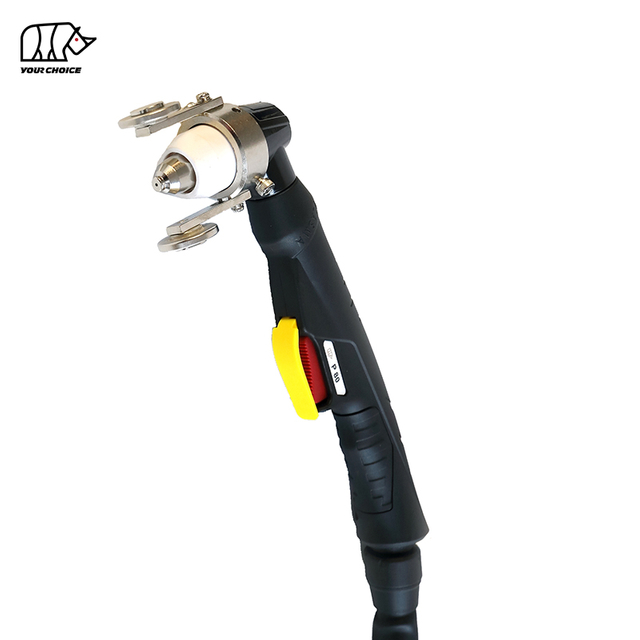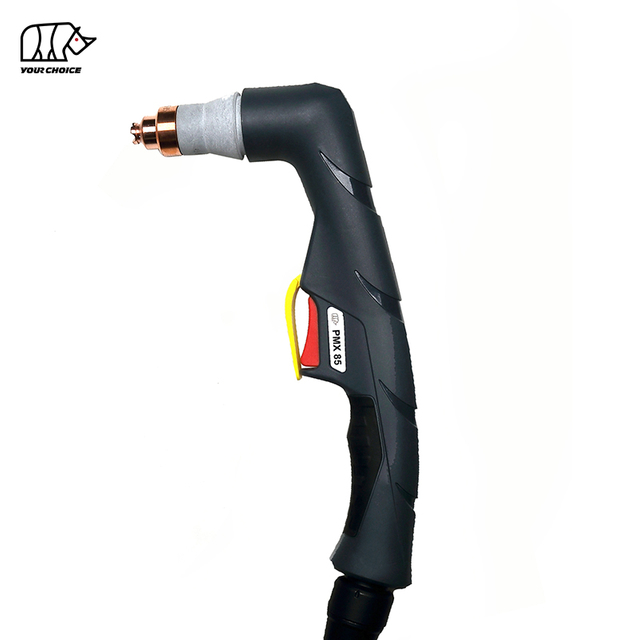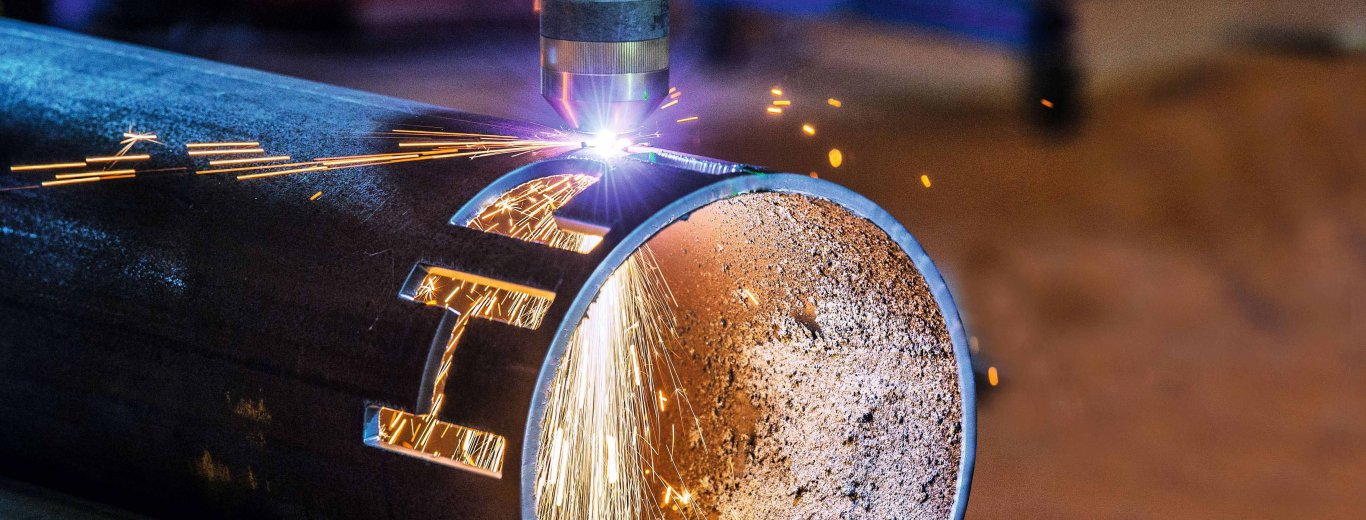
Plasma Cutting Torches for Manual and Mechanized Cutting Systems
INWELT provides plasma cutting torch solutions for both handheld and machine-mounted metal cutting applications.
The range covers compact torches for repair and workshop use, higher-capacity manual torch configurations, and straight machine torches for compatible CNC and mechanized plasma cutting systems.
Rather than selecting a torch only by appearance or advertised amperage, professional buyers should match the complete torch system to the plasma power source.
Important compatibility factors include:
Rated cutting current
Arc-starting method
Torch connector
Trigger and control wiring
Pilot-arc configuration
Plasma gas or compressed-air requirements
Cooling method
Cable length
Manual or machine-mounted operation
INWELT can help distributors, equipment manufacturers and industrial buyers confirm these requirements before ordering.
Explore the INWELT Plasma Cutting Torch Range
INWELT organizes its plasma torch portfolio into several product families for different power sources and cutting applications.
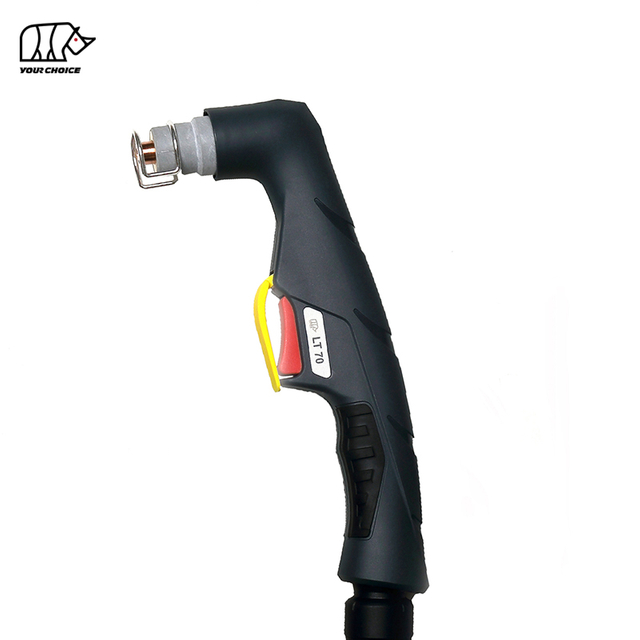
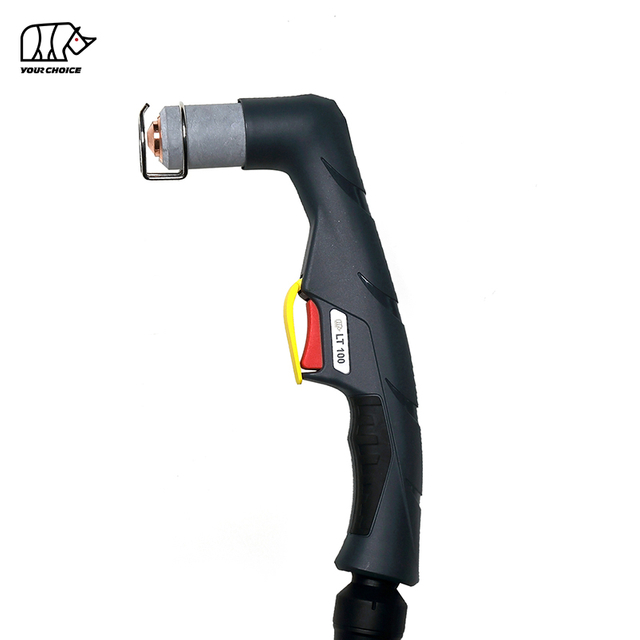
The LT Series includes manual and machine-oriented configurations for compatible plasma cutting equipment.
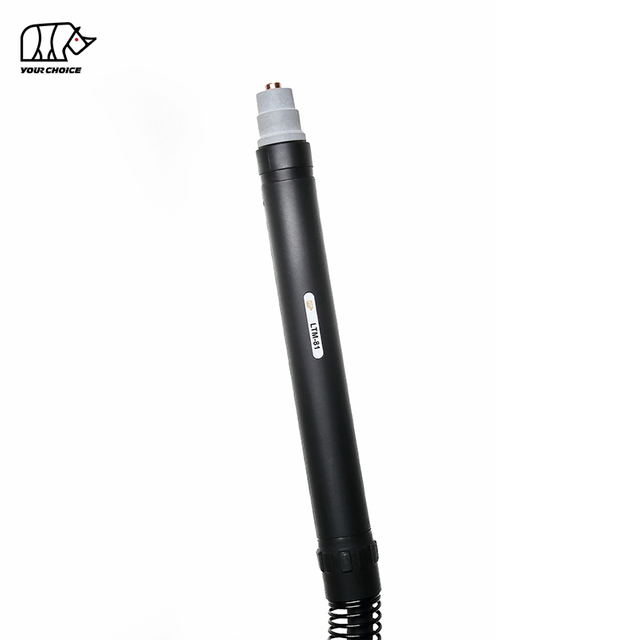
Current INWELT models include torch families such as LT50, LT70, LT100 and LTM machine-torch configurations.
Depending on model, these torches are designed around air-cooled operation and different current capacities.
The LT Series is suitable for buyers requiring:
Manual replacement torches
Mechanized torch configurations
Multiple amperage classes
Complete torch assemblies
Matching replacement consumables
Always check the individual LT model specification before selecting a torch.
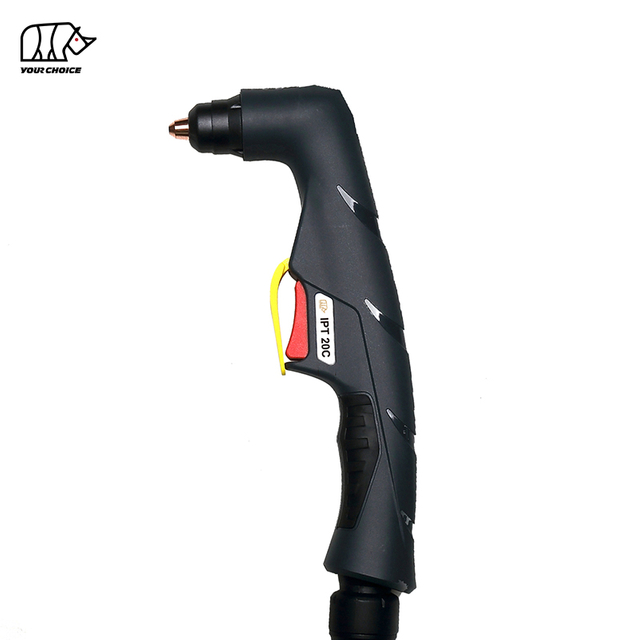
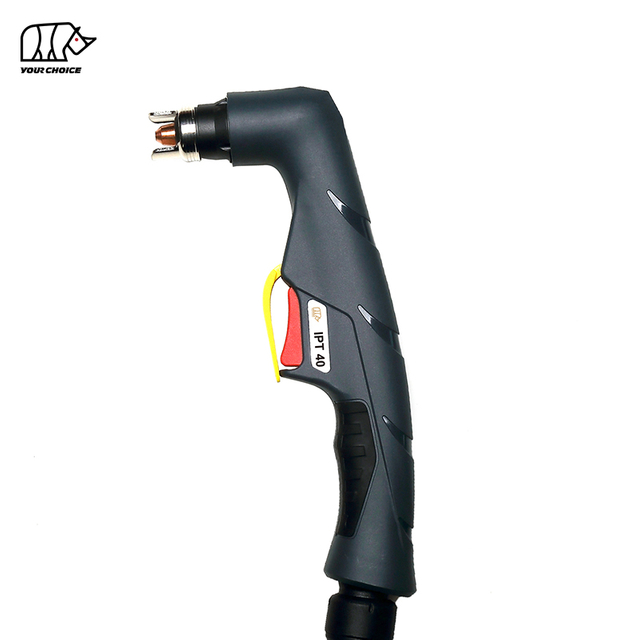
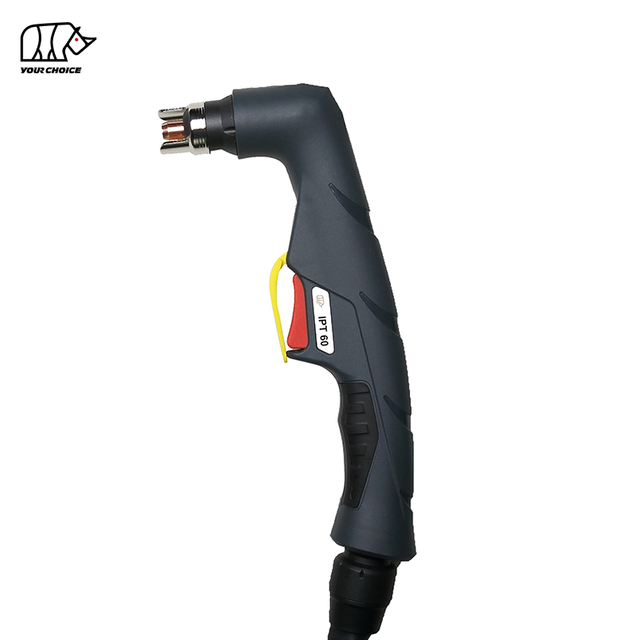
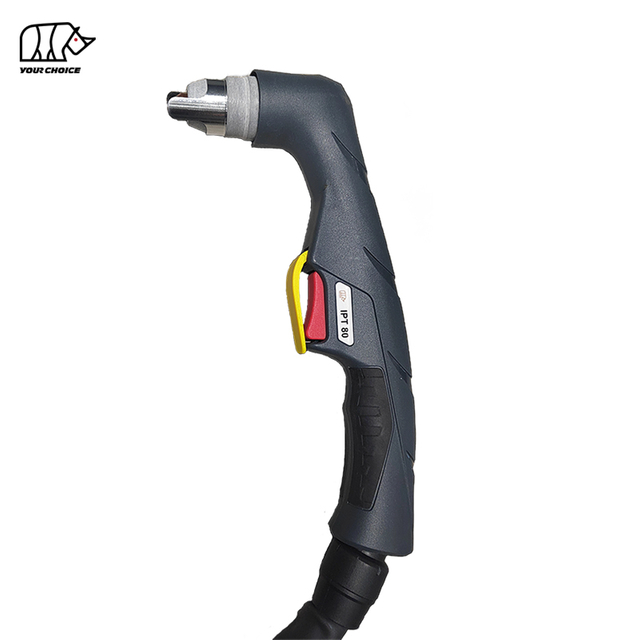
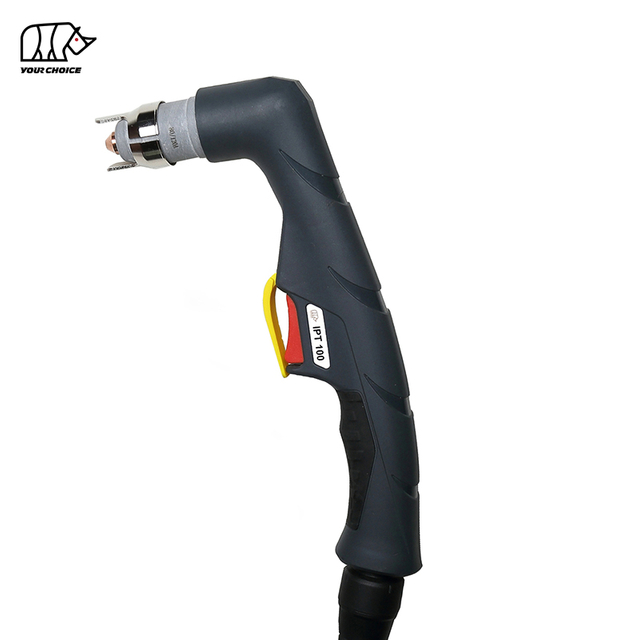
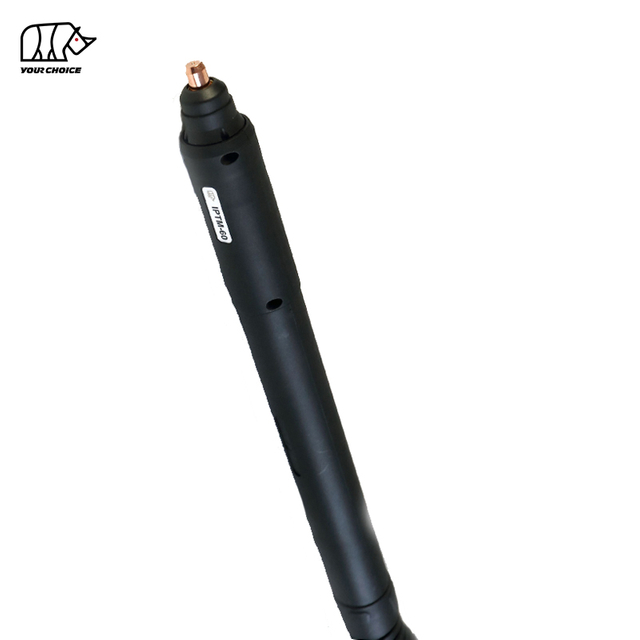
The PT/IPT range includes compact and medium-capacity plasma torch configurations for both manual and CNC cutting.
INWELT models include IPT20C, IPT40, IPT60, IPT100 and machine-torch versions such as IPTM60 and IPTM100.
This family is particularly useful when a buyer needs to specify:
Because several torch models may look similar, machine compatibility should always be verified before replacement.
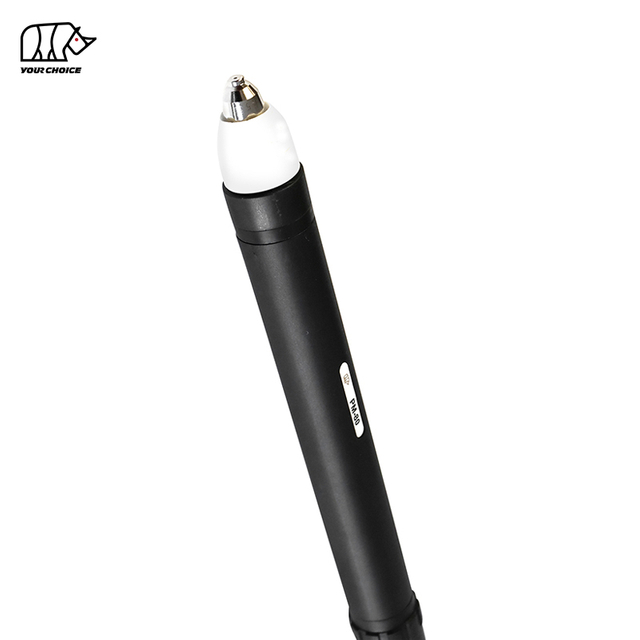
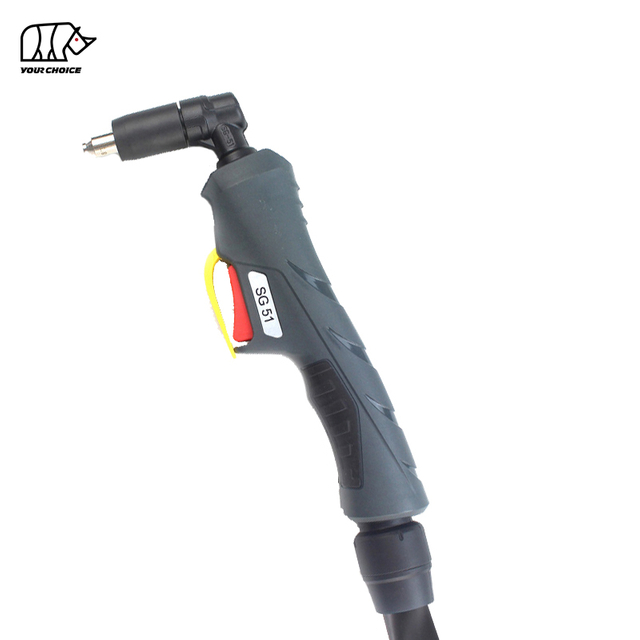
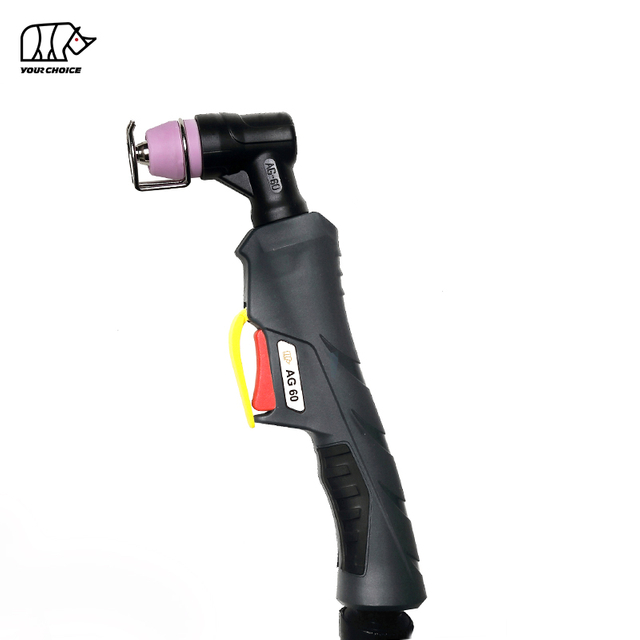
The PANA category includes familiar manual and machine plasma torch formats such as SG51, AG60, P80 and PM80 configurations.
These models cover different current classes and starting systems and are commonly used with compatible workshop and fabrication plasma cutters.
The PANA range is useful for:
Replacement torch assemblies
Common plasma consumables
Manual fabrication
Repair applications
Compatible machine cutting
Distributor aftermarket programs
Do not assume SG, AG and P80 configurations are interchangeable simply because they are used on similar-size plasma machines. Consumables, current rating, starting system and connections should be checked individually.
The PMX range includes manual and mechanized configurations covering models such as PMX45, PMX65, PMX85 and PMX105 together with corresponding PMX-M machine versions.
These torches are designed for compatible plasma cutting systems requiring a defined torch, consumable and connection platform.
PMX selection should be based on:
Matching power-source model
Cutting-current requirement
Manual or mechanized operation
Torch cable
Rear connection
Consumable configuration
For replacement applications, send INWELT the existing torch model and machine information before ordering.
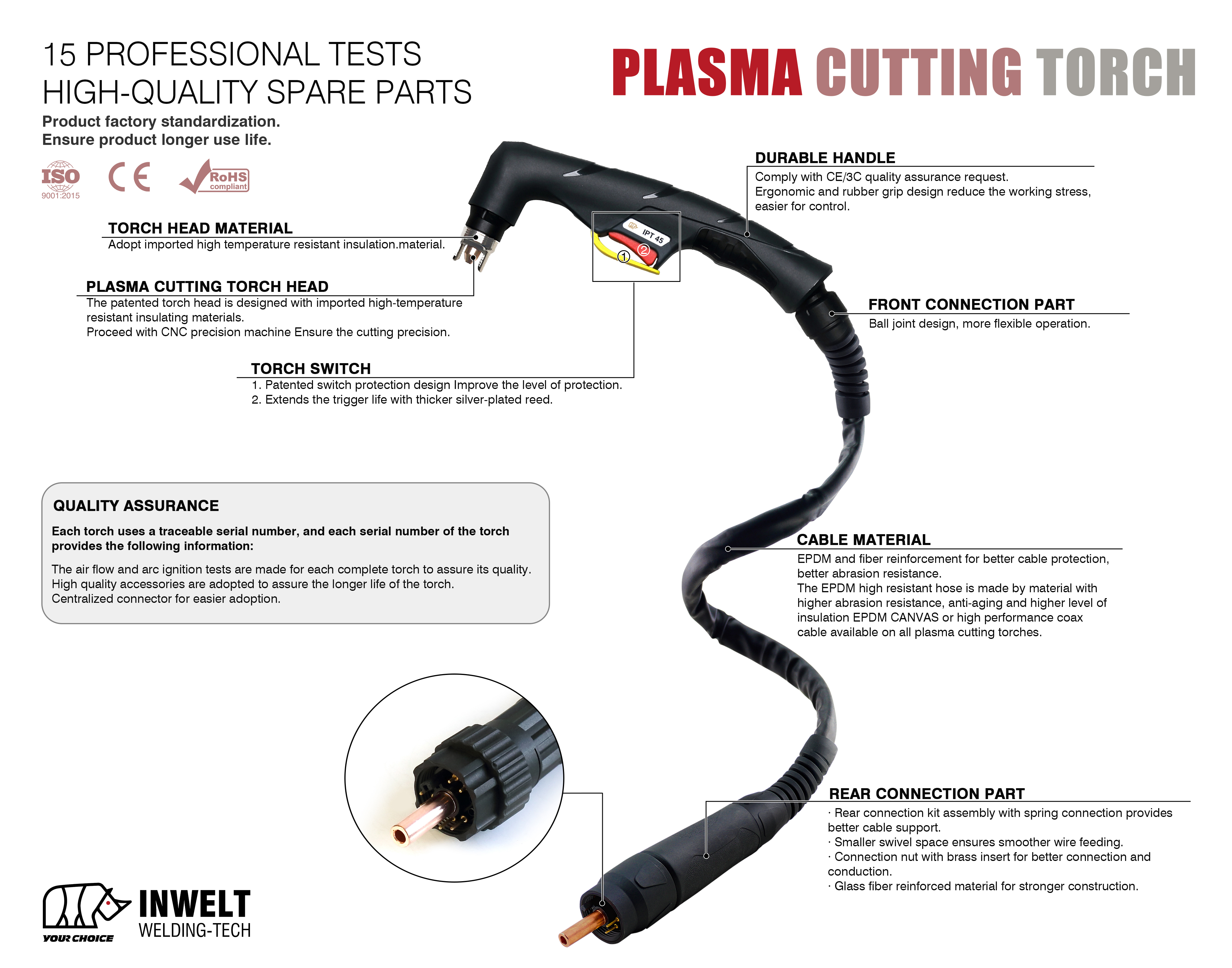
Manual vs. CNC Plasma Cutting Torches
Plasma torches can generally be divided into handheld and machine-mounted configurations.
Manual Plasma Cutting Torches
A manual torch uses an angled handle and operator trigger so the cutter can guide the torch directly across the workpiece.
Manual torches are commonly used for:
Their primary advantages are portability and operator flexibility.
Machine and CNC Plasma Cutting Torches
Machine torches normally use a straight torch body designed to be mounted on a compatible cutting table or mechanized carriage.
They can be used in applications such as:
CNC plasma tables
Straight-line cutting systems
Automated plate processing
Repetitive component cutting
Industrial fabrication cells
A machine torch must be matched not only to the plasma power source but also to the mounting dimensions, control interface and torch-height system where applicable.
A manual torch and machine torch may share some consumables within the same family, but this does not mean that the complete assemblies are interchangeable.
How to Choose the Right Plasma Cutting Torch
Selecting the correct torch is one of the most important steps when replacing or sourcing plasma cutting equipment.
Match the Rated Cutting Current
Start with the normal output range of the plasma cutter.
INWELT supplies torch families covering several current classes, but the torch rating must be appropriate for the power source.
Using a torch below the required current capacity can lead to excessive heat and premature component failure.
A higher-rated torch also does not automatically make a lower-output machine cut thicker material. Cutting capacity is determined by the complete plasma system.
Confirm the Arc-Starting Method
Plasma cutters can use different arc-starting technologies.
Depending on the torch family and machine, these may include:
These systems are not universally interchangeable.
Always verify the starting method before replacing an existing torch.
Check the Torch Connector
Different plasma power sources can use different connections even when their output current is similar.
Check:
For uncertain applications, send photographs of the existing connector together with the machine model.
Select the Correct Cable Length
Cable length should provide enough movement without unnecessary weight or pressure drop.
Common INWELT products use several cable lengths depending on model, including 4 m, 5 m, 6 m and longer configurations.
OEM cable lengths can also be evaluated for qualified projects.
Choose Manual or Machine Operation
Specify whether the torch will be held by an operator or installed on a CNC/mechanized cutting system.
This affects torch-body geometry, controls and mounting requirements.
Plasma Cutting Torch Compatibility: What Buyers Should Check
A replacement plasma torch should never be selected only because it “looks compatible.”
Before ordering, confirm the following information:
Plasma cutter brand and model:
This gives the supplier a starting point for identifying the original torch system.
Maximum and normal cutting current:
This helps determine the required torch capacity.
Starting technology:
HF and non-HF torch systems can require fundamentally different electrical and mechanical designs.
Rear connector:
Compare gas, power, control and pilot-arc connections.
Original torch model:
The old torch model is often the most useful compatibility reference.
Manual or mechanized configuration:
A CNC system may require a straight torch even where the consumables resemble those of a handheld version.
When compatibility is uncertain, INWELT recommends confirming the machine interface before placing a bulk order.
Plasma Cutting Torch Consumables and Replacement Parts
A complete plasma torch system contains several wear components that directly influence arc stability and cutting performance.
INWELT supplies complete torch assemblies together with related replacement components for many of its product families.
Electrodes
The electrode carries current inside the torch and is a normal wear component.
Electrode life depends on factors such as:
Replace electrodes according to actual wear rather than relying on a universal number of starts.
Cutting Tips and Nozzles
The nozzle constricts and directs the plasma jet.
Correct nozzle selection is important because different orifice sizes can be intended for different current ranges.
An enlarged or distorted nozzle can result in:
Poor edge quality
Wider kerf
Angled cuts
Difficult arc starting
Increased dross
Shields and Retaining Caps
Shielding and retaining components protect and correctly locate the torch consumables.
Cracked, damaged or incorrectly fitted components should be replaced before cutting.
Swirl Rings and Gas Components
Where used, swirl components control gas flow around the electrode and nozzle.
Damage or contamination can change plasma flow and affect arc quality.
Torch Heads, Handles and Cables
For maintenance and aftermarket supply, INWELT can also provide compatible torch heads, handles, switches, cable assemblies and connection components for selected models.
For distributors, ordering complete torch and consumable packages can simplify spare-parts inventory.
What Materials Can Plasma Cutting Torches Cut?
Plasma cutting is designed for electrically conductive materials.
Depending on the plasma system and operating parameters, common materials include:
The torch alone does not determine maximum material thickness.
Practical cutting capacity depends on the plasma power source, current, material, air or gas supply, consumables, torch height and travel speed.
For accurate thickness recommendations, use the cutting and severance specifications of the complete plasma system.
Plasma Cutting Torch Cooling and Gas Requirements
Different torch models use different cooling and process-gas configurations.
Many INWELT manual plasma torches use compressed air or Air/N₂ according to model.
Always check the individual product specification for:
Required pressure
Required gas flow
Cooling method
Post-flow requirement
Recommended gas type
Why Clean, Dry Compressed Air Matters
Contaminated compressed air can reduce cutting consistency and consumable life.
A suitable compressed-air system should help remove:
Pressure should be checked while gas is flowing because restrictions in hoses, regulators and filters can reduce operating pressure at the torch.
Plasma Cutting Applications
INWELT plasma torch products are intended for professional metal-cutting environments including:
The best torch for an application depends more on cutting current, machine design and operating conditions than on industry name alone.
Plasma Cutting Torches for Distributors and Equipment Manufacturers
INWELT supplies plasma cutting products for B2B purchasing programs.
Typical customers include:
Plasma cutter manufacturers
Welding and cutting equipment brands
Industrial equipment distributors
Importers
Wholesalers
Repair suppliers
Consumable distributors
CNC equipment integrators
Private-label brands
Customers can source individual torch models or develop a broader product range covering multiple current classes and consumable families.
OEM and Private-Label Plasma Torch Manufacturing
INWELT can evaluate customized plasma torch projects for equipment manufacturers, distributors and welding brands.
OEM and ODM options may include:
Technical customization should begin with the plasma cutter interface rather than appearance alone.
For new OEM projects, provide the power-source specification, target current, arc-starting system, connector drawing or sample and expected order quantity.
Quality Control for Plasma Torch Production
Plasma torch quality depends on the interaction of conductive components, insulating materials, gas flow, connectors and consumables.
Depending on the torch configuration, production inspection can include checks of:
Component dimensions
Cable assembly
Electrical continuity
Insulation
Gas or air flow
Connector installation
Switch operation
Consumable fit
Final assembly
Frequently Asked Questions About Plasma Cutting Torches
What is a plasma cutting torch?
A plasma cutting torch is the part of a plasma cutting system that carries electrical current and process gas to create and direct a concentrated plasma arc toward an electrically conductive workpiece.
The torch works together with a compatible plasma power source, gas supply, consumables and work connection.
How do I know which plasma torch fits my machine?
Check the plasma cutter model, output current, original torch model, starting method, rear connector, trigger wiring and pilot-arc connection.
If the torch model is unknown, send clear photographs of the existing torch and connectors for technical confirmation.
Are all 40A, 60A or 80A plasma torches interchangeable?
No.
Two torches can have the same current rating while using different connectors, starting methods, consumables and control circuits.
Amperage is only one compatibility factor.
What is the difference between an HF and non-HF plasma torch?
An HF torch works with a plasma system using high-frequency energy as part of the arc-starting process.
A non-HF system uses another starting mechanism, often designed to reduce reliance on a high-frequency starting circuit.
The correct torch must match the starting technology of the plasma cutter.
What is the difference between a manual and CNC plasma torch?
A manual torch is designed to be held and guided by an operator.
A CNC or machine torch normally has a straight body designed for fixed mounting in compatible mechanized equipment.
Machine installations also require consideration of mounting dimensions and control interfaces.
What consumables normally need replacement?
Common wear parts include:
Replacement frequency depends on operating conditions rather than a fixed universal interval.
Can one plasma torch cut steel, stainless steel and aluminum?
Plasma cutting can be used on these electrically conductive metals when the complete cutting system is correctly configured.
Cutting performance depends on power-source output, gas, consumables, material thickness and operating parameters.
Does INWELT offer custom plasma torch connectors?
Connector customization can be evaluated for OEM and qualified B2B projects.
Provide the existing connector sample, drawing, machine model or interface specification for confirmation.
Can INWELT supply torch consumables together with complete torches?
Yes.
Matching electrodes, nozzles, shields and other replacement components are available for many INWELT plasma torch families, allowing distributors to source complete torch and aftermarket consumable programs from one supplier.
Does INWELT offer private-label plasma cutting torches?
OEM/ODM and private-label configurations are available for qualified B2B customers.
Branding, packaging, cables, connectors and consumable kits can be evaluated according to project requirements.
Request a Plasma Cutting Torch Quote
Looking for a replacement torch, complete product range, CNC torch, consumables or OEM plasma torch manufacturing partner?
To help INWELT identify the correct configuration, provide:
Plasma cutter brand and model
Original torch model
Cutting-current range
Starting method
Manual or CNC application
Connector photographs or drawing
Required cable length
Consumable requirements
Estimated quantity
INWELT or private-label branding requirement
Contact INWELT for compatibility confirmation, samples, OEM development and wholesale quotations.
 English
 简体中文
简体中文 العربية
 Français
 Русский
 Español
 Português
 Deutsch
 italiano
 日本語
日本語 한국어
한국어 Nederlands
 Tiếng Việt
 ไทย
ไทย Polski
 Türkçe
 ភាសាខ្មែរ
 Bahasa Melayu
 Filipino
 Bahasa Indonesia
 magyar
 Română
 Čeština
 Монгол
 қазақ
қазақ Српски
 हिन्दी
 فارسی
فارسی Slovenčina
 Slovenščina
 Norsk
Norsk Svenska
 українська
 Ελληνικά
 Suomi
Suomi Latine
 Dansk
Dansk বাংলা
বাংলা Hrvatski
 Afrikaans
 Gaeilge
 Eesti keel
 नेपाली
 Oʻzbekcha
 latviešu
 Azərbaycan dili
 Беларуская мова
 Bosanski
 Български
 ქართული
 Lietuvių