WT20 2% Thoriated Tungsten Electrode – Red Tip for DC TIG Welding
Share to:
INWELT WT20 tungsten electrodes are red-tip, 2% thoriated electrodes primarily designed for DC TIG welding. The catalog covers 26 diameter-and-length combinations, including 150 mm, 175 mm and 178 mm rods, with diameters ranging from 1.0 mm to 6.4 mm depending on length. WT20 electrodes are commonly used for TIG welding of stainless steel, carbon steel, nickel alloys and titanium alloys. The catalog includes individual reference codes for accurate specification matching. INWELT welcomes wholesale, industrial procurement and OEM packaging inquiries, subject to specification, documentation and destination-market compliance confirmation.
INWELT WT20 Tungsten Electrodes | Red Tip | EWTh-2 | Wholesale & Bulk Supply
The INWELT WT20 tungsten electrode is a red-tip, 2% thoriated tungsten electrode primarily used for direct-current (DC) TIG welding. With reliable arc starting, stable arc characteristics and good pointed-tip retention under suitable welding conditions, WT20 is widely selected for stainless steel, carbon steel, nickel alloy and titanium welding applications.
The WT20 catalog range includes 26 diameter-and-length combinations, covering electrode lengths of 150 mm, 175 mm and 178 mm, with diameters from 1.0 mm to 6.4 mm depending on the selected length.
INWELT welcomes inquiries from professional welding consumable distributors, industrial buyers, importers and OEM customers.
What Is a WT20 Tungsten Electrode?
WT20 is a tungsten electrode containing nominally 2% thorium oxide (ThO₂). It is identified by a red color marking and is commonly classified as EWTh-2 under AWS A5.12 and WT20 under ISO 6848.
The addition of thorium oxide improves electron emission characteristics, helping the electrode maintain a stable arc during DC TIG welding.
In the TIG or GTAW process, the tungsten electrode carries welding current and sustains the arc. Unlike a filler rod, it is intended to remain substantially non-consumable during normal operation.
What Does WT20 Mean?
W: Tungsten electrode
T: Thoriated electrode type
20: Nominal 2% thorium oxide content
Red Tip: Identification color for the WT20 classification
The chemical values above describe the WT20 classification. Product-specific conformity, inspection certificates, packing units and availability must be confirmed for the supplied batch.
WT20 Tungsten Electrode Sizes
The WT20 product range provides multiple electrode diameters and lengths to meet different industrial TIG welding requirements.
WT20 Tungsten Electrode Diameter Options
Catalog diameters include:
1.0 mm, 1.6 mm, 2.0 mm, 2.4 mm, 3.0 mm, 3.2 mm, 4.0 mm, 4.8 mm and 6.4 mm.
The 6.4 mm option is catalog-listed for 175 mm and 178 mm lengths, but not for 150 mm.
How to Choose the Correct WT20 Electrode Length
WT20 electrodes are catalog-listed in three lengths:
150 mm: A shorter electrode option for applications where the specific torch assembly and usable electrode length make it suitable.
175 mm: A commonly used TIG electrode length for industrial welding applications.
178 mm: An additional catalog option for customers requiring this length or matching an existing procurement specification.
Always confirm the torch back-cap configuration, usable electrode length and welding procedure before selecting an electrode.
Key Features and Benefits of WT20 Red Tungsten Electrodes
Reliable DC TIG Arc Starting
WT20 is commonly selected for consistent arc starting and stable DC welding performance.
The thoriated composition supports favorable electron emission characteristics when used with suitable welding equipment and correct electrode preparation.
Stable and Focused Welding Arc
A properly prepared WT20 electrode helps maintain a controlled arc during DC TIG welding.
This is useful for industrial fabrication processes requiring repeatable welding conditions and precision.
Good Electrode Tip Retention
WT20 electrodes can maintain a pointed or truncated tip profile under appropriate operating conditions.
The correct electrode diameter, grinding angle and welding current are essential to avoid premature tip deterioration.
Multiple Diameter and Length Options
The catalog-listed WT20 range contains 26 size combinations, allowing buyers to select electrodes based on equipment requirements and established purchasing specifications.
Suitable for Industrial Welding Consumable Procurement
The standardized WT20 identification, red color marking and structured product codes help purchasing teams and distributors distinguish different electrode specifications.
For repeat purchasing, customers can specify the electrode type, diameter, length and reference code.
What Materials Can WT20 Tungsten Electrodes Weld?
WT20 is primarily used with DC TIG welding equipment on compatible metals.
WT20 for Stainless Steel TIG Welding
WT20 tungsten electrodes are commonly used for stainless steel TIG welding.
Typical applications include:
Stainless steel pipe welding
Stainless steel tube fabrication
Industrial stainless steel components
Process equipment manufacturing
Precision fabricated assemblies
Stable arc performance depends on correct shielding gas, electrode preparation and welding parameters.
WT20 for Carbon Steel TIG Welding
WT20 is suitable for various carbon steel DC TIG welding applications.
Examples include steel tube joints, equipment components, fabricated structures and industrial repair work.
WT20 for Nickel Alloy TIG Welding
WT20 electrodes may be selected for nickel alloy TIG welding when specified by an appropriate welding procedure.
Correct filler metal, shielding gas and thermal controls are important for achieving the required weld quality.
WT20 for Titanium TIG Welding
WT20 can be used for suitable DC TIG welding of titanium alloys.
Titanium welding requires particularly careful shielding to prevent contamination of the heated metal and weld area.
Can WT20 Tungsten Be Used for Aluminum Welding?
WT20 is primarily intended for DC TIG welding. For conventional AC TIG welding of aluminum and magnesium, many operators prefer other tungsten types, such as 2% lanthanated or zirconiated electrodes.
The correct electrode should be chosen according to the AC power source, material and welding procedure.
How to Choose the Right WT20 Tungsten Electrode Diameter
Selecting an appropriate electrode diameter helps maintain stable welding performance and reduces the risk of tip overheating or excessive electrode wear.
Diameter
Typical Selection Considerations
1.0 mm
Fine electrode preparation and lower-current precision work
1.6 mm
Precision and lower-to-medium-current DC TIG welding
2.0 mm
Intermediate electrode sizing
2.4 mm
General industrial TIG welding applications
3.0 mm
Applications requiring a 3.0 mm electrode specification
3.2 mm
Higher-current DC TIG welding
4.0 mm
Higher-current work with a compatible torch
4.8 mm
Specialized higher-current torch configurations
6.4 mm
Specialized industrial welding equipment
These are general selection considerations, not guaranteed welding-current ratings.
The appropriate current range depends on polarity, electrode tip geometry, shielding gas, welding machine and other operating conditions.
WT20 Tungsten Electrode Compatibility with TIG Torches
WT20 electrodes are compatible with TIG welding systems that support the selected tungsten diameter and operating requirements.
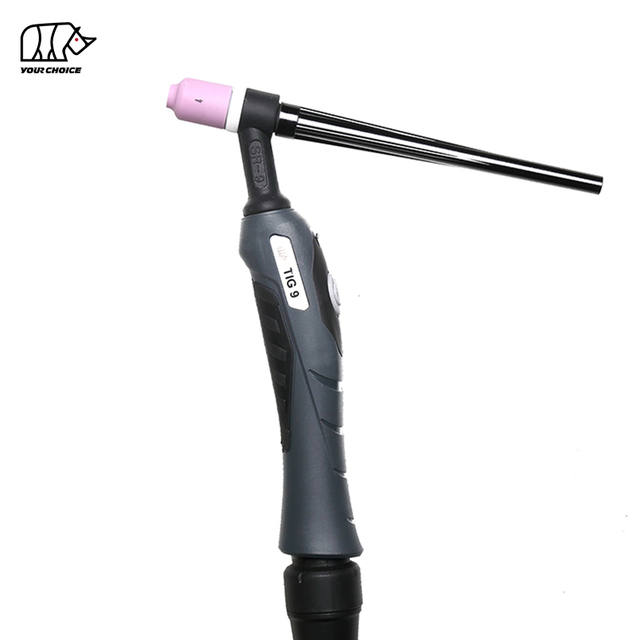
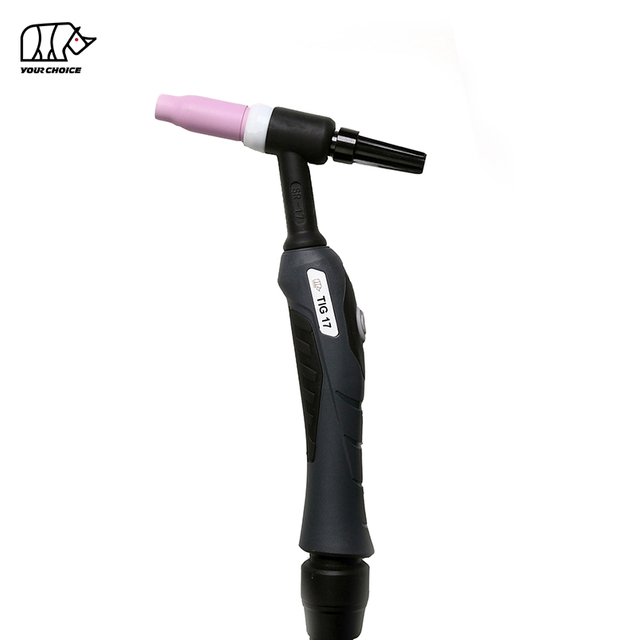
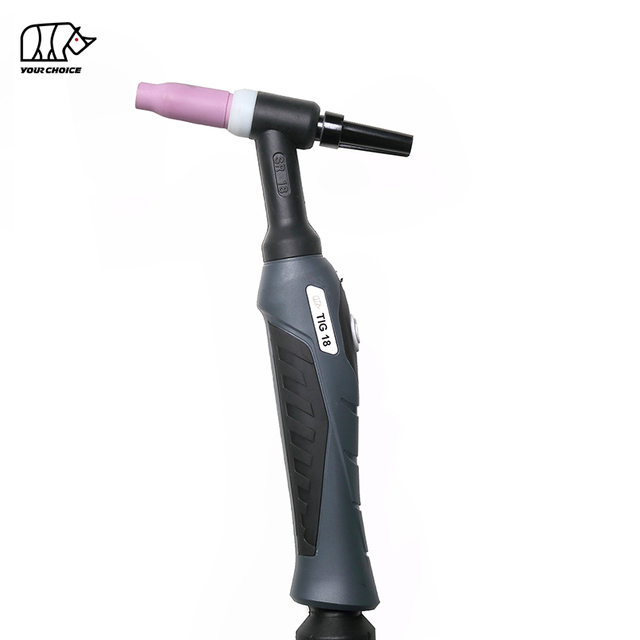
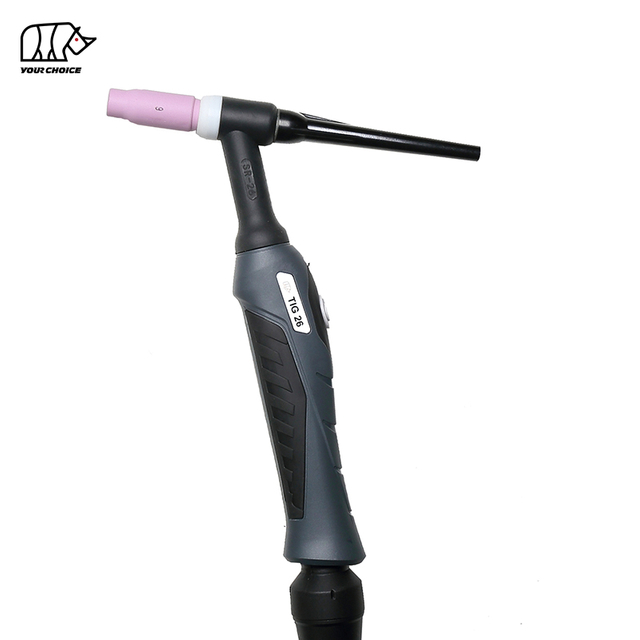
They may be used with suitable WP-series TIG torch configurations, including selected WP9, WP17, WP18 and WP26 torch assemblies.
Matching Tungsten Diameter to TIG Collets
The tungsten diameter must match the correct collet and compatible collet body or gas lens.
For example, a 2.4 mm electrode generally requires a corresponding 2.4 mm tungsten-holding assembly.
Changing electrode diameter without checking the collet can result in poor clamping, electrode movement or incorrect assembly.
Checking TIG Torch Current Capacity
Before using larger electrodes such as 4.0 mm, 4.8 mm or 6.4 mm, confirm that the torch, power source and welding procedure support the intended operating current.
An electrode's presence in the product catalog does not mean that it is suitable for every TIG torch.
Choosing the Correct Back Cap
Electrode length and tungsten projection should be considered when selecting a TIG torch back cap.
For work in restricted spaces, the torch may require a different electrode length or back-cap arrangement.
Always verify the actual torch configuration before purchasing replacement electrodes.
WT20 vs. Other Tungsten Electrode Types
The INWELT tungsten electrode catalog includes several electrode classifications for different welding requirements.
Type
Tip Color
Principal Additive
Typical Selection
WT20
Red
2% Thorium Oxide
DC TIG welding
WT10
Yellow
1% Thorium Oxide
Selected DC TIG applications
WL20
Blue
2% Lanthanum Oxide
Versatile AC/DC TIG welding
WL15
Gold
1.5% Lanthanum Oxide
AC/DC TIG welding
WL10
Black
1% Lanthanum Oxide
Selected TIG applications
WC20
Gray
2% Cerium Oxide
Precision and lower-current TIG welding
WZ8
White
0.8% Zirconium Oxide
AC TIG welding, including aluminum
WP
Green
No Intentional Oxide Additive
Pure tungsten applications
Important: WT20 and WT10 contain radioactive thorium. WL20, WL15, WL10, WC20 and WZ8 are thorium-free classifications.
WT20 vs. WL20 Tungsten Electrodes
WT20 is a 2% thoriated tungsten electrode, identified by a red tip and primarily selected for DC TIG welding.
WL20 contains approximately 2% lanthanum oxide and is identified by a blue tip.
WL20 is a thorium-free alternative suitable for many AC and DC TIG applications.
WT20 vs. WC20 Tungsten Electrodes
WT20 is commonly selected for general DC TIG welding.
WC20 contains approximately 2% cerium oxide and is often selected for precision and lower-current welding applications.
WC20 is a thorium-free alternative.
WT20 vs. WT10 Tungsten Electrodes
WT20 contains nominally 2% thorium oxide and has a red identification tip.
WT10 contains nominally 1% thorium oxide and is identified by a yellow tip.
Both contain radioactive thorium, but their oxide compositions and operating characteristics differ.
How to Prepare and Maintain WT20 Tungsten Electrodes
Proper electrode preparation helps support consistent arc behavior and reduces unnecessary contamination.
Select the Correct Grinding Method
For DC TIG applications, WT20 is commonly prepared using a pointed or truncated tip.
Grinding marks should generally run lengthwise along the electrode rather than around its circumference.
Use dedicated equipment and appropriate controls to prevent cross-contamination.
Avoid Tungsten Contamination
If the electrode contacts the weld pool or filler metal, inspect it before continuing to weld.
Contaminated electrode tips may cause unstable arc performance or defects in the welding process.
Inspect Electrodes Before Use
Check for:
Damaged or contaminated tips
Cracks or visible defects
Incorrect electrode diameter
Incorrect electrode type
Excessive erosion
Damaged color identification
Use Appropriate Grinding Dust Controls
WT20 contains thorium oxide. Grinding can generate radioactive dust, so suitable dust extraction, ventilation and safe handling procedures are essential.
WT20 Thoriated Tungsten Electrode Safety Information
The principal concern in normal electrode preparation is the potential inhalation or ingestion of radioactive dust generated during grinding.
Users should follow the applicable Safety Data Sheet (SDS), occupational safety requirements and local regulations.
Recommended precautions include:
Use an effective dust collection system during grinding.
Avoid inhaling or ingesting tungsten grinding dust.
Provide appropriate ventilation and exposure controls.
Follow approved workplace hygiene and PPE procedures.
Collect and dispose of grinding dust properly.
Follow applicable storage, transport, labeling and disposal requirements.
Consider thorium-free electrode alternatives where appropriate.
For purchasing and distribution, verify the applicable requirements in the destination market before shipping thoriated tungsten electrodes.
Safety Reference: American Welding Society, Safety and Health Fact Sheet No. 27 – Thoriated Tungsten Electrodes.
WT20 Tungsten Electrodes for Wholesale and Industrial Buyers
INWELT provides a professional inquiry channel for customers sourcing WT20 tungsten electrodes and related TIG welding consumables.
The WT20 product range may be relevant to:
Welding equipment importers
Welding consumable distributors
Industrial supply wholesalers
TIG welding accessory suppliers
Welding equipment brands
OEM and private-label buyers
Industrial fabrication companies
Maintenance and repair suppliers
WT20 Tungsten Electrode Bulk Purchasing
For wholesale orders, buyers can specify the required WT20 electrode classification, diameter, length and quantity.
The catalog product code chart can help identify the exact size combination and simplify communication during the quotation process.
OEM and Private-Label Tungsten Electrode Supply
INWELT welcomes requests to evaluate private-label and distributor packaging requirements.
Possible project requirements include:
Customer-brand packaging
Product classification labels
Size-specific labeling
Distributor part numbers
Barcode labels
Bulk packaging
Customized packaging artwork
All packaging and OEM requirements are subject to project feasibility and confirmation.
Product Identification and Technical Documentation
For industrial and wholesale orders, buyers should confirm any required:
Product specifications
Batch identification
Chemical composition records
Dimensional inspection records
Safety Data Sheet
Applicable material or conformity documentation
Destination-market regulatory documentation
Documentation availability and any specific certification requirements should be agreed before an order is confirmed.
Frequently Asked Questions About WT20 Tungsten Electrodes
What is WT20 tungsten used for?
WT20 is primarily used for DC TIG welding of stainless steel, carbon steel, nickel alloys, titanium alloys and other compatible materials.
Is WT20 the same as EWTh-2?
WT20 is the ISO electrode classification designation, while EWTh-2 is the corresponding AWS designation for 2% thoriated tungsten.
Why does WT20 tungsten have a red tip?
The red tip identifies the 2% thoriated tungsten classification and helps distinguish it from other tungsten electrode types.
What diameters are listed for WT20 tungsten electrodes?
The catalog lists 1.0, 1.6, 2.0, 2.4, 3.0, 3.2, 4.0, 4.8 and 6.4 mm, depending on electrode length.
What lengths are available for WT20 tungsten electrodes?
The supplied catalog lists 150 mm, 175 mm and 178 mm. The 150 mm range has eight listed diameters, while the 175 mm and 178 mm ranges each have nine.
Is WT20 tungsten suitable for stainless steel?
Yes. WT20 is commonly selected for DC TIG welding of stainless steel when appropriate welding parameters and electrode preparation are used.
What is the difference between WT20 and WL20?
WT20 contains approximately 2% thorium oxide and has a red tip. WL20 contains approximately 2% lanthanum oxide and has a blue tip. WL20 is a thorium-free alternative used in many AC and DC TIG welding applications.
Is WT20 tungsten radioactive?
Yes. WT20 contains thorium oxide. Special care is required when grinding electrodes because the dust can create internal exposure risks if inhaled or ingested.
Can WT20 be used with WP17 and WP26 TIG torches?
WT20 can be used with compatible TIG torch assemblies when the electrode diameter, collet, operating current and back-cap configuration are appropriate.
How are WT20 tungsten electrodes packaged?
The product catalog lists a Pack value of 10 for all WT20 size combinations. Buyers should confirm the packing unit, container type and final packaging configuration when ordering.
How can I order WT20 tungsten electrodes in bulk?
Contact INWELT with the required diameter, length, catalog reference code, quantity, destination and packaging requirements. The sales team can evaluate product availability and purchasing requirements.
Request a Bulk Quote for WT20 Tungsten Electrodes
Looking for red WT20 tungsten electrodes for your welding consumable distribution business or industrial supply project?
INWELT welcomes professional inquiries for WT20 tungsten electrodes and other TIG torch consumables.
To help us prepare an accurate quotation, please provide:
Electrode Type: WT20 / EWTh-2
Diameter: 1.0–6.4 mm, as applicable
Length: 150 / 175 / 178 mm
Catalog Reference Code: If available
Required Quantity: Number of packs or electrodes
Packing Requirements: Standard or customized packaging
Destination Country: For delivery and compliance evaluation
Documentation Requirements: If applicable
Contact INWELT to discuss WT20 tungsten electrode specifications, bulk purchasing requirements and OEM packaging options.
This website uses cookies and similar technologies (“cookies”). Subject to your consent, will use analytical cookies to track which content interests you, and marketing cookies to display interest-based advertising. We use third-party providers for these measures, who may also use the data for their own purposes.
You give your consent by clicking "Accept all" or by applying your individual settings. Your data may then also be processed in third countries outside the EU, such as the US, which do not have a corresponding level of data protection and where, in particular, access by local authorities may not be effectively prevented. You can revoke your consent with immediate effect at any time. If you click on "Reject all", only strictly necessary cookies will be used.
 English
 简体中文
 العربية
 Français
 Русский
 Español
 Português
 Deutsch
 italiano
 日本語
 한국어
 Nederlands
 Tiếng Việt
 ไทย
 Polski
 Türkçe
 ភាសាខ្មែរ
 Bahasa Melayu
 Filipino
 Bahasa Indonesia
 magyar
 Română
 Čeština
 Монгол
 қазақ
 Српски
 हिन्दी
 فارسی
 Slovenčina
 Slovenščina
 Norsk
 Svenska
 українська
 Ελληνικά
 Suomi
 Latine
 Dansk
 বাংলা
 Hrvatski
 Afrikaans
 Gaeilge
 Eesti keel
 नेपाली
 Oʻzbekcha
 latviešu
 Azərbaycan dili
 Беларуская мова
 Bosanski
 Български
 ქართული
 Lietuvių