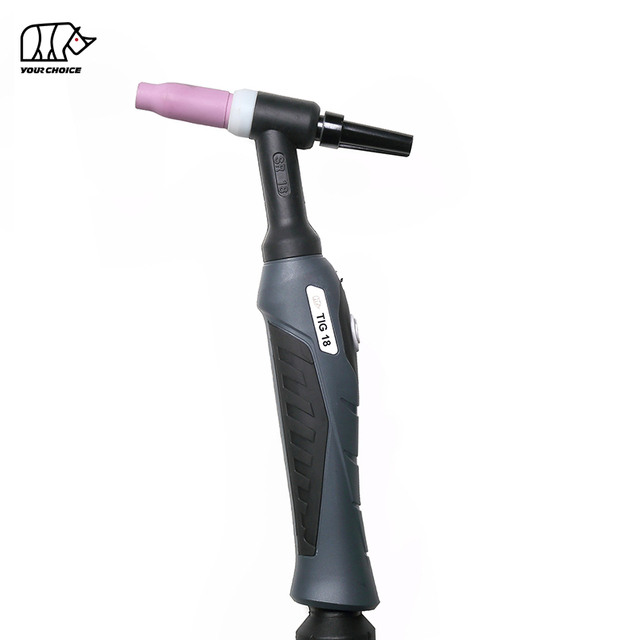
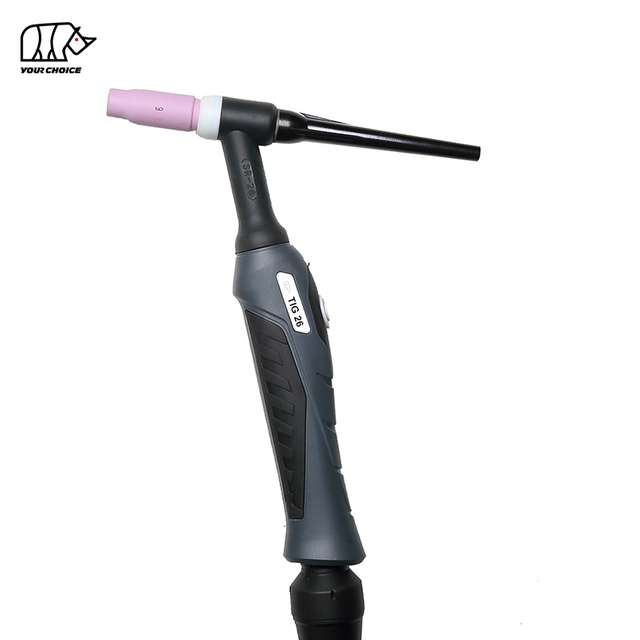
The industrial world is undergoing a profound transformation, driven by an urgent need for sustainability. Beyond regulatory pressures and corporate social responsibility, a genuine shift towards circular economy principles is reshaping manufacturing from the ground up. In the realm of Tungsten Inert Gas (TIG) welding, this evolution is no longer a niche concern but a central driver of innovation. The modern TIG torch, a precision instrument long valued for its control and quality, is being re-engineered for a new era. The focus has decisively moved from a purely performance-centric model to a holistic one that prioritizes Durability, Repairability, and a Reduced Environmental Footprint. This article explores how leading manufacturers and forward-thinking distributors are responding to this shift, creating products that are not only better for the planet but also offer superior long-term value for welders and businesses alike. The sustainable arc is no longer a concept; it is the future of welding, burning brighter and cleaner than ever before.
I. The Pillars of Sustainable TIG Torch Design
Sustainable design in industrial tools is not about a single feature but a foundational philosophy. For TIG torches, this philosophy rests on three interdependent pillars that work together to extend product life, conserve resources, and minimize waste throughout the equipment’s entire lifecycle.
1.1. Durability as the First Line of Defense
The most sustainable product is the one that does not need to be replaced. Durability is the primary weapon against the throwaway culture that plagues many industries. In TIG torches, this translates to:
Engineered Longevity: Utilizing high-grade materials that resist the extreme thermal cycling, abrasion, and chemical exposure inherent in welding environments.
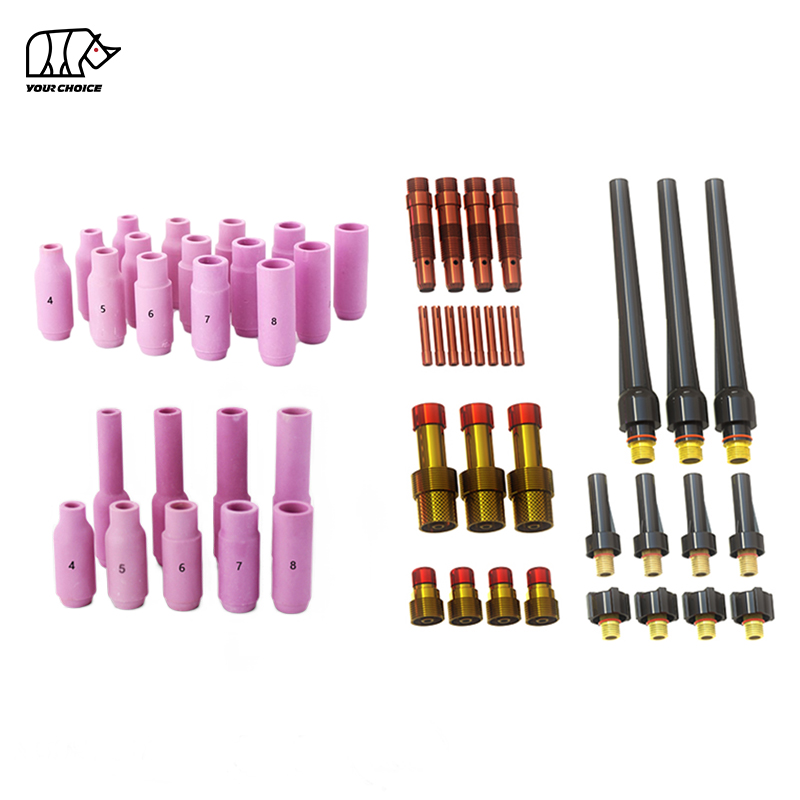
Robust Component Design: Critical wear parts, such as collet bodies and gas diffusers, are machined from superior copper alloys to maximize heat dissipation and electrical conductivity, preventing premature failure.
Enhanced Cable and Hose Construction: Moving beyond standard rubber to advanced compounds like silicone or hybrid polymers that offer exceptional flexibility, kink resistance, and tolerance to high temperatures and oils, thereby preventing the most common point of failure.
1.2. Repairability and the "Right to Repair" Movement
When a component fails, the sustainable solution is repair, not replacement. The rise of the "Right to Repair" movement has resonated powerfully in industrial sectors, pushing manufacturers to design for disassembly.
Modular Architecture: Modern sustainable torches are designed as a system of interchangeable modules—handle, cable, head, and front-end components. A cracked handle or damaged cable no longer dooms the entire unit.
Availability of Individual Parts: A comprehensive and readily available spare parts ecosystem is crucial. Distributors and end-users must be able to source individual O-rings, valves, power cables, and insulator caps easily.
Tool-Free or Simple Service Procedures: Enabling field maintenance with common tools empowers users to perform quick repairs, minimizing downtime and reducing the carbon footprint associated with shipping entire units back to a service center.
1.3. Quantifying the Environmental Footprint Reduction
The environmental impact of a TIG torch is measured across its entire lifecycle: raw material extraction, manufacturing, shipping, use, and end-of-life.
Material Selection: Increasing use of recycled metals in cast and machined parts, and bio-based or recyclable polymers for handles and housings.
Manufacturing Efficiency: Implementing lean manufacturing and renewable energy in production facilities to reduce the embedded carbon in each torch.
Use-Phase Efficiency: Designs that optimize shielding gas flow and electrical efficiency directly reduce the ongoing operational resource consumption (argon, electricity) which constitutes the largest portion of a welding system’s lifetime environmental impact.
End-of-Life Strategy: Designing for disassembly facilitates recycling. Clear material markings allow for proper sorting, ensuring metals and plastics can re-enter the production stream.
II. Innovations Driving the Sustainable Torch Revolution
Turning philosophy into practice requires tangible innovation. Across the supply chain, from material scientists to design engineers, breakthroughs are making sustainable torches a reality.
2.1. Advanced Material Science in Action
Next-Generation Composites: Development of fiber-reinforced composites for torch bodies that offer a superior strength-to-weight ratio and better heat resistance than traditional plastics, leading to lighter, more durable tools.
Long-Life Ceramics: Gas cups and insulators made from advanced ceramic compounds like alumina silicate that are highly resistant to thermal shock and spatter adhesion, drastically extending consumable life and reducing frequency of change-outs.
High-Performance Elastomers: Seals and gaskets made from perfluoroelastomer (FFKM) or other high-grade materials that withstand extreme temperatures and aggressive environments, preventing gas leaks and premature failure.
2.2. Design Engineering for Circularity
Standardized Interfaces: Adoption of industry-standard thread patterns and connection types ensures compatibility across brands and generations. This prevents obsolescence and allows users to mix and match components from their existing inventory, reducing waste.
Quick-Change Systems: Innovative bayonet or thread-lock systems for gas cups and collets that require no tools, encouraging proper maintenance and component replacement rather than rough handling that can damage the torch head.
Reinforced Strain Relief: A major focus area is the cable-to-handle and cable-to-connector junctions. Over-molded, mechanically locked strain relief systems are being implemented to absorb physical stress, the number one cause of cable failure.
2.3. Efficiency Optimization in Performance
Superior Gas Lens Technology: Once a premium option, high-quality gas lenses are becoming standard. They create a more laminar, protective gas shield, allowing welders to achieve excellent coverage at lower gas flow rates (reducing argon use by 20-30% or more) and enabling longer tungsten extension for better visibility and access.
Optimized Electrical Pathways: Precision machining of internal conductors and use of high-purity copper alloys minimize electrical resistance. This reduces energy loss as heat within the torch itself, delivering more power to the arc and improving overall system efficiency.
III. The Business Case: Why Distributors and Buyers are Demanding Sustainability
The shift towards sustainable TIG torches is not merely ideological; it is driven by a compelling and multifaceted business case that resonates from the workshop floor to the corporate boardroom.
3.1. Total Cost of Ownership (TCO) and Lifecycle Value
Savvy procurement managers and business owners now evaluate tools based on Total Cost of Ownership, not just purchase price. A sustainable torch excels in this analysis:
Lower Lifetime Cost: While the initial price may be marginally higher, the dramatically extended service life, reduced frequency of full replacements, and lower consumable usage lead to significant savings over 3-5 years.
Reduced Downtime: Modular, repairable design means minutes of repair instead of days waiting for a replacement. Maximizing equipment uptime is a direct contributor to profitability in job-shop and production environments.
Predictable Maintenance Budgets: Access to a spare parts kit and the ability to perform in-house repairs transform maintenance from an unpredictable capital expense into a manageable, low-cost operational one.
3.2. Meeting Corporate ESG and Supply Chain Mandates
Large-scale fabricators, OEMs, and engineering firms are under increasing pressure to meet Environmental, Social, and Governance (ESG) goals and to green their supply chains.
Compliance and Tender Requirements: Many large projects and government contracts now require suppliers to demonstrate sustainable practices. Using equipment designed with circular principles can be a key differentiator in winning bids.
Reporting and Audit Trails: Sustainable tooling contributes to a company’s own sustainability reporting, helping to reduce Scope 3 (indirect) emissions associated with purchased goods and capital equipment.
Brand Alignment and Market Positioning: Distributors and welding supply companies that champion sustainable products align themselves with the future of industry, attracting forward-thinking customers and enhancing their own brand reputation.
3.3. Responding to End-User Values and Operator Preference
The modern welder, particularly a new generation entering the workforce, is increasingly environmentally conscious. They also demand tools that make their job easier and safer.
Pride in Craft and Tool: Professionals prefer investing in high-quality, durable tools that reflect the quality of their own work. A torch that can last for years becomes a trusted partner.
Ergonomics and Reduced Waste: Lightweight, balanced designs born from material innovation reduce operator fatigue. Furthermore, welders appreciate designs that minimize the hassle and waste of constantly changing disposable parts.
The "Feel" of Quality: The tangible heft, solid connection, and reliable performance of a well-made, repairable torch create user loyalty that transcends price, reducing churn and building brand advocacy.
IV. Case Studies and The Path Forward
The theory of sustainable torch design is being proven daily on shop floors around the world.
4.1. The Future Horizon: Beyond the Torch
Sustainability will continue to drive innovation. The next frontiers include:
Digital Twins for Predictive Maintenance: Integrating sensor data with digital models of the torch to predict component failure before it happens, optimizing maintenance schedules, and preventing catastrophic failures that create waste.
Advanced Recycling Programs: Manufacturer-led take-back programs that ensure end-of-life torches are professionally disassembled, with materials efficiently channeled back into the production of new tools, closing the loop completely.
Bio-Based and Novel Materials: Continued research into materials derived from renewable sources that can match or exceed the performance of petroleum-based plastics and exotic elastomers.
Conclusion: Lighting the Sustainable Arc
The journey toward a truly sustainable welding industry is a long arc, but it is one that is now brightly illuminated. The transformation of the TIG torch from a consumable commodity to a durable, repairable, and efficient asset represents a microcosm of this larger shift. It proves that environmental responsibility can be engineered into the very fabric of industrial tools, creating products that are not only less harmful to the planet but are also more economical, reliable, and desirable for the people who use them.
For distributors, this evolution represents a crucial opportunity to provide demonstrable value and align with global megatrends. For manufacturers, it is an imperative for future relevance and competitiveness. And for the welder, it means a better tool—one that supports their craft, respects their values, and endures alongside their skill. The sustainable arc is here, and it is welding a path to a more efficient and responsible industrial future.
This website uses cookies and similar technologies (“cookies”). Subject to your consent, will use analytical cookies to track which content interests you, and marketing cookies to display interest-based advertising. We use third-party providers for these measures, who may also use the data for their own purposes.
You give your consent by clicking "Accept all" or by applying your individual settings. Your data may then also be processed in third countries outside the EU, such as the US, which do not have a corresponding level of data protection and where, in particular, access by local authorities may not be effectively prevented. You can revoke your consent with immediate effect at any time. If you click on "Reject all", only strictly necessary cookies will be used.
 English
 简体中文
简体中文 العربية
 Français
 Русский
 Español
 Português
 Deutsch
 italiano
 日本語
日本語 한국어
한국어 Nederlands
 Tiếng Việt
 ไทย
ไทย Polski
 Türkçe
 ភាសាខ្មែរ
 Bahasa Melayu
 Filipino
 Bahasa Indonesia
 magyar
 Română
 Čeština
 Монгол
 қазақ
қазақ Српски
 हिन्दी
 فارسی
فارسی Slovenčina
 Slovenščina
 Norsk
Norsk Svenska
 українська
 Ελληνικά
 Suomi
Suomi Latine
 Dansk
Dansk বাংলা
বাংলা Hrvatski
 Afrikaans
 Gaeilge
 Eesti keel
 नेपाली
 Oʻzbekcha
 latviešu
 Azərbaycan dili
 Беларуская мова
 Bosanski
 Български
 ქართული
 Lietuvių