Introduction to Welding Consumable Costs
Running a welding workshop is a bit like running a kitchen during peak dinner hours—everything gets used fast, and waste sneaks in quietly. Consumables may seem small individually, but together, they quietly eat into your profits. Welding wire, electrodes, shielding gas, contact tips, nozzles—these are all necessary, but they don’t have to be expensive headaches.
So how do you keep quality high while spending less? That’s exactly what we’re about to unpack.
What Are Welding Consumables?
Welding consumables are materials that are used up during the welding process and need frequent replacement. Unlike machines, they don’t last forever—and that’s where costs pile up.
Common Types of Welding Consumables
Some of the most common consumables include:
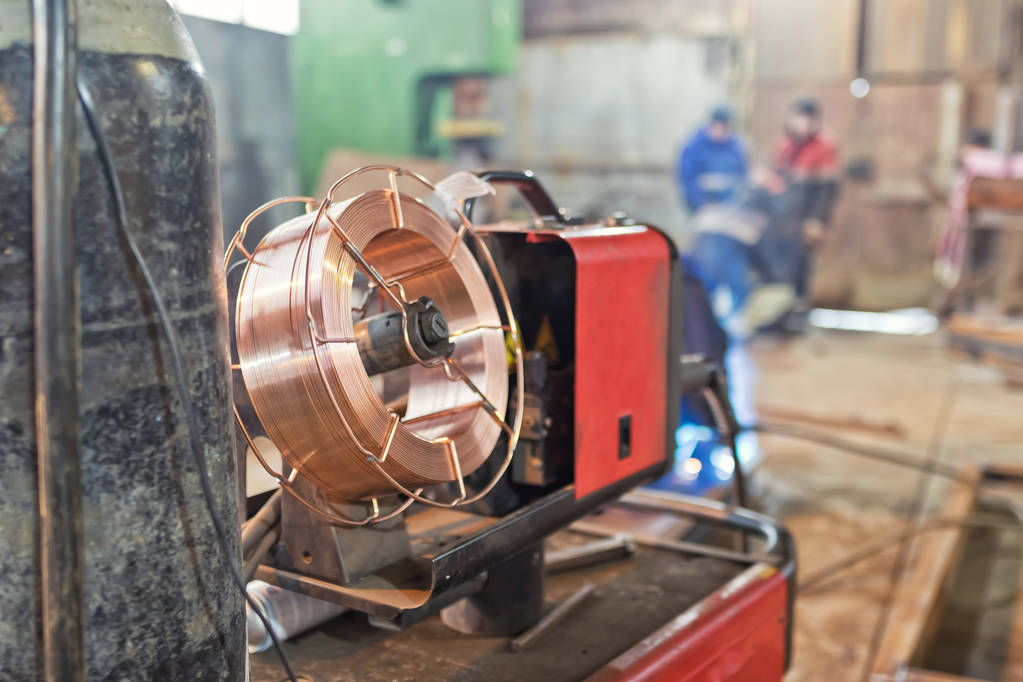
Welding wire and electrodes
Shielding gases
Contact tips, nozzles, liners
Tungsten electrodes
Flux and anti-spatter products
Think of consumables like tires on a truck. You expect wear—but how you drive determines how fast they wear out.
Why Consumables Impact Profit Margins
Consumables are repeat purchases. Even small inefficiencies—extra gas flow, wasted wire, poor technique—add up daily. Over a year, that “small waste” can equal the cost of a new machine.
Identifying Hidden Consumable Waste
Most workshops waste more than they realize. The problem? It’s often invisible.
Overuse of Welding Wire and Electrodes
Excessive spatter, poor joint preparation, and incorrect settings all cause wire and electrodes to burn faster than necessary. More wire used doesn’t mean better welds—it usually means bad technique.
Gas Loss and Inefficient Shielding
Shielding gas is one of the biggest silent budget killers.
Leaks, Poor Flow Settings, and Bad Habits
Common gas waste comes from:
Leaking hoses or loose fittings
Flow rates set higher than required
Gas left running during breaks
It’s like leaving the tap running while brushing your teeth—easy to forget, costly over time.
Optimizing Welding Parameters
Dialing in your settings is one of the fastest ways to reduce consumable costs.
Correct Amperage and Voltage Settings
Too hot? You burn wire and tips faster.
Too cold? You waste time and materials fixing bad welds.
Correct settings reduce spatter, improve penetration, and extend consumable life.
Matching Consumables to the Welding Process
Using the wrong consumable for the job is like wearing running shoes to hike a mountain. Sure, it works—but it won’t last.
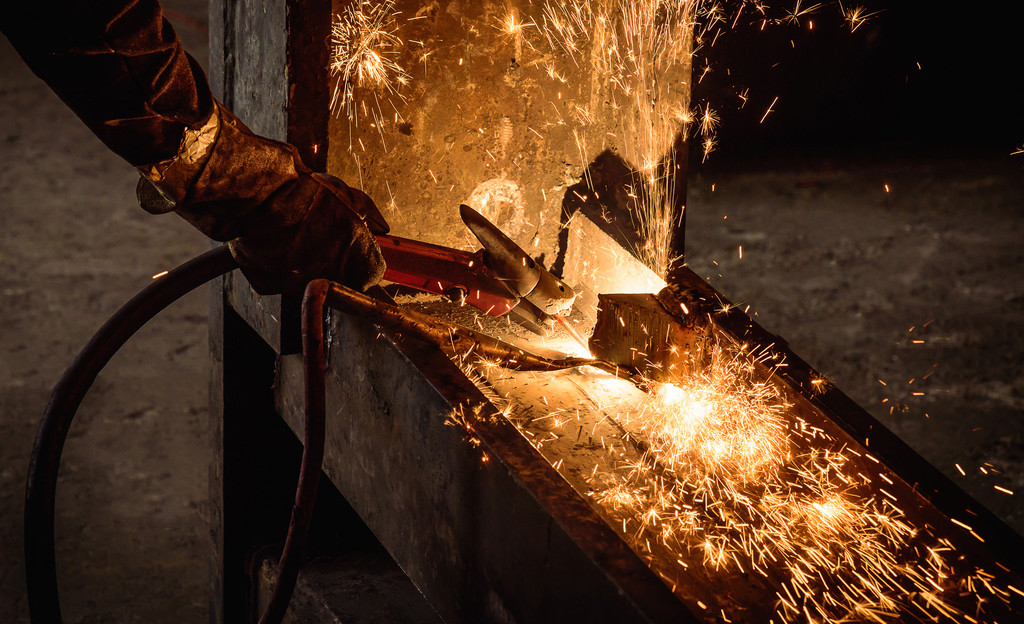
Match wire type, diameter, and gas to the specific welding process and material thickness.
Choosing the Right Welding Consumables
Cheaper isn’t always better—and expensive doesn’t always mean efficient.
Quality vs. Cheap Consumables
Low-quality consumables often:
Wear faster
Cause unstable arcs
Increase downtime
High-quality consumables may cost more upfront but last longer and reduce rework.
Standardizing Consumables Across the Shop
Using too many brands and types creates confusion, mistakes, and waste. Standardization simplifies training, storage, and purchasing—and often unlocks bulk discounts.
Improving Welder Training and Skills
Your welders are your biggest cost-control tool.
How Skill Level Affects Consumable Usage
Skilled welders:
Less waste equals lower consumable consumption.
Simple Training That Saves Money
Short, focused training sessions on:
Proper torch angle
Gas flow settings
Wire stick-out
can dramatically reduce consumable usage without slowing production.
Reducing Shielding Gas Costs
Gas is expensive—but it’s also manageable.
Gas Flow Optimization
More gas doesn’t mean better shielding. In many cases, excessive flow causes turbulence and actually makes welds worse.
Set flow rates based on:
Welding process
Joint design
Environmental conditions
Switching to Gas-Saving Technologies
Gas Mixes and Advanced Regulators
Modern gas mixers, flow regulators, and gas-saving nozzles can cut gas usage by 20–50% while improving weld quality.
Equipment Maintenance and Consumable Life
Poor maintenance shortens consumable life dramatically.
Torch Maintenance and Wear Parts
Dirty liners, damaged nozzles, and worn contact tips increase resistance, spatter, and wire feeding problems.
Regular cleaning and scheduled replacement prevent premature failure.
Preventing Premature Consumable Failure
Simple habits help:
Avoid overheating torches
Replace parts before total failure
Keep consumables clean and dry
Inventory Management Strategies
Inventory mismanagement is silent waste.
Avoiding Overstocking and Expired Consumables
Too much stock leads to:
Buy smart, not big.
First-In, First-Out (FIFO) Practices
Always use older stock first. Labeling and organized storage make FIFO easy and effective.
Automation and Process Improvements
Automation isn’t just for big factories.
Semi-Automatic and Robotic Welding
Automated systems:
When Automation Makes Financial Sense
If labor costs are high and production is repetitive, automation often pays for itself through consumable savings alone.
Monitoring, Tracking, and Cost Control
What gets measured gets managed.
Tracking Consumable Usage Per Job
Track how much wire, gas, and wear parts are used per project. Patterns reveal where waste lives.
Using Data to Improve Decisions
Data helps you:
Environmental and Safety Benefits
Reducing consumables doesn’t just save money—it also:
Reduces waste
Lowers fume generation
Improves shop safety
A cleaner shop is a more productive shop.
Long-Term Cost Reduction Mindset
Consumable cost reduction isn’t a one-time fix. It’s a mindset—continuous improvement, smart choices, and accountability.
Conclusion
Reducing consumable costs in a welding workshop isn’t about cutting corners—it’s about working smarter. From optimizing settings and training welders to maintaining equipment and managing inventory, small improvements stack up fast. When you treat consumables like investments instead of expenses, your workshop becomes leaner, more efficient, and far more profitable.
FAQs
1. What welding consumable costs the most over time?
Shielding gas and welding wire usually account for the largest long-term costs.
2. Can better training really reduce consumable usage?
Yes. Skilled welders waste less material, create less spatter, and extend consumable life.
3. Is it worth buying premium consumables?
In most cases, yes. Higher-quality consumables reduce downtime and rework.
4. How often should consumables be inspected?
Daily visual checks and scheduled maintenance prevent premature failure.
5. What’s the fastest way to cut consumable costs?
Optimize gas flow settings and welding parameters—these changes deliver immediate savings.
 English
 简体中文
简体中文 العربية
 Français
 Русский
 Español
 Português
 Deutsch
 italiano
 日本語
日本語 한국어
한국어 Nederlands
 Tiếng Việt
 ไทย
ไทย Polski
 Türkçe
 ភាសាខ្មែរ
 Bahasa Melayu
 Filipino
 Bahasa Indonesia
 magyar
 Română
 Čeština
 Монгол
 қазақ
қазақ Српски
 हिन्दी
 فارسی
فارسی Slovenčina
 Slovenščina
 Norsk
Norsk Svenska
 українська
 Ελληνικά
 Suomi
Suomi Latine
 Dansk
Dansk বাংলা
বাংলা Hrvatski
 Afrikaans
 Gaeilge
 Eesti keel
 नेपाली
 Oʻzbekcha
 latviešu
 Azərbaycan dili
 Беларуская мова
 Bosanski
 Български
 ქართული
 Lietuvių