Introduction to Plasma Cutting Technology
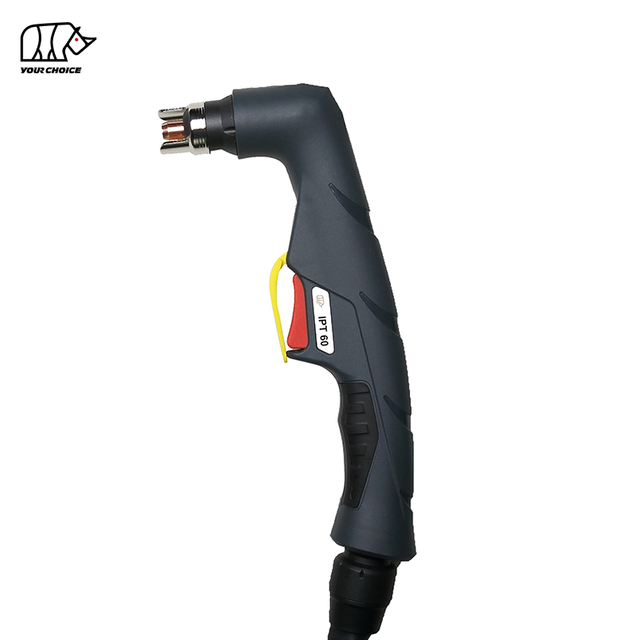
Plasma cutting has revolutionized metal fabrication, offering precision, speed, and versatility unmatched by traditional cutting methods. At the heart of this technology lies the plasma cutting torch—a sophisticated tool that transforms inert gas into a superheated plasma stream capable of slicing through conductive materials with incredible accuracy.
Whether you're a DIY enthusiast, a small shop owner, or an industrial fabricator, understanding plasma cutting torches can transform your metalworking capabilities. This comprehensive guide explores everything from basic principles to advanced techniques, helping you make informed decisions about this powerful technology.
What is Plasma Cutting?
The Science Behind Plasma
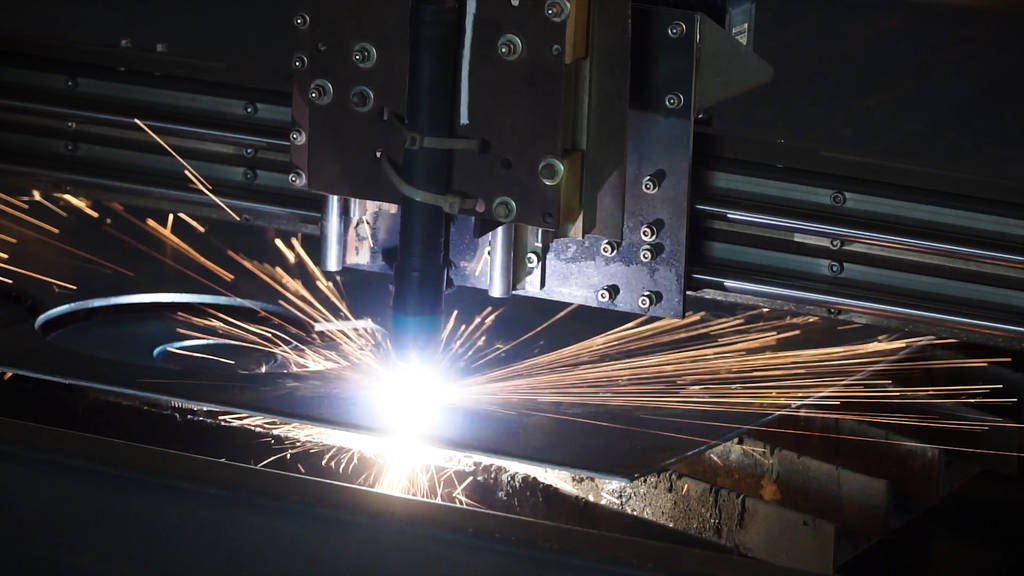
Plasma, often called the fourth state of matter, is created when gas is heated to extremely high temperatures, causing electrons to separate from atoms and creating an ionized, electrically conductive medium. In plasma cutting, this superheated plasma is forced through a constricted opening, creating a focused stream that reaches temperatures up to 45,000°F (25,000°C)—hotter than the surface of the sun.
How Plasma Cutting Torches Work
A plasma cutting torch creates an electrical circuit between the torch and the workpiece. When the trigger is pressed, a pilot arc ionizes the gas passing through the torch. This creates a conductive path that allows the main cutting arc to form. The plasma stream melts the metal while high-velocity gas blows away the molten material, creating a clean cut.
Advantages Over Traditional Cutting Methods
Compared to oxy-fuel cutting, plasma cutting offers several advantages:
Cuts any conductive metal (including aluminum, stainless steel, and copper)
Faster cutting speeds, especially on thinner materials
Minimal heat-affected zone
Cleaner cuts with less slag
No preheating required
Enhanced safety with no explosive gases
Types of Plasma Cutting Torches
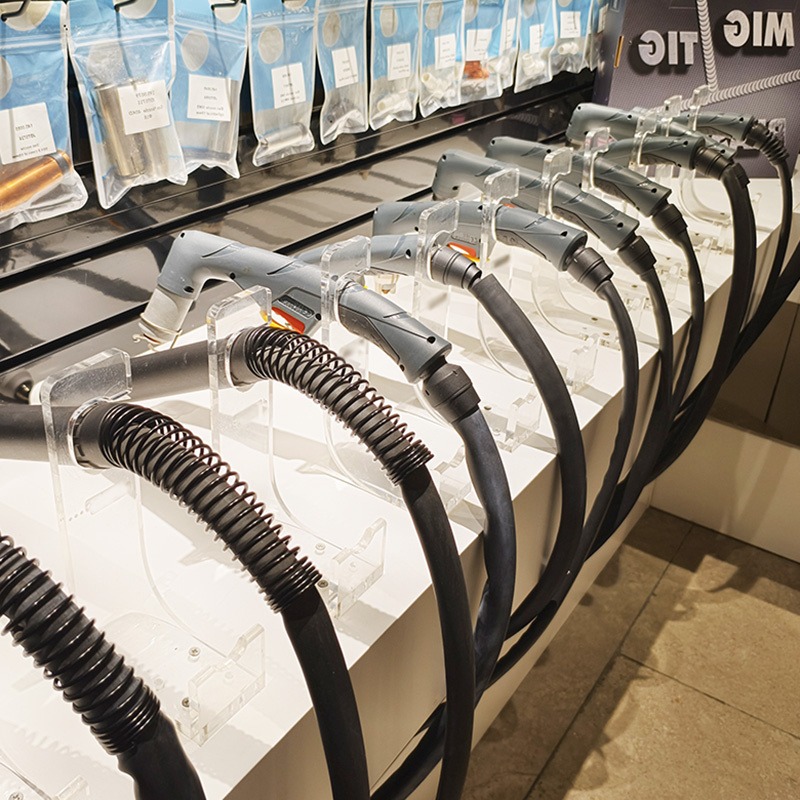
Conventional Plasma Torches
Conventional plasma systems use oxygen, air, or nitrogen as the plasma gas with water injection or a secondary gas for shielding. These systems operate at lower amperages (15-100 amps) and are suitable for material up to 1 inch thick. They offer excellent performance for most fabrication shops and maintenance applications.
Precision Plasma Torches
Precision plasma torches utilize advanced nozzle technology and gas controls to produce exceptionally fine cuts with minimal angularity. These systems typically operate at higher frequencies and use multiple gases to achieve superior cut quality, making them ideal for intricate shapes and precision manufacturing.
High-Density Plasma Torches
High-density plasma systems concentrate the arc to achieve greater energy density, resulting in faster cutting speeds and improved cut quality on thicker materials. These systems often incorporate water shielding to constrict the arc further and improve nozzle life.
CNC-Compatible Torches
Designed for automated cutting systems, CNC-compatible torches feature advanced height control, automatic pierce sequencing, and consumable sensing. These torches integrate seamlessly with computer numerical control systems for repeatable, high-volume production cutting.
Key Components of Plasma Cutting Torches
Torch Body and Handle
The torch body houses the internal components and provides the interface between the power supply and the cutting operation. Ergonomically designed handles reduce operator fatigue during extended use, while durable construction withstands industrial environments.
Consumables: The Heart of the System
Electrodes
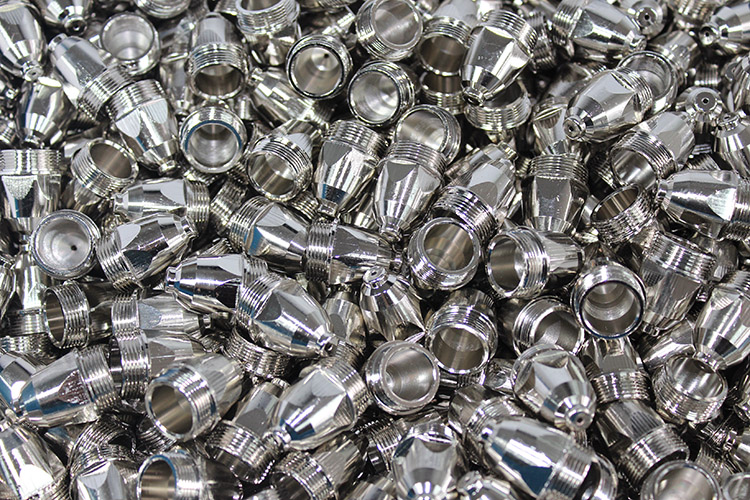
The electrode carries the negative charge from the power supply and contains an emissive element (usually hafnium or zirconium) that facilitates electron emission. Electrode life varies depending on material, amperage, and cutting conditions.
Nozzles
Nozzles constrict and shape the plasma arc. Their orifice diameter determines arc density and cut quality. Different nozzle designs optimize performance for specific materials and thicknesses.
Swirl Rings
Swirl rings impart a rotating motion to the plasma gas, stabilizing the arc and centering it within the nozzle. This improves cut quality and extends consumable life.
Shields and Caps
These protective components shield the nozzle from spatter and contact with the workpiece. Different designs accommodate drag cutting or standoff cutting applications.
Cooling Systems
Air-Cooled Torches
Simpler and more economical, air-cooled torches use compressed air to cool the torch head. These are typically limited to lower amperage applications (under 100 amps).
Liquid-Cooled Torches
Water-cooled torches circulate coolant through channels in the torch head, allowing for higher amperage operation (up to 800 amps) and extended duty cycles. These systems maintain more consistent temperatures, improving cut quality and consumable life.
Choosing the Right Plasma Cutting Torch
Material Considerations
Different metals require specific approaches:
Mild Steel: Performs well with air or oxygen plasma
Stainless Steel: Requires nitrogen or argon-hydrogen mixtures for optimal results
Aluminum: Works best with nitrogen or argon-hydrogen with water injection
Copper and Brass: Need specialized gas mixtures and techniques
Thickness Capacity
Selecting a torch with appropriate amperage for your material thickness is crucial:
Up to 1/4 inch: 25-40 amp systems
1/4 to 1/2 inch: 40-80 amp systems
1/2 to 1 inch: 80-120 amp systems
Over 1 inch: 120+ amp systems with appropriate gas and cooling
Duty Cycle Requirements
Duty cycle indicates how many minutes out of a ten-minute period a system can operate at rated output. Consider:
Hobbyist/DIY: 30-40% duty cycle adequate
Shop/Production: 60-80% duty cycle recommended
Industrial/Continuous: 100% duty cycle systems available
Power Supply Compatibility
Plasma torches must match the power supply's electrical characteristics, including open-circuit voltage, output amperage, and pilot arc generation method.
Advanced Plasma Cutting Techniques
Precision Piercing
Proper piercing technique prevents damage to consumables and workpiece:
Maintain correct standoff distance (typically 1.5-2 times cut height)
Use appropriate amperage for material thickness
Employ torch height control for consistent results
Consider using edge starts when possible
Bevelling and Angle Cutting
Advanced torches with bevel heads can create angled edges for welding preparation. CNC systems can produce complex bevel patterns impossible with manual methods.
Stack Cutting
Plasma cutting excels at cutting multiple layers simultaneously. Proper clamping and technique can dramatically increase production efficiency for repetitive parts.
Fine Feature Cutting
With proper setup and consumables, plasma can cut holes as small as 1.5 times material thickness and intricate shapes with minimal distortion.
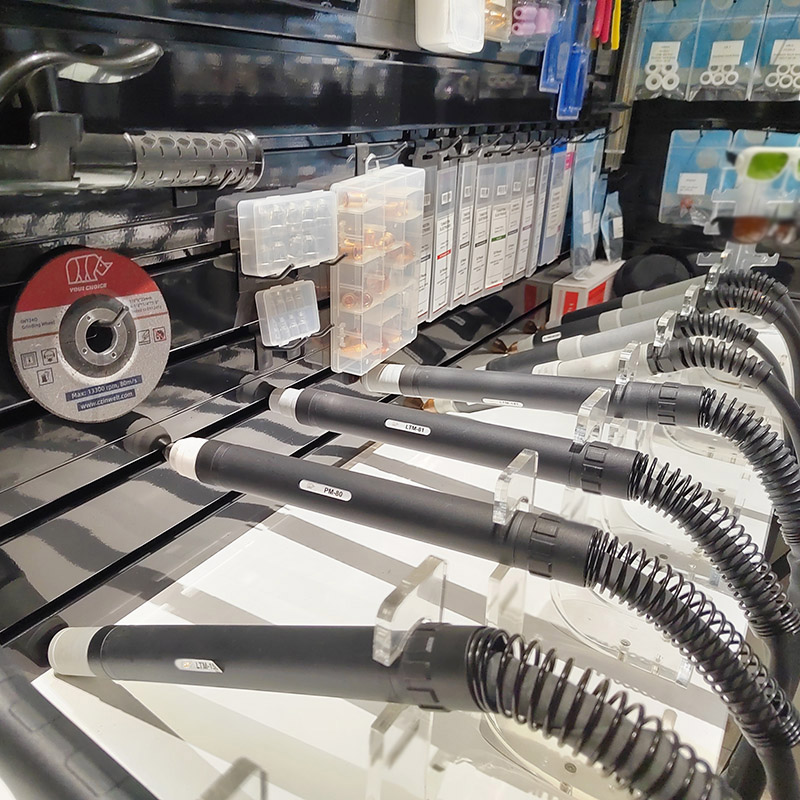
Maintenance and Consumable Management
Daily Maintenance Checklist
Inspect torch consumables for wear or damage
Check air supply for moisture and contamination
Verify ground connection integrity
Clean torch exterior and cable connections
Test safety interlocks and emergency stops
Extending Consumable Life
Maintain proper air pressure and quality
Use correct amperage for material thickness
Keep correct cutting distance
Avoid prolonged pilot arc operation
Use drag shields when appropriate
Implement proper piercing techniques
Troubleshooting Common Issues
Excessive Dross
Top dross: Cutting speed too slow or amperage too high
Bottom dross: Cutting speed too fast or amperage too low
Both sides: Incorrect standoff or worn consumables
Angularity Issues
Positive bevel: Standoff too great or speed too slow
Negative bevel: Standoff too small or speed too fast
Irregular bevel: Worn consumables or unstable arc
Premature Consumable Failure
Check air quality and pressure
Verify proper cooling (if liquid-cooled)
Ensure correct amperage settings
Inspect for loose connections
Safety Considerations for Plasma Cutting
Personal Protective Equipment (PPE)
Eye protection: Minimum shade 8 lens, darker for higher amperages
Hearing protection: Plasma cutting produces significant noise
Respiratory protection: Fume extraction recommended, especially for galvanized or coated metals
Fire-resistant clothing: Protect against UV radiation and sparks
Gloves: Insulated, heat-resistant gloves for hand protection
Work Area Safety
Ensure adequate ventilation or fume extraction
Remove flammable materials from cutting area
Use fire-resistant barriers when necessary
Maintain clear access to emergency equipment
Implement proper machine grounding
Electrical Safety
Never operate equipment with covers removed
Inspect cables and connections regularly
Use lockout/tagout procedures during maintenance
Keep work area dry to prevent electrical hazards
Innovations in Plasma Cutting Technology
Digital Controls and IoT Integration
Modern plasma systems incorporate digital interfaces, preset programs, and connectivity features that allow for remote monitoring, maintenance alerts, and performance optimization through data analytics.
Hybrid Cutting Systems
Combining plasma with other technologies like oxy-fuel or laser creates hybrid systems capable of cutting thicker materials or achieving superior edge quality for specific applications.
Improved Consumable Technology
Advanced materials and manufacturing techniques have dramatically increased consumable life, with some electrodes and nozzles lasting 2-3 times longer than previous generations.
Portable and Battery-Powered Systems
Recent developments in battery technology and inverter design have created truly portable plasma cutting systems capable of delivering industrial performance in field applications.
Cost Analysis and ROI Considerations
Initial Investment vs. Operational Costs
While plasma equipment represents a significant initial investment, operational costs compare favorably to other cutting methods when considering speed, versatility, and consumable costs.
Productivity Gains
The speed advantage of plasma cutting—often 3-5 times faster than oxy-fuel on materials under 1 inch—can dramatically improve throughput and labor efficiency.
Material Savings
Reduced kerf width (the material removed during cutting) and improved nesting capabilities can increase material utilization by 5-15%, significantly impacting material costs over time.
Quality Improvements
Reduced secondary operations (grinding, rework) due to better cut quality directly impacts labor costs and production timelines.
Future Trends in Plasma Cutting
Automation and Robotics
Increasing integration with robotic systems enables complex 3D cutting applications previously impossible with plasma technology. Vision systems and adaptive controls further enhance capabilities.
Environmentally Friendly Developments
Reduced energy consumption through improved power supply efficiency
Alternative gases with lower environmental impact
Advanced fume filtration systems
Water conservation in liquid-cooled systems
Smart Torch Technology
Sensors embedded in torches monitor consumable condition, cut quality, and system performance in real-time, enabling predictive maintenance and automatic parameter adjustment.
Expanded Material Capabilities
Ongoing research focuses on cutting non-traditional materials (composites, layered materials) and improved performance on extremely thick or thin materials.
Conclusion: Maximizing Your Plasma Cutting Potential
Plasma cutting torches represent one of the most versatile and efficient tools in modern metal fabrication. By understanding the technology, selecting appropriate equipment, implementing proper techniques, and maintaining your system correctly, you can achieve remarkable results across a wide range of applications.
Whether you're just entering the world of plasma cutting or looking to upgrade existing capabilities, focusing on these key areas will ensure success:
Match equipment to your specific needs—consider materials, thicknesses, and production requirements
Invest in training—operator skill significantly impacts results
Implement proper maintenance—protect your investment and ensure consistent performance
Stay informed about developments—technology continues to evolve rapidly
Prioritize safety—protect both operators and equipment
The plasma cutting torch has transformed from a specialized industrial tool to an accessible technology for businesses of all sizes. By leveraging its capabilities fully, fabricators can achieve new levels of precision, efficiency, and creativity in metalworking projects.
 English
 简体中文
简体中文 العربية
 Français
 Русский
 Español
 Português
 Deutsch
 italiano
 日本語
日本語 한국어
한국어 Nederlands
 Tiếng Việt
 ไทย
ไทย Polski
 Türkçe
 ភាសាខ្មែរ
 Bahasa Melayu
 Filipino
 Bahasa Indonesia
 magyar
 Română
 Čeština
 Монгол
 қазақ
қазақ Српски
 हिन्दी
 فارسی
فارسی Slovenčina
 Slovenščina
 Norsk
Norsk Svenska
 українська
 Ελληνικά
 Suomi
Suomi Latine
 Dansk
Dansk বাংলা
বাংলা Hrvatski
 Afrikaans
 Gaeilge
 Eesti keel
 नेपाली
 Oʻzbekcha
 latviešu
 Azərbaycan dili
 Беларуская мова
 Bosanski
 Български
 ქართული
 Lietuvių