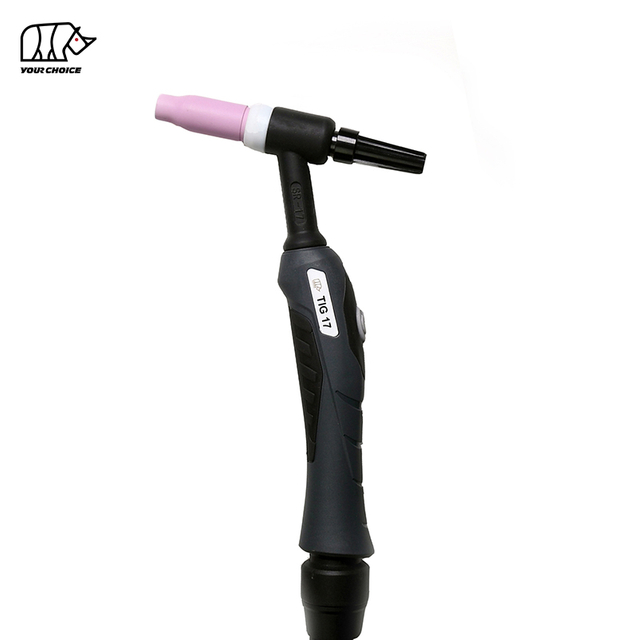
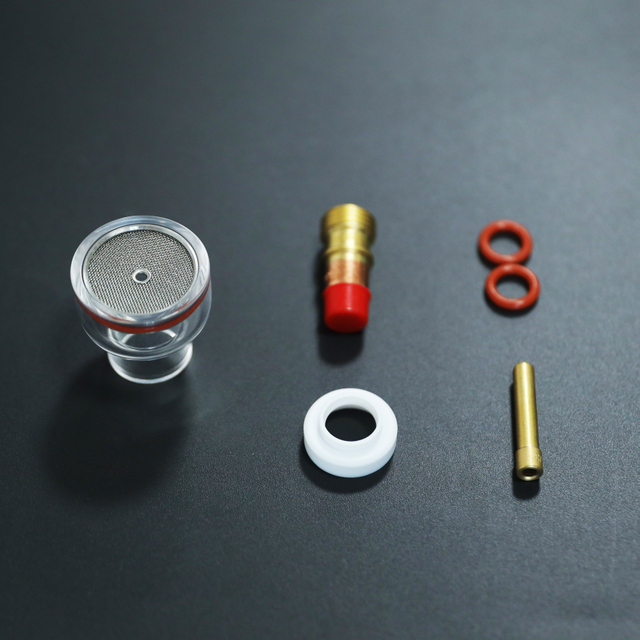
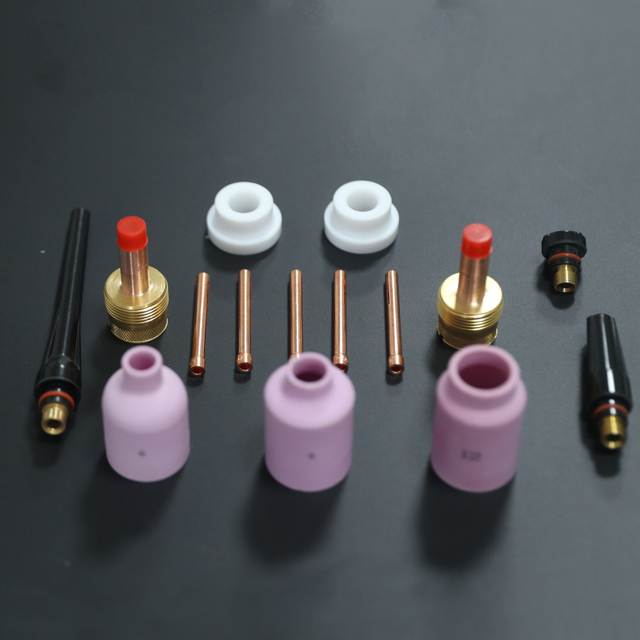
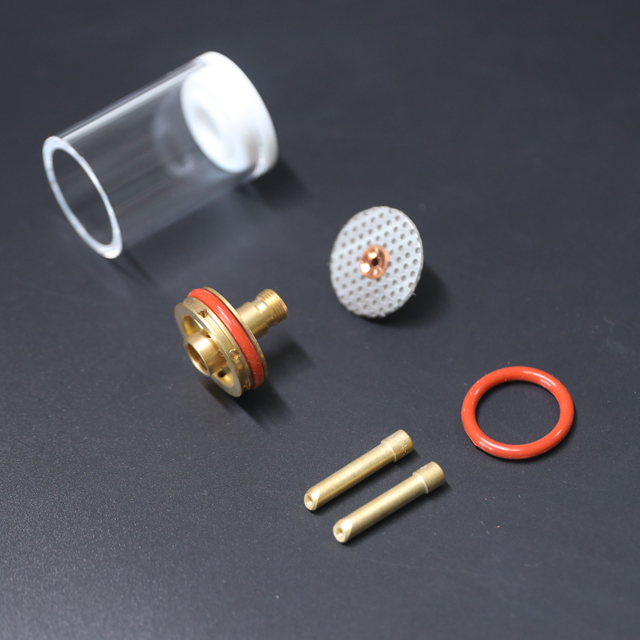
Premium Copper TIG Welding Collet — INWELT Argon Arc Torch Consumables
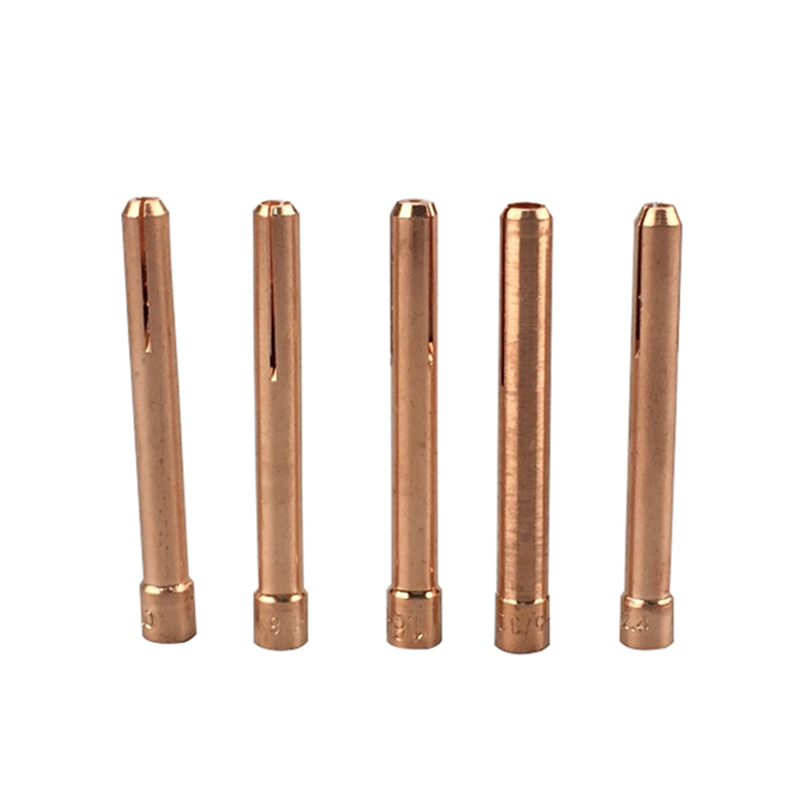
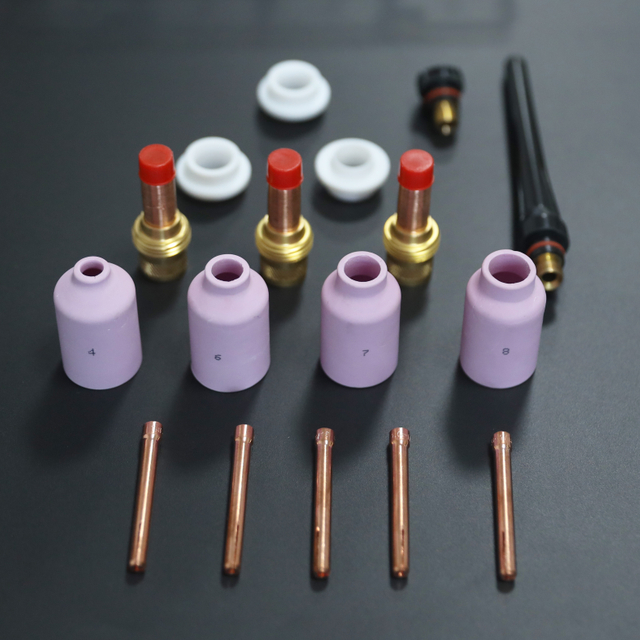
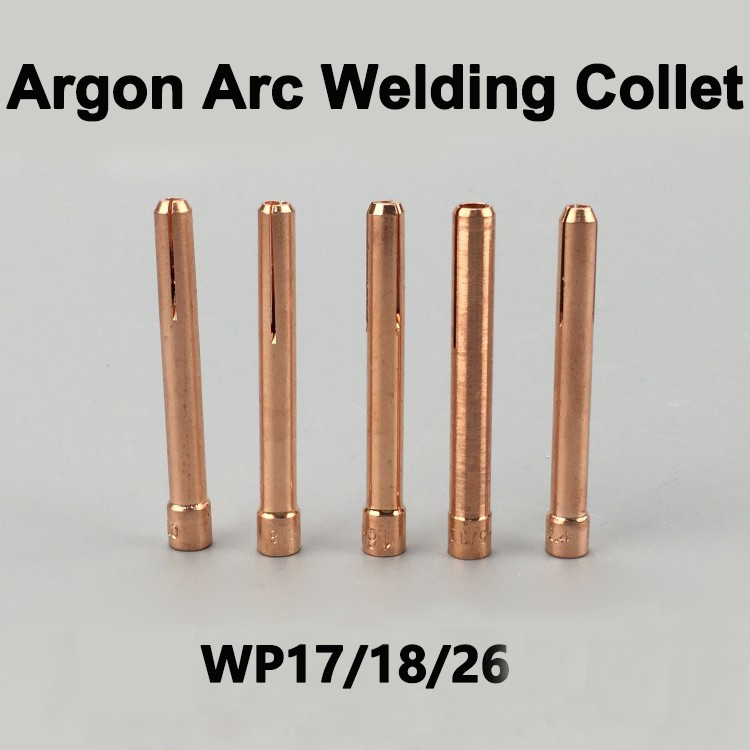
A TIG collet may look simple, but its quality is the difference between hours of smooth, stable welding and endless frustration in the workshop. INWELT manufactures copper TIG collets for professional welders, fabricators, and maintenance teams worldwide. Our collets clamp tungsten electrodes with exacting precision, transfer current efficiently, and help maintain the shielding gas coverage needed to produce clean, high-quality welds on every pass. The collet works inside the TIG torch head, gripping the tungsten electrode and transferring welding current to it. Made from high-quality copper, the collet must match the diameter of the tungsten being used to ensure a stable electrical contact and precise electrode positioning. When the back cap is tightened, the collet compresses around the electrode, which is essential for maintaining arc stability.
Copper Material and Precision Manufacturing
INWELT TIG collets are made from solid copper, a material chosen for its superior electrical conductivity in demanding welding environments.
Superior Electrical Conductivity
Copper is the material of choice for TIG collets because it provides the highest level of electrical conductivity needed for consistent current transfer from the torch body to the tungsten electrode. Poor conductivity leads to resistance heating inside the torch, which degrades consumables and shortens their working life. INWELT collets are manufactured from high-grade copper to eliminate this problem.
Precision Machining for Consistent Grip
Every INWELT collet undergoes precision machining to achieve tight tolerances. A properly machined collet grips the tungsten across its full contact surface, preventing wobble and electrode movement during welding. When the collet does not seat properly, the tungsten will not stay in place, and overtightening the back cap can twist the collet out of shape until it stops functioning altogether. INWELT precision manufacturing prevents this failure mode before it starts.
ISO 9001, CE, and RoHS Certified
All INWELT TIG collets are produced in ISO 9001-certified facilities and comply with CE and RoHS standards. Our collets are manufactured to meet international specifications and are compatible with major torch brands and series.
Wide Size Range and Torch Compatibility
INWELT manufactures TIG collets in a comprehensive size range for the most common TIG torch series used in fabrication shops, pipe welding, and field maintenance. The collet size must be matched exactly to the tungsten electrode diameter (for example, 1.6mm, 2.4mm, 3.2mm) to ensure a stable electrical contact and precise electrode positioning.
Available Sizes with Industry Part Numbers
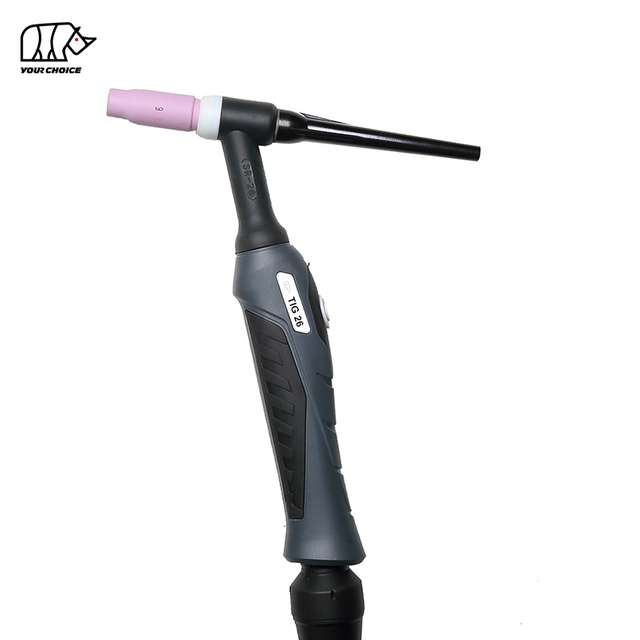
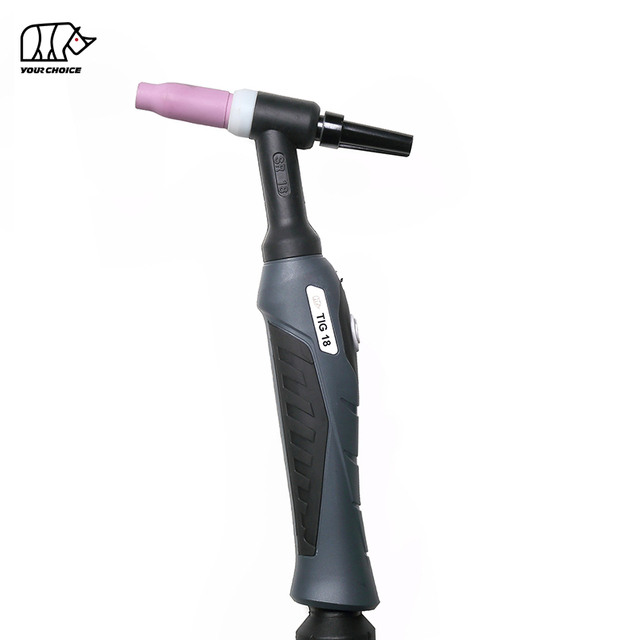
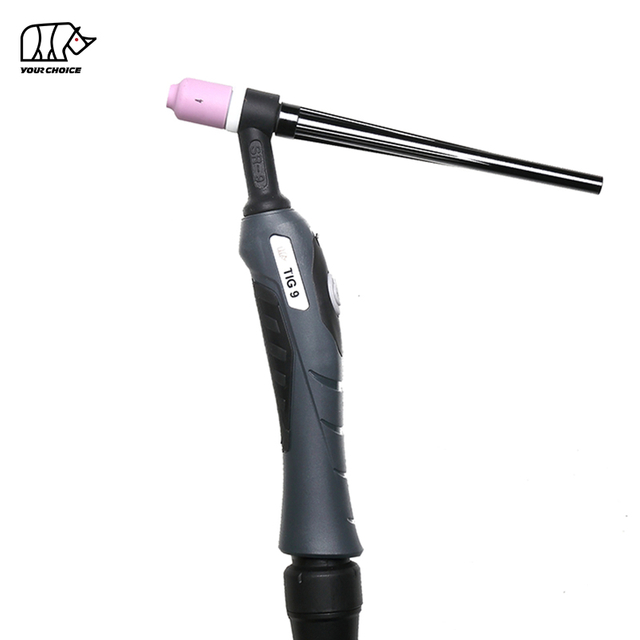
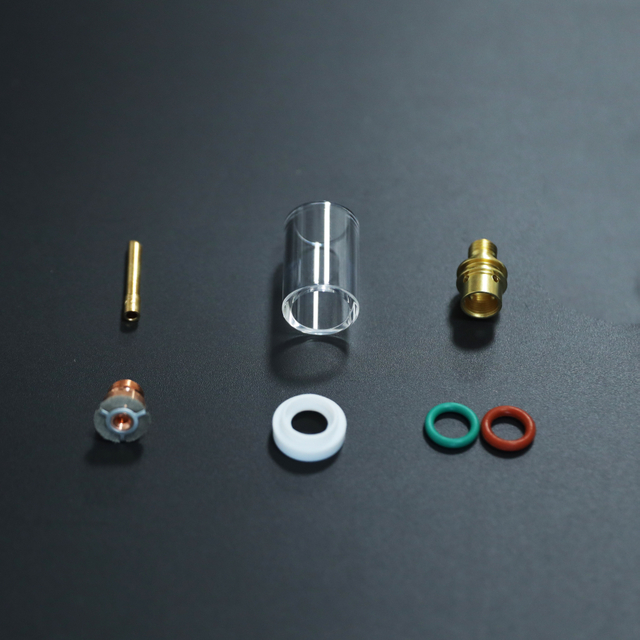
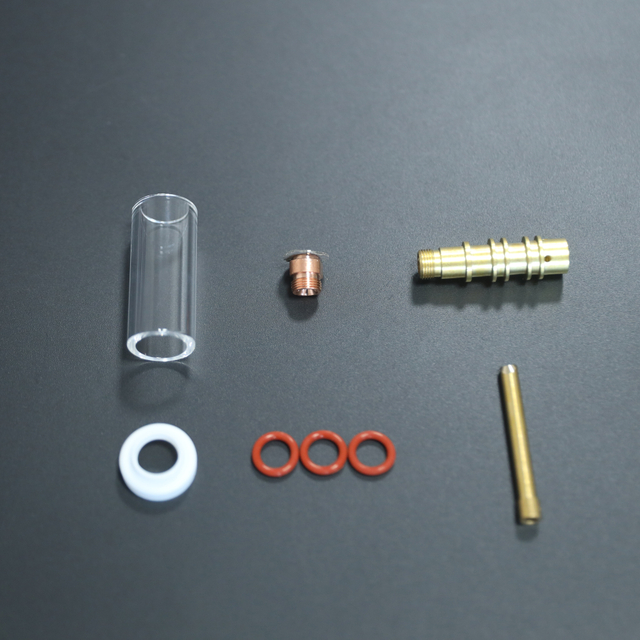
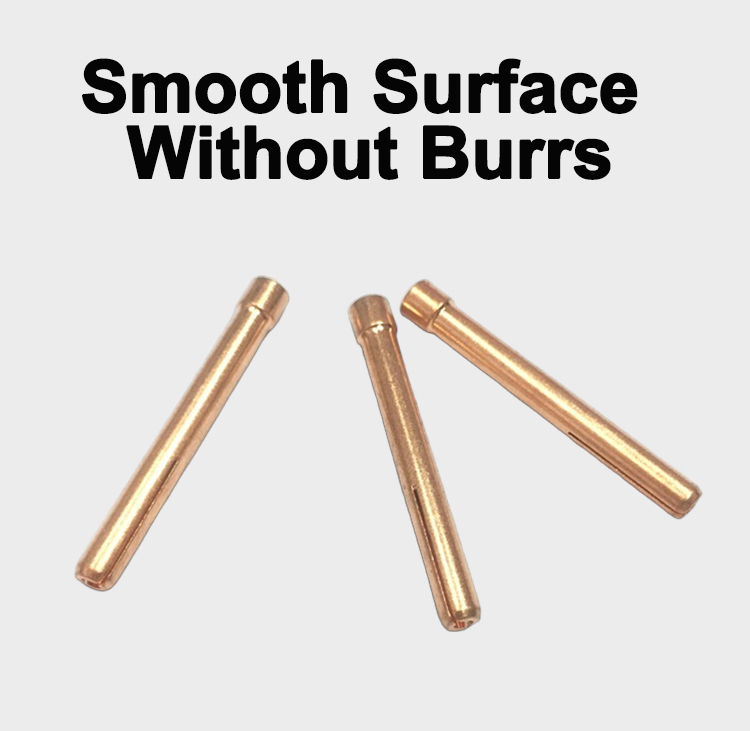
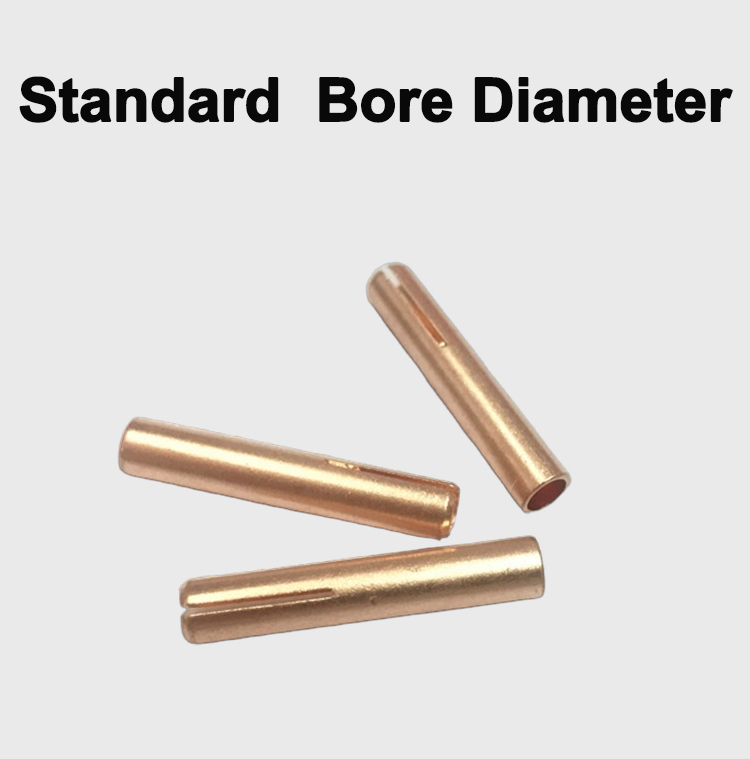
Split TIG collets are split into two sides. When the back cap is tightened, the sides squeeze together to grip the tungsten. INWELT manufactures both standard-length and stubby collet configurations to accommodate different torch setups and gas lens configurations. For applications requiring stubby consumables, compatible shorter-length collets are available for WP-9, WP-17, WP-18, and WP-26 torch series.
How the TIG Collet Functions in the Torch Assembly
Understanding the role of the collet within the torch helps welders diagnose problems and maintain their equipment properly.
Collet, Collet Body, and Gas Flow
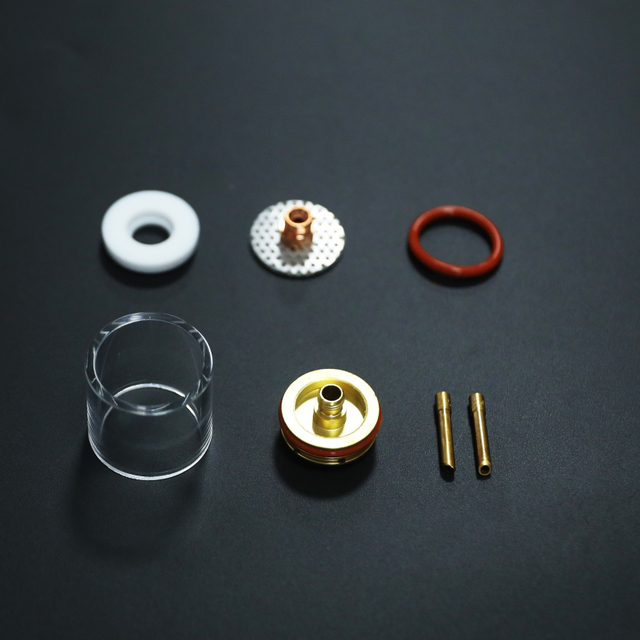
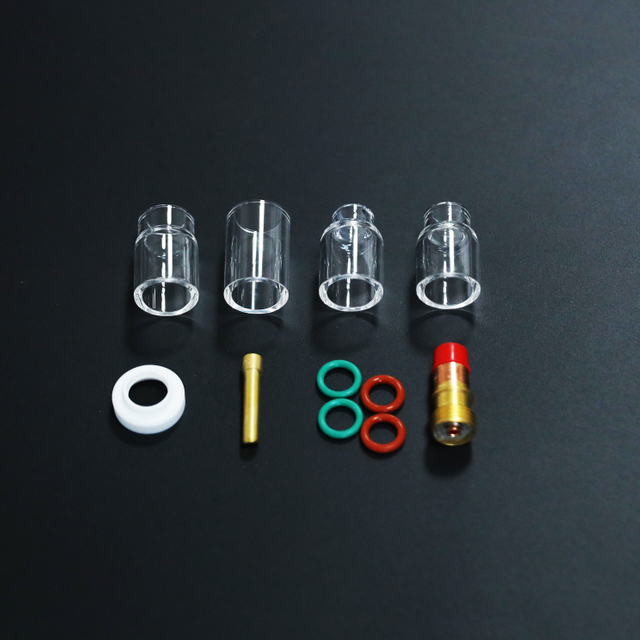
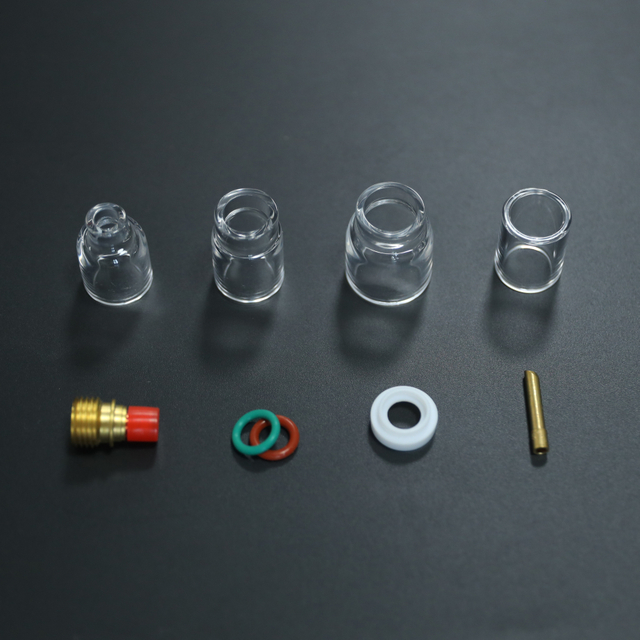
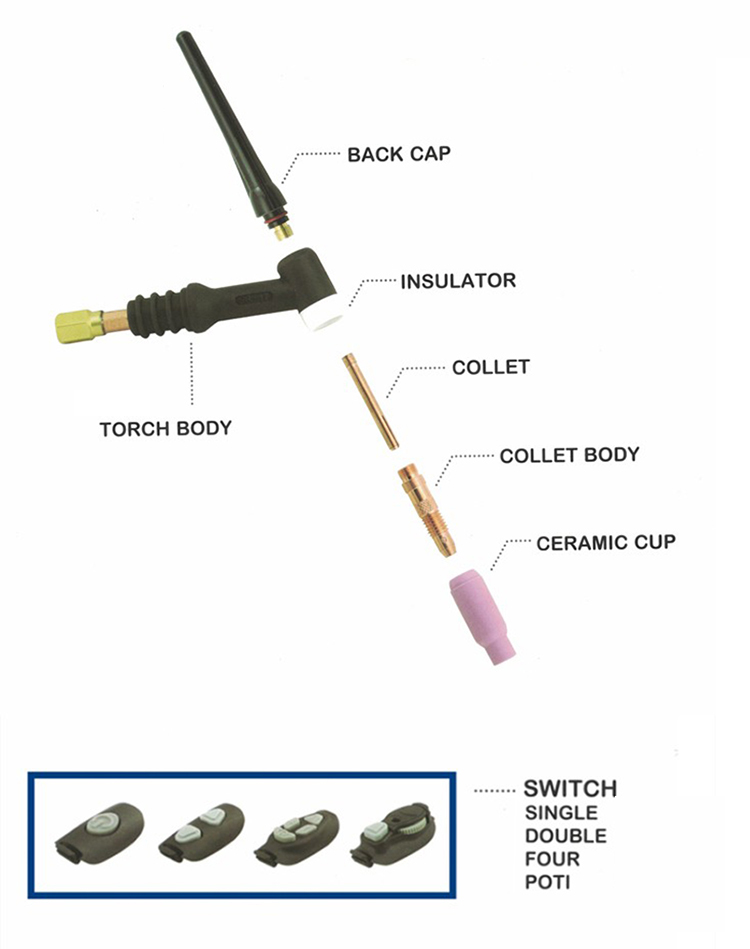
The collet does not work alone. It slides into the collet body, which is threaded into the torch head. The collet body holds the collet in place and channels shielding gas from the torch cable to the ceramic nozzle. Together, these parts maintain gas coverage and electrical contact throughout the weld.
The Clamping Mechanism
When the welder tightens the back cap, it pushes the collet deeper into the tapered collet body. This action squeezes the split sides of the collet inward, creating a secure grip on the tungsten electrode. Split TIG collets are the most common collet style, but the split is a weak area where they deform over time. This is why regular inspection and replacement are important.
Electrical Contact Point
The collet is also a critical electrical junction. Current flows from the torch body through the collet and into the tungsten electrode. Any corrosion, deformation, or looseness at this junction increases electrical resistance, causing arc instability and localized overheating. INWELT copper collets maintain clean, low-resistance electrical contact throughout their service life.
Four Performance Advantages of INWELT TIG Collets
1. Precision Grip and Arc Stability
INWELT collets are machined to exacting tolerances, ensuring a uniform 360-degree grip on the tungsten electrode. The pressure exerted by the collet ensures there is no wobble or movement of the electrode, which could lead to inconsistent arcs or poor welds. A stable electrode means a stable arc, consistent puddle control, and cleaner weld beads.
2. Long Service Life with Proper Maintenance
INWELT copper collets are built to withstand repeated heating and cooling cycles. Over hundreds of cycles of tungsten insertion and removal, the taper wears out and the grip weakens. Using high-quality copper extends the interval between replacements compared to lower-grade materials. Storing spare collets for every tungsten size in the workshop prevents unnecessary downtime.
3. Simple Installation and Quick Replacement
Replacing a worn collet takes only seconds during routine torch maintenance. Unscrew the back cap, remove the old collet, slide the new one into the collet body, and reassemble. Keeping spare collets on hand for every tungsten diameter used in the shop prevents workflow interruptions when a collet eventually wears out.
4. Consistent Shielding Gas Coverage
A well-machined collet centers the electrode within the ceramic cup, ensuring uniform shielding gas distribution around the weld pool. Proper gas coverage prevents oxidation and contamination in the weld zone, particularly important when welding stainless steel, titanium, and other reactive metals.
Industries and Applications
INWELT TIG collets are used every day in demanding environments where weld quality directly impacts safety, appearance, and structural integrity.
Aerospace Component Repair: Precision collets hold tungsten steady during the GTAW repair of engine parts and thin-wall structures where arc accuracy is non-negotiable.
Sanitary Tube and Pipe Welding: Consistent grip prevents arc wander during stainless steel pipe welding for food, dairy, and pharmaceutical processing lines.
Automotive Fabrication: Reliable electrode clamping supports high-quality welds on exhaust systems, roll cages, chassis components, and aluminum body panels.
General Manufacturing and Maintenance: From heavy equipment repair to production line welding, INWELT collets provide the consistency maintenance teams and production welders depend on.
When to Replace Your TIG Collet
Even the best collet will eventually wear out. Recognizing the signs early prevents weld defects and wasted time.
Signs a Collet Needs Replacement
Look for these indicators during routine torch inspection: the tungsten electrode slips even when the back cap is fully tightened, arc starts become inconsistent or erratic, visible deformation or twisting of the collet splits is present, or the electrode shows signs of poor electrical contact such as discoloration. A slipping tungsten means an unstable arc, puddle control suffers, and weld quality drops.
Preventive Maintenance Schedule
For daily production welding, inspect collets weekly and replace them at the first sign of deformation or grip loss. For critical welds on code-quality or structural work, replace collets preemptively every 50 to 100 arc hours. Always store spare collets for every electrode diameter used in the shop to avoid downtime. Regular inspection and replacement of collets is a simple but vital part of TIG torch maintenance.
Correct Installation Procedure
Assemble the torch in the correct order for best performance and longest consumable life. Thread the collet body into the torch head first, screw on the ceramic cup, slide the collet into the collet body from the back of the torch, then insert the tungsten and tighten the back cap just enough to hold the electrode securely. Do not over-tighten, as excessive force can twist the collet out of shape and permanently damage it.
Why Source TIG Collets from INWELT Welding Technology Co., Ltd.
Proven Manufacturing Expertise:
INWELT is a direct manufacturer of TIG welding consumables, controlling every aspect of the production process from raw copper selection to final dimensional inspection.
Certified Quality Standards:
All collets are manufactured under ISO 9001 quality management systems with CE and RoHS compliance, meeting international standards for fit, function, and material safety.
Factory-Direct Supply:
By purchasing directly from the manufacturer, customers receive competitive pricing on bulk orders and have access to OEM and ODM customization options. Product samples are available for evaluation to confirm compatibility and quality before placing volume orders.
Global Customer Base:
INWELT welding consumables are used by professionals in over 30 countries, from independent fabrication shops to large-scale industrial operations.
Frequently Asked Questions
Q: What is the function of a TIG welding collet?
A: The collet is a small copper sleeve inside the TIG torch that grips the tungsten electrode and transfers welding current to it. Made from high-quality copper, the collet must match the diameter of the tungsten being used to ensure a stable electrical contact and precise electrode positioning. When the back cap is tightened, the collet compresses around the electrode and holds it firmly in place during welding.
Q: What is the difference between a TIG collet and a TIG collet body?
A: The collet body is the threaded component that screws into the torch head and holds the collet. The collet is the small sleeve that slides inside the collet body and directly grips the tungsten electrode. The collet body guides gas flow and positions the collet; the collet itself provides the clamping force and electrical contact. Both components must be matched to the same electrode diameter for proper function.
Q: How do I choose the correct collet size for my torch?
A: Select the collet size that exactly matches your tungsten electrode diameter. For a 2.4mm (3/32") tungsten electrode, you need a 2.4mm collet (typically industry number 10N24). Verify your torch series (WP-9, WP-17, WP-18, or WP-26) to confirm the collet uses the correct industry-standard part number.
Q: Can a worn TIG collet cause arc instability?
A: Yes. Over time, collets can twist or deform due to heat and tightening, which can lead to poor arc stability and gas flow issues. A deformed collet does not grip the electrode evenly, causing micro-movements that produce arc flicker and weld defects. A fresh, undamaged collet is one of the quickest fixes for an unstable TIG arc.
Q: Are INWELT TIG collets compatible with Lincoln, Miller, or CK Worldwide torches?
A: Yes. INWELT TIG collets are manufactured to standard industry dimensions and are compatible with WP-9, WP-17, WP-18, and WP-26 torch series from major brands, including Lincoln, Miller, CK Worldwide, Binzel, and Weldcraft. The torch model number can be provided to confirm precise compatibility for any specific setup.
Q: How often should TIG collets be replaced?
A: For daily production welding, inspect collets weekly and replace at the first sign of deformation or grip loss. For critical or code-quality welds, scheduled preventive replacement every 50 to 100 arc hours helps maintain consistent weld quality and prevents unexpected failures during a job. Using fresh, undamaged collets ensures consistent current transfer and helps maintain the quality of the weld.
Product Specifications at a Glance
 English
 简体中文
简体中文 العربية
 Français
 Русский
 Español
 Português
 Deutsch
 italiano
 日本語
日本語 한국어
한국어 Nederlands
 Tiếng Việt
 ไทย
ไทย Polski
 Türkçe
 ភាសាខ្មែរ
 Bahasa Melayu
 Filipino
 Bahasa Indonesia
 magyar
 Română
 Čeština
 Монгол
 қазақ
қазақ Српски
 हिन्दी
 فارسی
فارسی Slovenčina
 Slovenščina
 Norsk
Norsk Svenska
 українська
 Ελληνικά
 Suomi
Suomi Latine
 Dansk
Dansk বাংলা
বাংলা Hrvatski
 Afrikaans
 Gaeilge
 Eesti keel
 नेपाली
 Oʻzbekcha
 latviešu
 Azərbaycan dili
 Беларуская мова
 Bosanski
 Български
 ქართული
 Lietuvių