When it comes to welding safety, one of the biggest questions people ask is whether mobile welding fume extractors actually do the job. Welding fumes are dangerous, and no serious welder or shop owner can afford to take them lightly. In this guide, we’ll walk through everything—from how mobile fume extractors work to whether they really deliver the protection you need.
Understanding Welding Fumes
What Are Welding Fumes?
Welding fumes are a mix of airborne particles and gases created when metal is heated at high temperatures. These fumes can include microscopic metal particles—like iron, chromium, or nickel—and gases like ozone, nitrogen oxides, and carbon monoxide.
Why Welding Fumes Are Dangerous
Think of welding fumes as an invisible storm of toxic dust. Inhaling them can cause short-term issues like headaches and dizziness, and long-term problems like lung damage, metal fume fever, or even cancer. That’s why proper fume extraction is not optional—it’s essential.
What Are Mobile Welding Fume Extractors?
Mobile welding fume extractors are portable air filtration systems designed to remove fumes directly at the source. They can be rolled around a workshop or taken to remote job sites where ventilation is limited.
Key Components of Mobile Extractors
Extraction Arm or Hose – Captures fumes near the weld point.
Fan System – Pulls contaminated air into the unit.
Filters (HEPA, Carbon, or Multi-Stage) – Remove particles and harmful gases.
Wheels or Handles – Allow easy mobility.
How Mobile Fume Extractors Work
Imagine a vacuum cleaner—but engineered for toxic metal smoke. The extractor pulls in contaminated air, passes it through specialized filters, and releases clean air back into the environment. Simple, but highly effective when used correctly.
The Effectiveness of Mobile Welding Fume Extractors
Do they actually work? Yes, but their performance depends on several factors.
Filtration Efficiency
High-quality extractors use multi-stage filtration systems, often featuring HEPA filters that capture up to 99.97% of fine particles.
Airflow and Suction Power
The stronger the suction, the more fumes they can pull in before they drift away. Good units deliver 500–1200+ CFM of airflow.
Capture Distance
The closer the hood is to the weld, the better the capture rate. Most extractors work best within 6–12 inches of the arc.
Mobility Advantages
Being able to move the extractor anywhere makes it ideal for:
Large workshops
Mobile welding vans
Construction sites
Hard-to-reach locations
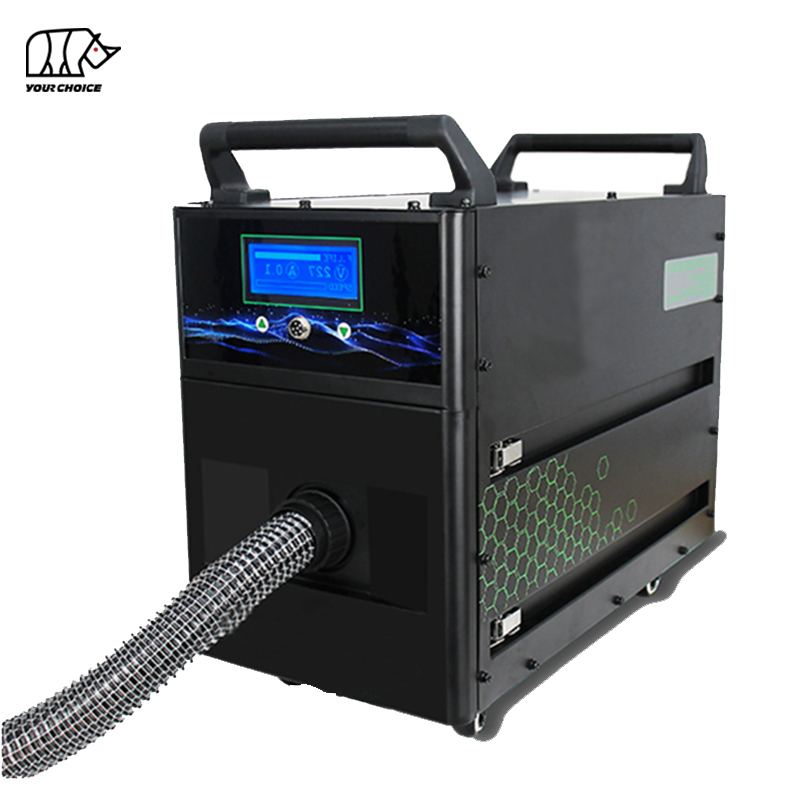
Types of Mobile Welding Fume Extractors
Portable Extractor Units
These are compact systems you can roll around or carry. Best for light-to-medium welding tasks.
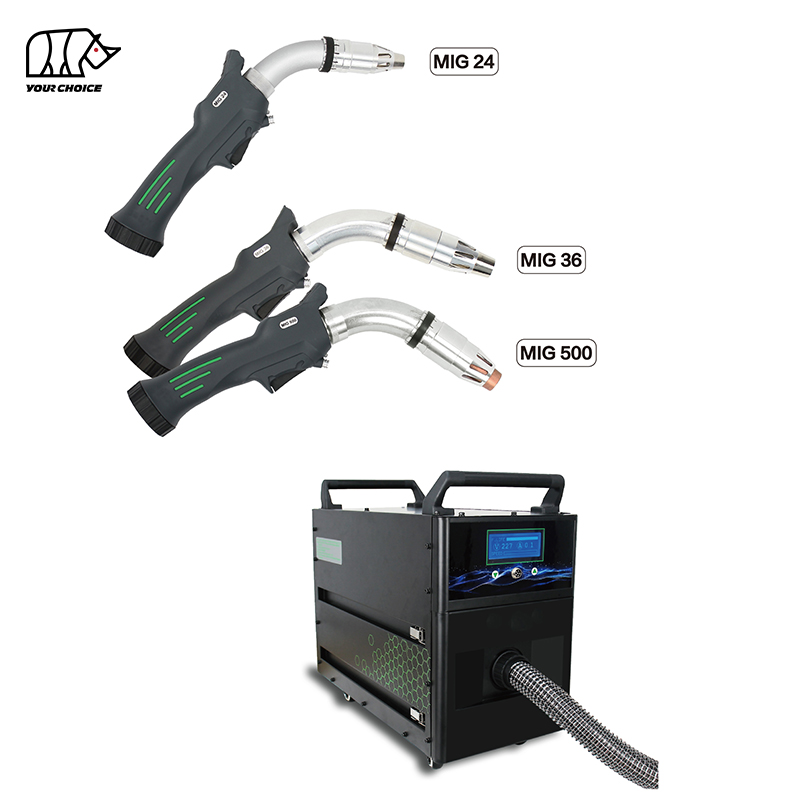
On-Gun Fume Extraction Systems
These systems integrate extraction directly into the welding torch. They capture fumes right at the arc—often the most efficient method.
High-Vacuum vs Low-Vacuum Extractors
High-Vacuum: Small capture nozzles, very strong suction—ideal for fume guns.
Low-Vacuum: Large extraction arms, great for general use.
Benefits of Using Mobile Welding Fume Extractors
Improved Worker Health
Cleaner air means healthier workers, fewer sick days, and better long-term safety.
Compliance With Regulations
Many workplaces must meet OSHA or ISO air quality standards. Mobile extractors help ensure compliance.
Versatility in Various Welding Environments
From MIG to TIG to stick welding, mobile extractors adapt to almost any situation.
Cost Savings Over Time
A healthier workplace reduces turnover, medical costs, and insurance claims.
Limitations of Mobile Fume Extractors
Limited Range
If the extraction arm is too far from the weld, its effectiveness drops quickly.
Dependency on Correct Positioning
Even a great extractor won’t work well if placed poorly.
Filter Maintenance Requirements
Filters must be cleaned or replaced regularly to maintain suction and airflow.
How to Choose the Right Mobile Welding Fume Extractor
Consider the Welding Process
Different welding processes create different fume volumes. MIG and flux-cored welding produce more fumes than TIG.
Check the Filtration System
Look for multi-stage filtration with HEPA and activated carbon for maximum protection.
Evaluate Portability Needs
If you work on construction sites, you’ll need a rugged, lightweight unit.
Look at Duty Cycle and Power
Always choose an extractor that matches your typical daily welding hours.
Tips for Maximizing Extractor Performance
Maintain Proper Distance
Keep the hood or arm as close to the weld as possible without interfering with your work.
Clean and Replace Filters Regularly
Clogged filters reduce airflow and reduce effectiveness.
Ensure Adequate Airflow
Avoid blocking the intake or placing the unit in tight spaces.
Comparing Mobile and Stationary Extractors
When Mobile Units Are Better
Frequent movement
Outdoor or fieldwork
Temporary setups
When Stationary Units Make More Sense
Large fabrication shops
High-volume welding
Permanent workstations
Real-World Use Cases
Workshop Environments
Small shops love mobile units because they offer flexibility and performance without the cost of full ducting systems.
On-Site Welding and Field Repairs
Mobile extractors shine in remote locations where ventilation is almost nonexistent.
Conclusion
So, do mobile welding fume extractors work? Absolutely—when used correctly. They offer a powerful, flexible, and cost-effective way to protect welders from hazardous fumes. Whether you’re running a workshop or working on the road, a mobile fume extractor is one of the smartest investments you can make for health, safety, and compliance. Just remember that effectiveness depends on good positioning, proper maintenance, and choosing the right type for the job.
 English
 简体中文
简体中文 العربية
 Français
 Русский
 Español
 Português
 Deutsch
 italiano
 日本語
日本語 한국어
한국어 Nederlands
 Tiếng Việt
 ไทย
ไทย Polski
 Türkçe
 ភាសាខ្មែរ
 Bahasa Melayu
 Filipino
 Bahasa Indonesia
 magyar
 Română
 Čeština
 Монгол
 қазақ
қазақ Српски
 हिन्दी
 فارسی
فارسی Slovenčina
 Slovenščina
 Norsk
Norsk Svenska
 українська
 Ελληνικά
 Suomi
Suomi Latine
 Dansk
Dansk বাংলা
বাংলা Hrvatski
 Afrikaans
 Gaeilge
 Eesti keel
 नेपाली
 Oʻzbekcha
 latviešu
 Azərbaycan dili
 Беларуская мова
 Bosanski
 Български
 ქართული
 Lietuvių