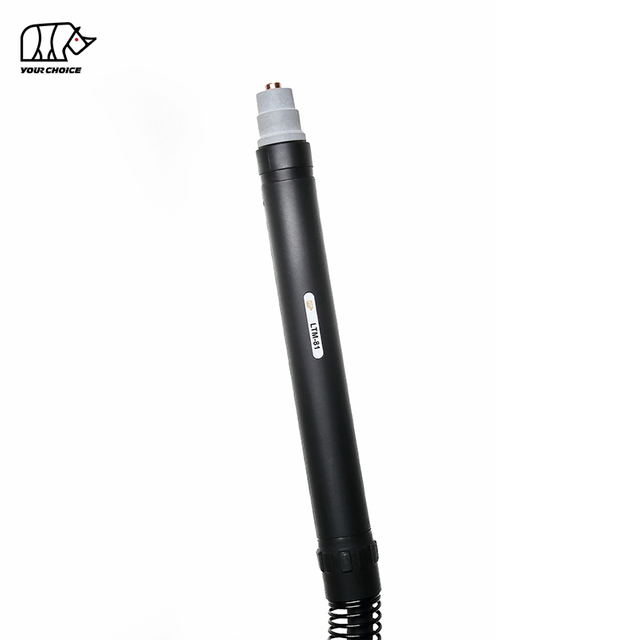
In the world of metal fabrication, the plasma cutter is the "Swiss Army Knife" of the workshop. Whether you are a hobbyist working in a garage or an industrial engineer overseeing a CNC production line, the question remains the same: "Will this torch cut through my material?"
Understanding the relationship between amperage, gas types, and material conductivity is vital for clean, dross-free cuts. In this ultimate guide, we break down the cutting capacities for the three most common metals: Carbon Steel, Stainless Steel, and Aluminum.
1. Understanding Plasma Cutting Fundamentals
Before we look at the charts, we must understand why different metals require different power levels. A plasma torch works by passing an electric arc through a pressurized gas (like air, nitrogen, or argon), creating a "plasma" state that melts metal and blows it away.
The Role of Amperage
Amperage is the primary driver of cutting capacity.
Low Amperage (15–30A): Ideal for thin sheet metal and HVAC work.
Mid-Range (40–80A): The "sweet spot" for general fabrication and maintenance.
High Amperage (100A+): Required for heavy industrial plates and thick structural steel.
Rated Cut vs. Severance Cut
When looking at manufacturer specs, you will see two terms:
Rated Cut: The thickness the machine can cut at a high quality (10 inches per minute or more) with a clean edge.
Severance Cut: The absolute maximum thickness the machine can push through. The cut will be slow, messy, and require significant grinding afterward.
2. Carbon Steel: The Gold Standard for Plasma
Carbon steel is the easiest material to cut with plasma. Because it is highly conductive and has a relatively low melting point compared to its structural integrity, plasma torches perform at their peak efficiency here.
Thickness Capacities by Amperage (Carbon Steel)
Machine Amperage
Rated Cut (Quality)
Severance Cut (Max)
30 Amps
1/4" (6mm)
3/8" (10mm)
40-50 Amps
1/2" (12mm)
5/8" (16mm)
60-80 Amps
3/4" (19mm)
1" (25mm)
100-120 Amps
1-1/4" (32mm)
1-1/2" (38mm)
Why Carbon Steel is Easier
Unlike aluminum, carbon steel doesn't dissipate heat as quickly, allowing the plasma stream to stay focused. Most entry-level 110V/220V dual-voltage cutters are optimized specifically for 1/4" to 1/2" carbon steel.
3. Stainless Steel: The Heat Challenge
Stainless steel is a different beast. It has a higher melting point and a chemical composition (chromium/nickel) that makes the molten metal "stickier."
Thickness Capacities by Amperage (Stainless Steel)
Machine Amperage
Rated Cut (Quality)
Severance Cut (Max)
30 Amps
3/16" (5mm)
1/4" (6mm)
50 Amps
3/8" (10mm)
1/2" (12mm)
80 Amps
5/8" (16mm)
3/4" (19mm)
The "Dross" Factor
When cutting stainless, you will often notice dross (hardened slag) on the bottom of the cut. To achieve the maximum rated thickness on stainless, professionals often switch from compressed air to Nitrogen or an Argon-Hydrogen mix to prevent oxidation and ensure a "silvery" finish.
4. Aluminum: The High-Conductivity Hurdle
Aluminum is notoriously difficult for plasma cutters. Because aluminum is an incredible conductor of heat, it sucks the energy away from the plasma arc faster than steel does.
Thickness Capacities by Amperage (Aluminum)
Machine Amperage
Rated Cut (Quality)
Severance Cut (Max)
30 Amps
1/8" (3mm)
3/16" (5mm)
50 Amps
1/4" (6mm)
3/8" (10mm)
80 Amps
1/2" (12mm)
5/8" (16mm)
Pro-Tip for Aluminum
To cut thicker aluminum, you need more speed. If you move too slowly, the heat dissipates into the surrounding plate, causing the edge to melt and deform. Always aim for a machine that is "over-specced" by 20% for your aluminum needs.
5. Factors That Affect Cutting Performance
The "rated thickness" on the box isn't the only thing that matters. Several external factors can reduce your cutting capacity by up to 30%.
Air Quality and Pressure
If your compressed air contains moisture or oil, the arc will flicker, and your consumables (nozzle/electrode) will burn out instantly. Using a dedicated air dryer is mandatory for thick-plate cutting.
Consumable Condition
A worn-out nozzle will create a "wandering" arc. If your torch is rated for 1/2" but struggles with 3/8", check your orifice. A perfectly round hole is required for maximum penetration.
Standoff Distance
For manual torches, maintaining a consistent 1/16" to 1/8" distance from the plate is crucial. Using a drag shield or a standoff guide ensures that the arc stays concentrated on the metal.
6. How to Choose the Right Plasma Cutter for Your Needs
For the DIYer / Artist
If you are cutting 16-gauge sheet metal or the occasional 1/4" bracket, a 30-40 Amp inverter-based cutter is sufficient. These are portable and often run on standard household outlets.
For the Fabrication Shop
For heavy-duty bumpers, trailers, or machinery repair, look for a 60-80 Amp unit. This ensures you can cut 3/4" steel all day without hitting the "Duty Cycle" limit.
For CNC Industrial Use
High-definition plasma systems (130A to 400A) are required for automated tables. These systems use sophisticated gas consoles to switch between Oxygen (for steel) and H35 (for thick stainless/aluminum).
Conclusion: Matching Power to Projects
The thickness of the metal you can cut is a direct reflection of your machine’s amperage and the type of material. While a 50A cutter handles 1/2" Carbon Steel with ease, it will struggle with 1/2" Aluminum. Always choose a machine based on your frequent cutting thickness, not your maximum severance thickness.
Ready to upgrade your workshop? Whether you're looking for precision or raw power, choosing the right torch starts with understanding your materials.
This website uses cookies and similar technologies (“cookies”). Subject to your consent, will use analytical cookies to track which content interests you, and marketing cookies to display interest-based advertising. We use third-party providers for these measures, who may also use the data for their own purposes.
You give your consent by clicking "Accept all" or by applying your individual settings. Your data may then also be processed in third countries outside the EU, such as the US, which do not have a corresponding level of data protection and where, in particular, access by local authorities may not be effectively prevented. You can revoke your consent with immediate effect at any time. If you click on "Reject all", only strictly necessary cookies will be used.
 English
 简体中文
简体中文 العربية
 Français
 Русский
 Español
 Português
 Deutsch
 italiano
 日本語
日本語 한국어
한국어 Nederlands
 Tiếng Việt
 ไทย
ไทย Polski
 Türkçe
 ភាសាខ្មែរ
 Bahasa Melayu
 Filipino
 Bahasa Indonesia
 magyar
 Română
 Čeština
 Монгол
 қазақ
қазақ Српски
 हिन्दी
 فارسی
فارسی Slovenčina
 Slovenščina
 Norsk
Norsk Svenska
 українська
 Ελληνικά
 Suomi
Suomi Latine
 Dansk
Dansk বাংলা
বাংলা Hrvatski
 Afrikaans
 Gaeilge
 Eesti keel
 नेपाली
 Oʻzbekcha
 latviešu
 Azərbaycan dili
 Беларуская мова
 Bosanski
 Български
 ქართული
 Lietuvių