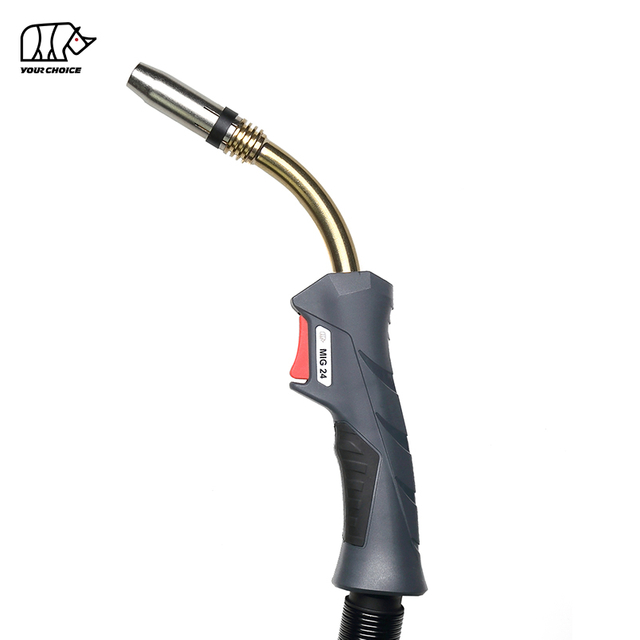
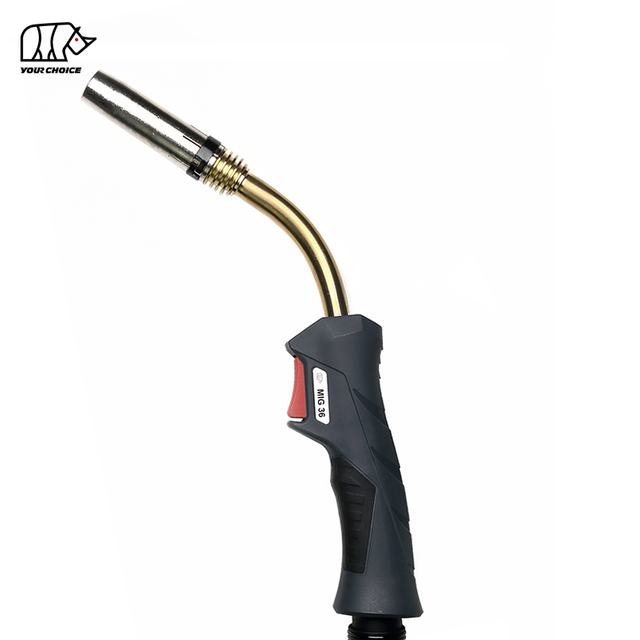
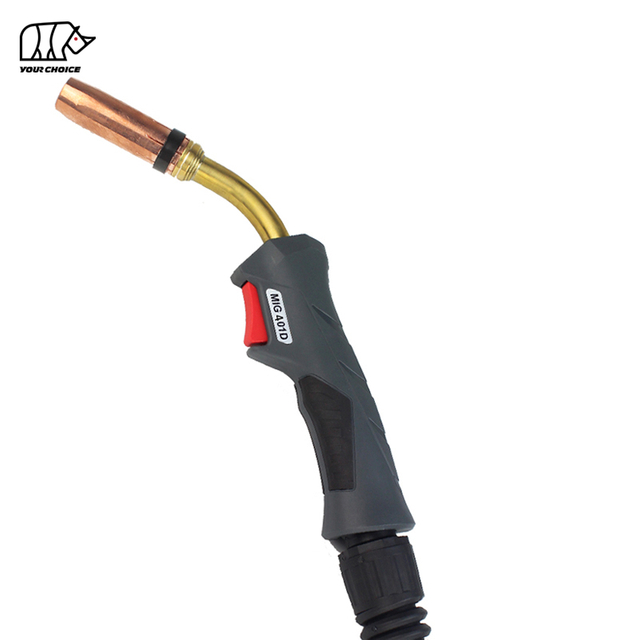
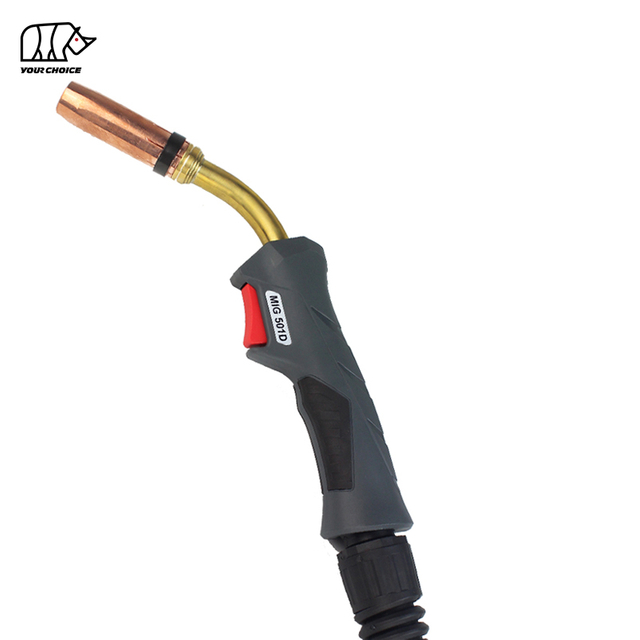
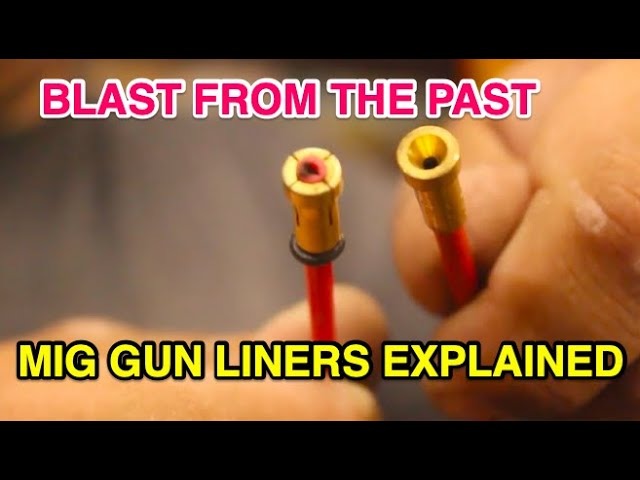
In the world of MIG welding, the liner is the unsung hero of your setup. Hidden inside the gun cable, this spiral-wound component (usually made of steel or flexible material) serves one critical purpose: to guide the welding wire from the drive rolls through the gun neck and out to the contact tip. It is the conduit that ensures your filler metal arrives smoothly and consistently to the weld puddle.
However, because it is constantly in contact with the moving wire and subjected to harsh environments, the liner is a wear item. When it starts to fail, it doesn't always announce itself with a bang. Instead, it degrades gradually, causing frustrating issues that welders often misdiagnose as drive roll problems or poor machine settings.
Ignoring a worn liner is a recipe for downtime, wasted materials, and poor weld quality. Here are the five definitive signs that your MIG gun liner has reached the end of its service life and needs to be replaced.
1. Erratic Wire Feeding and "Chatter"
The most common symptom of a failing liner is inconsistent wire delivery. If you notice the wire feeding in a jerky, start-stop motion, or if you hear a distinct "chattering" sound coming from the gun cable, your liner is likely the culprit.
The Friction Factor
When a liner is new, the interior surface is smooth, allowing the wire to slide through with minimal resistance. Over time, this surface wears down. Grooves can be worn into the liner from the wire constantly rubbing against it, especially if you frequently weld in tight radiuses. Additionally, dirt, dust, and metal shavings accumulate inside, creating a rough surface that grabs the wire.
As the drive rolls push, the wire momentarily sticks inside the liner. Pressure builds until the wire breaks free, causing the erratic speed and audible chatter. This "stick-slip" action destroys the stability of the arc. If your wire feed speed is set correctly but the arc length seems to fluctuate randomly, inspect the liner immediately.
2. The Dreaded Birdnest
"Birdnesting"—that chaotic tangle of wire that explodes between the drive rolls and the gun entry point—is a catastrophic failure that stops production instantly. While birdnesting can be caused by incorrect drive roll tension or a burnt contact tip, a compromised liner is a primary suspect.
When the Wire Has Nowhere to Go
Imagine trying to push a rope through a kinked hose. Eventually, the rope will bunch up at the entrance. The same physics apply to wire feeding. If the liner is severely contaminated, kinked, or has been crushed by a heavy object running over the cable, the wire cannot physically pass through. The drive rolls, however, keep turning. Since the path of least resistance is no longer forward, the wire curls up behind the rollers, creating the "birdnest."
If you find yourself clearing birdnests frequently despite having proper drive roll tension, do not just re-thread the wire. Remove the liner and inspect it for kinks or blockages. In most cases, replacement is the only cure.
3. Visible Contamination During Cleaning
Preventative maintenance often involves blowing out the gun liner with compressed air to remove dust and debris. While this is a good practice, paying attention to what comes out of the liner during this process is crucial.
The "Dirty Pipe" Analogy
Think of your MIG gun liner like an old drainpipe in your house. Over time, it gets "gummed up." If you blow out the liner and see a significant amount of gray dust (typically oxidized steel or copper flakes from the wire) or large rust-colored particles, it is a sign that the liner is abrading the wire. This is a self-destructive cycle: the worn liner shaves the wire, creating debris, which then causes more friction and wear.
While a light dusting is normal, heavy contamination indicates that the inner diameter of the liner has become rough and is acting like sandpaper on your wire. Once this process starts, it accelerates rapidly. If cleaning the liner provides only a temporary fix and the feeding issues return after a few hours of welding, the liner is too worn to save.
4. Frequent and Unexplained Burnbacks
A burnback occurs when the wire fuses itself to the inside of the contact tip. Most welders instinctively reach for a new contact tip when this happens. However, if you are experiencing burnbacks with alarming frequency—especially with new tips—the liner may be the root cause.
Feed Rate vs. Melt Rate Imbalance
For a burnback to occur, the wire is feeding slower than it is melting, causing the arc to travel up the wire and into the tip. A worn liner can cause this by creating enough friction to slow the wire feed speed just enough to upset this delicate balance.
If the liner is dragging, the wire may hesitate or slow down for a fraction of a second inside the gun. The arc, sensing the slower feed, climbs back toward the contact tip. While you might blame the tip (and it certainly needs replacing after the burnback), the underlying issue is the inconsistent delivery caused by the liner. If you are going through tips faster than usual due to burnbacks, perform a full liner inspection.
5. The "Pull Test" Fails
Sometimes, the most effective diagnostics are the simplest. There is a quick, hands-on test that can tell you more about your liner's condition than visual inspection alone. It is commonly referred to as the "Pull Test".
How to Perform the Test:
Disconnect the gun from the wire feeder, or at least loosen the drive rolls so they are not pinching the wire.
Pull about 6 to 8 inches of wire out of the end of the gun.
Grab the wire with a pair of pliers (gently, so you don't kink it).
Try to push and pull the wire back and forth inside the liner.
Interpreting the Results
If the liner is in good condition, you should be able to slide the wire back and forth with very little resistance. It should feel smooth and glide easily. If you meet significant resistance, or if you feel a "grinding" sensation, the liner is compromised.
A good liner allows the wire to float freely. If you have to yank hard to move the wire, or if the wire refuses to move at all, the liner is likely kinked, crushed, or clogged with debris. This test leaves no room for doubt: if the wire won't slide, the liner must be replaced.
Conclusion: Prevention and Proactive Replacement
Waiting for these signs to appear is reactive maintenance. To maximize uptime, consider proactive liner replacement based on usage. For shops running heavy production shifts, replacing the liner once or twice a year is a cheap investment compared to the cost of downtime caused by birdnesting and burnbacks.
Remember, the liner is the highway for your welding wire. If the highway is full of potholes (wear), construction (debris), or detours (kinks), traffic stops. By recognizing these five signs, you can diagnose feed issues accurately, get your torch back in action faster, and lay down consistent, high-quality welds.
 English
 简体中文
简体中文 العربية
 Français
 Русский
 Español
 Português
 Deutsch
 italiano
 日本語
日本語 한국어
한국어 Nederlands
 Tiếng Việt
 ไทย
ไทย Polski
 Türkçe
 ភាសាខ្មែរ
 Bahasa Melayu
 Filipino
 Bahasa Indonesia
 magyar
 Română
 Čeština
 Монгол
 қазақ
қазақ Српски
 हिन्दी
 فارسی
فارسی Slovenčina
 Slovenščina
 Norsk
Norsk Svenska
 українська
 Ελληνικά
 Suomi
Suomi Latine
 Dansk
Dansk বাংলা
বাংলা Hrvatski
 Afrikaans
 Gaeilge
 Eesti keel
 नेपाली
 Oʻzbekcha
 latviešu
 Azərbaycan dili
 Беларуская мова
 Bosanski
 Български
 ქართული
 Lietuvių