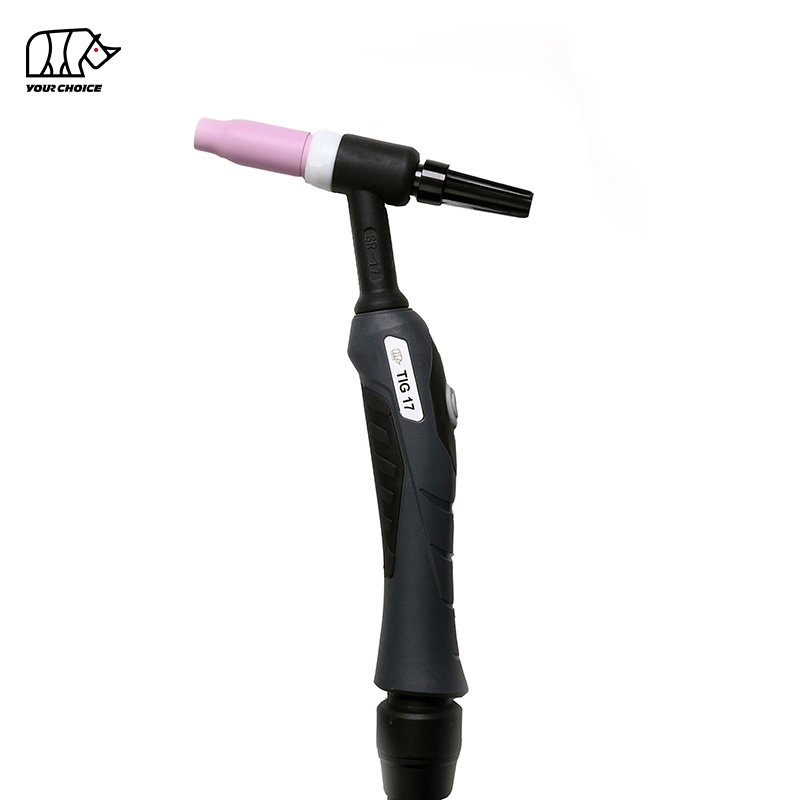
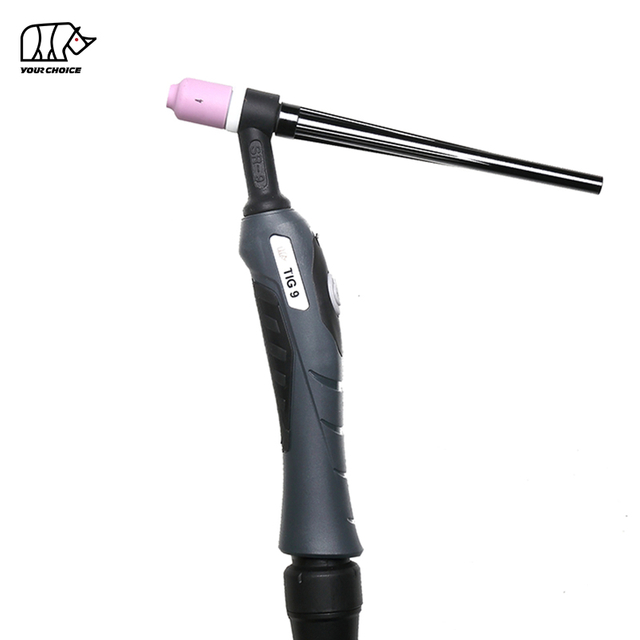
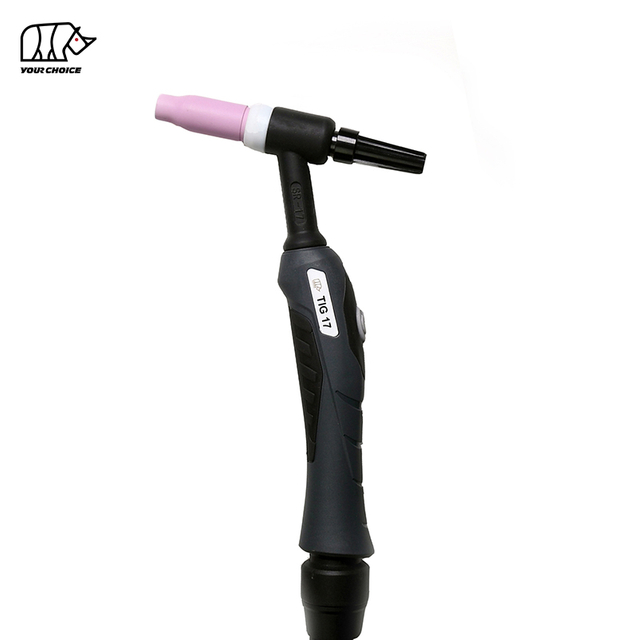
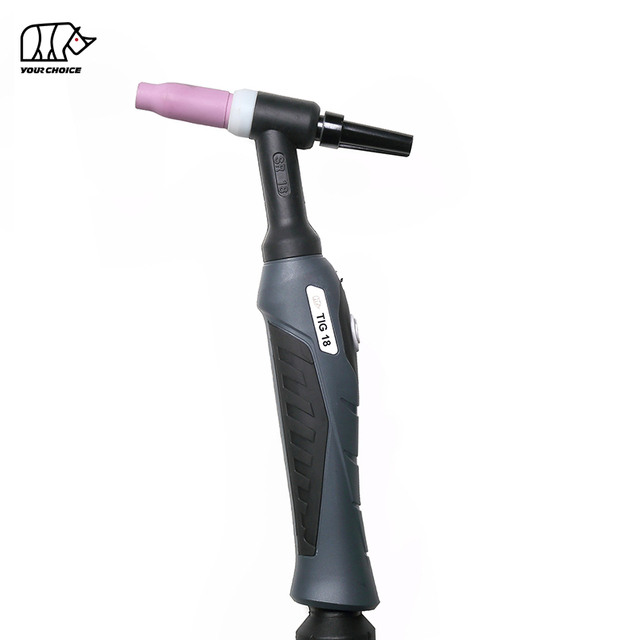
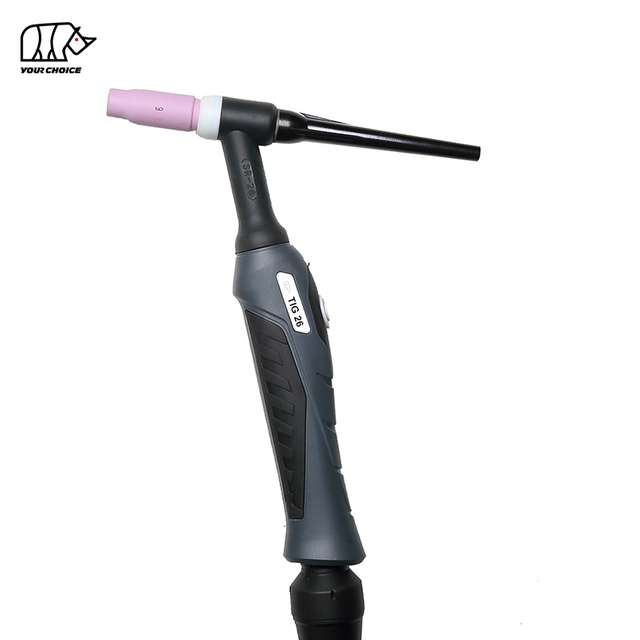
Selecting the right TIG welding torch has a direct impact on welding quality, productivity, operator comfort, and overall operating costs. Whether you are a fabrication shop, welding equipment distributor, OEM manufacturer, or industrial user, understanding the differences between an air-cooled TIG torch and a water-cooled TIG torch is essential before making an investment.
Although both torch types perform the same welding process, their cooling methods create significant differences in heat management, duty cycle, portability, and long-term efficiency. Choosing the wrong cooling system may reduce productivity, increase consumable wear, and create unnecessary operator fatigue.
This comprehensive guide compares air-cooled and water-cooled TIG torches from every important angle, helping you determine which solution best matches your applications.
Understanding TIG Welding Torch Cooling Systems
A TIG torch generates substantial heat while carrying welding current through the electrode and surrounding components. The cooling system prevents excessive temperatures that could damage consumables, shorten equipment life, or make the torch uncomfortable to hold.
What Is an Air-Cooled TIG Torch?
An air-cooled TIG torch relies on ambient air and the shielding gas flowing through the torch to dissipate heat. Heat travels through the copper components and torch body before naturally releasing into the surrounding environment.
Since no external cooling equipment is required, air-cooled torches feature a simple design with fewer components. They are commonly used for light fabrication, maintenance work, field repairs, hobby welding, and low-to-medium amperage applications.
What Is a Water-Cooled TIG Torch?
A water-cooled TIG torch circulates coolant through dedicated internal channels. The coolant absorbs heat from the torch head before returning to a cooling unit where the heat is removed.
Because water transfers heat much more efficiently than air, these torches remain significantly cooler during prolonged high-current welding. They are widely used in industrial production lines, robotic welding cells, aluminum fabrication, and continuous manufacturing operations.
How Air-Cooled and Water-Cooled TIG Torches Work
Although both torches produce identical welding arcs, their thermal management systems differ dramatically.
Air-cooled torches depend entirely on natural convection and shielding gas flow. As amperage increases, the torch body gradually becomes hotter, eventually reaching temperatures that reduce operator comfort and require cooling pauses.
Water-cooled torches actively remove heat throughout the welding process. Continuous coolant circulation stabilizes the torch temperature, allowing longer welds, higher amperage, and improved operator comfort without sacrificing performance.
The result is greater productivity during demanding welding operations where downtime must be minimized.
Air-Cooled vs Water-Cooled TIG Torch: Key Differences
Feature
Air-Cooled TIG Torch
Water-Cooled TIG Torch
Cooling Method
Natural air
Liquid coolant
Initial Investment
Lower
Higher
Operating Cost
Lower
Moderate
Torch Weight
Heavier handle
Lighter handle
Cooling Unit Required
No
Yes
Maximum Current
Medium
High
Continuous Welding
Limited
Excellent
Portability
Excellent
Moderate
Maintenance
Simple
More comprehensive
Best Applications
Repair, maintenance, light fabrication
Heavy industrial production
Advantages of Air-Cooled TIG Torches
Air-cooled TIG torches remain the preferred solution for countless welding professionals because of their simplicity and flexibility.
Their biggest advantage is portability. Without requiring a coolant system, operators can quickly move between workstations or perform on-site repairs without transporting additional equipment.
Maintenance is also straightforward. There are no coolant pumps, hoses, radiators, or reservoirs requiring inspection. Fewer components mean fewer potential failure points and lower service costs over time.
Another important benefit is affordability. Businesses with moderate welding requirements often find air-cooled torches provide an excellent balance between performance and investment.
For workshops performing occasional TIG welding, repair work, or custom fabrication, an air-cooled system often delivers everything needed without unnecessary complexity.
Advantages of Water-Cooled TIG Torches
Water-cooled TIG torches excel in demanding industrial environments where productivity is the highest priority.
Their superior cooling efficiency allows operators to weld at higher amperage for extended periods without overheating the torch. This results in longer duty cycles, reduced interruptions, and increased production output.
Because the torch body remains cooler, manufacturers can design smaller and lighter torch heads. Operators experience less hand fatigue during long welding shifts, improving comfort and precision.
Lower operating temperatures also extend the service life of consumables such as collets, collet bodies, gas lenses, and torch caps. Reduced thermal stress helps minimize replacement frequency and lowers long-term operating costs.
For automated welding cells, robotic systems, and continuous production lines, water-cooled torches provide the consistency required for high-volume manufacturing.
Which TIG Torch Is Better for Different Industries?
Different industries have unique welding requirements, making one cooling method more suitable than another.
Automotive Manufacturing
Automotive suppliers frequently weld stainless steel, aluminum, and thin-gauge materials in repetitive production cycles. Water-cooled torches improve productivity while maintaining consistent weld quality.
Aerospace Fabrication
Precision is critical in aerospace applications. Stable torch temperatures reduce heat-related inconsistencies and improve operator control during demanding welds.
Stainless Steel Fabrication
Both cooling systems perform well on stainless steel. Small fabrication shops often prefer air-cooled torches, while production facilities benefit from water-cooled systems.
Aluminum Welding
Aluminum requires higher welding currents because of its excellent thermal conductivity. Water-cooled torches are generally better suited for prolonged aluminum welding applications.
How to Choose the Right TIG Torch
Selecting the correct TIG torch involves evaluating several factors instead of focusing solely on price.
Consider:
Typical welding amperage
Daily welding duration
Material thickness
Production volume
Workshop mobility requirements
Equipment budget
Future business growth
If welding sessions are short and portable equipment is essential, an air-cooled torch is usually the practical choice.
If production involves continuous high-current welding with demanding duty cycles, investing in a water-cooled system can significantly improve efficiency and operator comfort.
Maintenance Tips for Longer Torch Life
Proper maintenance extends equipment lifespan regardless of the cooling method.
Inspect consumables regularly for wear or contamination. Replace damaged collets, nozzles, and electrodes before they affect weld quality.
Keep all electrical connections clean and secure to reduce resistance and heat generation.
For water-cooled systems, monitor coolant quality, inspect hoses for leaks, and ensure unrestricted coolant circulation.
Clean the torch head periodically to remove welding debris and prevent overheating.
Proper storage also protects cables from excessive bending, reducing the likelihood of internal damage.
Common Buying Mistakes
Many buyers select a TIG torch based only on purchase price, overlooking total ownership costs and application requirements.
Common mistakes include:
Choosing an air-cooled torch for continuous high-amperage production
Purchasing a water-cooled system for occasional repair work
Ignoring duty cycle specifications
Overlooking operator comfort
Using incompatible consumables
Neglecting preventive maintenance
Evaluating current and future production needs helps ensure the right investment.
Conclusion
The comparison between air-cooled vs water-cooled TIG torch ultimately comes down to your welding applications, production demands, and operational priorities.
An air-cooled TIG torch offers simplicity, affordability, and portability, making it an excellent choice for maintenance, repair work, field service, and light fabrication.
A water-cooled TIG torch delivers superior thermal management, higher duty cycles, greater operator comfort, and increased productivity for demanding industrial environments and continuous manufacturing.
Understanding the strengths of each system allows businesses to select equipment that improves welding performance, reduces downtime, and supports long-term operational efficiency. Whether you are an OEM manufacturer, distributor, or fabrication workshop, choosing the right TIG torch is an investment in both quality and productivity.
Frequently Asked Questions
1. Which TIG torch lasts longer, air-cooled or water-cooled?
A properly maintained water-cooled TIG torch often experiences less thermal stress, which can extend the lifespan of both the torch and its consumables during high-duty-cycle applications.
2. Is an air-cooled TIG torch suitable for aluminum welding?
Yes. It is suitable for light to medium aluminum welding. For prolonged high-amperage aluminum welding, a water-cooled torch generally offers better performance.
3. Does a water-cooled TIG torch improve weld quality?
The welding process remains the same, but the cooler operating temperature provides greater operator comfort and more consistent performance during long welding sessions.
4. Which TIG torch requires less maintenance?
Air-cooled TIG torches require less maintenance because they do not include coolant circulation systems, pumps, or cooling units.
5. Can OEM manufacturers customize TIG welding torches?
Yes. Professional OEM manufacturers commonly provide customized cable lengths, connector types, handle designs, packaging, branding, and application-specific configurations to meet customer requirements.
This website uses cookies and similar technologies (“cookies”). Subject to your consent, will use analytical cookies to track which content interests you, and marketing cookies to display interest-based advertising. We use third-party providers for these measures, who may also use the data for their own purposes.
You give your consent by clicking "Accept all" or by applying your individual settings. Your data may then also be processed in third countries outside the EU, such as the US, which do not have a corresponding level of data protection and where, in particular, access by local authorities may not be effectively prevented. You can revoke your consent with immediate effect at any time. If you click on "Reject all", only strictly necessary cookies will be used.
 English
 简体中文
简体中文 العربية
 Français
 Русский
 Español
 Português
 Deutsch
 italiano
 日本語
日本語 한국어
한국어 Nederlands
 Tiếng Việt
 ไทย
ไทย Polski
 Türkçe
 ភាសាខ្មែរ
 Bahasa Melayu
 Filipino
 Bahasa Indonesia
 magyar
 Română
 Čeština
 Монгол
 қазақ
қазақ Српски
 हिन्दी
 فارسی
فارسی Slovenčina
 Slovenščina
 Norsk
Norsk Svenska
 українська
 Ελληνικά
 Suomi
Suomi Latine
 Dansk
Dansk বাংলা
বাংলা Hrvatski
 Afrikaans
 Gaeilge
 Eesti keel
 नेपाली
 Oʻzbekcha
 latviešu
 Azərbaycan dili
 Беларуская мова
 Bosanski
 Български
 ქართული
 Lietuvių