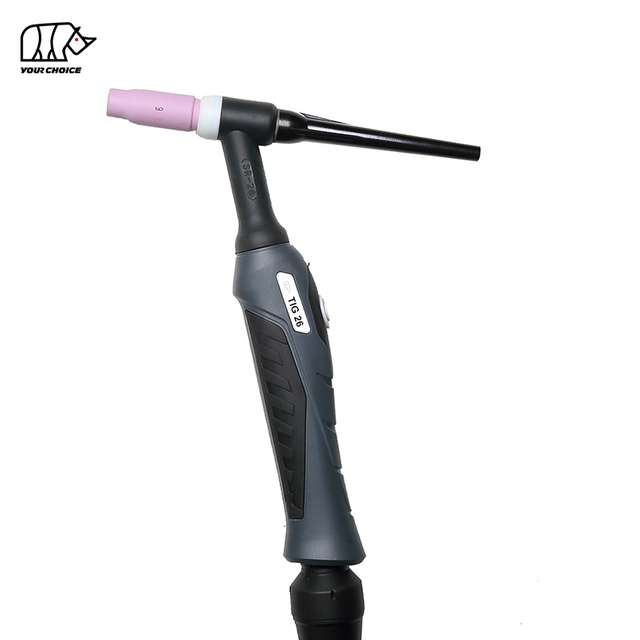
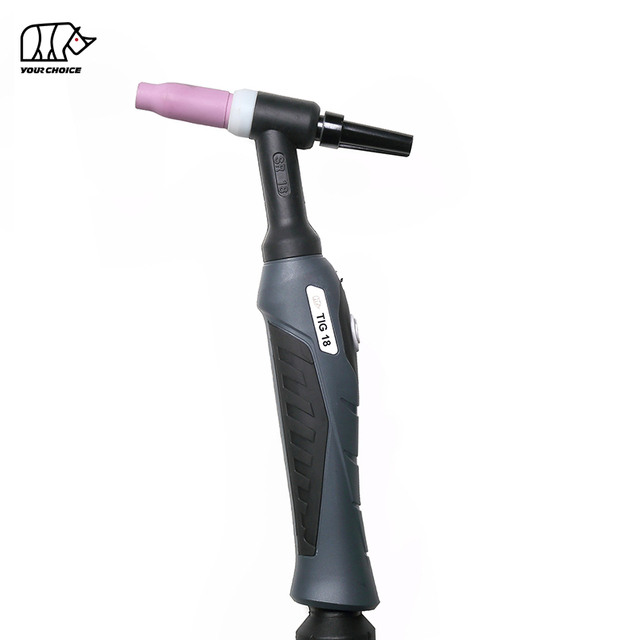
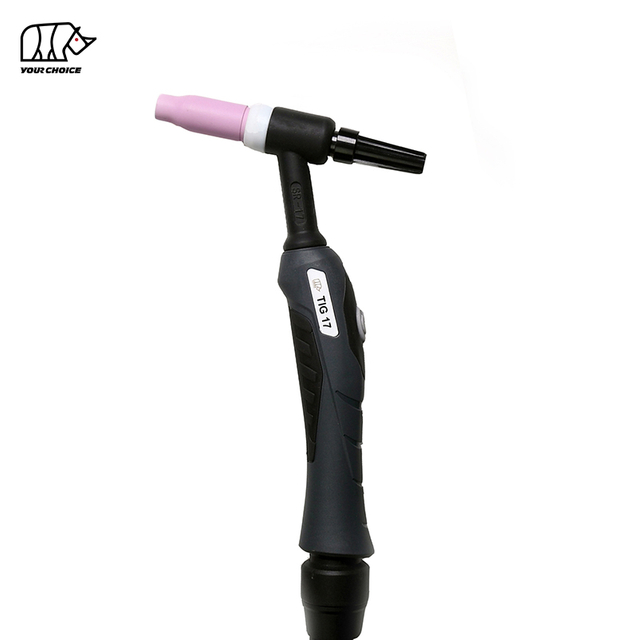
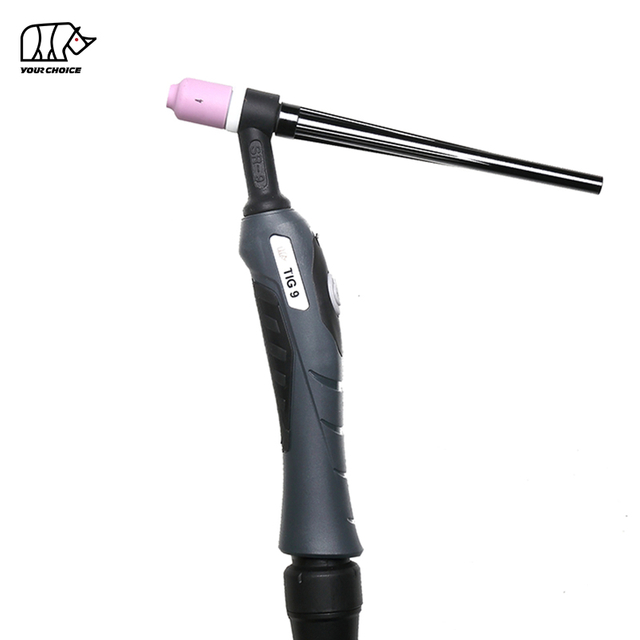
Achieving a stable arc is one of the most important factors in producing high-quality TIG welds. Whether you are welding stainless steel, aluminum, carbon steel, titanium, or other alloys, TIG arc stability directly affects weld appearance, penetration, heat control, productivity, and overall welding efficiency. Even experienced welders occasionally encounter problems such as arc wandering, arc flickering, inconsistent penetration, excessive spatter during arc initiation, or unstable arc length. These issues can result in costly rework, reduced productivity, and premature wear of welding consumables.
Unlike other welding processes, TIG welding relies on a non-consumable tungsten electrode to generate an extremely precise arc. This precision makes TIG welding ideal for applications requiring clean, high-quality welds, but it also means the process is more sensitive to equipment setup, consumable condition, shielding gas coverage, and operator technique. A small mistake—such as using the wrong tungsten electrode, incorrect gas flow, or contaminated materials—can quickly lead to poor arc performance.
This guide explains how to improve TIG arc stability by examining the key factors that influence arc behavior. From selecting the right torch and consumables to optimizing machine settings and maintenance practices, you'll learn practical methods that help produce smoother, more consistent welds while extending equipment life and reducing operating costs.
Why TIG Arc Stability Matters
Arc stability is the foundation of successful TIG welding. A stable arc maintains a consistent electrical path between the tungsten electrode and the workpiece, producing a controlled weld pool and uniform penetration. When the arc remains steady, heat is distributed evenly, making it easier to achieve smooth bead profiles and minimize weld defects.
Poor arc stability creates several problems. Arc wandering causes inconsistent fusion and makes it difficult to maintain precise weld placement. Arc fluctuations may introduce porosity, undercut, or irregular bead appearance, especially when welding thin materials or high-value components. Excessive heat variation can also shorten consumable life, increasing replacement frequency and operating costs.
For manufacturers focused on quality and productivity, improving arc stability delivers several measurable benefits:
Better weld appearance with consistent bead geometry
Improved penetration control
Reduced rework and scrap
Longer tungsten electrode life
Lower consumable costs
Higher welding efficiency
Increased operator confidence
Improved repeatability in manual and automated welding
Because TIG welding is commonly used in industries such as aerospace, automotive, food processing, pressure vessel manufacturing, medical equipment, and precision fabrication, maintaining a stable arc is essential for meeting strict quality requirements.
Common Causes of Unstable TIG Arc
Before solving arc stability problems, it is important to identify their root causes. Many welding issues result from a combination of equipment setup, consumables, environmental conditions, and operator technique.
Contaminated Tungsten Electrode
A contaminated tungsten electrode is one of the most common reasons for unstable arcs. Contact between the tungsten and the molten weld pool transfers contaminants onto the electrode tip, disrupting electron flow and causing arc wandering or erratic ignition.
Grinding the tungsten improperly can also reduce stability. Grinding marks that run around the electrode instead of lengthwise interfere with the electrical path and make the arc less focused.
Improper Shielding Gas Coverage
Shielding gas protects both the tungsten electrode and the molten weld pool from atmospheric contamination. Insufficient gas coverage allows oxygen, nitrogen, and moisture to enter the arc, resulting in oxidation, porosity, and unstable arc characteristics.
Common causes include:
Gas flow set too low
Excessively high gas flow causing turbulence
Damaged gas hoses
Loose fittings
Worn torch components
Incorrect nozzle size
Maintaining smooth and consistent shielding gas flow is one of the easiest ways to improve arc stability.
Incorrect Welding Parameters
Machine settings greatly influence arc behavior. Using excessive amperage, incorrect polarity, or an inappropriate arc start method can create inconsistent arc characteristics.
Parameters that should always match the application include:
Welding current
Arc length
Pulse settings
AC balance (for aluminum)
AC frequency
Start current
Upslope and downslope timing
Proper parameter optimization produces a smoother and more controllable welding arc.
Poor Ground Connection
Electrical resistance at the ground clamp can cause intermittent current flow. Loose or corroded work clamps reduce conductivity, resulting in arc fluctuations and inconsistent weld quality.
A clean, secure ground connection ensures stable current delivery throughout the welding process.
Choose the Right TIG Torch for Better Arc Stability
Many welders focus only on machine settings while overlooking the importance of the TIG torch itself. The torch is the direct connection between the power source and the welding arc, making its quality and condition critical for consistent performance.
A well-designed TIG torch provides reliable electrical conductivity, efficient cooling, and stable gas delivery. Damaged torch heads, worn power cables, or loose internal connections increase resistance and may lead to inconsistent arc performance.
Selecting the appropriate cooling system also plays an important role.
Air-Cooled TIG Torches
Air-cooled torches are suitable for light to medium-duty applications. They are portable, simple to maintain, and ideal for repair work or field operations. However, prolonged high-amperage welding may cause the torch to become hot, affecting operator comfort and consistency.
Water-Cooled TIG Torches
Water-cooled torches maintain lower operating temperatures during continuous welding. Because the torch body remains cooler, operators experience less fatigue and can maintain a steadier hand position over long production cycles. This improved comfort often translates into better arc control and higher welding quality.
Regardless of the cooling method, routine inspection of torch components—including the handle, cable assembly, gas hose, collet body, and nozzle—is essential for maintaining consistent electrical performance.
Select High-Quality TIG Consumables
Consumables have a direct impact on arc stability. Even with a premium welding machine, worn or incompatible consumables can create inconsistent electrical contact and poor shielding gas distribution.
Tungsten Electrode Selection
The tungsten electrode should match the base material, welding current, and polarity. Choosing the correct diameter helps prevent overheating while maintaining a concentrated arc.
A properly prepared tungsten features:
A clean surface
Consistent taper angle
Smooth grinding marks running lengthwise
No contamination
No cracks or chips
Regular inspection and regrinding help maintain optimum arc performance.
Collets and Collet Bodies
Loose or worn collets reduce electrical contact between the electrode and the torch. Poor contact increases resistance and contributes to unstable arc characteristics.
Replacing worn collets before they lose their gripping force helps maintain consistent current flow.
Ceramic Nozzles
The ceramic nozzle directs shielding gas around the weld zone. Cracked or damaged nozzles create uneven gas coverage that may expose the arc to atmospheric contamination.
Selecting the correct nozzle size for each application improves shielding effectiveness and arc consistency.
Gas Lens Systems
Gas lenses straighten shielding gas flow, producing a smoother gas envelope around the tungsten electrode. Compared with standard collet bodies, gas lenses often improve arc stability, especially when welding stainless steel, titanium, or thin materials that require extended tungsten stick-out.
For precision fabrication, many professional welders prefer gas lens systems because they enhance visibility while maintaining excellent shielding gas coverage.
Optimize TIG Welding Machine Settings for Arc Stability
A properly configured TIG welding machine is one of the most important factors in achieving a stable and predictable welding arc. Even when using the correct torch, tungsten electrode, and shielding gas, incorrect machine settings can create arc fluctuations, inconsistent penetration, and poor weld appearance.
Many TIG welding problems are caused by settings that do not match the material thickness, joint design, or welding position. A stable arc requires a balanced relationship between current output, arc length, polarity, pulse parameters, and welding speed.
Understanding how each setting affects arc behavior allows welders to make precise adjustments instead of relying on trial and error.
Adjust the Correct Welding Current
The welding current determines the amount of heat generated by the arc. Using the correct amperage ensures that the arc remains concentrated and stable while providing sufficient penetration.
If the current setting is too low, the arc may become weak and unstable. The tungsten electrode may struggle to maintain a consistent arc path, especially when welding thicker materials.
If the current is too high, excessive heat can cause tungsten overheating, electrode deformation, and increased contamination risk.
A general guideline is:
Thin materials require lower current settings for controlled heat input.
Medium-thickness materials require balanced amperage for stable penetration.
Thick materials require higher current output and improved cooling performance.
The goal is not simply to increase amperage but to select a current level that matches the welding application.
Maintain Proper Arc Length
Arc length has a significant impact on TIG arc stability. The distance between the tungsten electrode and the workpiece affects arc concentration, heat distribution, and shielding gas effectiveness.
A short arc length produces a focused and stable arc with better control. However, if the tungsten touches the workpiece, contamination can occur immediately.
A long arc length spreads the arc over a wider area, reducing penetration and making the arc more sensitive to movement and airflow.
For most TIG applications, maintaining a consistent and relatively short arc length helps achieve:
Better arc control
More concentrated heat
Improved penetration
Reduced tungsten overheating
Cleaner weld appearance
Consistent hand movement and proper torch positioning are essential skills for maintaining the ideal arc length.
Optimize AC Settings for Aluminum TIG Welding
When welding aluminum, TIG machines often use alternating current (AC) because aluminum oxide requires additional control to achieve proper cleaning and penetration.
Several AC parameters influence arc stability.
AC Balance
AC balance controls the ratio between electrode negative and electrode positive cycles.
More cleaning action can remove surface oxides but may increase tungsten heating. Too much penetration-focused adjustment may reduce oxide cleaning ability.
Finding the correct balance helps maintain a stable arc while producing clean aluminum welds.
AC Frequency
AC frequency affects arc concentration and stability. Higher frequency settings typically create a tighter, more focused arc, improving control when welding detailed components or thinner materials.
Lower frequency settings may create a softer arc that is suitable for broader weld pools.
Proper adjustment depends on the material thickness, joint design, and desired weld characteristics.
Improve Shielding Gas Control
Shielding gas plays a critical role in TIG arc stability. The gas protects the molten weld pool and tungsten electrode from atmospheric contamination while helping maintain consistent arc conditions.
Even small problems with gas delivery can cause noticeable welding defects.
Select the Correct Gas Flow Rate
Too little shielding gas allows contaminants to enter the weld area, creating oxidation, discoloration, and unstable arc behavior.
However, excessive gas flow can also cause problems. High flow rates create turbulence around the arc, which may introduce air into the shielding zone.
A stable gas flow should provide complete protection without disturbing the arc.
Factors affecting the ideal gas flow include:
Nozzle size
Welding current
Material type
Welding environment
Torch design
Tungsten stick-out length
Prevent Gas Turbulence
Shielding gas turbulence is a common but overlooked cause of unstable TIG arcs.
Potential causes include:
Excessive gas pressure
Incorrect nozzle selection
Damaged gas lenses
Strong airflow in the workspace
Poor torch angle
When welding outdoors or in areas with ventilation systems, additional protection may be required to prevent airflow from disturbing shielding coverage.
Maintaining a calm shielding environment helps the arc remain focused and consistent.
Improve Tungsten Electrode Preparation
The tungsten electrode is the source of the TIG arc, making its preparation extremely important.
A properly prepared tungsten creates a stable electron path, while an improperly prepared electrode can cause arc wandering and inconsistent starts.
Use the Correct Grinding Method
The grinding direction affects arc behavior.
Grinding marks should run lengthwise along the electrode rather than around the circumference. Longitudinal grinding allows electrons to flow smoothly toward the tip.
An uneven or damaged tungsten surface can create multiple arc paths, causing instability.
Maintain the Correct Electrode Shape
Different welding applications require different tungsten tip preparations.
A sharper tungsten tip generally provides a more focused arc, making it suitable for thin materials and precision welding.
A slightly rounded tip may be preferred for certain AC aluminum applications where electrode durability is important.
The ideal preparation depends on:
Welding current type
Material thickness
Welding position
Required penetration
Machine settings
Use Proper TIG Welding Techniques
Equipment setup is important, but operator technique also has a major influence on arc stability.
A skilled welder maintains consistent torch movement, correct angles, and steady hand control throughout the welding process.
Maintain a Consistent Torch Angle
The torch angle affects shielding gas coverage and arc direction.
A typical TIG welding position uses a slight torch angle that allows proper visibility while maintaining gas protection over the weld pool.
An excessive angle can expose the weld area to contamination and make the arc less stable.
Control Travel Speed
Travel speed affects heat input and weld consistency.
Moving too quickly may result in insufficient penetration and an unstable weld pool.
Moving too slowly increases heat buildup and may cause distortion or excessive penetration.
Maintaining a steady travel speed helps the arc remain consistent throughout the weld.
Avoid Excessive Tungsten Stick-Out
Long tungsten stick-out reduces shielding gas effectiveness and makes the arc more vulnerable to environmental factors.
While extended stick-out may sometimes improve visibility in tight joints, excessive length can create:
Arc instability
Reduced shielding protection
Increased contamination risk
Use the shortest practical tungsten extension for the application.
Maintain TIG Equipment for Long-Term Arc Stability
Regular maintenance prevents many arc stability issues before they occur.
A maintenance schedule should include inspection of:
TIG torch body
Cable connections
Gas hoses
Collets
Collet bodies
Ceramic nozzles
Tungsten electrodes
Cooling systems
Loose electrical connections create resistance, which generates heat and reduces current consistency.
Damaged gas hoses can introduce leaks, reducing shielding protection.
Worn consumables should be replaced before they affect weld quality.
For production environments, preventive maintenance improves uptime and ensures every weld meets quality requirements.
How Professional Manufacturers Improve TIG Torch Performance
For industrial welding applications, torch design directly affects arc stability and user experience.
A high-performance TIG torch should provide:
Reliable electrical conductivity
Stable shielding gas delivery
Comfortable ergonomic design
Effective heat management
Durable cable construction
Compatibility with different welding environments
OEM customized TIG torches can also be developed for specific applications, including special cable lengths, customized connectors, optimized cooling systems, and application-specific configurations.
For welding equipment distributors and industrial users, selecting the right torch design helps improve productivity and customer satisfaction.
Conclusion
Improving TIG arc stability requires a combination of correct equipment selection, proper machine settings, quality consumables, controlled shielding gas, and effective welding techniques.
The most common causes of unstable TIG arcs include contaminated tungsten electrodes, incorrect current settings, poor gas coverage, improper arc length, and inadequate equipment maintenance.
By optimizing each part of the welding process, operators can achieve smoother arcs, cleaner welds, better penetration, and improved productivity.
Whether performing precision fabrication, industrial manufacturing, or everyday repair work, maintaining a stable TIG arc is the foundation for producing professional-quality welds consistently.
A stable arc does not happen by accident—it comes from understanding the relationship between the welding machine, TIG torch, consumables, materials, and operator technique.
Frequently Asked Questions About TIG Arc Stability
1. Why does my TIG arc keep wandering?
A TIG arc may wander because of contaminated tungsten, improper electrode grinding, incorrect arc length, unstable shielding gas, or poor electrical connections. Checking these factors usually helps identify the cause.
2. How can I make my TIG arc smoother?
To create a smoother TIG arc, use the correct tungsten electrode, maintain proper arc length, optimize machine settings, ensure stable shielding gas flow, and keep the torch components clean.
3. Does tungsten type affect TIG arc stability?
Yes. The tungsten electrode type, diameter, and preparation method influence arc starting, concentration, and overall stability. Choosing the correct tungsten for the application improves performance.
4. Can a TIG torch affect arc stability?
Yes. A damaged or poorly maintained TIG torch can reduce electrical conductivity and shielding gas performance, leading to inconsistent arc behavior.
5. What is the best TIG setting for stable welding?
The best TIG settings depend on material type, thickness, welding position, and application. Proper adjustment of current, arc length, AC settings, and gas flow is necessary for optimal stability.
This website uses cookies and similar technologies (“cookies”). Subject to your consent, will use analytical cookies to track which content interests you, and marketing cookies to display interest-based advertising. We use third-party providers for these measures, who may also use the data for their own purposes.
You give your consent by clicking "Accept all" or by applying your individual settings. Your data may then also be processed in third countries outside the EU, such as the US, which do not have a corresponding level of data protection and where, in particular, access by local authorities may not be effectively prevented. You can revoke your consent with immediate effect at any time. If you click on "Reject all", only strictly necessary cookies will be used.
 English
 简体中文
简体中文 العربية
 Français
 Русский
 Español
 Português
 Deutsch
 italiano
 日本語
日本語 한국어
한국어 Nederlands
 Tiếng Việt
 ไทย
ไทย Polski
 Türkçe
 ភាសាខ្មែរ
 Bahasa Melayu
 Filipino
 Bahasa Indonesia
 magyar
 Română
 Čeština
 Монгол
 қазақ
қазақ Српски
 हिन्दी
 فارسی
فارسی Slovenčina
 Slovenščina
 Norsk
Norsk Svenska
 українська
 Ελληνικά
 Suomi
Suomi Latine
 Dansk
Dansk বাংলা
বাংলা Hrvatski
 Afrikaans
 Gaeilge
 Eesti keel
 नेपाली
 Oʻzbekcha
 latviešu
 Azərbaycan dili
 Беларуская мова
 Bosanski
 Български
 ქართული
 Lietuvių