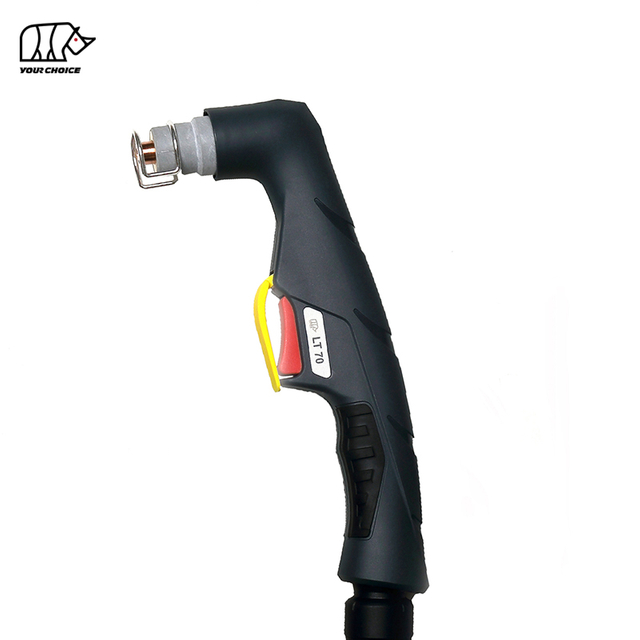
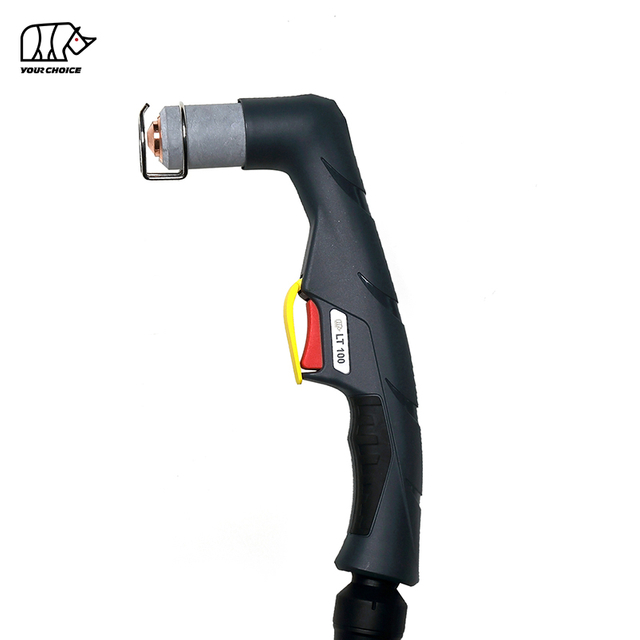
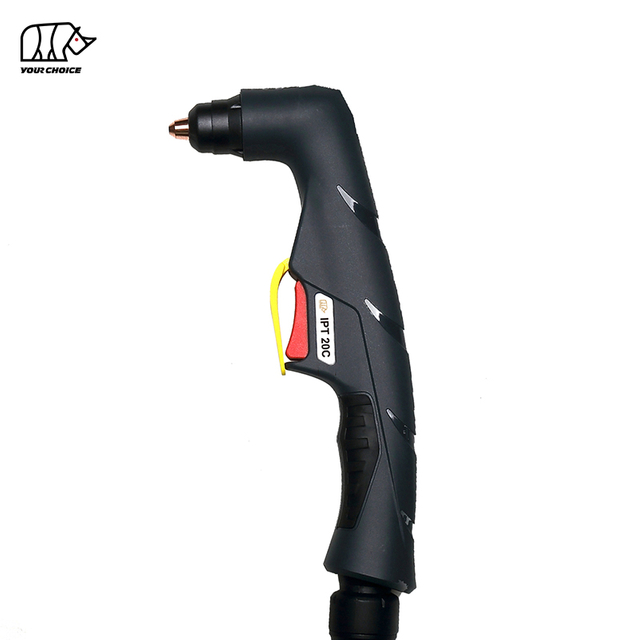
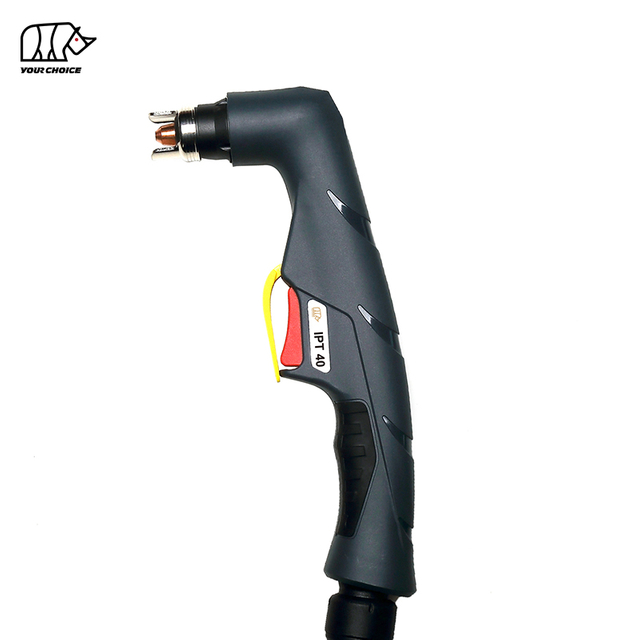
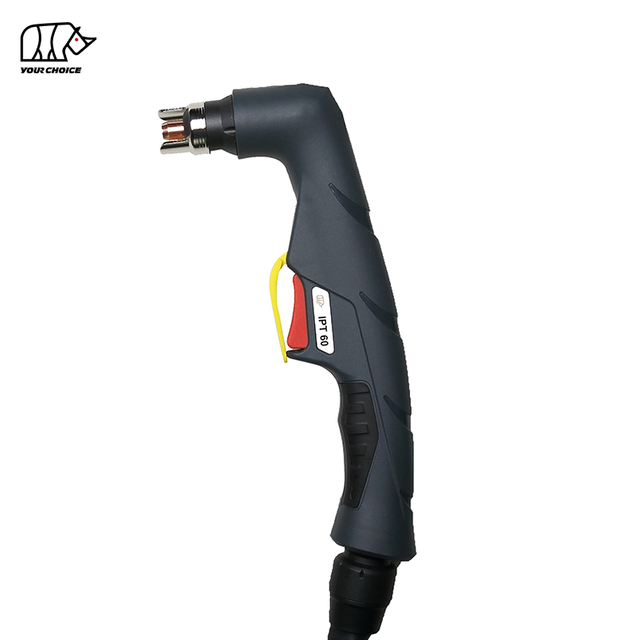
A plasma cutter is one of the most efficient and versatile tools for cutting conductive metals such as carbon steel, stainless steel, and aluminum. It is widely used in metal fabrication, automotive manufacturing, shipbuilding, construction equipment production, and CNC cutting applications because it offers fast cutting speeds, excellent productivity, and the ability to process a wide range of material thicknesses.
However, many operators eventually face a common problem: the plasma cutter is not cutting properly. The symptoms may include incomplete cuts, rough edges, excessive dross, unstable arcs, angled cuts, slow cutting speeds, or frequent arc interruptions. These issues not only reduce cutting quality but can also increase material waste, consumable costs, and production downtime.
When a plasma cutter fails to perform as expected, many users immediately assume the machine itself is damaged. In reality, poor cutting performance is often caused by a combination of factors, including worn plasma torch consumables, incorrect cutting parameters, poor compressed air quality, improper torch height, weak electrical connections, or incorrect operating techniques.
Understanding the root causes of plasma cutting problems is the first step toward improving performance. A properly maintained plasma cutting system should deliver smooth arc starts, consistent cutting speed, clean edges, and reliable operation throughout the production process.
This comprehensive guide explains why your plasma cutter is not cutting properly and provides practical troubleshooting solutions to help welders, fabricators, and industrial users restore cutting performance. Whether you are operating a handheld plasma cutter or a CNC plasma cutting system, these methods will help improve cut quality, extend consumable life, and reduce unnecessary downtime.
How Plasma Cutting Works
To understand why a plasma cutter may fail, it is important to understand how the cutting process works.
A plasma cutting system creates an extremely high-temperature plasma arc by forcing compressed gas through a small opening inside the plasma torch. The electrical energy transforms the gas into plasma, creating a concentrated cutting stream capable of melting and removing metal.
The cutting process depends on several components working together:
When all components operate correctly, the plasma arc remains stable and focused, producing fast and accurate cuts.
However, if any part of the system becomes damaged, incorrectly adjusted, or contaminated, the plasma arc can become unstable. This results in reduced cutting power, poor edge quality, and shorter consumable life.
A plasma cutter is similar to a precision tool where every component affects the final result. A small issue in airflow, electrical connection, or torch alignment can create a significant difference in cutting performance.
Signs Your Plasma Cutter Is Not Cutting Properly
Before troubleshooting, it is important to identify the specific symptoms of poor cutting performance. Different problems usually indicate different causes.
Incomplete Cutting Through the Material
One of the most obvious signs is when the plasma arc fails to completely penetrate the workpiece.
Common causes include:
Cutting current is too low
Travel speed is too fast
Consumables are worn
Material thickness exceeds machine capacity
Incorrect torch height
Poor air pressure
If the plasma arc cannot fully penetrate the material, the cut may stop halfway through or leave connected areas of uncut metal.
Excessive Dross on Cut Edges
Dross refers to the molten metal residue left along the bottom or top edge of a plasma cut.
A small amount of dross can be normal depending on the material and cutting conditions. However, excessive dross usually indicates incorrect settings or equipment problems.
Possible causes include:
Incorrect cutting speed
Low air pressure
Worn nozzle
Incorrect amperage
Improper torch distance
Reducing dross improves production efficiency because less secondary grinding and finishing are required.
Rough or Uneven Cut Edges
A properly adjusted plasma cutter should produce relatively smooth and consistent edges.
Rough cuts may result from:
Poor arc stability
Damaged consumables
Incorrect torch alignment
Contaminated air supply
Incorrect cutting parameters
Uneven edges are especially problematic in applications requiring welding, assembly, or precision fabrication.
Angled or Beveled Cuts
A slight bevel angle is common in plasma cutting, but excessive bevel indicates a problem.
Common causes include:
Incorrect torch height
Worn consumables
Torch not positioned vertically
Cutting too quickly
Incorrect current settings
Maintaining the correct torch position helps achieve more accurate cuts.
Frequent Arc Failure
If the plasma arc repeatedly stops during cutting, possible causes include:
Poor electrical connection
Insufficient air supply
Damaged consumables
Incorrect grounding
Overheating protection activation
Frequent arc interruptions reduce productivity and may indicate a deeper equipment issue.
Top Reasons Why Your Plasma Cutter Is Not Cutting Properly
1. Worn or Damaged Plasma Torch Consumables
The most common reason for poor plasma cutting performance is worn consumables.
The plasma torch relies on several consumable parts to control and shape the plasma arc, including:
Electrode
Nozzle
Swirl ring
Shield
Retaining cap
These components experience extreme heat and electrical stress during operation. Over time, they naturally wear and lose their ability to produce a stable plasma arc.
A worn nozzle may have an enlarged opening, causing the plasma stream to become wider and less concentrated. This results in poor penetration, rough edges, and increased bevel angles.
A worn electrode may create unstable arc starts and inconsistent cutting performance.
Regular inspection and replacement of consumables are essential for maintaining reliable cutting quality.
How to Solve This Problem:
Inspect consumables before cutting
Replace damaged electrodes and nozzles
Use compatible consumables for the application
Avoid operating with severely worn parts
Follow recommended replacement intervals
Replacing consumables at the correct time is usually much cheaper than dealing with poor cut quality and production delays.
2. Incorrect Cutting Speed
Cutting speed has a direct impact on plasma cutting quality.
If the torch moves too quickly, the plasma arc does not have enough time to fully penetrate the material. This creates incomplete cuts, excessive drag lines, and poor edge quality.
If the torch moves too slowly, excessive heat accumulates in the cutting area. This can create:
Heavy dross
Larger heat-affected zones
Distorted edges
Increased consumable wear
The ideal cutting speed depends on:
Material type
Material thickness
Cutting current
Plasma system capacity
Torch height
Finding the correct balance between speed and power is essential for achieving clean and efficient cuts.
3. Poor Compressed Air Quality
Compressed air quality is one of the most overlooked factors affecting plasma cutting performance.
Many plasma cutting systems use compressed air as the plasma gas. If the air contains moisture, oil, or contaminants, it can damage consumables and destabilize the plasma arc.
Poor air quality can cause:
Unstable arc performance
Shortened electrode life
Poor cut appearance
Increased maintenance requirements
A proper air preparation system should include:
Air filters
Moisture separators
Air dryers
Regular compressor maintenance
Clean and dry air ensures consistent plasma generation and protects expensive torch components.
4. Incorrect Torch Height
Torch height, also known as stand-off distance, plays a critical role in plasma cutting accuracy.
If the torch is too close to the material:
The nozzle may contact the workpiece
Consumable wear increases
Arc stability decreases
If the torch is too high:
Cutting energy becomes weaker
The arc spreads wider
Edge quality decreases
Maintaining the correct distance between the torch and workpiece allows the plasma arc to remain focused and efficient.
For CNC plasma cutting applications, automatic torch height control systems help maintain consistent distance even when the material surface is uneven.
5. Incorrect Cutting Current Settings
The cutting current must match the material thickness and application requirements.
Using insufficient current may cause incomplete penetration and slow cutting speeds.
Using excessive current may create unnecessary heat and accelerate consumable wear.
Operators should always consider:
Material thickness
Material type
Cutting speed requirements
Production volume
Proper parameter adjustment improves cutting quality while maximizing equipment lifespan.
Plasma Cutting Troubleshooting Summary Table
Cutting Problem
Possible Cause
Solution
Plasma cutter cannot cut through material
Low current, worn consumables, excessive speed
Adjust settings and replace consumables
Excessive dross
Incorrect speed, poor air pressure, wrong height
Optimize parameters and check airflow
Rough edges
Damaged nozzle, unstable arc, poor alignment
Inspect torch components
Arc stops frequently
Poor grounding, air problems, consumable wear
Check electrical and air systems
Large bevel angle
Incorrect torch height or worn nozzle
Adjust height and replace parts
Short consumable life
Moisture, incorrect settings, overheating
Improve maintenance practices
Check Your Plasma Cutting Torch and Consumables
The plasma cutting torch is the heart of the entire cutting system. Even if the power source, air supply, and CNC machine are operating correctly, worn or damaged torch consumables can significantly reduce cutting quality. Many cutting problems that appear to be machine failures are actually caused by consumables that have reached the end of their service life.
The nozzle, electrode, swirl ring, retaining cap, and shield work together to create and stabilize the plasma arc. As these components wear, the arc becomes less focused, resulting in wider kerfs, rough cut edges, excessive dross, and inconsistent penetration. A worn nozzle may develop an enlarged or distorted orifice, causing the plasma jet to lose its precision. Likewise, an electrode with excessive erosion can make arc ignition difficult and reduce cutting performance.
Routine inspection is essential for maintaining consistent results. Operators should replace consumables before severe wear affects cut quality rather than waiting until complete failure occurs. Keeping spare consumables readily available also minimizes production downtime and ensures uninterrupted workflow.
Signs Your Consumables Need Replacement
Replace plasma torch consumables if you notice:
Difficulty starting the pilot arc
Wider kerf than normal
Excessive bottom dross
Uneven or angled cut edges
Increased arc instability
Reduced cutting speed
Frequent arc interruptions
Establishing a preventive replacement schedule based on cutting hours and material type is far more cost-effective than waiting for consumables to fail during production.
Verify Air Supply Quality
Compressed air is often called the "fuel" of a plasma cutting system. Even the highest-quality plasma cutter cannot produce clean cuts if the air supply contains moisture, oil, or contaminants. Poor air quality is one of the most common reasons for unstable plasma arcs and shortened consumable life.
Moisture entering the torch can rapidly damage electrodes and nozzles while causing inconsistent arc performance. Oil contamination leaves deposits inside the torch and interferes with plasma generation. Dust particles may clog internal air passages, reducing airflow and affecting arc stability.
Industrial plasma cutting systems should always use clean, dry, and properly filtered compressed air. Installing an air dryer, water separator, and high-efficiency filter helps protect both the equipment and consumables.
Monitor Air Pressure
Incorrect air pressure can also affect cutting performance.
Low pressure may result in:
Poor arc constriction
Incomplete penetration
Heavy dross formation
Reduced cutting speed
Excessive pressure may cause:
Arc instability
Excessive consumable wear
Difficulty maintaining a consistent plasma stream
Always follow the recommended pressure range for your cutting application and verify pressure while the torch is actively cutting, not just when the system is idle.
Choose the Correct Cutting Parameters
Improper cutting parameters are another major cause of poor plasma cutting performance. Every material thickness requires a specific combination of cutting current, travel speed, torch height, and air pressure.
Using settings that are too aggressive or too conservative can produce similar-looking defects, making accurate diagnosis important.
Cutting Current
The cutting current determines the energy available for penetrating the workpiece.
If the current is too low:
The arc may fail to cut through thicker materials.
Excess dross accumulates underneath the workpiece.
Cutting speed decreases significantly.
If the current is too high:
Consumables wear more quickly.
The kerf becomes wider.
Edge quality may deteriorate.
Heat-affected zones become larger.
Selecting the correct amperage for the material thickness improves cut quality while maximizing consumable life.
Travel Speed
Travel speed directly affects edge finish and dross formation.
Moving too slowly introduces excessive heat into the material, often producing heavy bottom dross and rounded top edges.
Moving too quickly prevents the arc from fully penetrating the material, resulting in incomplete cuts and excessive drag lines.
Finding the correct balance between speed and cutting current is one of the most effective ways to improve cutting consistency.
Torch Height
Maintaining the correct torch-to-workpiece distance is essential for stable plasma arc performance.
If the torch is positioned too close:
Nozzle damage becomes more likely.
Arc instability may occur.
Consumable life decreases.
If the torch is positioned too high:
Arc energy disperses.
Cutting power decreases.
Edge bevel increases.
Modern CNC plasma systems often use automatic torch height control (THC) to maintain optimal stand-off distance throughout the cutting process, especially on warped or uneven plates.
Inspect the Electrical Connections
Reliable electrical connections are critical for maintaining a stable plasma arc. Loose cables, worn connectors, or corroded terminals increase electrical resistance, reducing system efficiency and creating inconsistent cutting performance.
Inspect the following components regularly:
Power cable connections
Torch lead connections
Ground clamp
Work cable
Internal machine terminals
A poor ground connection is especially problematic because it interrupts the electrical circuit needed for plasma cutting. Always attach the work clamp directly to clean metal rather than painted, rusty, or dirty surfaces.
Routine inspection and tightening of electrical connections help prevent many intermittent cutting issues.
Evaluate Material Condition
The condition of the workpiece itself also affects plasma cutting quality. While plasma cutting is capable of handling a wide range of conductive metals, excessive contamination on the material surface can interfere with arc stability and cutting performance.
Surface conditions that may reduce cutting quality include:
Heavy rust
Thick mill scale
Oil and grease
Paint coatings
Dirt or debris
Cleaning the cutting area before beginning improves arc initiation and helps produce cleaner edges.
Material flatness is another important consideration. Warped plates create inconsistent torch height, affecting cut quality even when machine settings are correct.
Optimize CNC Plasma Cutting Performance
For automated cutting systems, software settings are just as important as the hardware.
Incorrect CNC programming may lead to poor cut quality even when the plasma system is functioning normally.
Review the following parameters:
Lead-in length
Lead-out position
Pierce delay
Pierce height
Cut height
Corner speed reduction
Feed rate optimization
Proper CNC programming reduces unnecessary consumable wear while improving edge quality and dimensional accuracy.
Common Plasma Cutting Problems and Solutions
The table below summarizes several common issues encountered during plasma cutting.
Problem
Possible Cause
Recommended Solution
Excessive dross
Slow speed or worn nozzle
Increase speed and replace consumables
Arc won't start
Electrode wear or poor air supply
Replace electrode and inspect air system
Incomplete cuts
Low current or excessive speed
Increase current or reduce travel speed
Rough cut edges
Incorrect torch height
Adjust stand-off distance
Short consumable life
Moisture or incorrect pressure
Improve air quality and verify pressure
Excessive bevel angle
Torch misalignment
Realign torch and optimize height
Frequent arc interruptions
Loose electrical connection
Inspect cables and grounding
Using a structured troubleshooting process allows operators to identify root causes quickly rather than replacing parts unnecessarily.
Preventive maintenance is one of the most effective ways to avoid unexpected cutting problems and maximize equipment life.
A comprehensive maintenance program should include:
Daily inspection of consumables
Cleaning the torch after use
Checking air filters and moisture separators
Inspecting electrical connections
Verifying air pressure
Cleaning cooling passages if applicable
Inspecting torch leads for wear
Replacing damaged O-rings and seals
Documenting maintenance activities helps identify recurring issues before they develop into costly equipment failures.
Consistent maintenance not only improves cutting quality but also reduces operating costs by extending the life of consumables and minimizing downtime.
How to Select the Right Plasma Cutting Torch
Even when the plasma power source is functioning correctly, using the wrong plasma cutting torch can limit cutting performance. The torch is responsible for delivering the plasma arc accurately and consistently to the workpiece, making it one of the most critical components of the entire cutting system.
When selecting a plasma cutting torch, consider the following factors:
Match the Torch to the Cutting Current
Every plasma cutting torch is designed for a specific current range. Using a torch with insufficient amperage capacity may cause excessive heat buildup, reduced consumable life, and unstable cutting performance.
Choose a torch that matches or slightly exceeds your typical cutting current to ensure reliable operation during continuous production.
Consider the Duty Cycle
Industrial fabrication shops often perform long periods of continuous cutting. In these environments, selecting a torch with a high duty cycle improves productivity and reduces overheating.
For occasional maintenance or repair work, a standard-duty torch may provide sufficient performance while reducing equipment costs.
Reducing operator fatigue helps maintain better control during long cutting sessions.
Ensure Consumable Compatibility
A reliable plasma cutting torch should support readily available consumables with consistent manufacturing quality.
Using precision-made electrodes, nozzles, swirl rings, retaining caps, and shields helps maintain stable arc performance and repeatable cutting quality.
OEM Customized Plasma Cutting Torch Solutions
As manufacturing industries continue to demand greater efficiency and application-specific equipment, OEM customization has become increasingly important.
Professional plasma cutting torch manufacturers can provide customized solutions tailored to different industries and production environments.
Common OEM customization options include:
Custom cable lengths
Various machine connectors
Torch handle customization
Private label branding
Customized packaging
Heavy-duty industrial cable assemblies
CNC machine compatibility
Robot-ready torch configurations
These customized solutions help welding distributors, equipment manufacturers, and industrial users improve operational efficiency while strengthening their product offerings.
Choosing an experienced OEM manufacturing partner also ensures consistent quality, stable supply capacity, and dependable technical support.
Applications That Require Reliable Plasma Cutting Performance
High-quality plasma cutting is essential across many industries where precision, productivity, and repeatability directly affect manufacturing efficiency.
Structural Steel Fabrication
Structural steel manufacturers rely on plasma cutting to process beams, plates, channels, and structural components efficiently.
Stable plasma cutting minimizes secondary grinding and improves overall production throughput.
Heavy Equipment Manufacturing
Construction machinery, agricultural equipment, and mining machinery often use thick steel plates requiring accurate, repeatable cuts.
Reliable plasma cutting reduces material waste while maintaining tight dimensional tolerances.
Automotive Manufacturing
Automotive suppliers use plasma cutting for brackets, frames, exhaust systems, and numerous fabricated components.
Consistent edge quality simplifies downstream welding and assembly operations.
Shipbuilding
Marine fabrication frequently involves cutting large steel plates under demanding production conditions.
Durable plasma cutting equipment helps maintain productivity while minimizing downtime.
Metal Service Centers
Metal processing facilities require plasma systems capable of handling varying material thicknesses efficiently.
Optimal travel speed balances production efficiency with edge quality and minimizes secondary finishing operations.
Perform Preventive Maintenance
Routine inspection of cables, electrical connections, cooling systems, and torch components prevents many cutting problems before they occur.
A proactive maintenance program reduces downtime and lowers overall operating costs.
Frequently Asked Questions
1. Why is my plasma cutter not cutting through metal?
Common causes include worn consumables, incorrect cutting current, poor air pressure, contaminated compressed air, excessive travel speed, or improper torch height.
2. How do I know if my plasma nozzle is worn out?
Signs include a wider kerf, rough cut edges, excessive dross, unstable arc, difficulty starting the arc, and visible enlargement of the nozzle orifice.
3. Does air quality affect plasma cutting performance?
Yes. Moisture, oil, and contaminants in compressed air can reduce arc stability, shorten consumable life, and produce poor cut quality. Clean, dry compressed air is essential for reliable plasma cutting.
4. Why does my plasma cutter leave excessive dross?
Excessive dross is usually caused by incorrect travel speed, worn consumables, low cutting current, or improper torch height. Adjusting these factors typically improves cut quality.
5. How often should plasma torch consumables be replaced?
Replacement frequency depends on cutting current, material type, production volume, and air quality. Regular inspection is the best approach, and consumables should be replaced before excessive wear affects cutting performance.
Conclusion
If your plasma cutter is not cutting properly, the problem is rarely caused by a single factor. In most cases, cutting performance is influenced by the combined condition of the plasma cutting torch, consumables, compressed air system, machine settings, electrical connections, and operator technique.
By following a structured troubleshooting process, you can quickly identify the root cause of poor cutting quality and restore optimal performance. Replacing worn consumables, maintaining clean and dry compressed air, selecting the correct cutting parameters, and performing regular preventive maintenance all contribute to cleaner cuts, longer consumable life, and improved productivity.
For industrial manufacturers, fabrication shops, equipment distributors, and OEM customers, investing in high-quality plasma cutting torches and maintaining them correctly delivers long-term value through greater efficiency, lower operating costs, and more consistent cutting results. Whether your application involves manual fabrication or automated CNC plasma cutting, a well-maintained system ensures reliable performance and high-quality results every day.
This website uses cookies and similar technologies (“cookies”). Subject to your consent, will use analytical cookies to track which content interests you, and marketing cookies to display interest-based advertising. We use third-party providers for these measures, who may also use the data for their own purposes.
You give your consent by clicking "Accept all" or by applying your individual settings. Your data may then also be processed in third countries outside the EU, such as the US, which do not have a corresponding level of data protection and where, in particular, access by local authorities may not be effectively prevented. You can revoke your consent with immediate effect at any time. If you click on "Reject all", only strictly necessary cookies will be used.
 English
 简体中文
简体中文 العربية
 Français
 Русский
 Español
 Português
 Deutsch
 italiano
 日本語
日本語 한국어
한국어 Nederlands
 Tiếng Việt
 ไทย
ไทย Polski
 Türkçe
 ភាសាខ្មែរ
 Bahasa Melayu
 Filipino
 Bahasa Indonesia
 magyar
 Română
 Čeština
 Монгол
 қазақ
қазақ Српски
 हिन्दी
 فارسی
فارسی Slovenčina
 Slovenščina
 Norsk
Norsk Svenska
 українська
 Ελληνικά
 Suomi
Suomi Latine
 Dansk
Dansk বাংলা
বাংলা Hrvatski
 Afrikaans
 Gaeilge
 Eesti keel
 नेपाली
 Oʻzbekcha
 latviešu
 Azərbaycan dili
 Беларуская мова
 Bosanski
 Български
 ქართული
 Lietuvių