Aluminum is widely used in automotive manufacturing, marine equipment, aerospace, construction, trailer fabrication, and industrial production because of its lightweight, corrosion resistance, and excellent strength-to-weight ratio. However, compared with carbon steel, aluminum is more challenging to weld due to its high thermal conductivity, low melting point, and naturally occurring oxide layer.
Achieving consistent, high-quality welds depends not only on operator skill but also on selecting the best MIG torch setup for aluminum welding. The correct combination of torch design, wire feeding system, shielding gas, consumables, and welding parameters can significantly improve arc stability, reduce defects, and increase productivity.
This guide explains how to choose the ideal MIG torch setup for aluminum welding, optimize machine settings, troubleshoot common problems, and improve welding performance for both manual and industrial applications.
Why Aluminum Welding Requires a Different MIG Torch Setup
Unlike steel, aluminum presents several unique welding challenges.
These include:
High heat conductivity
Soft welding wire
Rapid heat dissipation
Thick oxide layer
Higher risk of burn-through
Greater sensitivity to wire feeding problems
Because aluminum wire is much softer than steel wire, it requires a smooth feeding system and a properly configured MIG torch to prevent wire deformation and feeding interruptions.
Components of the Best MIG Torch Setup for Aluminum Welding
A complete aluminum MIG welding setup includes several key components working together.
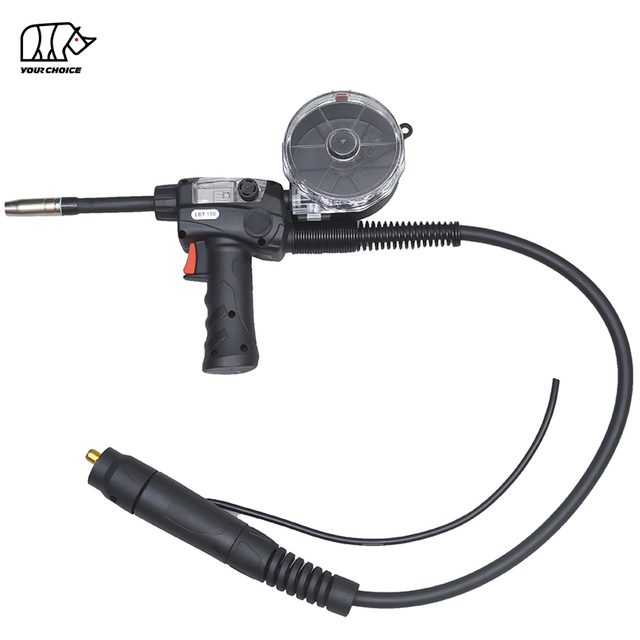
MIG Welding Torch
Choose a torch designed for smooth aluminum wire feeding with an ergonomic handle, durable cable assembly, and high electrical conductivity.
Important features include:
Lightweight construction
Flexible cable
Heat-resistant materials
Stable electrical contact
Reliable gas coverage
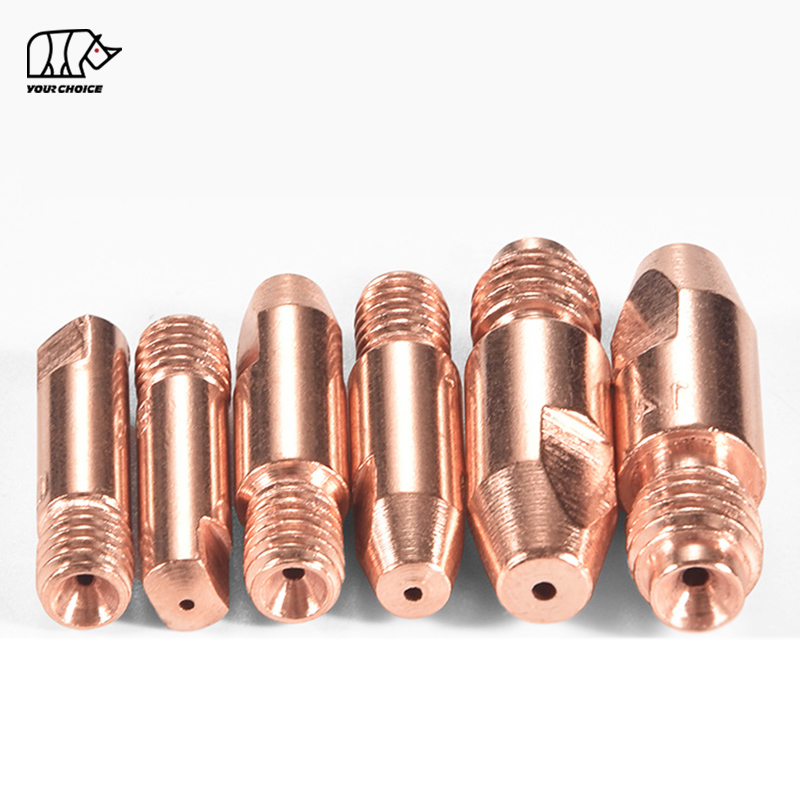
Contact Tip
Because aluminum expands more during welding, many welders choose contact tips with appropriate bore sizing to maintain smooth wire feeding.
Benefits include:
Stable arc
Reduced burnback
Better electrical transfer
Longer consumable life
Liner
The liner plays a critical role in feeding soft aluminum wire.
Recommended characteristics include:
Low-friction design
Smooth internal surface
Clean installation
Regular replacement
A worn or contaminated liner is one of the most common causes of feeding issues.
Drive Rolls
Proper drive roll selection helps prevent wire deformation.
For aluminum wire:
Use rolls designed for soft wire.
Apply only enough pressure to feed consistently.
Avoid excessive tension.
Shielding Gas
Proper shielding gas protects the weld pool from contamination.
Pure argon is commonly selected for most aluminum MIG welding applications because it provides:
Stable arc characteristics
Smooth weld appearance
Reduced oxidation
Excellent penetration on thinner materials
Gas flow should remain stable throughout the welding process.
Choosing the Right Aluminum Welding Wire
Selecting the proper wire depends on:
Base material
Joint design
Mechanical strength requirements
Corrosion resistance
Surface finish
Always use clean, dry wire and store it in a controlled environment to prevent contamination.
Recommended MIG Torch Settings for Aluminum Welding
Although exact settings depend on material thickness and equipment configuration, several general principles apply.
Wire Feed Speed
Proper wire feed speed ensures:
Stable arc
Consistent penetration
Reduced spatter
Smooth bead profile
Too little wire feed can cause burnback, while excessive wire feed creates instability.
Voltage
Voltage should match wire feed speed to maintain a balanced arc.
Incorrect voltage may result in:
Excessive spatter
Poor fusion
Burn-through
Inconsistent bead shape
Travel Speed
Maintain a steady travel speed throughout the weld.
Moving too slowly increases heat input, while moving too quickly may reduce penetration.
Stick-Out
Consistent contact tip-to-work distance improves:
Arc stability
Gas coverage
Penetration consistency
Avoid excessive stick-out, which can reduce welding performance.
Preparing Aluminum Before Welding
Surface preparation is one of the most important factors in aluminum welding.
Before welding:
Remove oil and grease.
Eliminate dirt and moisture.
Clean the oxide layer using appropriate tools.
Ensure the joint is completely dry.
Proper cleaning significantly reduces porosity and improves weld quality.
Common Aluminum MIG Welding Problems and Solutions
Verify all torch components are securely installed.
Choosing a Reliable OEM MIG Torch Manufacturer
For distributors, importers, and welding equipment brands, selecting an experienced manufacturing partner is just as important as choosing the correct welding setup.
A reliable OEM manufacturer should provide:
Stable product quality
Precision manufacturing
High-quality copper components
Flexible OEM & ODM services
Private-label solutions
Customized packaging
Strict quality inspection
Fast production lead times
Global export experience
Professional technical support
These capabilities help ensure consistent welding performance while supporting long-term business growth.
Frequently Asked Questions
1. What is the best MIG torch setup for aluminum welding?
A quality MIG torch with smooth wire feeding, a low-friction liner, suitable contact tip, properly adjusted drive rolls, and pure argon shielding gas provides excellent results for most aluminum welding applications.
2. Why is aluminum wire difficult to feed?
Aluminum wire is much softer than steel wire, making it more susceptible to deformation, birdnesting, and feeding interruptions if the torch setup is not optimized.
3. How can I prevent birdnesting during aluminum MIG welding?
Use a properly maintained liner, adjust drive roll pressure correctly, keep the torch cable straight, and inspect consumables regularly.
4. Why is cleaning aluminum important before welding?
Aluminum naturally forms an oxide layer that can interfere with weld quality. Cleaning removes contaminants that may cause porosity, lack of fusion, and poor bead appearance.
5. How often should MIG torch consumables be replaced?
Inspect consumables before each welding shift and replace contact tips, nozzles, liners, and other wear parts whenever they begin affecting arc stability or wire feeding.
6. Can OEM customized MIG torches improve aluminum welding?
Yes. OEM customized MIG torches can be designed with optimized cable assemblies, precision consumables, ergonomic handles, and application-specific configurations that improve aluminum wire feeding, operator comfort, and welding efficiency.
7. What industries commonly use aluminum MIG welding?
Aluminum MIG welding is widely used in automotive manufacturing, transportation equipment, shipbuilding, construction, aerospace, trailer production, agricultural machinery, and industrial fabrication.
Conclusion
Selecting the best MIG torch setup for aluminum welding is essential for achieving stable wire feeding, clean weld appearance, and consistent production quality. By combining the right torch components, proper shielding gas, optimized machine settings, and thorough material preparation, welders can significantly reduce common defects such as birdnesting, burnback, porosity, and lack of fusion.
Regular maintenance and high-quality consumables further improve welding performance and extend equipment life. For distributors and industrial buyers, partnering with an experienced OEM customized MIG torch manufacturer ensures reliable products, flexible customization options, and dependable long-term supply.
This website uses cookies and similar technologies (“cookies”). Subject to your consent, will use analytical cookies to track which content interests you, and marketing cookies to display interest-based advertising. We use third-party providers for these measures, who may also use the data for their own purposes.
You give your consent by clicking "Accept all" or by applying your individual settings. Your data may then also be processed in third countries outside the EU, such as the US, which do not have a corresponding level of data protection and where, in particular, access by local authorities may not be effectively prevented. You can revoke your consent with immediate effect at any time. If you click on "Reject all", only strictly necessary cookies will be used.
 English
 简体中文
简体中文 العربية
 Français
 Русский
 Español
 Português
 Deutsch
 italiano
 日本語
日本語 한국어
한국어 Nederlands
 Tiếng Việt
 ไทย
ไทย Polski
 Türkçe
 ភាសាខ្មែរ
 Bahasa Melayu
 Filipino
 Bahasa Indonesia
 magyar
 Română
 Čeština
 Монгол
 қазақ
қазақ Српски
 हिन्दी
 فارسی
فارسی Slovenčina
 Slovenščina
 Norsk
Norsk Svenska
 українська
 Ελληνικά
 Suomi
Suomi Latine
 Dansk
Dansk বাংলা
বাংলা Hrvatski
 Afrikaans
 Gaeilge
 Eesti keel
 नेपाली
 Oʻzbekcha
 latviešu
 Azərbaycan dili
 Беларуская мова
 Bosanski
 Български
 ქართული
 Lietuvių