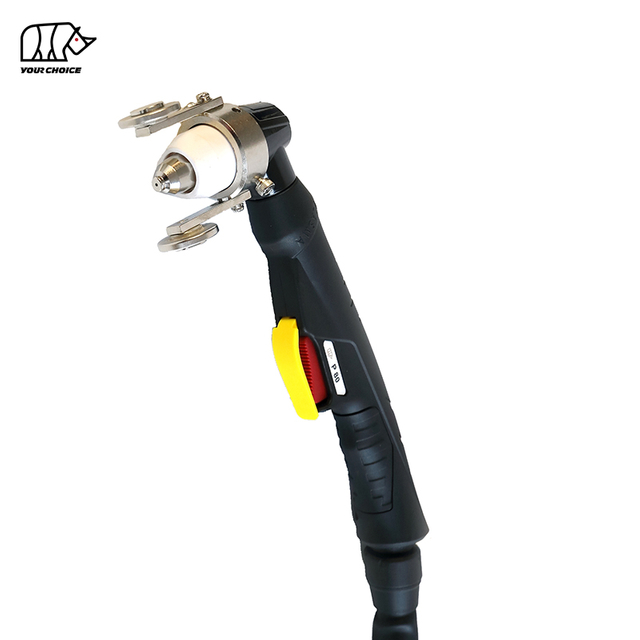
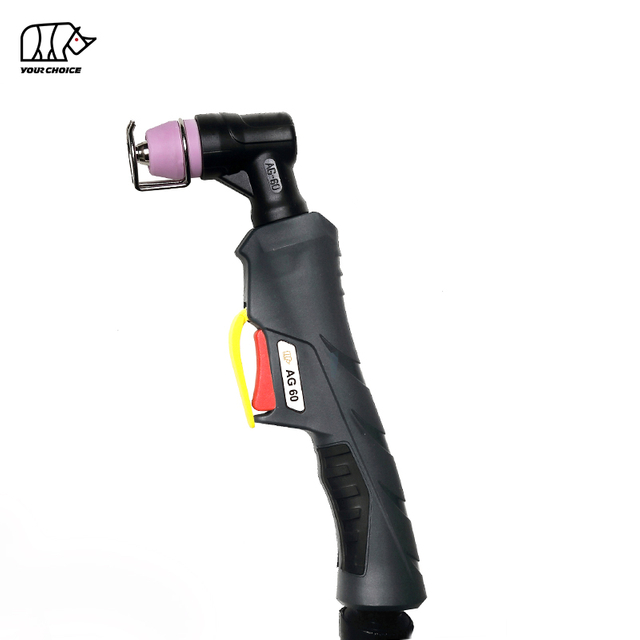
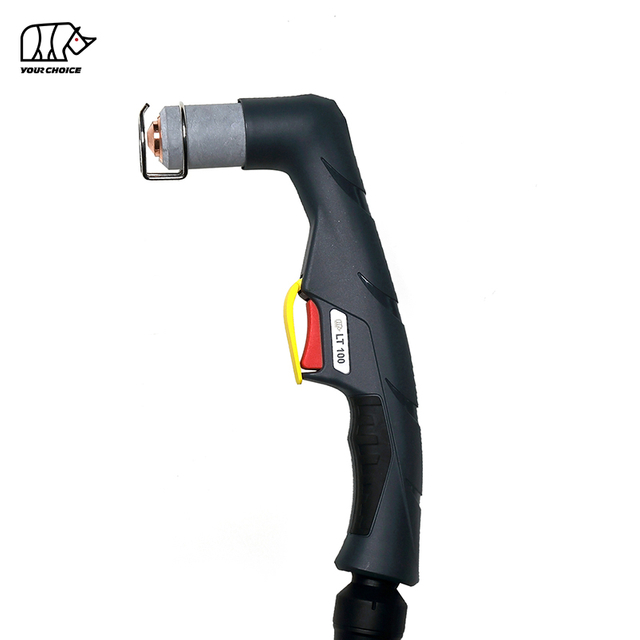
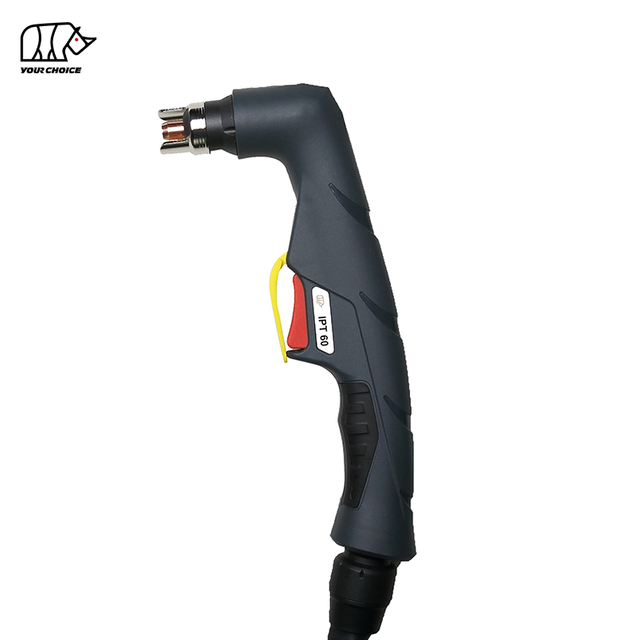
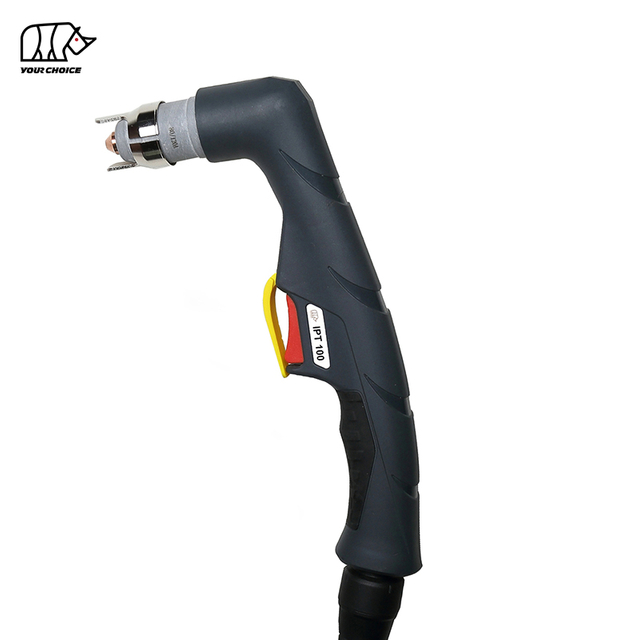
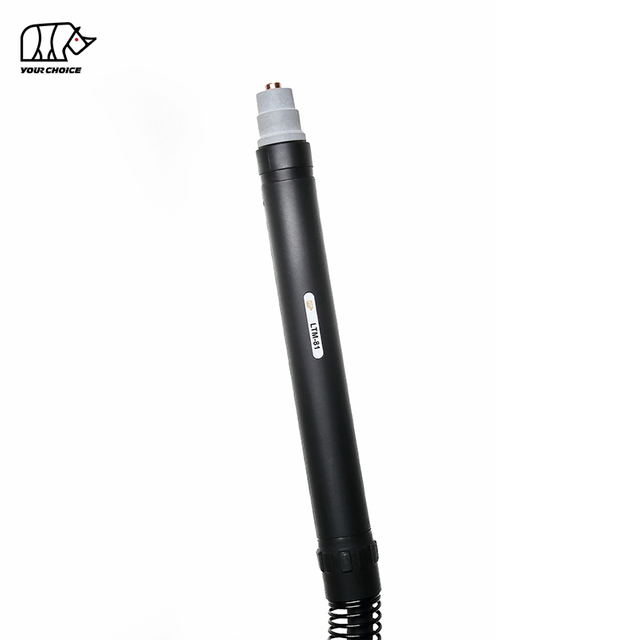
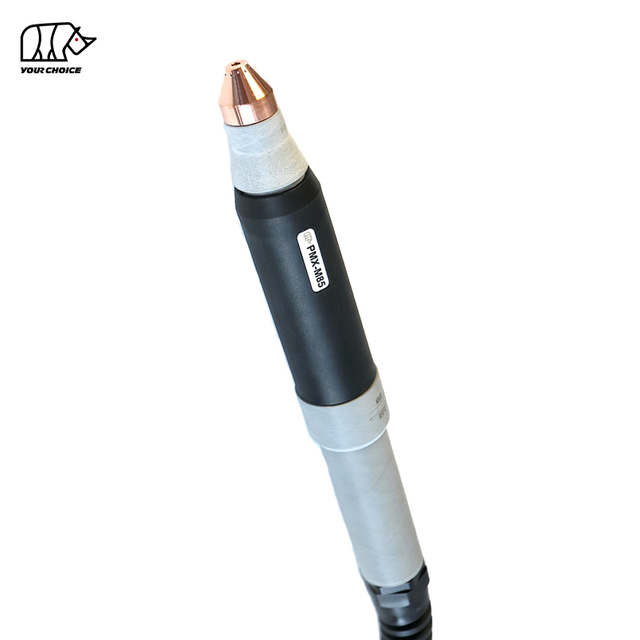
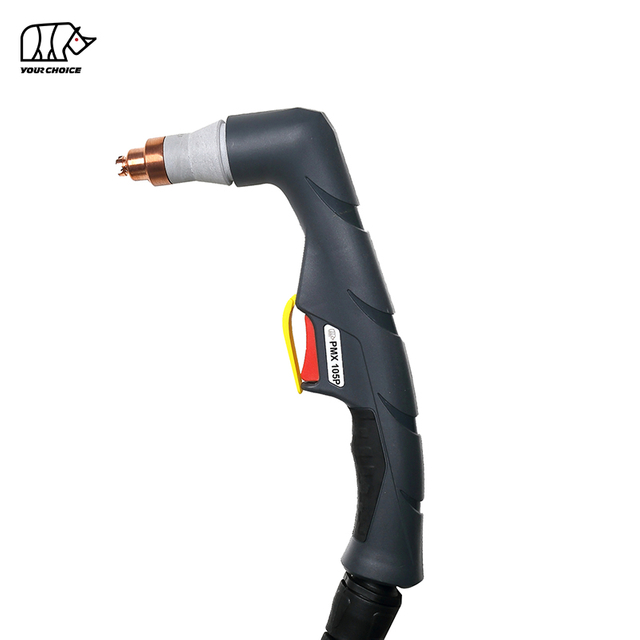
You press the trigger. You hear the air flow. But nothing happens — no arc, no cut, just silence and frustration.
If your plasma torch is not striking an arc, you are not alone. This is one of the most reported problems in plasma cutting, and in most cases, the fix is straightforward once you know where to look.
This guide walks you through every probable cause — from worn consumables and insufficient air pressure to faulty ground connections and internal component failure — in a logical diagnostic sequence. Work through each section in order and you will have your system firing again without unnecessary downtime.
How Arc Striking Works (Quick Background)
Before diving into causes, it helps to understand what should happen when you pull the trigger:
The machine opens the air solenoid and pressurizes the torch.
A high-frequency or blowback-start mechanism generates a pilot arc between the electrode and nozzle.
The pilot arc ionizes the air stream, forming a conductive plasma channel.
When the torch gets close enough to the workpiece, the arc transfers to the metal and cutting begins.
If any step in this chain breaks down, the arc will not strike. The diagnostic process is simply identifying which step failed.
Diagnostic Overview Table
Cause
Symptom
Difficulty to Fix
Worn electrode
No pilot arc, or arc starts and dies
Easy
Worn or damaged nozzle
Pilot arc present, no transfer
Easy
Low / contaminated air supply
No arc, or arc sputters
Easy
Poor ground connection
Intermittent arc or no transfer
Easy
Incorrect torch assembly
No pilot arc
Easy
Moisture in air lines
Arc starts, immediately cuts out
Moderate
Torch-to-work distance too high
Pilot arc visible, no transfer
Easy
Faulty pilot arc relay / resistor
No pilot arc despite good consumables
Moderate
Internal power supply issue
No arc under any condition
Professional
Cause 1: Worn or Damaged Electrode
This is the most common cause of arc failure. The electrode contains a hafnium insert that erodes with use. When the pit depth exceeds 1/16 inch (approximately 1.5 mm), the electrode cannot sustain reliable arc initiation.
How to Check
Remove the electrode from the torch body and inspect the tip:
A shallow, flat pit — normal wear, still usable.
A deep crater or jagged surface — replace immediately.
Copper-colored base metal showing — electrode is completely spent.
Fix
Replace the electrode. Always replace the nozzle at the same time, since both wear together. Using a fresh nozzle with a spent electrode (or vice versa) reduces consumable lifespan significantly.
Pro tip: Track arc starts per electrode. Most standard electrodes are rated for 500–1,000 arc starts under normal operating conditions.
Cause 2: Worn, Damaged, or Mismatched Nozzle
The nozzle shapes and focuses the plasma stream. A worn orifice allows the arc to expand unpredictably, preventing clean transfer to the workpiece.
Signs of Nozzle Failure
Orifice is no longer round — appears elongated or eroded.
Visible melting or carbon deposits on the nozzle face.
Double arcing burn marks on the outside of the nozzle.
Fix
Replace the nozzle. Confirm the replacement part matches the amperage rating of your torch. A nozzle rated for 40 A will not perform correctly in a system running at 60 A — the orifice diameter is different by design.
Cause 3: Insufficient or Contaminated Air Supply
Plasma cutting systems require a clean, dry, and stable air supply at the correct pressure and flow rate. Air problems are the second most common cause of arc striking failure.
Common Air Supply Issues
Low pressure: Most systems require 60–120 PSI (4.1–8.3 bar) at the machine inlet. Pressure that reads correctly at the compressor can drop significantly when measured at the torch, especially with undersized hoses or long runs.
Low flow rate (CFM/SCFM): Pressure alone is not enough. If the compressor cannot sustain the required flow, the machine will trigger a low-pressure fault and refuse to arc.
Oil or moisture contamination: Contaminated air coats the electrode and nozzle, increasing resistance at the arc-start point. The pilot arc either fails entirely or extinguishes immediately after striking.
How to Check
Set your inline regulator to the pressure specified in the machine's manual (usually marked on the front panel).
Install a quality coalescing filter/separator between the compressor and the machine.
Allow the compressor to warm up and drain the tank before starting work, especially in humid environments.
Check the air filter inside the plasma unit — replace if it appears dark or damp.
Cause 4: Poor or Missing Ground Connection
The work clamp (ground) completes the electrical circuit between the power source and the workpiece. A weak ground is a surprisingly common cause of arc transfer failure — the pilot arc may fire correctly, but the main arc cannot transfer.
How to Check
Is the work clamp actually touching bare metal? Clipping it to painted surfaces, rust, mill scale, or the cutting table frame instead of the workpiece directly causes high-resistance connections.
Is the clamp cable damaged? Inspect for cuts, kinks, or corroded terminals.
Is the cable long enough to reach the work without pulling tight? Strain on the connection creates intermittent resistance.
Fix
Connect the work clamp directly to the workpiece or to a clean bare-metal area of the cutting table in direct electrical contact with the piece. Remove paint or rust with a grinder or wire brush at the clamp attachment point.
Cause 5: Incorrect Torch Assembly
The torch body is a precision system. If consumables are not seated correctly or are cross-threaded, the electrical contacts cannot close, and the arc-initiation circuit is broken.
Common Assembly Errors
Electrode not fully threaded in.
Swirl ring missing, cracked, or installed backwards.
Shield cup cross-threaded, preventing the nozzle from seating.
Retaining cap too loose — nozzle not making contact with the torch body.
Fix
Disassemble the torch completely. Lay all parts out in order. Inspect the swirl ring for cracks (replace if any visible damage). Reassemble hand-tight — do not use tools on consumable threads. Confirm the shield cup is fully seated before testing.
Cause 6: Moisture in the Air Lines
Even with a separator installed, internal condensation can accumulate in hoses over time — especially in cold workshop environments. When the machine fires, moisture is blasted through the nozzle and disrupts the plasma column.
Symptoms
Arc strikes briefly, then immediately cuts out (often called "arc blow-out").
Inconsistent behavior that improves after the system has been running for several minutes.
Spitting or water droplets visible at the nozzle when blowing air without firing.
Fix
Drain the compressor tank fully after every session.
Replace or upgrade the inline filter/desiccant dryer.
If moisture is entering from the ambient environment, consider a refrigerated air dryer for high-volume cutting operations.
Cause 7: Torch-to-Work Standoff Distance Too High
In transferred-arc cutting, the pilot arc must physically "reach" the workpiece to initiate transfer. If the torch is held or programmed too far from the metal, the arc cannot bridge the gap.
Manual Cutting
Hold the nozzle 1/16 to 1/8 inch (1.5–3 mm) from the workpiece. Many operators with worn shields hold the torch too high to protect the tip, inadvertently preventing transfer.
CNC / Automated Cutting
Check the initial height setting (IHS) and pierce height in your CAM software. If the Z-axis reference is incorrectly zeroed or the IHS switch is malfunctioning, the torch may be commanded to a position too far above the plate.
Cause 8: Faulty Pilot Arc Relay or Pilot Resistor
If consumables are fresh, air supply is verified, and ground is solid, the problem may be internal. The pilot arc relay switches current to initiate the pilot arc; if its contacts are worn or the coil has failed, no pilot arc will generate. The pilot resistor limits current during the pilot arc phase — a defective resistor produces the same symptom.
Symptoms
No pilot arc sound or visible spark at the nozzle under any conditions.
Machine appears to power on normally and shows no fault codes.
Fix
This repair requires opening the machine housing. If you are not experienced with electrical systems, have the unit inspected by a qualified technician. Relay and resistor replacements are low-cost parts; the labor is in the safe diagnosis.
Cause 9: Power Supply or HF Board Failure
Less common, but possible after machine age, electrical surges, or moisture ingress into the unit. The high-frequency ignition board or the inverter power section may have failed.
Symptoms
All previous causes have been eliminated.
Machine shows fault codes not related to consumables or air.
Unit trips the breaker or shows unusual behavior on startup.
Fix
Contact a certified repair technician or the manufacturer's service network. Attempting to repair inverter boards without proper training and equipment is hazardous.
Step-by-Step Diagnostic Sequence
Step 1 — Inspect consumables. Remove electrode and nozzle. Replace both if either shows measurable wear.
Step 2 — Verify air supply. Measure pressure at the machine inlet with a gauge. Confirm it meets the minimum spec. Check and drain the filter/separator.
Step 3 — Check the ground connection. Move the work clamp directly to bare metal on the workpiece. Test again.
Step 4 — Reassemble the torch. Disassemble fully. Check swirl ring. Reassemble hand-tight in correct order.
Step 5 — Check standoff distance. Bring the torch to within 1/16 inch of the workpiece and attempt to fire.
Step 6 — Inspect air for moisture. Blow air through the torch (no arc). Watch for water droplets. Drain compressor tank and test again.
Step 7 — Evaluate internal components. If all above pass, the fault is likely the pilot arc relay, resistor, or power supply. Proceed to professional service.
Preventive Maintenance to Avoid Arc Failure
Replace consumables proactively. Schedule replacement based on arc start count or hours, not failure.
Drain the compressor tank daily and service the inline filter monthly.
Inspect the work clamp and cable before each shift.
Store the torch body indoors and away from moisture.
Log fault codes to detect patterns before they become failures.
Clean torch threads periodically to remove metal dust and spatter.
Frequently Asked Questions
Q: Why does my plasma torch fire in the shop but not on the CNC table?
A: The most common causes are incorrect height sensing on the CNC, a misconfigured arc-OK signal between the plasma unit and the controller, or the torch fire signal not being received correctly. Check cable continuity between the machine's CNC port and the table controller.
Q: My pilot arc fires but the main arc won't transfer. What is wrong?
A: The three most likely causes are: (1) the work clamp is not making a good connection to bare metal, (2) the torch is too far from the workpiece, or (3) the nozzle orifice is too worn to sustain a stable plasma column for transfer.
Q: Can low amperage settings cause arc failure?
A: Yes. If the amperage is set below the minimum threshold required by the consumables installed, the pilot arc may not have enough energy to transfer. Match the amperage to the consumable set and material thickness recommendations.
Q: How do I know if my pilot arc relay is bad?
A: If you hear the air fire and the torch pressurizes, but no audible "click" from the relay and no visible spark at the nozzle tip, the relay or its circuit is suspect. Continuity testing of the relay coil with a multimeter will confirm failure.
Q: Does ambient temperature affect arc striking?
A: Indirectly, yes. Cold temperatures increase moisture condensation in air lines and can affect electrode geometry in blowback-start torches. Running air for 60 seconds before firing in very cold conditions often helps.
Q: How often should I replace plasma torch consumables?
A: Inspect after every 2–4 hours of cutting. Replace the electrode when pit depth exceeds 1/16 inch and the nozzle when the orifice is visibly deformed. Always replace both parts together.
Summary
When your plasma torch is not striking an arc, the problem almost always falls into one of three categories: consumable wear, air supply issues, or electrical connection problems. Start with the fastest checks first — replace the electrode and nozzle, verify air pressure and cleanliness, and confirm a solid work clamp connection. These three steps resolve the vast majority of arc striking failures.
If the system still will not fire after working through this guide, the fault is likely internal — a pilot arc relay, resistor, or power supply component — and warrants professional service.
Keeping consumables on the shelf, maintaining a clean and dry air supply, and inspecting your ground connection before each session will prevent most arc striking problems before they happen.
This website uses cookies and similar technologies (“cookies”). Subject to your consent, will use analytical cookies to track which content interests you, and marketing cookies to display interest-based advertising. We use third-party providers for these measures, who may also use the data for their own purposes.
You give your consent by clicking "Accept all" or by applying your individual settings. Your data may then also be processed in third countries outside the EU, such as the US, which do not have a corresponding level of data protection and where, in particular, access by local authorities may not be effectively prevented. You can revoke your consent with immediate effect at any time. If you click on "Reject all", only strictly necessary cookies will be used.
 English
 简体中文
简体中文 العربية
 Français
 Русский
 Español
 Português
 Deutsch
 italiano
 日本語
日本語 한국어
한국어 Nederlands
 Tiếng Việt
 ไทย
ไทย Polski
 Türkçe
 ភាសាខ្មែរ
 Bahasa Melayu
 Filipino
 Bahasa Indonesia
 magyar
 Română
 Čeština
 Монгол
 қазақ
қазақ Српски
 हिन्दी
 فارسی
فارسی Slovenčina
 Slovenščina
 Norsk
Norsk Svenska
 українська
 Ελληνικά
 Suomi
Suomi Latine
 Dansk
Dansk বাংলা
বাংলা Hrvatski
 Afrikaans
 Gaeilge
 Eesti keel
 नेपाली
 Oʻzbekcha
 latviešu
 Azərbaycan dili
 Беларуская мова
 Bosanski
 Български
 ქართული
 Lietuvių