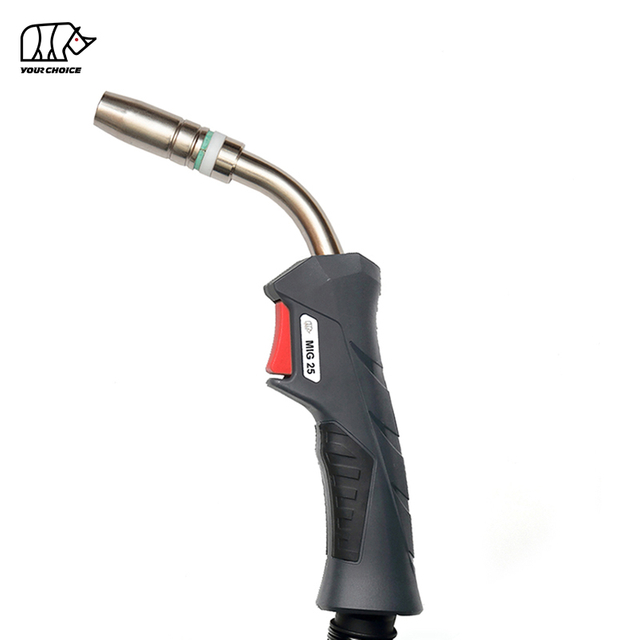
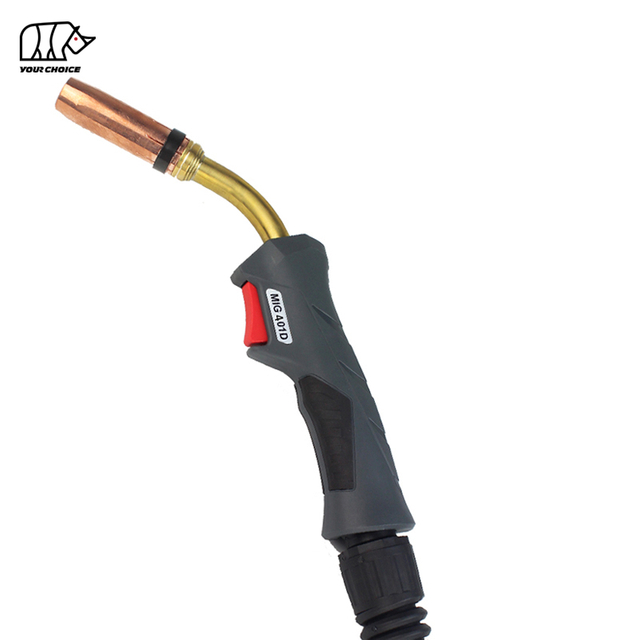
Porosity is one of the most common defects in MIG welding. Tiny gas pockets trapped inside the weld bead can weaken the joint, reduce structural integrity, and lead to costly rework or product failure. Whether you are a beginner or an experienced welder, understanding how to identify, fix, and prevent porosity is essential for achieving high-quality welds.
This guide explains the most common causes of MIG welding porosity, practical troubleshooting methods, and preventive maintenance tips to help improve welding efficiency and produce stronger, cleaner welds.
What Is Porosity in MIG Welding?
Porosity refers to small holes or gas cavities that become trapped in the weld metal during solidification. These voids occur when shielding gas fails to protect the molten weld pool from atmospheric contamination.
Porosity can appear as:
Surface pinholes
Internal gas pockets
Clustered pores
Linear porosity
Wormhole porosity
Even minor porosity can reduce weld strength and compromise the appearance of finished products.
Why Is Porosity a Serious Welding Problem?
Porosity is more than a cosmetic issue. It can significantly affect the mechanical properties of a weld.
Potential consequences include:
Reduced tensile strength
Lower fatigue resistance
Increased corrosion risk
Pressure leakage
Failed quality inspections
Expensive repairs
Production downtime
In industries such as construction, automotive manufacturing, pipeline fabrication, and heavy equipment, eliminating porosity is essential for ensuring product reliability and safety.
10 Common Causes of Porosity in MIG Welding
1. Insufficient Shielding Gas
Shielding gas protects the molten weld pool from oxygen, nitrogen, and moisture in the atmosphere.
If gas coverage is interrupted, contaminants enter the weld and create gas bubbles.
Common Causes
Empty gas cylinder
Low gas flow rate
Leaking gas hose
Loose fittings
Blocked gas nozzle
Solution
Check the gas cylinder pressure.
Inspect hoses and fittings for leaks.
Clean the nozzle regularly.
Set the correct gas flow according to the welding application.
2. Dirty Base Metal
Oil, grease, rust, paint, moisture, and mill scale can release gases during welding.
Solution
Always clean the workpiece before welding using:
Wire brush
Grinder
Solvent cleaner
Degreaser
Clean metal provides better weld penetration and reduces contamination.
3. Contaminated Welding Wire
Dirty or rusty welding wire introduces impurities directly into the weld pool.
Solution
Store wire in a dry environment.
Protect wire from dust and humidity.
Replace rusty or contaminated wire immediately.
4. Incorrect Gas Flow Rate
Both insufficient and excessive gas flow can cause porosity.
Too Low
Air enters the weld pool.
Too High
Gas turbulence pulls atmospheric air into the arc.
Solution
Adjust gas flow according to:
Wire diameter
Nozzle size
Welding position
Indoor or outdoor conditions
5. Wind or Drafts
Outdoor welding is especially vulnerable to wind blowing away shielding gas.
Solution
Use welding screens.
Reduce air movement.
Increase gas protection when necessary.
Weld indoors whenever possible.
6. Worn or Damaged Nozzle
A clogged or damaged nozzle restricts shielding gas coverage.
The quality of welding consumables directly affects shielding gas efficiency and arc stability.
When selecting consumables, consider:
Precision-machined contact tips
Heat-resistant nozzles
Durable gas diffusers
High-conductivity copper components
Consistent manufacturing quality
Reliable consumables help maintain stable gas flow and reduce weld defects.
OEM Customized MIG Welding Torch Solutions
For distributors, equipment manufacturers, and industrial buyers, choosing an experienced OEM supplier provides long-term advantages.
Professional OEM manufacturing services may include:
Custom branding
Private-label packaging
Customized cable lengths
Specialized handle designs
Product optimization
Bulk production
Strict quality inspection
Technical support
Customized solutions help improve product competitiveness while meeting specific application requirements.
Frequently Asked Questions (FAQ)
1. What causes porosity in MIG welding?
The most common causes include insufficient shielding gas, dirty base metal, contaminated welding wire, incorrect gas flow, moisture, and worn torch consumables.
2. Can too much shielding gas cause porosity?
Yes. Excessive gas flow can create turbulence that draws air into the weld pool, resulting in porosity.
3. How do I prevent porosity when welding outdoors?
Use welding screens, minimize exposure to wind, verify gas coverage, and avoid welding in strong drafts whenever possible.
4. Does dirty welding wire cause porosity?
Yes. Rust, dust, moisture, or oil on welding wire introduces contaminants that can create gas pockets during welding.
5. How often should I replace MIG welding torch consumables?
Inspect consumables daily and replace contact tips, nozzles, gas diffusers, and liners whenever excessive wear affects welding performance.
6. Can incorrect welding technique cause porosity?
Yes. Poor torch angle, unstable arc length, excessive travel speed, and improper stick-out can all reduce shielding gas effectiveness.
7. Why is porosity more common in aluminum MIG welding?
Aluminum quickly forms an oxide layer and is highly sensitive to contamination and moisture. Proper cleaning, correct shielding gas coverage, and stable welding parameters are critical.
8. Can OEM customized MIG welding torches help reduce porosity?
Yes. OEM customized MIG welding torches designed with optimized gas flow, precision consumables, and high-quality materials can improve shielding gas coverage, enhance arc stability, and reduce the likelihood of porosity in demanding industrial applications.
Conclusion
Porosity is one of the most common yet preventable defects in MIG welding. By understanding its causes—including poor shielding gas coverage, contaminated materials, improper welding parameters, and worn consumables—you can quickly identify problems and apply effective solutions.
Consistent equipment maintenance, proper welding techniques, and high-quality consumables are the foundation of defect-free welds. For industrial manufacturers, distributors, and OEM buyers, investing in reliable OEM customized MIG welding torch solutions also helps improve welding efficiency, reduce maintenance costs, and ensure long-term production reliability.
This website uses cookies and similar technologies (“cookies”). Subject to your consent, will use analytical cookies to track which content interests you, and marketing cookies to display interest-based advertising. We use third-party providers for these measures, who may also use the data for their own purposes.
You give your consent by clicking "Accept all" or by applying your individual settings. Your data may then also be processed in third countries outside the EU, such as the US, which do not have a corresponding level of data protection and where, in particular, access by local authorities may not be effectively prevented. You can revoke your consent with immediate effect at any time. If you click on "Reject all", only strictly necessary cookies will be used.
 English
 简体中文
简体中文 العربية
 Français
 Русский
 Español
 Português
 Deutsch
 italiano
 日本語
日本語 한국어
한국어 Nederlands
 Tiếng Việt
 ไทย
ไทย Polski
 Türkçe
 ភាសាខ្មែរ
 Bahasa Melayu
 Filipino
 Bahasa Indonesia
 magyar
 Română
 Čeština
 Монгол
 қазақ
қазақ Српски
 हिन्दी
 فارسی
فارسی Slovenčina
 Slovenščina
 Norsk
Norsk Svenska
 українська
 Ελληνικά
 Suomi
Suomi Latine
 Dansk
Dansk বাংলা
বাংলা Hrvatski
 Afrikaans
 Gaeilge
 Eesti keel
 नेपाली
 Oʻzbekcha
 latviešu
 Azərbaycan dili
 Беларуская мова
 Bosanski
 Български
 ქართული
 Lietuvių