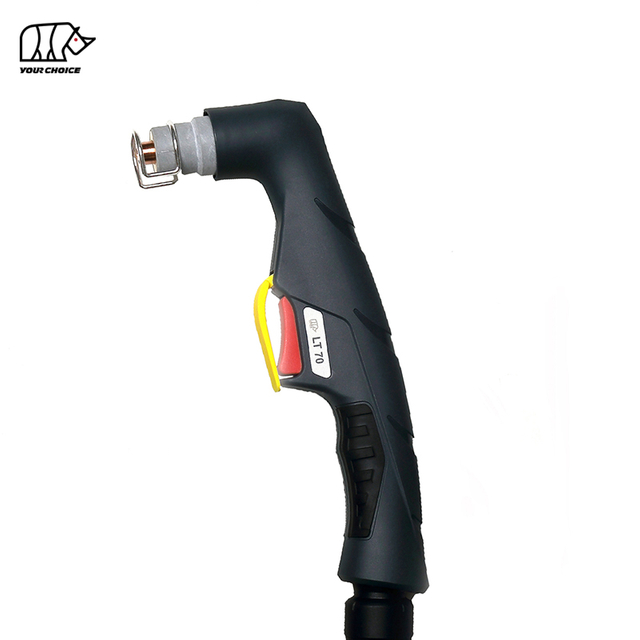
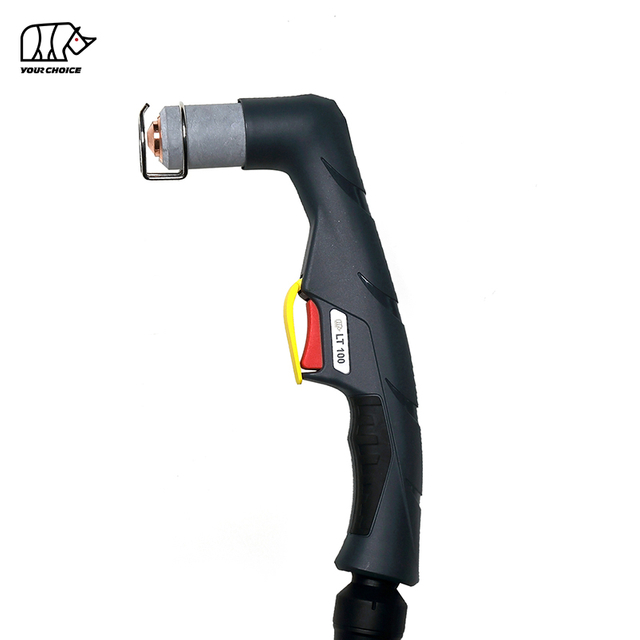
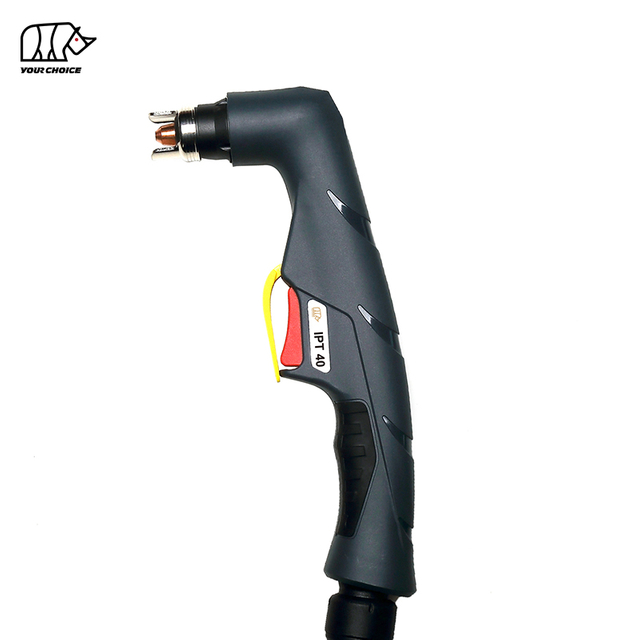
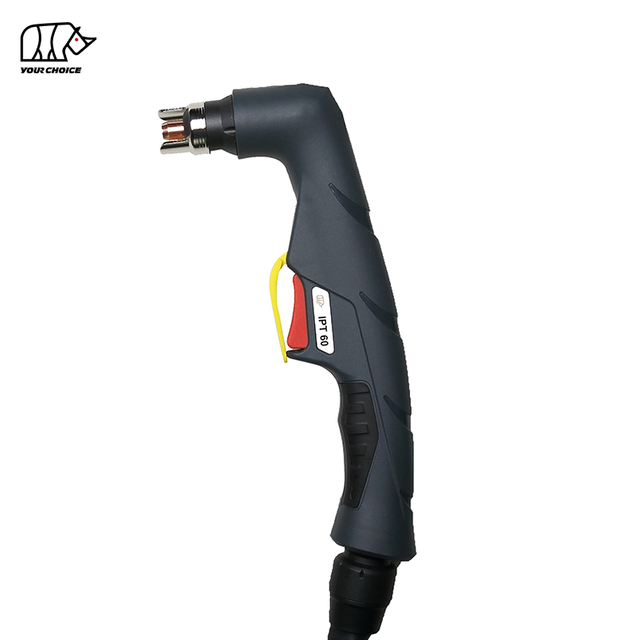
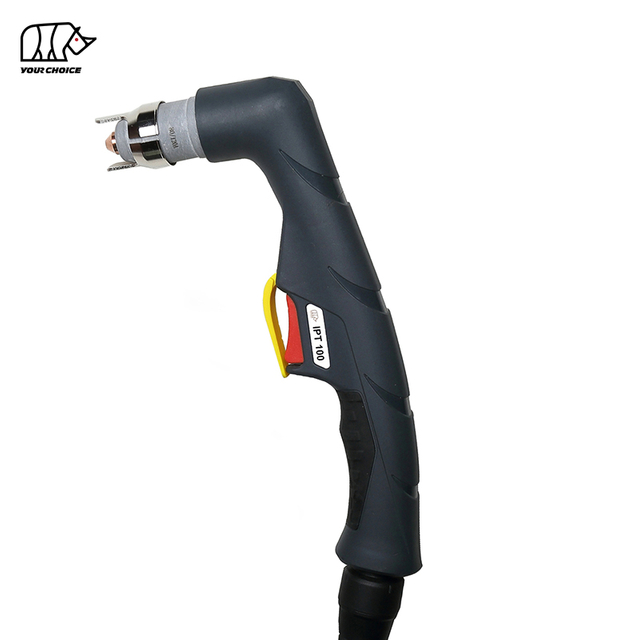
A plasma cutting torch is only as reliable as the maintenance behind it.
Skipping routine upkeep does not just shorten torch life — it degrades cut quality, increases consumable costs, and creates unpredictable downtime at the worst possible moment. Yet most arc failures, poor cuts, and premature consumable wear trace back to the same handful of avoidable maintenance gaps.
This guide covers everything you need to keep a plasma cutting torch running at peak performance: how to inspect and replace consumables, how to clean the torch body and leads, how to manage air quality, and how to follow a structured daily, weekly, and monthly maintenance schedule.
Why Plasma Torch Maintenance Matters
A plasma cutting torch operates by forcing compressed air through an electrical arc at temperatures exceeding 20,000°C (36,000°F). Every component inside the torch is subjected to extreme heat, electrical stress, and mechanical wear on every single arc start.
Operating costs rise — more consumables consumed per cutting hour
Part 1: Understanding Plasma Torch Consumables
The Five Core Consumables
Component
Function
Typical Lifespan
Electrode
Conducts current; hafnium insert sustains the arc
500–1,000 arc starts
Nozzle
Shapes and focuses the plasma stream
Replaces with electrode
Swirl Ring
Spins gas to stabilize the arc column
Every 50+ electrode changes
Retaining Cap
Holds the nozzle in position
Inspect every consumable change
Shield Cap
Protects the nozzle from spatter
Inspect every consumable change
Part 2: How to Inspect Consumables
Electrode
Flat, shallow pit (< 1 mm): Normal — still serviceable
Deep crater (≥ 1.5 mm / 1/16 inch): Replace immediately
Jagged or asymmetric pit: Replace — arc is no longer centering correctly
Copper base metal visible: Fully consumed — replace without delay
Nozzle
Round, clean orifice: Good condition
Elongated or oval orifice: Worn — replace
Double-arc burn marks on exterior: Replace and investigate cause (usually incorrect standoff or contaminated air)
Swirl Ring
Any visible cracks, chips, or burned areas → replace
Check gas ports for blockage — clear with dry compressed air if partially blocked
A healthy swirl ring lasts through 50+ electrode/nozzle change cycles
Shield Cap & Retaining Cap
Remove spatter with pliers — never grind or sand (changes geometry)
Check retaining cap threads for wear — damaged threads prevent correct nozzle seating
Replace shield cap if metal face is visibly thinning
Part 3: How to Replace Plasma Torch Consumables
Step 1 — Power off and depressurize. Turn off the plasma cutter. Trigger the torch (pointed safely away) to release residual air pressure.
Step 2 — Remove shield cap → retaining cap → nozzle → swirl ring → electrode. All hand-tight only — never use tools on consumable threads.
Step 3 — Inspect the torch body interior. Wipe contact surfaces with a dry lint-free cloth. Inspect all O-rings — replace any that are cracked, flattened, or missing. Apply a thin film of silicone-based grease to each O-ring.
Step 4 — Install new consumables in reverse order. Electrode → Swirl ring → Nozzle → Retaining cap → Shield cap. Hand-tight only.
Step 5 — Test on scrap metal. Fire a short test arc to confirm clean arc strike and square cut edge.
Part 4: Cleaning the Torch Body
Exterior
Wipe down with a dry cloth after every shift
Remove spatter from shield face with pliers — never grind near the torch tip
Inspect for cracks or burn marks — even hairline cracks in the insulator require replacement
Interior Contact Surfaces
Wipe at every consumable change with a clean dry lint-free cloth
Blow out metal dust from gas ports with dry compressed air
Never use solvent cleaners or lubricant sprays inside the torch body
Torch Leads and Cable
Inspect cable jacket for cuts, kinks, or abrasion after every session
Do not coil tightly during operation — tight coils create inductance
Clean the central connector plug with a dry cloth; inspect pins for corrosion
Replace cables with cracked insulation immediately — safety hazard and arc interference risk
Part 5: Air Supply Maintenance
Air quality is the most overlooked maintenance factor. Contaminated or insufficient air causes more consumable failures than any other single variable.
Air Pressure
Verify inlet pressure at the machine (not at the compressor) before each session
Maintain within manufacturer spec — typically 65–90 PSI (4.5–6.2 bar) for most handheld systems
Fluctuating pressure during cutting indicates a compressor flow problem or failing regulator
Air Filtration
Daily: Drain the inline moisture separator/filter bowl
Monthly: Replace or clean the filter element — a dark or damp element is no longer protecting the torch
Long term: Consider a coalescing filter + desiccant dryer combination for production environments
Compressor
Drain the compressor tank fully after every session
Check oil levels monthly (oil-lubricated units) — oil in the air destroys electrodes rapidly
Service compressor intake filters per manufacturer schedule
Part 6: Torch Storage and Handling
Store in a clean, dry location — not on the shop floor
For storage over a few days: remove consumables and store in a sealed bag
Do not hang the torch by its cable — causes internal wire breakage at the strain relief
Never drop or strike the torch body — internal insulator damage is often invisible externally
Set a hot torch on a silicone mat or wooden block — not on metal
Hold by the grip, not by the cable or head
Part 7: O-Ring Maintenance
O-rings seal gas channels inside the torch body. A missing or damaged O-ring is a common cause of intermittent arc failure.
Inspect at every consumable change for:
Flattening or permanent set
Cracking or surface cuts
Missing O-rings
Lubrication: Apply a thin film of silicone-based grease only (not petroleum-based). Use sparingly — excess migrates into gas channels.
Part 8: Maintenance Schedule Checklists
Before Each Session
Inspect torch exterior for cracks or burn marks
Check work clamp cable; confirm bare-metal contact
Verify air pressure at machine inlet
Drain moisture separator/filter bowl
Check torch lead for kinks or jacket damage
Confirm consumables match material and amperage
After Each Session
Wipe torch body with dry cloth
Remove spatter from shield face
Drain compressor tank
Coil cable loosely before storing
Log arc starts or cutting hours
Weekly
Disassemble and inspect all consumables
Replace electrode + nozzle if worn
Inspect and clean swirl ring ports
Wipe interior contact surfaces
Check all O-rings; lubricate with silicone grease
Inspect connector plug pins for corrosion
Inspect full cable length
Monthly
Replace inline air filter element
Inspect compressor intake filter
Check compressor oil level
Inspect torch body threads
Test all electrical connections at machine
Review cutting logs for consumable wear patterns
Part 9: Common Maintenance Mistakes to Avoid
Mistake
Why It Matters
Using tools on consumable threads
Strips threads, crushes O-ring seats, causes air leaks
Replacing only electrode without nozzle
Worn nozzle destroys the new electrode within one session
Ignoring air quality
Moisture and oil destroy electrodes in a fraction of rated lifespan
Touching electrode tip with bare skin
Skin oils accelerate hafnium oxidation
Storing torch in humid environments
Corrodes consumables and degrades O-rings
Running consumables past service life
Worn consumables damage the torch body itself
Neglecting the work clamp
A corroded clamp causes identical arc instability as a worn electrode
Q: How often should I replace plasma torch consumables?
A: Inspect after every 2–4 hours of cutting. Replace the electrode when pit depth reaches 1.5 mm, and always replace the nozzle at the same time. Frequency depends on amperage, material, and air quality.
Q: Can I clean and reuse plasma torch consumables?
A: Electrodes and nozzles must be replaced when worn — they cannot be refurbished. Swirl rings, retaining caps, and shield caps can be cleaned and reused if undamaged. Never attempt to reshape a worn nozzle orifice.
Q: What lubricant should I use on plasma torch O-rings?
A: Silicone-based dielectric grease only. Never use petroleum-based oils or general-purpose lubricants — they degrade rubber O-rings and contaminate the gas path.
Q: How do I prevent moisture in my plasma cutter air supply?
A: Install a coalescing filter/moisture separator close to the machine. Drain the compressor tank after every session. In high-humidity environments, add a desiccant dryer between the compressor and the machine.
Q: How do I know if my torch body needs to be replaced?
A: Replace if you observe: cracks or melted areas in the insulator, burned contact surfaces that cannot be cleaned, stripped consumable threads, or persistent arc-tracking problems after replacing all consumables and O-rings.
Q: Does cutting technique affect maintenance frequency?
A: Yes. Dragging the shield cap on the workpiece causes rapid wear. Piercing thick material at full amperage without a ramped pierce height accelerates nozzle erosion. Better technique directly reduces consumable consumption and maintenance frequency.
Summary
The most important habits to build:
Inspect consumables before and after every session — do not wait for failure
Replace electrode and nozzle together — always as a pair
Drain moisture separators and compressor tanks daily — clean air is the highest-leverage maintenance action
Keep the torch body clean and dry — inspect O-rings at every consumable change
Log your cutting hours and consumable changes — patterns reveal problems before they become failures
A well-maintained plasma cutting torch delivers consistent, professional-quality cuts, minimizes downtime, and operates reliably for years. A neglected one costs far more in consumables, rework, and repairs than the time saved by skipping maintenance ever could.
This website uses cookies and similar technologies (“cookies”). Subject to your consent, will use analytical cookies to track which content interests you, and marketing cookies to display interest-based advertising. We use third-party providers for these measures, who may also use the data for their own purposes.
You give your consent by clicking "Accept all" or by applying your individual settings. Your data may then also be processed in third countries outside the EU, such as the US, which do not have a corresponding level of data protection and where, in particular, access by local authorities may not be effectively prevented. You can revoke your consent with immediate effect at any time. If you click on "Reject all", only strictly necessary cookies will be used.
 English
 简体中文
简体中文 العربية
 Français
 Русский
 Español
 Português
 Deutsch
 italiano
 日本語
日本語 한국어
한국어 Nederlands
 Tiếng Việt
 ไทย
ไทย Polski
 Türkçe
 ភាសាខ្មែរ
 Bahasa Melayu
 Filipino
 Bahasa Indonesia
 magyar
 Română
 Čeština
 Монгол
 қазақ
қазақ Српски
 हिन्दी
 فارسی
فارسی Slovenčina
 Slovenščina
 Norsk
Norsk Svenska
 українська
 Ελληνικά
 Suomi
Suomi Latine
 Dansk
Dansk বাংলা
বাংলা Hrvatski
 Afrikaans
 Gaeilge
 Eesti keel
 नेपाली
 Oʻzbekcha
 latviešu
 Azərbaycan dili
 Беларуская мова
 Bosanski
 Български
 ქართული
 Lietuvių