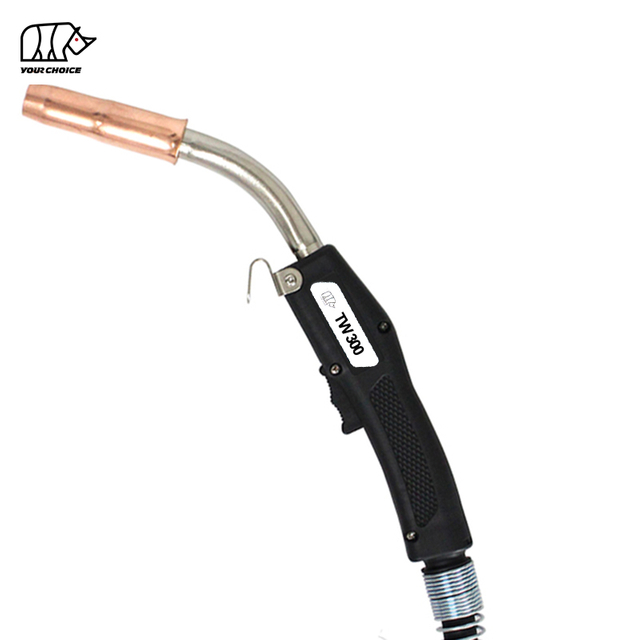
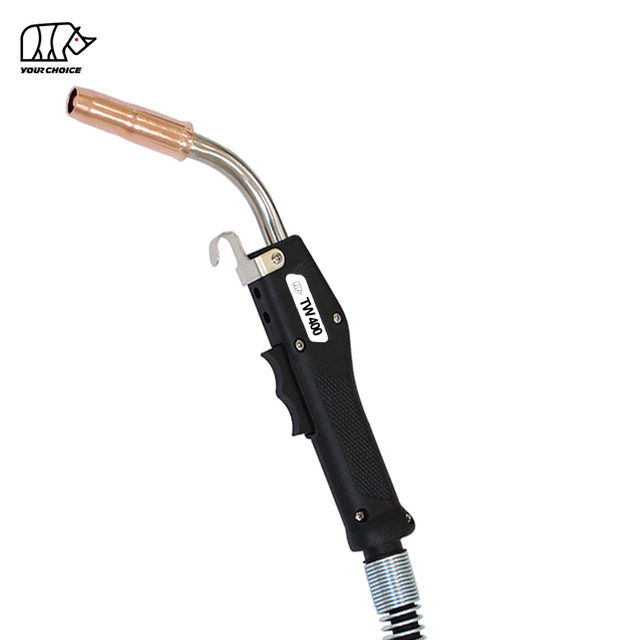
A MIG welding torch is one of the most frequently used tools in fabrication, automotive repair, metal manufacturing, construction, and industrial welding. Even the highest-quality welding equipment can experience wear over time, leading to unstable arcs, poor weld quality, excessive spatter, or unexpected downtime.
Understanding the most common MIG welding torch problems allows operators to diagnose issues quickly, improve productivity, and reduce maintenance costs.
This guide explains the 10 most common MIG welding torch problems, their causes, practical solutions, and preventive maintenance tips to help both beginners and professional welders achieve consistent welding performance.
Why Proper MIG Torch Maintenance Matters
A well-maintained MIG welding torch provides:
Stable arc performance
Consistent wire feeding
Better weld appearance
Lower consumable costs
Reduced machine downtime
Longer equipment lifespan
Regular inspection and replacement of worn consumables can significantly improve welding efficiency.
Burnback occurs when the welding wire fuses inside the contact tip.
Causes
Wire feed speed too slow
Contact tip worn out
Incorrect stick-out
Poor grounding
Solutions
Increase wire feed speed.
Replace damaged contact tips.
Maintain proper welding distance.
Inspect grounding cables.
5. Overheating Torch
Continuous high-current welding can overheat the torch.
Symptoms
Handle becomes hot
Reduced duty cycle
Cable insulation damage
Causes
Exceeding rated current
Poor cooling
Loose cable connections
Solutions
Allow adequate cooling intervals.
Choose the correct torch rating.
Tighten electrical connections.
Replace damaged cables.
6. Shielding Gas Problems
Insufficient shielding gas results in porosity and oxidation.
Symptoms
Pinholes
Black weld surface
Excessive oxidation
Causes
Gas leaks
Blocked nozzle
Incorrect gas flow rate
Damaged gas hose
Solutions
Check all gas connections.
Replace damaged hoses.
Clean the gas nozzle.
Set appropriate gas flow according to the application.
7. Welding Wire Sticking
The wire sticks before reaching the weld pool.
Causes
Dirty liner
Damaged contact tip
Incorrect drive roll pressure
Solutions
Replace the liner.
Install a new contact tip.
Adjust drive roller tension.
8. Porosity in Welds
Porosity is one of the most common weld defects.
Causes
Moisture contamination
Dirty base metal
Poor shielding gas coverage
Wind interference
Solutions
Clean the workpiece thoroughly.
Store welding wire in a dry environment.
Protect the weld area from wind.
Verify gas flow settings.
9. Nozzle Blocked with Spatter
Spatter accumulation restricts shielding gas flow.
Symptoms
Poor gas coverage
Increased porosity
Uneven weld bead
Solutions
Clean the nozzle after each welding shift.
Apply anti-spatter spray when appropriate.
Replace excessively worn nozzles.
10. Short Consumable Life
Frequent replacement of consumables increases production costs.
Common Causes
Excessive heat
Incorrect welding parameters
Poor-quality consumables
Lack of maintenance
Solutions
Follow recommended welding parameters.
Perform regular inspections.
Replace worn parts before complete failure.
Select consumables designed for long service life.
Preventive Maintenance Checklist for MIG Welding Torches
A simple maintenance routine helps prevent most torch failures.
Daily
Clean the nozzle.
Check gas flow.
Inspect contact tip.
Remove welding spatter.
Weekly
Inspect the liner.
Check cable condition.
Clean drive rollers.
Verify wire feeding.
Monthly
Replace worn consumables.
Inspect electrical connections.
Test gas leakage.
Examine torch insulation.
Tips to Extend MIG Welding Torch Service Life
Following good operating practices can significantly increase torch longevity.
Avoid exceeding the torch's rated duty cycle.
Keep the cable straight during welding.
Replace consumables before excessive wear occurs.
Use clean welding wire.
Keep shielding gas free from contamination.
Store torches in a clean, dry environment.
Inspect liners regularly.
Maintain consistent welding parameters.
Choosing a Reliable OEM MIG Welding Torch Manufacturer
For distributors, importers, wholesalers, and industrial buyers, selecting the right manufacturing partner is just as important as choosing the right torch.
A professional OEM manufacturer should offer:
Stable product quality
Strict quality control
Customized branding and packaging
Fast production lead times
Comprehensive consumable compatibility
International export experience
Flexible OEM and ODM services
Technical support for different welding applications
1. Why does my MIG welding torch keep overheating?
Torch overheating is usually caused by exceeding the rated duty cycle, poor electrical connections, or continuous high-current welding without adequate cooling.
2. How often should I replace a MIG welding torch liner?
The replacement interval depends on usage frequency, wire quality, and operating conditions. Regular inspection helps prevent wire feeding problems.
3. What causes excessive spatter during MIG welding?
Incorrect voltage, improper wire feed speed, contaminated materials, and poor shielding gas coverage are the most common causes.
4. Why does my welding wire keep birdnesting?
Birdnesting is typically caused by worn drive rollers, excessive roller pressure, blocked liners, or bent torch cables.
5. How do I know when to replace the contact tip?
Replace the contact tip when the wire no longer feeds smoothly, the hole becomes oversized, burnback occurs frequently, or arc stability decreases.
6. What maintenance should be performed on a MIG welding torch?
Routine maintenance includes cleaning the nozzle, inspecting contact tips, checking liners, verifying gas flow, tightening cable connections, and replacing worn consumables.
7. Can OEM customized MIG welding torches improve production efficiency?
Yes. OEM customized MIG welding torches can be designed to match specific welding applications, improve operator comfort, increase consumable compatibility, reduce maintenance frequency, and enhance overall production efficiency.
8. How can I choose a reliable OEM customized MIG welding torch supplier?
Look for a manufacturer with advanced production facilities, strict quality control, customization capabilities, export experience, stable supply capacity, and responsive technical support.
Conclusion
Most MIG welding torch problems are preventable with proper maintenance, timely replacement of consumables, and correct welding parameters. By understanding the causes of unstable arcs, wire feeding issues, overheating, gas problems, and consumable wear, operators can minimize downtime and improve weld quality.
For industrial users and global distributors, partnering with an experienced OEM customized MIG welding torch manufacturer provides additional benefits, including consistent quality, tailored solutions, reliable supply, and long-term cost savings.
This website uses cookies and similar technologies (“cookies”). Subject to your consent, will use analytical cookies to track which content interests you, and marketing cookies to display interest-based advertising. We use third-party providers for these measures, who may also use the data for their own purposes.
You give your consent by clicking "Accept all" or by applying your individual settings. Your data may then also be processed in third countries outside the EU, such as the US, which do not have a corresponding level of data protection and where, in particular, access by local authorities may not be effectively prevented. You can revoke your consent with immediate effect at any time. If you click on "Reject all", only strictly necessary cookies will be used.
 English
 简体中文
简体中文 العربية
 Français
 Русский
 Español
 Português
 Deutsch
 italiano
 日本語
日本語 한국어
한국어 Nederlands
 Tiếng Việt
 ไทย
ไทย Polski
 Türkçe
 ភាសាខ្មែរ
 Bahasa Melayu
 Filipino
 Bahasa Indonesia
 magyar
 Română
 Čeština
 Монгол
 қазақ
қазақ Српски
 हिन्दी
 فارسی
فارسی Slovenčina
 Slovenščina
 Norsk
Norsk Svenska
 українська
 Ελληνικά
 Suomi
Suomi Latine
 Dansk
Dansk বাংলা
বাংলা Hrvatski
 Afrikaans
 Gaeilge
 Eesti keel
 नेपाली
 Oʻzbekcha
 latviešu
 Azərbaycan dili
 Беларуская мова
 Bosanski
 Български
 ქართული
 Lietuvių