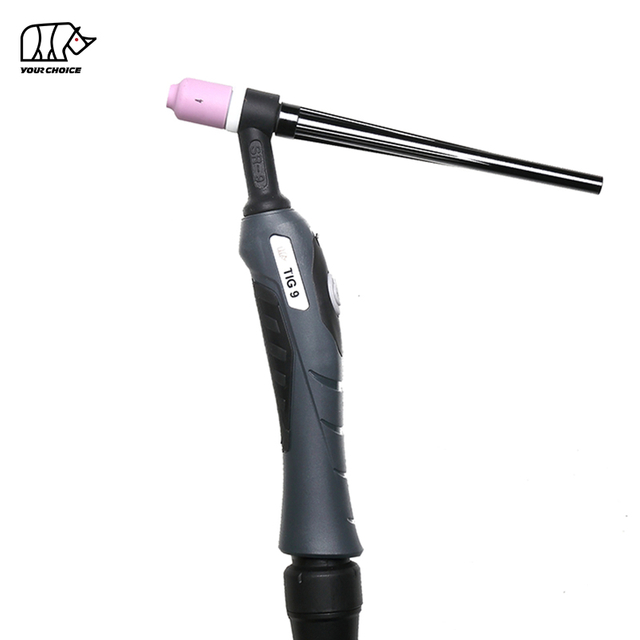
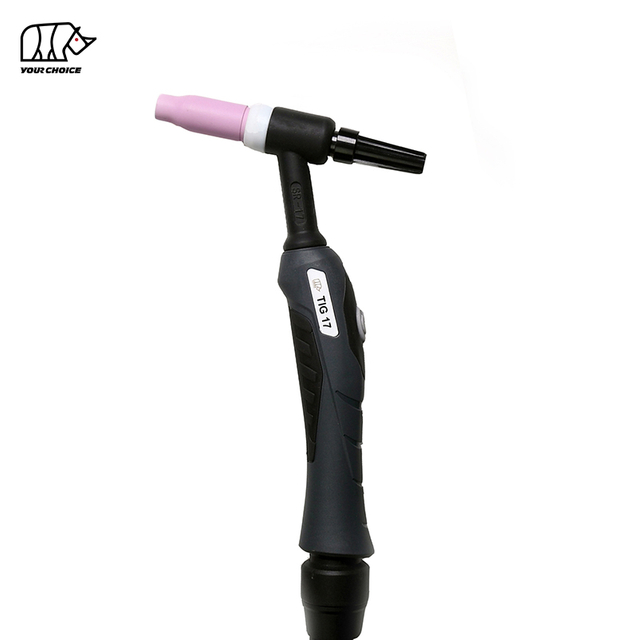
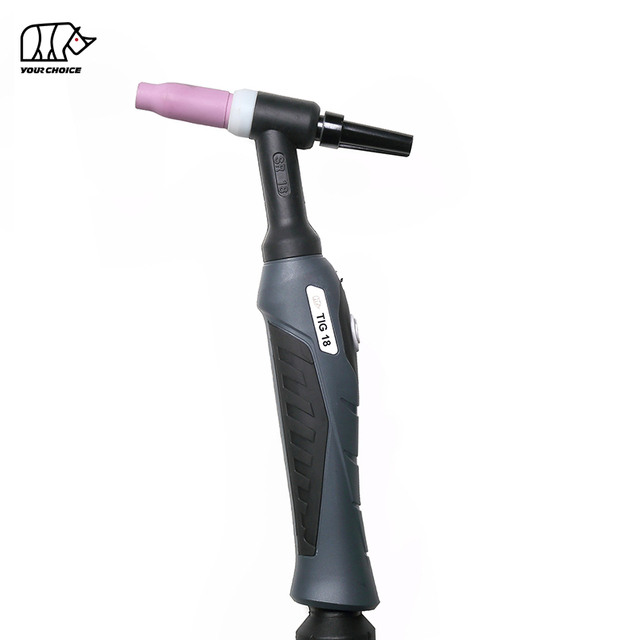
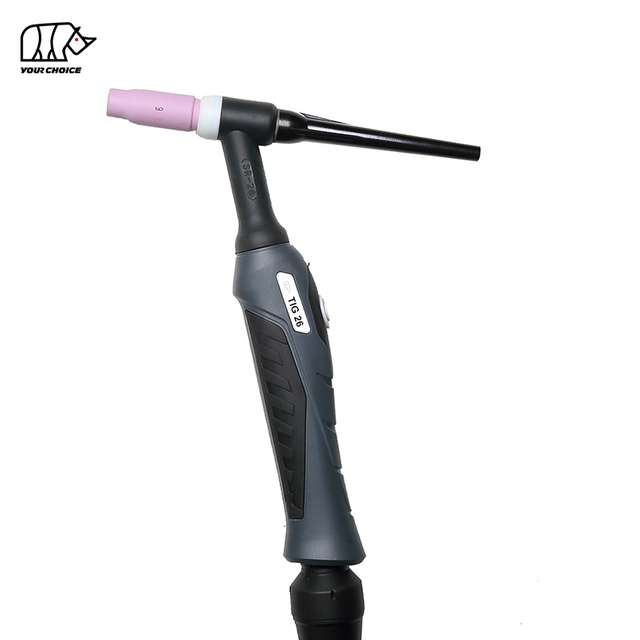
In the aerospace sector, where performance is measured in Mach numbers and safety is non-negotiable, the integrity of a single weld can determine the success of a mission. TIG (Tungsten Inert Gas) welding, technically known as GTAW (Gas Tungsten Arc Welding), remains the premier choice for aerospace engineers due to its surgical precision and superior control over heat input.
This guide delves into the top applications of TIG welding in modern aerospace manufacturing and maintenance.
1. High-Performance Aero-Engine Components
The jet engine is perhaps the most demanding environment for any metal joint. TIG welding is the primary method for assembling components that must withstand extreme thermal cycling and high-pressure oxidation.
Turbine Blades and Vanes: Often made from nickel-based superalloys like Inconel 718, these parts require TIG welding for precise edge builds and repair.
Combustion Chambers: TIG ensures a clean, slag-free weld that prevents contaminants from entering the high-velocity air stream.
Exhaust Nozzles: The ability to weld thin-gauge heat-resistant alloys without burn-through makes TIG irreplaceable for exhaust system geometries.
2. Structural Airframes and Critical Assemblies
While composite materials have gained ground, high-strength metallic alloys are still essential for the aircraft's "skeleton."
Engine Mounts and Pylons: These parts bear the weight of the engine and must handle immense vibration. TIG welding provides the high fatigue resistance required here.
Landing Gear Units: Specifically used for high-strength steel and titanium components where deep penetration and zero porosity are mandatory.
Seat Tracks and Cockpit Frames: Lightweight aluminum and magnesium alloys are joined via TIG to ensure a rigid yet light structure.
3. Precision Fuel and Hydraulic Systems
Leakage in an aircraft's "circulatory system" is catastrophic. TIG welding is the gold standard for thin-walled tubing (often less than 0.8mm thick).
Titanium Hydraulic Lines: Used in modern aircraft like the 787 or A350 for weight reduction. TIG welding provides a hermetic seal that maintains integrity under pressures exceeding 3,000 psi.
Fuel Manifolds: The clean interior bead of a TIG weld ensures that fuel flow remains laminar and free of debris.
Technical Comparison: Why TIG for Aerospace?
To understand why TIG is preferred over other methods like MIG or Plasma, consider the following performance matrix:
Aerospace parts are high-value assets. Instead of replacing a $50,000 component, MRO facilities use TIG welding to restore parts to "as-new" condition.
Crack Repair: Specialized TIG techniques are used to "stop-drill" and fill fatigue cracks in engine casings.
Cladding/Hardfacing: Adding wear-resistant layers to components exposed to high friction or erosion during flight.
Critical Materials in Aerospace TIG Welding
Success in aerospace welding depends on mastering specific materials. TIG welding excels at joining:
Titanium (Ti-6Al-4V): Known for its strength-to-weight ratio; requires 99.999% pure Argon shielding to avoid embrittlement.
Inconel & Hastelloy: Superalloys that maintain strength at 1,000°C+.
Aluminum (2xxx & 7xxx series): Requires AC TIG with precise cleaning action to break through oxide layers.
Stainless Steel (321/347): Stabilized grades used for ducting and heat exchangers.
Compliance and Quality Standards
Every aerospace TIG weld must adhere to stringent global standards to be flight-certified:
NADCAP: The National Aerospace and Defense Contractors Accreditation Program.
AWS D17.1: Specification for Fusion Welding for Aerospace Applications.
AS9100: Quality management systems for aviation, space, and defense organizations.
Conclusion
From the depths of a turbine engine to the precision of a hydraulic line, TIG welding is the silent guardian of aerospace safety. Its ability to join exotic metals with unparalleled purity and control makes it the definitive technology for the next generation of flight.
Are you looking for precision-engineered components or advanced welding solutions? Understanding these applications is the first step in optimizing your aerospace manufacturing chain.
FAQs
1. What are the primary TIG welding applications for high-performance aerospace engine parts?
TIG welding applications in engine manufacturing focus on joining nickel-based superalloys for turbine blades and combustion chambers. Our factory provides the precision required to handle extreme thermal stress, ensuring every joint meets flight-safety standards.
2. Does your factory provide OEM customized TIG welding for thin-walled titanium tubes?
Yes, we specialize in OEM customized solutions for titanium hydraulic and fuel lines. Our TIG welding applications allow for surgical precision on tubes with wall thicknesses under 1mm, ensuring leak-proof performance in high-pressure environments.
3. Why is TIG welding the standard for precision aerospace TIG welding applications?
Precision is non-negotiable in aviation. TIG welding applications offer superior arc stability and independent heat control, which is essential for welding exotic metals like titanium and magnesium used in OEM customized airframe structures.
4. Can you handle OEM customized production for Inconel exhaust manifolds?
Absolutely. We offer OEM customized fabrication for exhaust systems using Inconel and other heat-resistant alloys. Our advanced TIG welding applications ensure structural integrity and oxidation resistance at operating temperatures exceeding 800°C.
5. How do specialized TIG welding applications ensure the durability of aircraft fuel systems?
In aerospace fuel manifolds, purity is key. Our TIG welding applications produce slag-free, smooth interior beads that prevent fuel contamination, supported by our OEM customized manufacturing protocols for complex pipe geometries.
6. Do you offer OEM customized prototypes for new aerospace structural designs?
Yes, our engineering team works closely with clients on OEM customized prototyping. We utilize specialized TIG welding applications to develop rigid, lightweight structural frames that adhere to strict weight-reduction targets for next-gen aircraft.
7. What quality certifications do your aerospace TIG welding applications meet?
All our aerospace TIG welding applications are compliant with AS9100 and AWS D17.1 standards. For OEM customized orders, we provide full traceability and NADCAP-compliant documentation for every weld performed.
8. Can your facility manage OEM customized TIG welding for heavy-duty landing gear components?
Yes. We provide OEM customized welding for high-strength steel and titanium landing gear parts. Our TIG welding applications focus on deep penetration and zero-porosity joints to withstand the massive impact forces during touchdown.
9. Why are TIG welding applications preferred for aerospace MRO and part restoration?
Aerospace MRO (Maintenance, Repair, and Overhaul) requires a "less is more" approach to heat. Our TIG welding applications allow for precise material buildup on worn turbine parts, offering an OEM customized repair route that saves costs while maintaining original specs.
10. How does OEM customized TIG welding improve the reliability of cockpit safety frames?
By using OEM customized jigs and advanced TIG welding applications, we ensure that cockpit frames and seat tracks are perfectly aligned and stress-relieved, providing maximum pilot safety through high-strength, lightweight joints.
This website uses cookies and similar technologies (“cookies”). Subject to your consent, will use analytical cookies to track which content interests you, and marketing cookies to display interest-based advertising. We use third-party providers for these measures, who may also use the data for their own purposes.
You give your consent by clicking "Accept all" or by applying your individual settings. Your data may then also be processed in third countries outside the EU, such as the US, which do not have a corresponding level of data protection and where, in particular, access by local authorities may not be effectively prevented. You can revoke your consent with immediate effect at any time. If you click on "Reject all", only strictly necessary cookies will be used.
 English
 简体中文
简体中文 العربية
 Français
 Русский
 Español
 Português
 Deutsch
 italiano
 日本語
日本語 한국어
한국어 Nederlands
 Tiếng Việt
 ไทย
ไทย Polski
 Türkçe
 ភាសាខ្មែរ
 Bahasa Melayu
 Filipino
 Bahasa Indonesia
 magyar
 Română
 Čeština
 Монгол
 қазақ
қазақ Српски
 हिन्दी
 فارسی
فارسی Slovenčina
 Slovenščina
 Norsk
Norsk Svenska
 українська
 Ελληνικά
 Suomi
Suomi Latine
 Dansk
Dansk বাংলা
বাংলা Hrvatski
 Afrikaans
 Gaeilge
 Eesti keel
 नेपाली
 Oʻzbekcha
 latviešu
 Azərbaycan dili
 Беларуская мова
 Bosanski
 Български
 ქართული
 Lietuvių