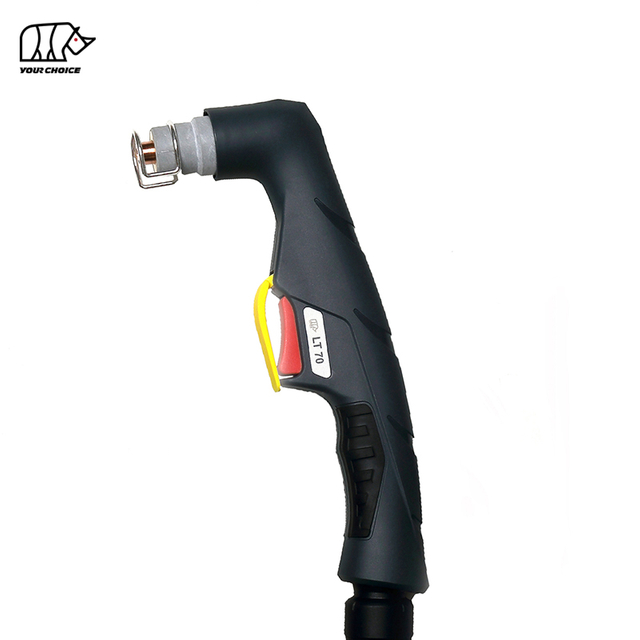
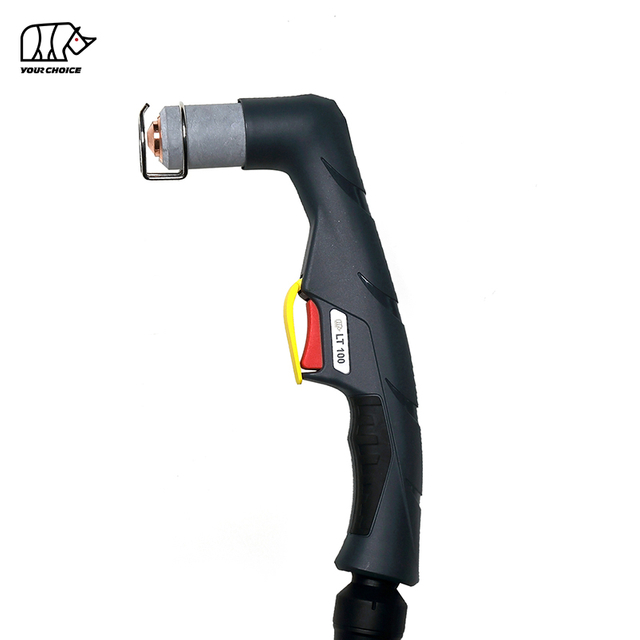
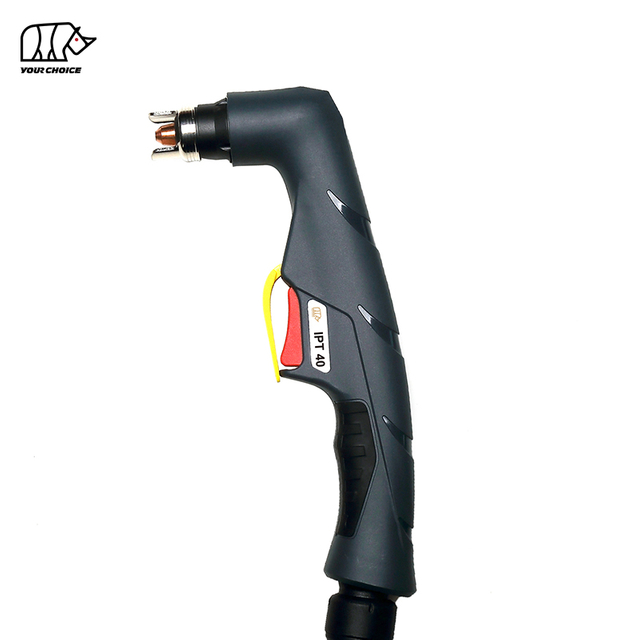
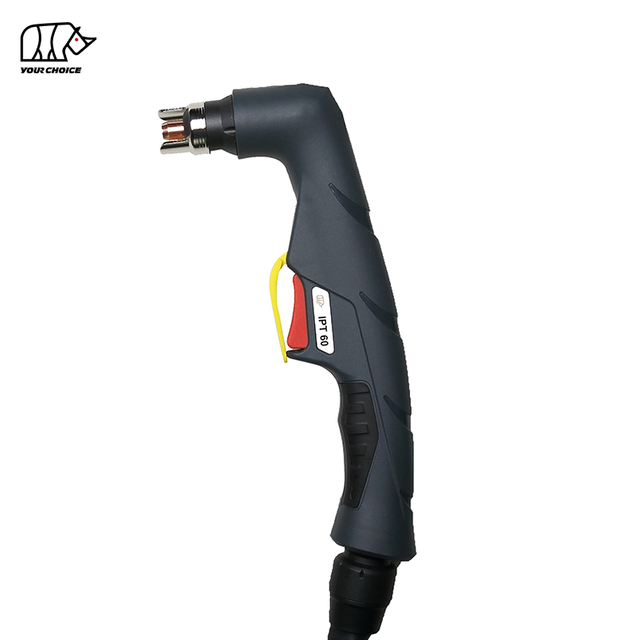
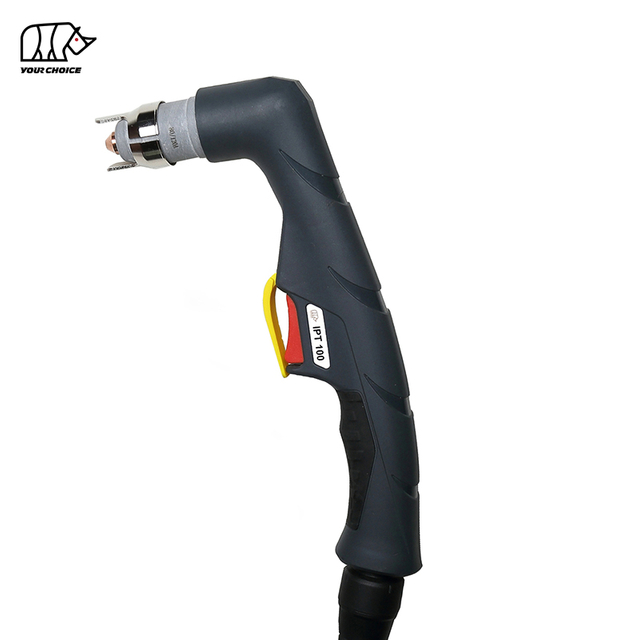
Industrial plasma cutting continues to evolve as manufacturers demand faster production speeds, cleaner cut quality, and lower operating costs. Whether you operate a handheld plasma cutter in a fabrication workshop or a fully automated CNC plasma cutting machine on a production line, one component has a greater impact on performance than many users realize—the plasma cutting torch.
Choosing the wrong torch can lead to unstable arcs, excessive dross, poor cut quality, short consumable life, and unnecessary downtime. Selecting the right torch, on the other hand, improves cutting precision, extends consumable life, reduces operating costs, and increases production efficiency.
This guide explains everything industrial buyers, distributors, and manufacturers need to know about selecting the right plasma cutting torch for modern cutting applications.
Why Choosing the Right Plasma Cutting Torch Matters
Many buyers focus only on the plasma power source when purchasing cutting equipment, but the torch itself is equally important. The torch controls arc stability, cooling performance, consumable wear, and overall cutting precision.
A well-designed plasma cutting torch ensures consistent arc ignition, stable gas flow, and accurate current transfer. These factors directly influence edge quality, kerf width, cutting speed, and the amount of secondary finishing required after cutting.
In automated production environments, selecting the correct plasma torch also minimizes downtime caused by consumable replacement or maintenance. This is especially important in industries such as steel fabrication, shipbuilding, heavy equipment manufacturing, HVAC duct production, and metal processing, where continuous operation is critical.
Types of Plasma Cutting Torches
Handheld Plasma Cutting Torch
Handheld plasma torches are designed for manual operation and offer flexibility for repair work, maintenance, metal fabrication, and small production runs. They are commonly used in workshops where operators require mobility and versatility.
Typical applications include:
Steel fabrication
Automotive repair
Metal maintenance
Construction projects
Agricultural equipment
CNC Plasma Cutting Torch
CNC plasma cutting torches are engineered for automated cutting systems that require high precision and repeatability. Mounted on CNC gantries or robotic arms, these torches provide stable cutting performance over long production cycles.
Industries using CNC plasma torches include:
Structural steel fabrication
Shipbuilding
Heavy machinery
Industrial equipment
Manufacturing automation
Machine-Mounted Plasma Torch
Machine-mounted torches are permanently integrated into automated production lines. Their rigid installation ensures consistent torch height, precise positioning, and repeatable cut quality, making them ideal for high-volume manufacturing.
Air-Cooled vs Water-Cooled Plasma Cutting Torch
Feature
Air-Cooled
Water-Cooled
Cooling Method
Air Flow
Closed-Loop Water
Duty Cycle
Medium
High
Cutting Thickness
Light to Medium
Medium to Heavy
Continuous Operation
Moderate
Excellent
Consumable Life
Good
Longer
Best For
Workshops
Industrial Production
Air-cooled torches are cost-effective for light and medium-duty applications, while water-cooled models excel in continuous industrial cutting thanks to superior heat dissipation and extended consumable life.
Electrode: Conducts electrical current and initiates the plasma arc.
Nozzle: Constricts the plasma arc for accurate cutting.
Swirl Ring: Creates a stable gas vortex around the arc.
Shield Cap: Protects the nozzle from molten metal.
Retaining Cap: Secures consumables in the correct position.
Using high-quality consumables helps maintain cut quality, reduce downtime, and lower overall operating costs.
Common Plasma Cutting Problems and Solutions
Problem
Possible Cause
Solution
Excessive dross
Worn nozzle
Replace nozzle
Unstable arc
Damaged electrode
Install new electrode
Poor cut quality
Incorrect torch height
Adjust torch positioning
Short consumable life
Incorrect gas pressure
Check gas settings
Arc start failure
Contaminated consumables
Clean or replace consumables
OEM Plasma Cutting Torch Manufacturing Services
Choosing an experienced OEM manufacturer provides more than just competitive pricing. It ensures consistent quality, engineering support, and flexible customization for different cutting systems.
Our OEM capabilities include:
Private label manufacturing
Custom cable lengths
Customized connectors
Torch body modifications
Packaging design
Product branding
Technical documentation
Global export support
Why Choose INWELT as Your Plasma Cutting Torch Supplier
INWELT specializes in manufacturing plasma cutting torches and consumables for industrial, CNC, and automated cutting applications. Our engineering expertise, strict quality control, and OEM/ODM capabilities help distributors and equipment manufacturers deliver reliable cutting solutions worldwide.
Whether you need handheld torches, CNC plasma systems, or customized consumables, we provide solutions designed for long service life, stable cutting performance, and lower operating costs.
Conclusion
Selecting the right plasma cutting torch is one of the most effective ways to improve cutting quality, reduce downtime, and optimize production costs. By considering cooling methods, application requirements, consumable quality, and compatibility with your cutting system, manufacturers can achieve higher efficiency and longer equipment life.
Partnering with an experienced OEM manufacturer also ensures access to customized solutions, reliable technical support, and consistent product quality—key factors for long-term success in industrial plasma cutting.
FAQ
How do I choose the best plasma cutting torch for CNC cutting?
The best plasma cutting torch for CNC cutting depends on your cutting current, material thickness, duty cycle, and machine compatibility. For continuous industrial production, choose a torch with high-duty-cycle performance, durable consumables, and stable arc characteristics. A CNC plasma cutting torch should also provide precise positioning, reliable ignition, and consistent cut quality to maximize productivity.
What is the difference between a CNC plasma cutting torch and a manual plasma cutting torch?
A CNC plasma cutting torch is designed for automated cutting systems, offering high precision, repeatability, and continuous operation. A manual plasma cutting torch is handheld and better suited for repair work, maintenance, and small fabrication projects. Choosing the right type depends on your production volume, cutting accuracy requirements, and application.
How often should plasma cutting torch consumables be replaced?
The lifespan of plasma cutting torch consumables varies depending on cutting current, material type, gas quality, and operating conditions. Worn electrodes and nozzles should be replaced when you notice unstable arcs, poor cut quality, excessive dross, or reduced cutting speed. Regular inspection and timely replacement help maintain optimal cutting performance and reduce production downtime.
Why is my plasma cutting torch producing excessive dross?
Excessive dross is often caused by worn consumables, incorrect cutting speed, improper torch height, or incorrect gas pressure. Replacing damaged consumables and following the recommended cutting parameters can significantly improve cut quality. Proper maintenance of your plasma cutting torch also helps reduce secondary finishing work and extends consumable life.
Can I order OEM customized plasma cutting torches?
Yes. Professional manufacturers provide OEM customized plasma cutting torches with options for torch body design, cable length, connectors, branding, packaging, and private labeling. OEM services allow distributors, equipment manufacturers, and industrial buyers to obtain products tailored to their technical requirements and market needs.
What materials can a plasma cutting torch cut?
A plasma cutting torch can efficiently cut electrically conductive metals such as carbon steel, stainless steel, aluminum, galvanized steel, copper, and brass. Selecting the correct consumables and cutting parameters ensures better edge quality, faster cutting speeds, and longer consumable life across different materials.
What are the benefits of using high-quality plasma cutting torch consumables?
High-quality plasma cutting torch consumables improve arc stability, deliver cleaner cuts, reduce dross formation, extend service life, and lower maintenance costs. They also help minimize machine downtime and improve overall production efficiency in both CNC and manual plasma cutting applications.
This website uses cookies and similar technologies (“cookies”). Subject to your consent, will use analytical cookies to track which content interests you, and marketing cookies to display interest-based advertising. We use third-party providers for these measures, who may also use the data for their own purposes.
You give your consent by clicking "Accept all" or by applying your individual settings. Your data may then also be processed in third countries outside the EU, such as the US, which do not have a corresponding level of data protection and where, in particular, access by local authorities may not be effectively prevented. You can revoke your consent with immediate effect at any time. If you click on "Reject all", only strictly necessary cookies will be used.
 English
 简体中文
简体中文 العربية
 Français
 Русский
 Español
 Português
 Deutsch
 italiano
 日本語
日本語 한국어
한국어 Nederlands
 Tiếng Việt
 ไทย
ไทย Polski
 Türkçe
 ភាសាខ្មែរ
 Bahasa Melayu
 Filipino
 Bahasa Indonesia
 magyar
 Română
 Čeština
 Монгол
 қазақ
қазақ Српски
 हिन्दी
 فارسی
فارسی Slovenčina
 Slovenščina
 Norsk
Norsk Svenska
 українська
 Ελληνικά
 Suomi
Suomi Latine
 Dansk
Dansk বাংলা
বাংলা Hrvatski
 Afrikaans
 Gaeilge
 Eesti keel
 नेपाली
 Oʻzbekcha
 latviešu
 Azərbaycan dili
 Беларуская мова
 Bosanski
 Български
 ქართული
 Lietuvių