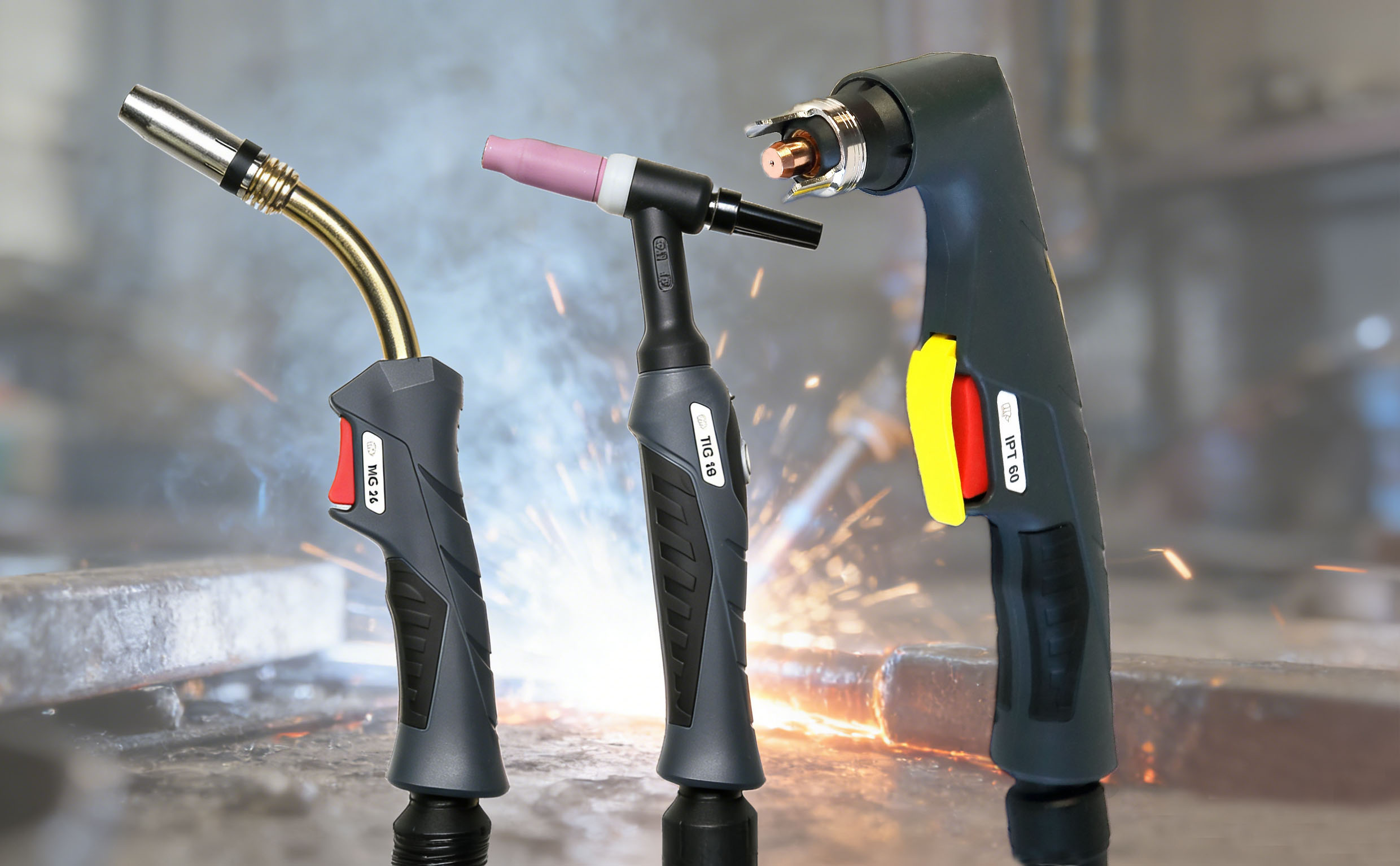
Welding torches—whether MIG welding torch, TIG welding torch, or plasma cutting torch models—are among the most essential and heavily used tools in metal fabrication, construction, automotive repair, agricultural equipment manufacturing, shipbuilding, and industrial production. These tools operate under relentless stress: extreme high temperatures, heavy electrical load, continuous spatter accumulation, shielding gas exposure, mechanical vibration, and physical abrasion are part of daily operation. For professional welders, workshop supervisors, and manufacturing managers, torch performance directly determines weld quality, work efficiency, on-site safety, and long-term operational costs. A neglected welding torch quickly develops unstable arcs, inconsistent gas coverage, premature consumable failure, frequent work stoppages, and even dangerous malfunctions that put operators at risk.
Daily maintenance is far more than a basic chore—it is a strategic investment in equipment durability, workplace safety, and consistent production output. By adopting simple, intentional, and repeatable daily maintenance habits, you can significantly extend the service life of your welding torch, cut down on consumable and replacement expenses, reduce unplanned downtime, and ensure every weld meets strict professional standards. This comprehensive guide explores structured daily maintenance practices for MIG welding torches, TIG welding torches, plasma cutting torches, and their common accessories, designed to help you protect your equipment, optimize performance, and maximize return on investment over years of heavy use.
Why Daily Maintenance Matters for Welding Torches
Welding equipment operates in some of the harshest working environments in industrial production. Spatter, molten slag, metal dust, fine shavings, and heat-induced oxidation build up rapidly on torch nozzles, contact tips, gas diffusers, collets, gas lenses, and internal flow channels. Even tiny deposits can disrupt smooth gas flow, weaken electrical conductivity, create unstable arc conditions, and increase heat stress on core components. Without daily cleaning and inspection, minor issues escalate rapidly into costly damage: contact tips wear out prematurely, nozzles warp or crack from uneven heating, gas lines develop hidden leaks, and internal electrical components degrade at an accelerated rate.
Many industrial welders and on-site technicians overlook daily maintenance to meet tight production deadlines, but the long-term costs of neglect far outweigh the few minutes required for routine care. A properly maintained welding torch typically lasts two to three times longer than a poorly serviced one, directly reducing capital expenditure and equipment replacement frequency. Beyond longevity, consistent daily maintenance enhances workplace safety by minimizing risks of gas leaks, electrical shortages, overheating, and accidental torch failure. Whether you manage a small custom fabrication shop, a mid-sized automotive repair facility, or a large-scale industrial manufacturing plant, establishing standardized daily torch maintenance improves overall reliability, lowers operational overhead, and supports smoother, more predictable daily workflows.
Over time, consistent care also improves weld consistency, reduces post-weld cleaning work, and lowers material waste from defective welds. Each maintenance action directly supports better arc stability, cleaner gas shielding, and more reliable equipment performance, creating a positive cycle that benefits both productivity and profitability.
Pre-Maintenance Safety Protocols
Before starting any daily maintenance on your welding torch, safety must remain the absolute priority. Welding torches carry high electrical current, retain extreme residual heat, and deliver pressurized shielding gases or compressed air, making improper handling extremely hazardous. Establishing clear pre-maintenance safety steps protects both the user and the equipment from avoidable injury and damage.
First, always disconnect the main power source. For MIG and TIG welding machines, switch off the main power supply and unplug the unit if operating conditions allow. For plasma cutting systems, ensure the power supply is fully shut down to prevent accidental arc ignition. Never perform maintenance on a live or recently used torch, as residual heat can cause severe burns and active electrical current can lead to dangerous electric shock.
Allow the torch and its consumable components to cool completely. Nozzles, contact tips, electrodes, and torch bodies retain intense heat after regular use; waiting 10 to 15 minutes ensures safe handling without risk of thermal injury. Next, shut off all gas supplies, including shielding gas for MIG and TIG torches and compressed air for plasma cutting torches. Slowly bleed residual pressure from gas lines to eliminate built-up pressure before inspecting hoses, fittings, and connections.
Always wear appropriate personal protective equipment during daily maintenance: heat-resistant gloves to handle components, safety glasses to block flying metal particles, and a dust mask to avoid inhaling fine spatter dust or cleaning agent fumes. Keep flammable materials, including rags, solvents, and packaging, away from the maintenance area, as loose metal fragments or residual heat may ignite combustible items. By following these safety protocols consistently, you create a secure environment for effective, risk-free torch maintenance.
Daily Maintenance for MIG Welding Torches
MIG welding torches are prized for their versatility, ease of operation, and high deposition efficiency, making them indispensable in automotive body repair, general metal fabrication, structural steel construction, agricultural machinery production, and on-site repair work. These torches depend on stable wire feeding, consistent shielding gas delivery, and reliable electrical contact to produce smooth, high-quality welds. Daily maintenance for MIG torches focuses on removing spatter buildup, inspecting critical consumables, ensuring unobstructed wire flow, and verifying secure gas connections.
Cleaning the Contact Tip
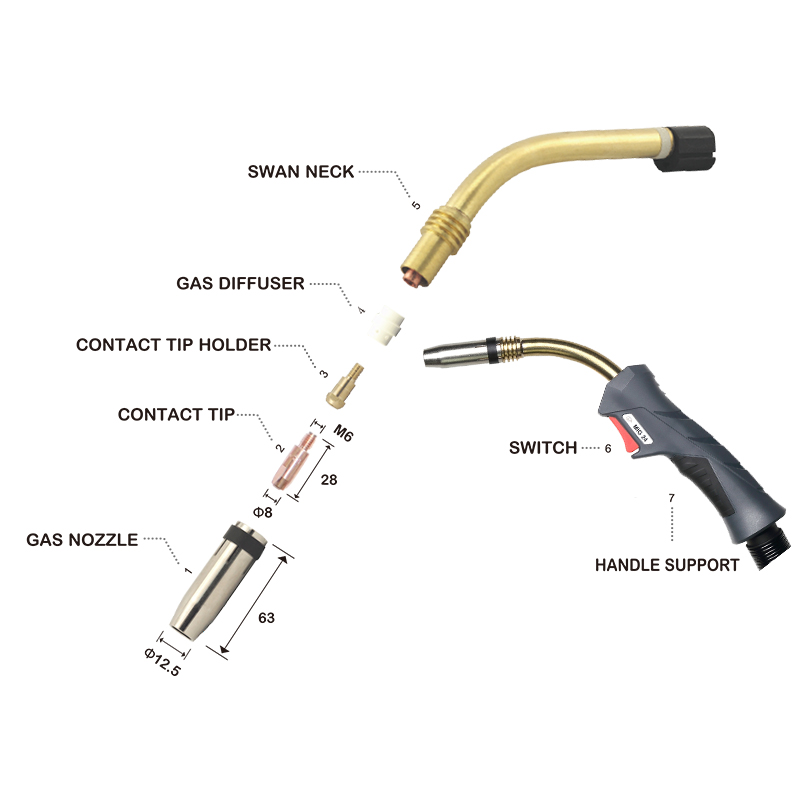
The contact tip is one of the most vital and frequently replaced components in a MIG welding torch. It transfers electrical current directly to the welding wire and is highly vulnerable to spatter adhesion, heat deformation, and internal blockages. Each day after operation, inspect the contact tip for signs of clogging, irregular wear, burning, or excessive spatter. Use a specialized tip cleaner or small, soft wire brush to remove debris from the inner bore, ensuring welding wire can pass through smoothly without friction or resistance.
Avoid using sharp, hard tools that scratch, nick, or enlarge the tip opening, as this disrupts wire alignment, causes unstable arcs, and increases spatter production. If the contact tip shows deep wear, oval shaping, or severe heat damage, replace it immediately. A worn or damaged contact tip leads to erratic wire feeding, poor arc stability, excessive spatter, and accelerated wear on other expensive torch components.
Maintaining the Nozzle and Gas Diffuser
The MIG torch nozzle directs shielding gas to the weld pool and protects internal parts from spatter and heat damage. On a daily basis, remove the nozzle and use a non-abrasive spatter cleaner or flat tool to gently dislodge accumulated spatter. Avoid aggressive scraping that damages the nozzle interior surface, as this disrupts laminar gas flow and creates uneven shielding, leading to weld porosity and oxidation.
The gas diffuser sits directly behind the contact tip and distributes shielding gas evenly across the weld zone. Inspect the diffuser daily for clogging and clean it with a soft brush to maintain unobstructed gas passage. A dirty or blocked gas diffuser causes inadequate gas coverage, which compromises weld quality and increases thermal stress on the torch. Applying a thin, even layer of anti-spatter compound to the inner nozzle surface can reduce future spatter adhesion and simplify daily cleaning routines.
Inspecting the Liner and Wire Feeding System
The liner guides welding wire from the spool to the torch head, and accumulated debris, wire shavings, or minor kinks can cause feeding issues that strain the entire torch assembly. Each day, check the liner for signs of dust buildup, metal fragments, or bending. If wire feeding feels rough or inconsistent, use a dedicated liner cleaner to remove obstructions. Ensure the liner is properly seated and aligned to avoid unnecessary wire friction that damages both the liner and the torch.
Additionally, inspect drive rolls and wire guides for daily buildup of dust and wire particles. Clean these components regularly to maintain smooth, consistent wire feeding. Inconsistent feeding places unnecessary stress on the torch, disrupts arc stability, and reduces overall service life.
Checking Gas Connections and Hoses
Stable shielding gas delivery is essential for clean, defect-free MIG welds, and gas leaks compromise both weld quality and workplace safety. Each day, inspect gas hoses for cracks, fraying, hardening, or visible wear. Test all connections for leaks using a mild soap solution; the formation of bubbles indicates a faulty seal that requires immediate tightening or part replacement. Loose, cracked, or damaged gas lines waste expensive shielding gas, cause weld contamination, and expose torch components to harmful oxidation, shortening overall service life.
Daily Maintenance for TIG Welding Torches
TIG welding torches deliver exceptional precision and clean, aesthetic welds on thin materials, stainless steel, aluminum, copper, and exotic alloys, making them essential in aerospace manufacturing, food-grade equipment fabrication, custom metal art, automotive customization, and sanitary pipeline production. Their delicate, high-precision components—including collets, collet bodies, gas lenses, and tungsten electrodes—require gentle, consistent daily care to preserve performance and extend service life.
Tungsten Electrode Care
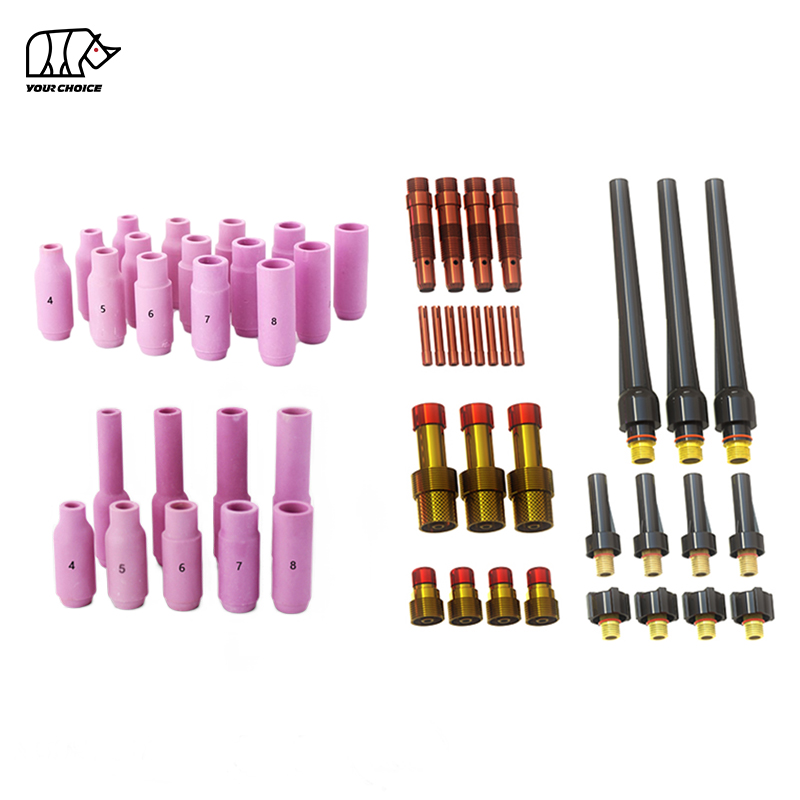
The tungsten electrode is the heart of the TIG welding torch, and its condition directly determines arc quality and weld cleanliness. Each day after use, inspect the tungsten for signs of contamination, balling, uneven wear, or discoloration. Clean the electrode tip using a dedicated tungsten grinder or diamond file to maintain a sharp, uniform point. Contaminated tungsten causes arc wandering, weld porosity, black soot accumulation on the nozzle, and increased maintenance demands.
Never touch the tungsten tip with bare hands, as natural skin oils and debris transfer easily and cause severe arc instability. If the electrode is heavily contaminated, cracked, or deformed, replace it immediately to avoid unnecessary stress on the torch and poor welding results.
Cleaning the Gas Lens and Collet Assembly
Gas lenses in TIG torches improve gas coverage stability and reduce turbulence, resulting in cleaner welds and less heat stress on the torch. On a daily basis, remove the gas lens and clean it with a soft brush to eliminate spatter, dust, and metal particles. A clogged or dirty gas lens disrupts shielding gas flow, leading to weld oxidation and inconsistent performance.
Inspect the collet and collet body for wear, deformation, or cracking. The collet securely holds the tungsten electrode in place, and any damage causes electrode movement, arc instability, and uneven heating. Clean these components daily and replace them at the first sign of significant wear to maintain precise electrode alignment.
Nozzle and Torch Body Inspection
TIG torch nozzles are engineered for precise, laminar gas flow, and spatter or heat-related damage severely impairs their function. After each daily shift, remove the nozzle and clean it gently using anti-spatter solution and a soft brush. Inspect for cracks, warping, or discoloration caused by overheating; damaged nozzles must be replaced to maintain proper shielding and protect internal components.
Wipe the entire torch body with a clean, dry cloth daily to remove dust, metal shavings, and heat marks. Avoid excessive moisture, as water can corrode internal electrical components and shorten torch life. Check the torch cable for kinks, abrasions, or fraying that could damage internal wiring and reduce operational reliability.
Gas System Maintenance
TIG welding relies on steady, pure shielding gas to prevent weld contamination and ensure clean results. Each day, inspect gas hoses, regulators, and fittings for leaks, cracks, or loose connections. Tighten fittings as needed and replace worn hoses immediately. Consistent, unobstructed gas flow reduces thermal stress on the torch and supports high-quality welds, lowering overall wear on sensitive TIG components.
Daily Maintenance for Plasma Cutting Torches
Plasma cutting torches deliver fast, high-precision cuts on carbon steel, stainless steel, aluminum, copper, and other conductive metals, widely used in metal fabrication, construction demolition, scrap recycling, automotive dismantling, and industrial maintenance. These tools operate under extreme thermal and mechanical stress, making daily maintenance critical for sustained performance, cutting accuracy, and operator safety.
Nozzle and Electrode Inspection
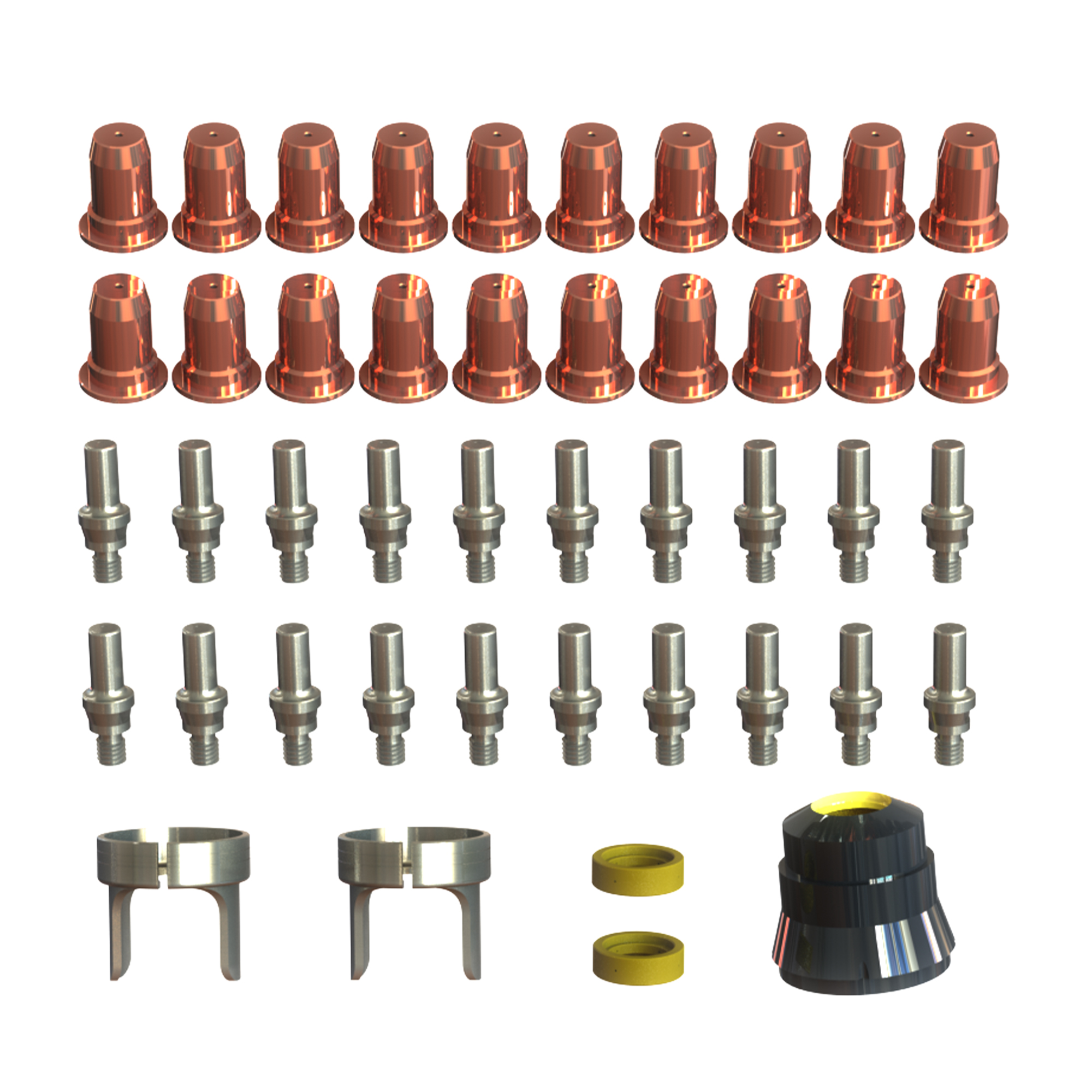
Plasma torch nozzles and electrodes are high-wear consumables that degrade rapidly under regular use. Each day, inspect these components for signs of pitting, melting, uneven wear, or deformation. A worn nozzle causes rough cuts, excessive dross, unstable plasma arcs, and reduced cutting speed, while a damaged electrode lowers energy efficiency and places additional stress on the torch body.
Clean the nozzle and electrode seating area daily with a soft brush to remove dross, metal particles, and oxidation. Avoid abrasive materials that scratch sealing surfaces, as this leads to misalignment and premature consumable failure. Replace consumables at the first sign of significant wear to prevent damage to more expensive, non-replaceable torch components.
Swirl Ring and Shield Cap Care
The swirl ring controls plasma gas flow and protects internal components from extreme heat damage. Clean the swirl ring daily to remove debris that disrupts gas flow and causes overheating. Inspect it for cracks, discoloration, or brittleness; damage here directly reduces cutting quality and shortens torch service life.
The shield cap guards the torch head from molten metal, sparks, and physical impact. Clean it daily and inspect for cracks or breakage. A damaged shield cap exposes sensitive internal parts to spatter and heat, leading to costly repairs and unplanned downtime.
Gas and Air Pressure Checks
Plasma cutting systems depend on stable gas or compressed air pressure for optimal performance. Each day, verify pressure levels and inspect supply lines for leaks, blockages, or wear. Inconsistent pressure causes poor cut quality, excessive dross, overheating, and accelerated component wear. Ensure all fittings are tight and secure to maintain stable operation and reduce unnecessary torch stress.
Torch Lead and Handle Maintenance
The torch lead carries power, gas, and cooling fluids to the cutting head. Inspect the lead daily for abrasions, cuts, kinks, or wear that could damage internal lines and wiring. Wipe the handle clean to remove grease, oil, and debris that compromise grip and safety. A well-maintained torch lead prevents electrical faults, gas leaks, and premature torch failure.
General Daily Maintenance Practices for All Welding Torches
Several universal maintenance routines apply equally to MIG welding torches, TIG welding torches, and plasma cutting torches. These foundational practices protect equipment, enhance safety, and establish a framework for long-term reliability across all welding operations.
Proper Storage After Daily Use
Storing your welding torch correctly at the end of each shift prevents avoidable physical damage and contamination. Hang the torch on a dedicated hook or rack to avoid placing it on dirty floors, metal scraps, or debris-covered surfaces that accelerate dust and spatter buildup. Coil the torch cable loosely to prevent kinks that damage internal wiring, gas lines, and cooling hoses.
Store the torch in a dry, clean, temperature-stable environment away from direct sunlight, moisture, and flammable materials. Proper storage reduces oxidation, corrosion, and accidental impact damage, preserving torch functionality between shifts and extending overall service life.
Lubrication of Moving Components
Some welding torches feature adjustable or movable parts, such as flexible necks, rotating heads, or trigger mechanisms. Apply a small amount of heat-resistant, non-flammable lubricant daily to keep these components moving smoothly. Avoid over-lubrication, as excess oil attracts dust, metal particles, and spatter that cause clogs and accelerated wear.
Visual Inspection of Core Components
Make daily visual inspection a non-negotiable part of maintenance. Check for cracked torch housings, loose fittings, frayed cables, discolored components indicating overheating, and unusual wear patterns. Addressing minor issues immediately prevents them from developing into catastrophic failures that require full torch replacement.
Avoiding Common Maintenance Mistakes
Even with regular daily care, certain common mistakes can reduce welding torch lifespan. Avoid using abrasive tools on delicate components, as scratching and gouging disrupt gas flow and electrical contact. Do not ignore small gas leaks, minor arc irregularities, or slight changes in performance—these early warning signs indicate underlying issues that worsen over time.
Refrain from using low-cost, low-quality consumables to save short-term expenses, as these wear quickly, produce poor results, and damage critical torch components. Follow manufacturer guidelines for cleaning agents and maintenance procedures to ensure chemical compatibility and safe handling.
Long-Term Benefits of Consistent Daily Maintenance
Establishing a daily maintenance routine creates a culture of equipment responsibility in welding and fabrication operations. Welders who prioritize torch care develop greater awareness of equipment condition and performance, leading to more precise work, fewer errors, and stronger safety habits. Over months and years, consistent daily maintenance translates directly to extended torch service life, improved weld quality, reduced rework, and higher overall operational efficiency.
Workshops and manufacturing facilities that implement standardized daily maintenance protocols see measurable reductions in equipment replacement costs, consumable expenses, and unplanned downtime. For professional welders, a well-maintained torch becomes a reliable, high-performance tool that supports craftsmanship, consistency, and professional reputation on every project.
Beyond cost savings, daily maintenance reinforces workplace safety by eliminating preventable hazards such as gas leaks, electrical malfunctions, and overheating. Safer working conditions reduce accident risk, support compliance with industrial safety regulations, and create a more stable, productive work environment for all team members.
Conclusion
A welding torch is more than a tool—it is a foundational asset in metalworking, construction, manufacturing, and industrial repair. Extending its operational life requires consistent, intentional daily maintenance that addresses wear, contamination, and performance issues before they escalate into costly damage. By following structured care routines tailored to MIG welding torches, TIG welding torches, and plasma cutting torches, welders and workshop managers can protect their equipment investments, improve workplace safety, and achieve consistently superior results.
Daily maintenance does not require extensive time or specialized training. Simple actions—including cleaning consumables, inspecting gas lines, checking for wear, verifying wire or electrode alignment, and practicing proper storage—deliver outsized benefits in equipment longevity and performance. Investing just a few minutes each day in maintenance saves hours of downtime, reduces long-term operational costs, and ensures your welding torch remains dependable, efficient, and safe for years of heavy use.
Whether you work in custom fabrication, automotive repair, structural construction, industrial manufacturing, or on-site maintenance, making daily welding torch maintenance a standard operating procedure will streamline your workflow, protect your financial investment, and help you produce consistent, high-quality welds or cuts every single day.
 English
 简体中文
简体中文 العربية
 Français
 Русский
 Español
 Português
 Deutsch
 italiano
 日本語
日本語 한국어
한국어 Nederlands
 Tiếng Việt
 ไทย
ไทย Polski
 Türkçe
 ភាសាខ្មែរ
 Bahasa Melayu
 Filipino
 Bahasa Indonesia
 magyar
 Română
 Čeština
 Монгол
 қазақ
қазақ Српски
 हिन्दी
 فارسی
فارسی Slovenčina
 Slovenščina
 Norsk
Norsk Svenska
 українська
 Ελληνικά
 Suomi
Suomi Latine
 Dansk
Dansk বাংলা
বাংলা Hrvatski
 Afrikaans
 Gaeilge
 Eesti keel
 नेपाली
 Oʻzbekcha
 latviešu
 Azərbaycan dili
 Беларуская мова
 Bosanski
 Български
 ქართული
 Lietuvių