TIG welding has always been the craftsman’s tool in the welding world. It is precise, clean, and capable of producing beautiful welds on everything from aerospace alloys to stainless steel piping. But when the job moves into cramped industrial tanks or demands extreme amperage on thick materials, standard setups often fall short. Specialty TIG welding applications require more than operator skill alone. They depend heavily on the right consumables, carefully selected to survive harsh conditions while maintaining arc stability and weld integrity.
Modern fabrication industries continue to push welding into environments that were once considered impractical or dangerous. Fabricators now weld inside pressure vessels, ship compartments, food-grade processing systems, and structural components with extraordinary thicknesses. These jobs expose weaknesses in poor-quality electrodes, unstable shielding gas systems, and low-end torch accessories almost immediately. That is why selecting the right TIG consumables has become just as important as choosing the welding machine itself.
The relationship between consumables and weld quality is a little like the relationship between tires and a race car. Even the most powerful engine becomes useless if the tires cannot grip the road. In TIG welding, consumables are the critical connection between machine capability and real-world performance. The right electrode geometry, nozzle configuration, filler metal, and cooling system can dramatically improve productivity, reduce downtime, and help welders work safely under difficult conditions.
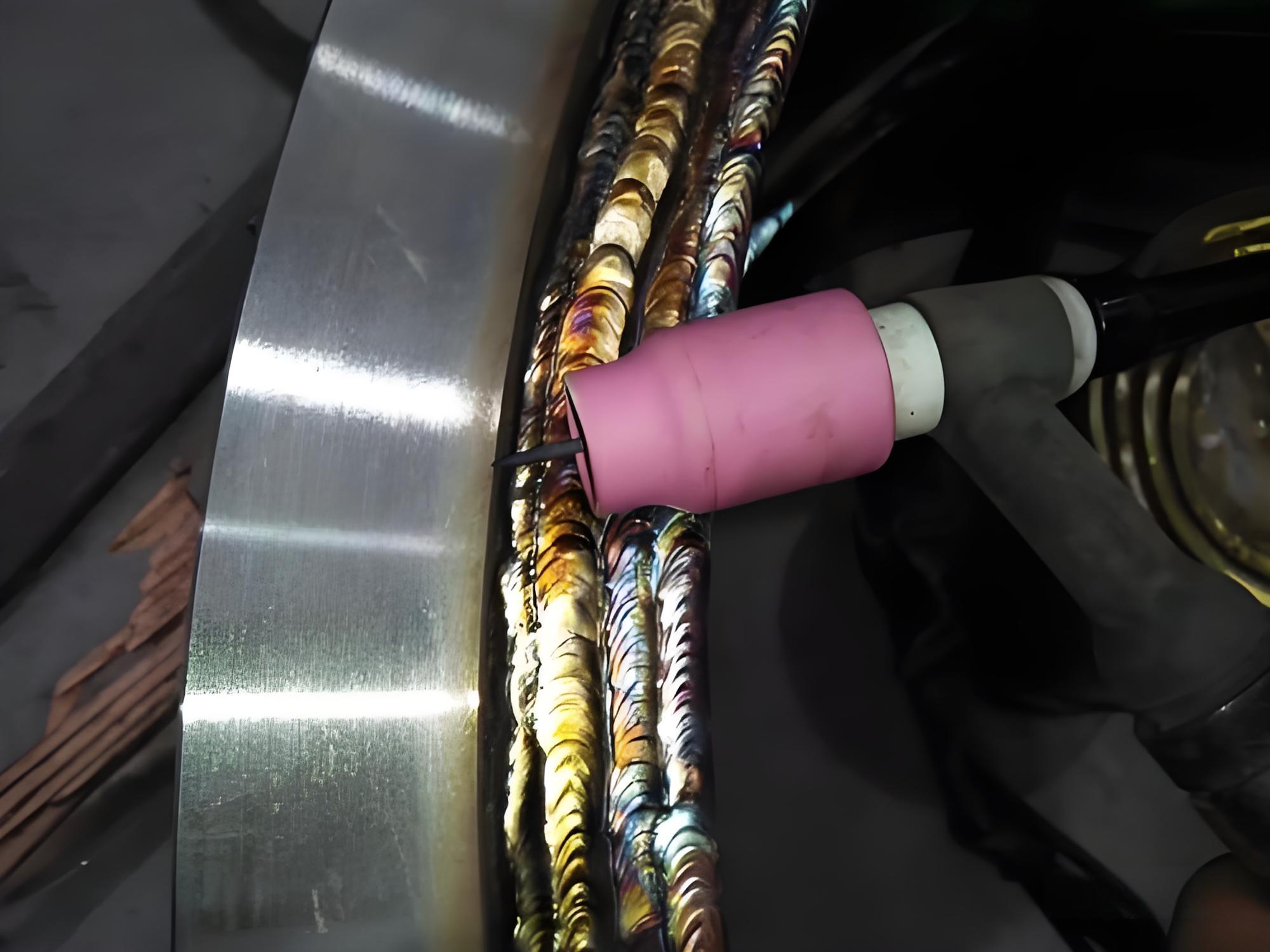
Understanding Specialty TIG Welding
Specialty TIG welding refers to applications that fall outside ordinary fabrication environments. These are projects where the welder faces unusual thermal loads, restricted movement, hazardous surroundings, or highly sensitive materials. Industries such as aerospace, nuclear energy, pharmaceutical manufacturing, petrochemical processing, and defense engineering frequently rely on specialty TIG processes because even minor weld defects can have catastrophic consequences.
Unlike MIG welding, which prioritizes speed and deposition rates, TIG welding focuses on precision and metallurgical control. The process allows operators to finely adjust heat input while creating exceptionally clean welds with minimal spatter. This level of control becomes essential when working with exotic metals such as titanium, Inconel, magnesium alloys, or duplex stainless steel. Specialty applications often involve these advanced materials because they deliver superior corrosion resistance and structural performance under extreme conditions.
Another reason TIG dominates precision fabrication is its adaptability. The process can be modified using pulsed current settings, orbital systems, specialized shielding gases, or custom torch designs. In confined spaces, operators may need ultra-flexible torch necks and compact gas lenses. In high-amperage applications, they may depend on water-cooled systems and reinforced electrodes that resist thermal degradation. Specialty TIG welding is less about brute force and more about tailoring every component of the setup to the environment.
Why TIG Welding Dominates Precision Fabrication
There is a reason high-spec industries continue investing in TIG technology despite the rise of automation and faster welding methods. TIG welding offers unmatched arc stability and weld appearance, particularly on thin or highly reactive materials. Precision fabrication demands consistency, and TIG provides that consistency better than almost any other manual process available today.
One major advantage is the superior control over heat input. Excessive heat can warp components, weaken material structures, or introduce contamination into sensitive alloys. TIG welding allows operators to apply heat with surgical precision, which is especially important in aerospace tubing, semiconductor manufacturing systems, and medical-grade stainless assemblies. The cleaner weld profile also minimizes post-processing work, saving time and reducing production costs.
Another important factor is contamination control. Specialty industries often operate under strict quality standards where inclusions, oxidation, or porosity are unacceptable. TIG welding uses inert shielding gases to protect the weld puddle from atmospheric contamination, producing highly refined weld structures. When paired with premium consumables, TIG systems can achieve exceptional metallurgical purity.
Modern TIG technology also continues evolving rapidly. Advanced inverter power supplies, digital pulse controls, and ergonomic torch designs have expanded TIG capabilities far beyond traditional fabrication. Welders can now perform precise welds in spaces barely large enough for a human hand while simultaneously handling amperage levels that would have overwhelmed older equipment generations.
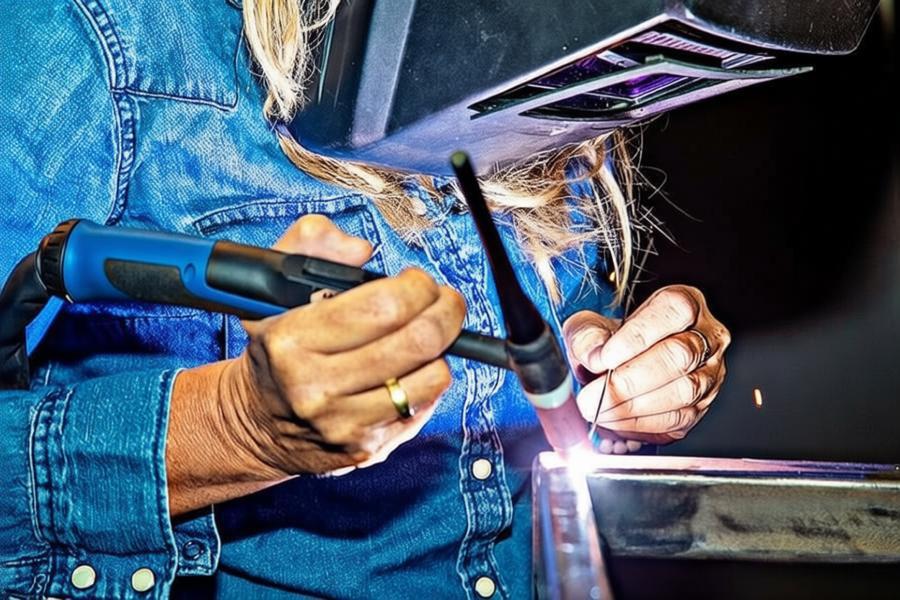
Challenges of Welding in Confined Spaces
Confined-space TIG welding introduces a unique set of operational and safety challenges. Unlike open fabrication environments, these locations restrict movement, limit visibility, and trap heat. Welding inside pipelines, storage tanks, pressure vessels, or ship compartments demands far more than technical welding knowledge. It requires specialized equipment setups that prioritize accessibility and operator endurance.
One of the biggest challenges is physical positioning. A welder working inside a narrow chamber may not have enough room to maintain ideal torch angles or body posture. Poor ergonomics increase fatigue, which in turn affects weld consistency. In these situations, lightweight consumables and flexible torch assemblies become essential. Even small improvements in torch maneuverability can significantly reduce strain during long welding sessions.
Heat buildup also becomes a major concern. Confined environments often trap radiant heat and reduce airflow around the welder. This not only increases operator discomfort but also accelerates consumable wear. Ceramic cups may crack under repeated thermal cycling, and electrodes may degrade faster if shielding gas flow becomes unstable. Choosing consumables specifically designed for heat resistance can dramatically improve performance and reduce interruptions.
Visibility presents another obstacle. In narrow or obstructed environments, maintaining a clear view of the weld puddle is difficult. Oversized cups or poorly configured gas systems can block visibility even further. Specialty consumables such as compact gas lenses and slim-profile nozzles help improve sightlines without sacrificing shielding coverage. These seemingly small adjustments often make the difference between a flawless weld and an expensive repair.
Consumables Designed for Confined-Space TIG Welding
The demands of confined-space welding have driven major innovation in TIG consumables. Manufacturers now produce compact torch systems, flexible cable assemblies, and miniaturized nozzle configurations specifically for restricted-access applications. These products are engineered to maximize control while minimizing physical interference around the weld zone.
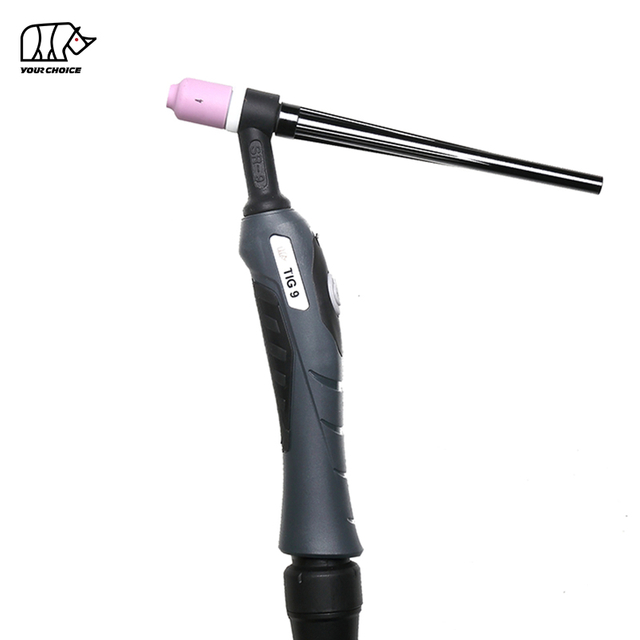
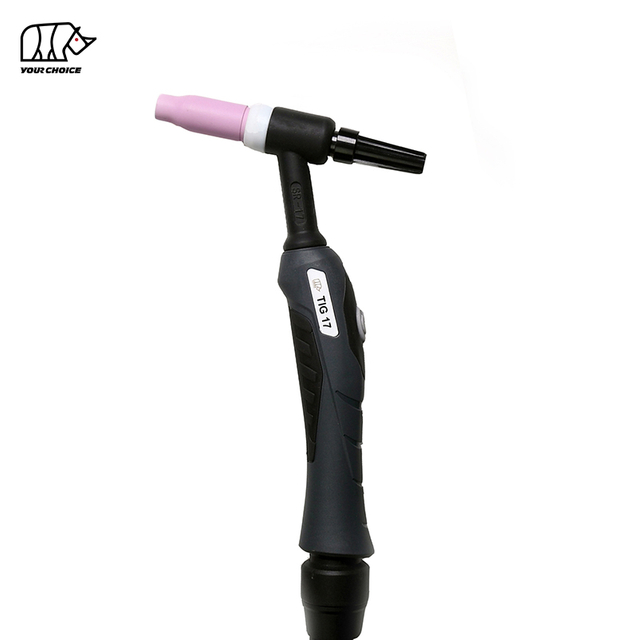
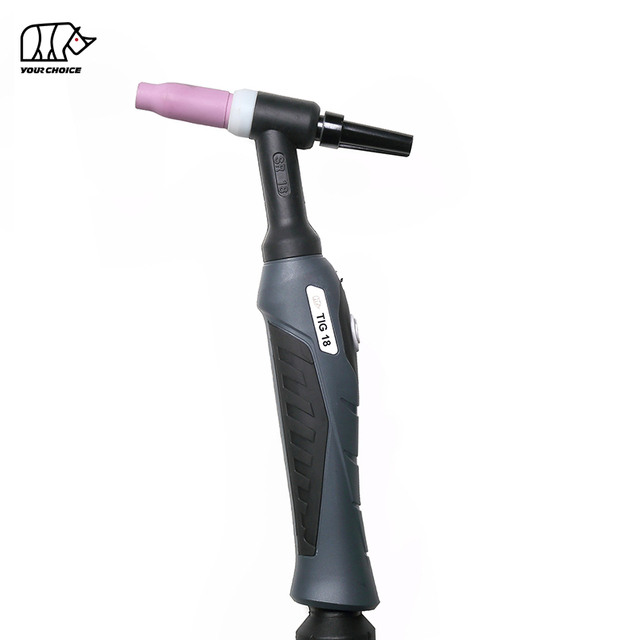
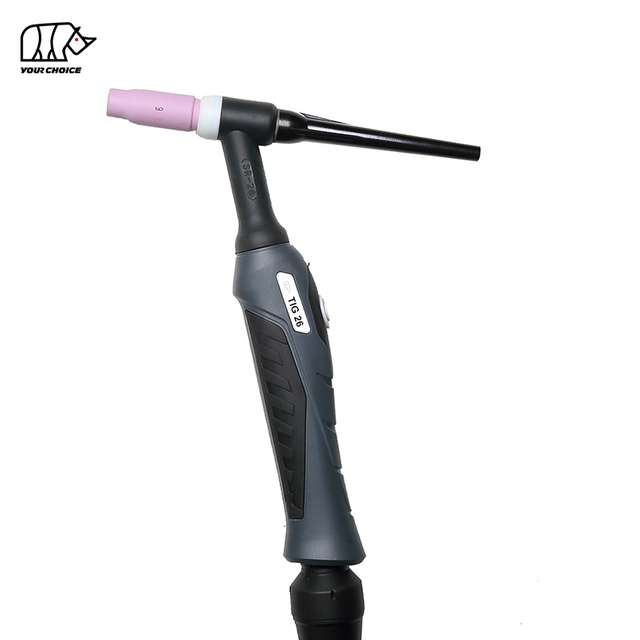
Compact TIG torches are among the most valuable tools for confined-space operations. Traditional torches can feel bulky and awkward in narrow spaces, limiting precision and increasing operator fatigue. Smaller torch bodies with flexible heads allow welders to reach difficult angles while maintaining stable arc positioning. Flexible neck torches act almost like extensions of the welder’s wrist, enabling better access in complex geometries.
Tungsten electrode selection also becomes critically important. Smaller diameter electrodes are often preferred in confined environments because they improve maneuverability and require less overall space around the arc. Rare-earth tungsten blends have gained popularity because they offer excellent arc starting characteristics and stability at lower amperage ranges. Sharpened electrode geometry further improves arc focus, which helps welders maintain precision despite limited visibility.
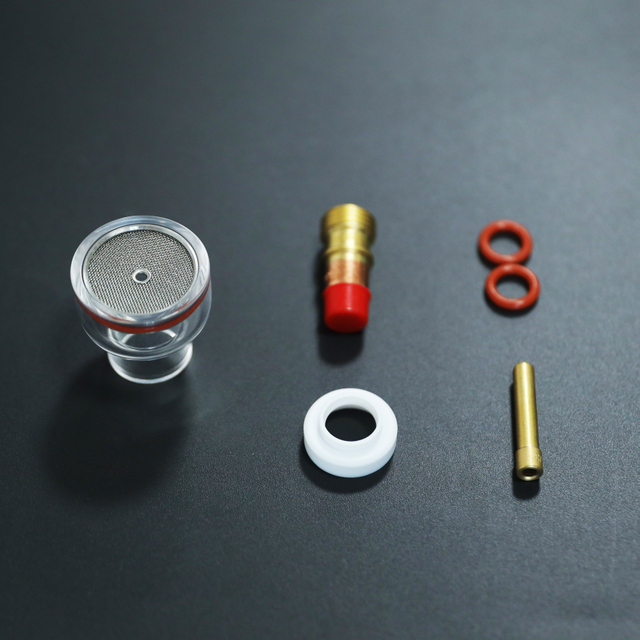
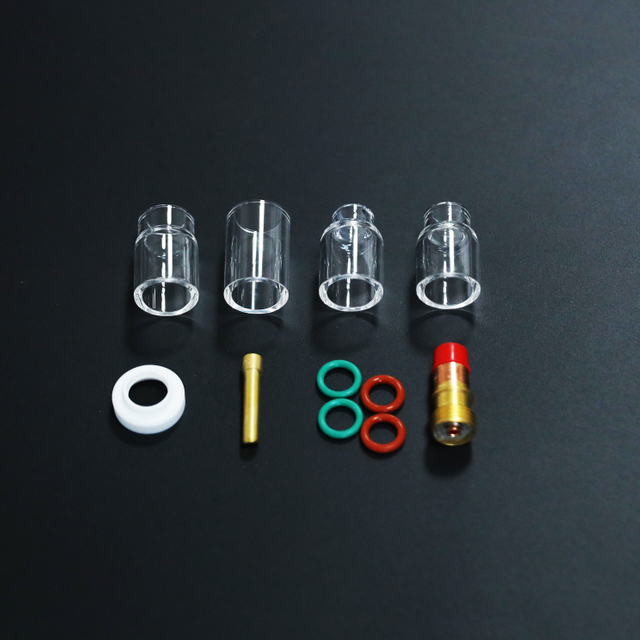
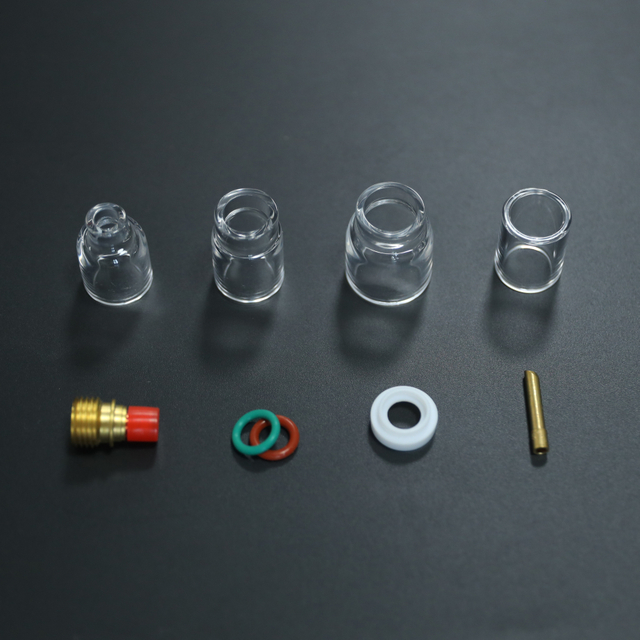
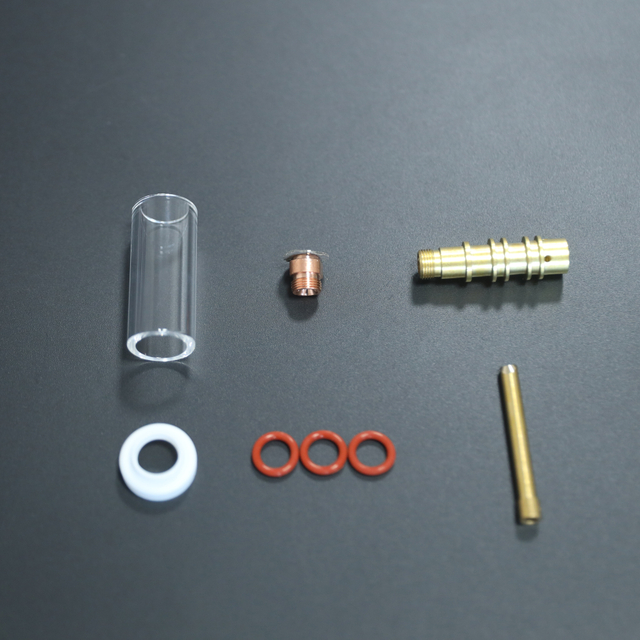
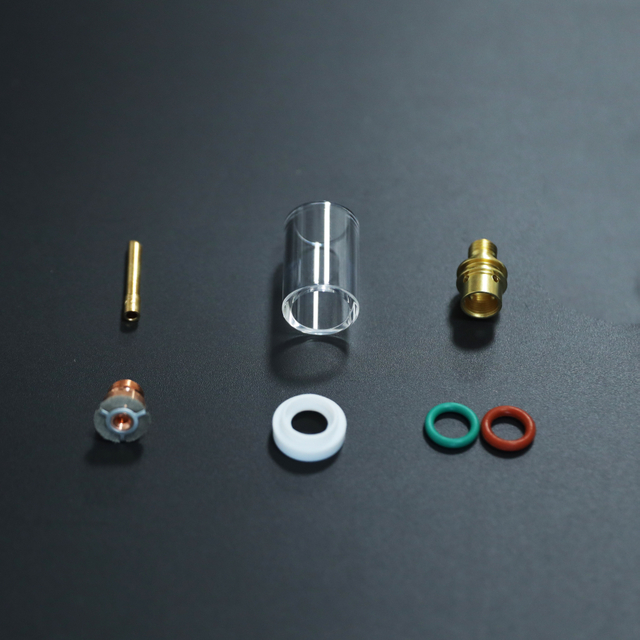
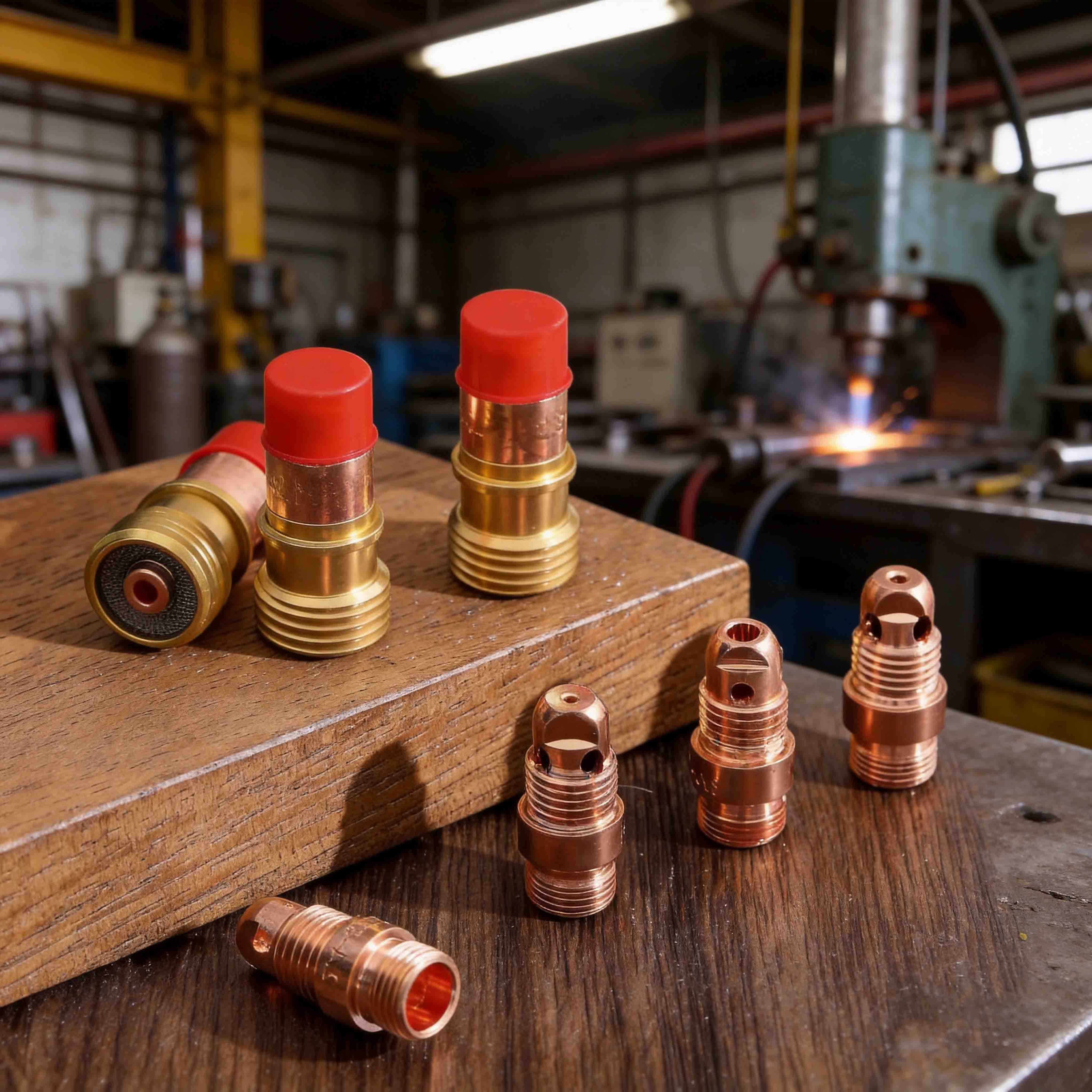
Gas lens systems have become almost indispensable in specialty TIG applications. A gas lens smooths and distributes shielding gas flow more evenly around the weld puddle. This creates a more stable shielding envelope while allowing the tungsten to extend farther beyond the cup. For confined spaces, that extra extension can dramatically improve access and visibility. It is similar to using a precision paintbrush instead of a large roller in a narrow corner — the finer control transforms the result.
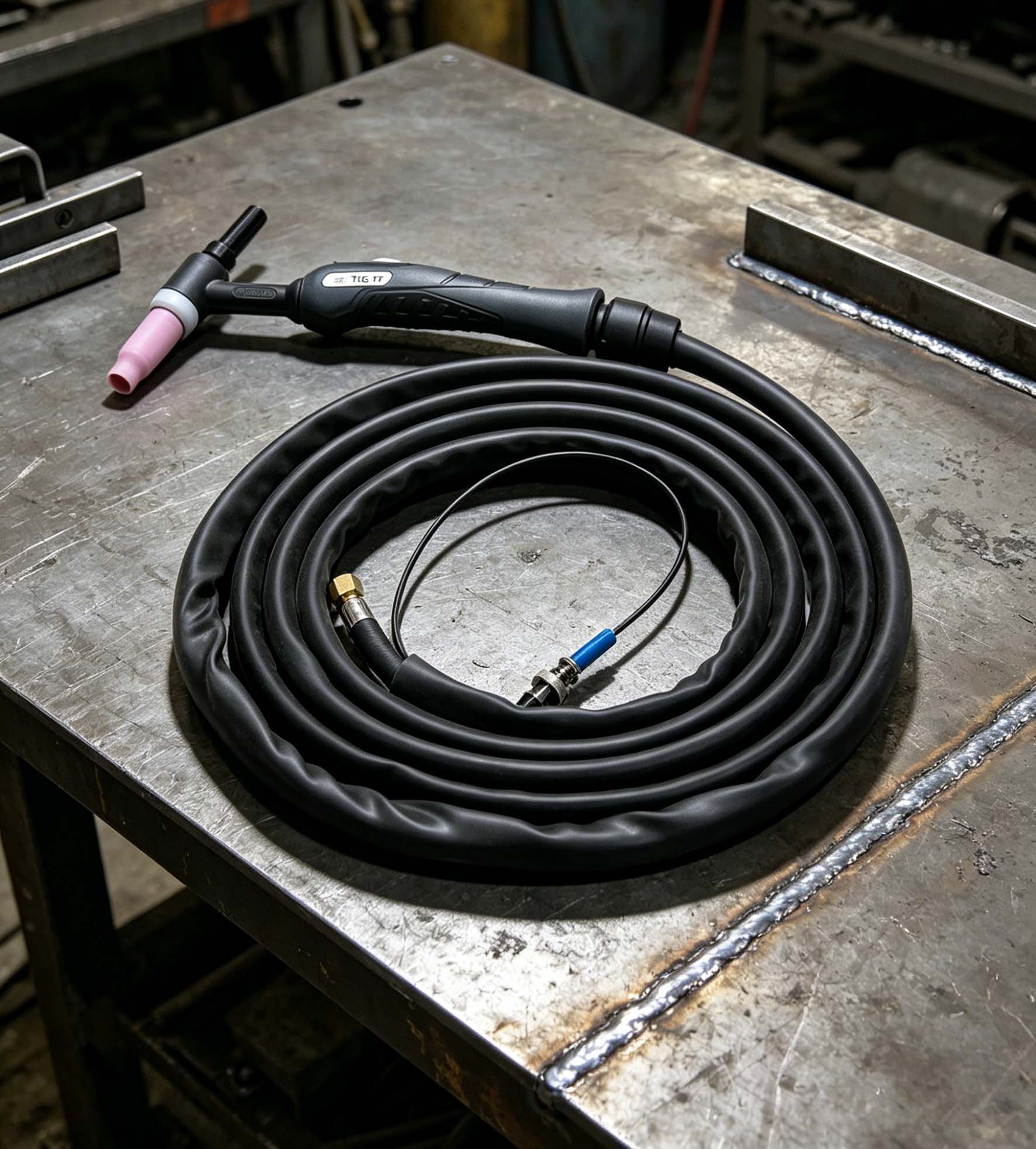
High-Amperage TIG Welding Applications
At the opposite end of the spectrum lies high-amperage TIG welding, where extreme heat and heavy material sections place enormous stress on consumables. Industries such as power generation, shipbuilding, structural steel fabrication, and heavy equipment manufacturing often require TIG systems capable of sustaining intense thermal loads for extended periods.
High-amperage welding is not simply “normal TIG welding turned up higher.” The physics of the process changes dramatically as temperatures rise. Electrodes experience accelerated erosion, torch components absorb massive heat loads, and shielding gas behavior becomes more turbulent. Consumables that perform perfectly at moderate amperage levels may fail rapidly under heavy-duty operating conditions.
One of the biggest challenges is maintaining electrode integrity. Excessive amperage can cause tungsten tips to ball, split, or contaminate the weld pool. Heavy-duty tungsten electrodes with larger diameters are necessary to withstand sustained current loads. Lanthanated and rare-earth tungsten variants are especially popular because they provide excellent thermal resistance and arc stability at high temperatures.
Cooling systems also become critical. Air-cooled torches are often insufficient for sustained high-amperage work because they cannot dissipate heat quickly enough. Water-cooled torch systems circulate coolant through the torch body, dramatically reducing operating temperatures. This improves operator comfort while extending consumable life. In many industrial environments, water cooling is not a luxury — it is an operational necessity.
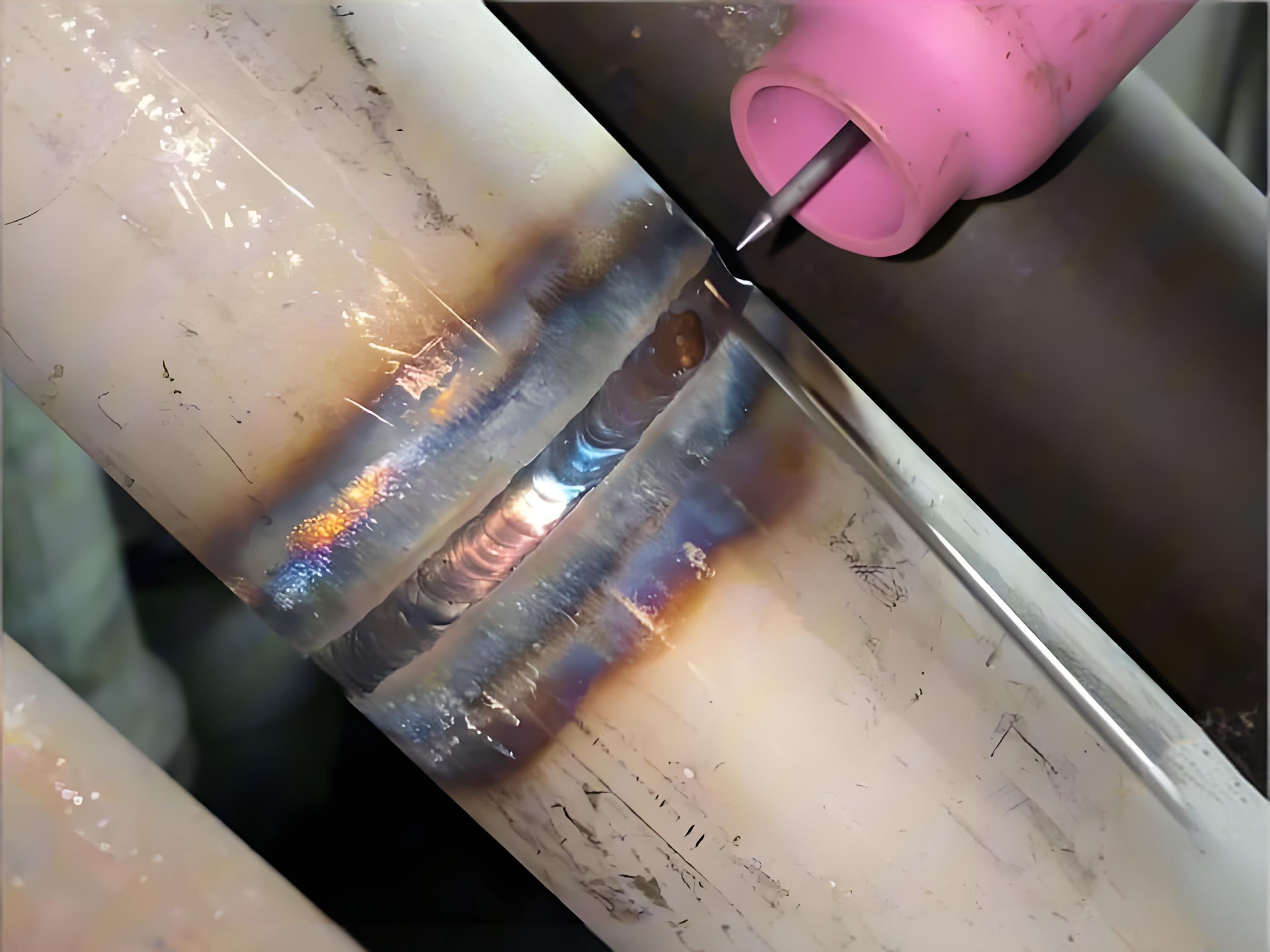
Choosing Consumables for High-Amperage Jobs
Selecting consumables for high-amperage TIG welding requires balancing durability, heat resistance, and arc performance. Every component in the torch assembly must survive extreme thermal conditions without compromising weld quality. Even a minor weakness can trigger downtime, contamination, or equipment damage.
The tungsten electrode serves as the heart of the system. Larger diameter electrodes distribute heat more effectively and resist deformation under heavy current loads. The table below highlights common electrode considerations for high-amperage TIG welding:
| Tungsten Type | Best Use | Advantages |
| Lanthanated | DC high-amperage welding | Excellent arc stability |
| Ceriated | Precision lower amperage | Smooth arc starts |
| Thoriated | Heavy industrial welding | Strong heat tolerance |
| Rare-earth blends | Versatile specialty work | Long electrode life |
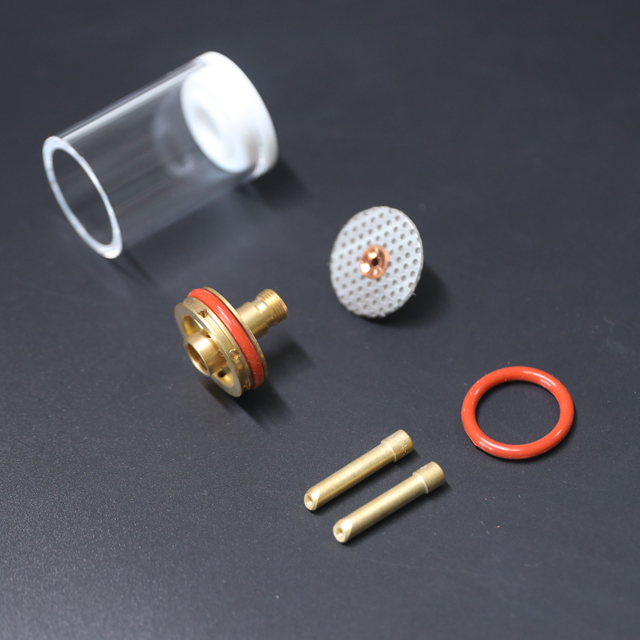
High-temperature ceramic cups are another essential component. Standard ceramic nozzles may crack or degrade rapidly when exposed to continuous high heat. Specialty ceramics designed for thermal shock resistance help maintain shielding integrity during prolonged welding cycles. Some applications even use fused quartz cups because they tolerate extreme temperatures while improving weld visibility.
Torch cables and connectors also deserve attention. High-amperage systems generate significant electrical and thermal stress throughout the entire assembly. Reinforced cable insulation and heavy-duty connectors help prevent overheating and ensure consistent current delivery. A weak cable connection in a high-amperage setup is a bit like a bottleneck in a highway system — it restricts performance and increases failure risk.
Shielding Gas Strategies for Specialty TIG Welding
Shielding gas selection plays a massive role in specialty TIG performance. Gas composition directly affects arc stability, penetration, heat transfer, and oxidation resistance. Choosing the wrong gas setup can ruin even the best consumable configuration.
Pure argon remains the most widely used shielding gas because it provides stable arc characteristics and excellent coverage for most materials. It is especially effective in confined-space welding where controlled, predictable shielding behavior matters most. Argon’s smooth arc profile helps reduce turbulence and maintain precise weld puddle control.
Helium mixtures become more valuable in high-amperage applications. Helium increases arc temperature and penetration capability, making it ideal for thick aluminum and copper alloys. However, helium also requires higher flow rates and can produce a more aggressive arc. Many fabricators use argon-helium blends to balance penetration with arc stability.
Gas flow optimization becomes particularly important in restricted-access welding. Excessive gas flow may create turbulence that pulls atmospheric contaminants into the weld zone. Too little flow compromises shielding coverage entirely. Gas lenses help solve this issue by creating smoother laminar gas flow, improving shielding efficiency while allowing lower overall gas consumption.
TIG Filler Metal Selection for Specialized Work
Filler metal selection often determines whether a weld succeeds or fails in specialty applications. Matching filler chemistry to base material properties is critical for maintaining strength, corrosion resistance, and crack prevention. Specialty TIG welding frequently involves alloys that react poorly to improper filler combinations.
For stainless steel systems, filler metals must preserve corrosion resistance and mechanical integrity. Using mismatched fillers can lead to galvanic corrosion or brittle weld structures. Aerospace applications often require strict filler certifications because even microscopic impurities can affect long-term reliability.
High-amperage applications place additional stress on filler metals because larger weld pools cool differently. Improper filler selection may cause hot cracking, porosity, or excessive shrinkage stresses. Operators must account for thermal expansion rates and metallurgical compatibility during material selection.
Storage conditions also matter more than many welders realize. Moisture contamination in filler rods can introduce hydrogen into the weld zone, increasing the risk of cracking and porosity. Specialty consumables should always be stored in dry, temperature-controlled environments to maintain consistency and reliability.
Consumable Maintenance and Storage Best Practices
Even premium consumables perform poorly when neglected. Proper maintenance routines dramatically improve welding consistency while reducing operational costs. Specialty TIG environments are unforgiving, and small maintenance issues quickly become major production problems.
Electrode grinding practices deserve special attention. Grinding tungsten incorrectly can destabilize the arc and introduce contamination. Dedicated grinding wheels should always be used to prevent cross-contamination from other metals. Grinding marks should run lengthwise rather than circumferentially to maintain proper electron flow.
Consumable inspection routines help catch problems before they escalate. Cracked ceramic cups, worn collets, and contaminated electrodes all affect weld quality. Operators working in confined spaces or high-amperage environments should inspect consumables more frequently because these conditions accelerate wear.
Storage systems should protect consumables from dust, moisture, and accidental damage. Organized storage trays reduce handling contamination while helping operators identify materials quickly. In high-spec industries, traceability systems are often used to track consumable batches for quality assurance purposes.
Safety Considerations in Specialty TIG Environments
Specialty TIG welding introduces safety hazards that go far beyond standard fabrication risks. Confined spaces can accumulate toxic fumes, reduce oxygen levels, and increase heat stress on operators. High-amperage systems introduce additional electrical hazards and intense radiant energy exposure.
Ventilation becomes critically important in confined environments. Fume extraction systems must remove airborne contaminants without disrupting shielding gas coverage. Portable extraction units with adjustable airflow controls are often preferred because they provide localized protection while maintaining weld quality.
Thermal protection also matters. High-amperage welding generates intense infrared radiation and extreme surface temperatures. Operators require specialized gloves, jackets, and face shields capable of handling prolonged heat exposure. Water-cooled systems help reduce some of this stress, but personal protective equipment remains essential.
Electrical safety should never be underestimated. High-current TIG systems demand reliable grounding and properly maintained cables. Damaged insulation or loose connectors can quickly become life-threatening hazards in humid or confined environments. Routine equipment inspections help prevent accidents before they occur.
Emerging Trends in Specialty TIG Welding Consumables
The future of specialty TIG welding is being shaped by smarter consumables and advanced material science. Manufacturers are developing electrodes with improved rare-earth formulations that deliver longer life and more stable arc characteristics. These innovations reduce downtime while improving overall welding efficiency.
3D-printed torch components are also beginning to appear in specialized industrial environments. Custom nozzle geometries and lightweight torch assemblies can now be produced for highly specific applications. This level of customization allows operators to optimize performance for unusual weld joint configurations or confined access points.
Digital monitoring systems are another growing trend. Some advanced welding systems can now track consumable wear, gas flow performance, and thermal loads in real time. Predictive maintenance tools help operators replace components before failures occur, improving productivity and reducing waste.
Automation is expanding as well, but manual TIG welding still remains irreplaceable in many specialty environments. Robots excel in repetitive production settings, yet confined spaces and complex repair jobs often require human adaptability. The future likely belongs to hybrid systems where advanced consumables support both automated and manual precision welding operations.
Conclusion
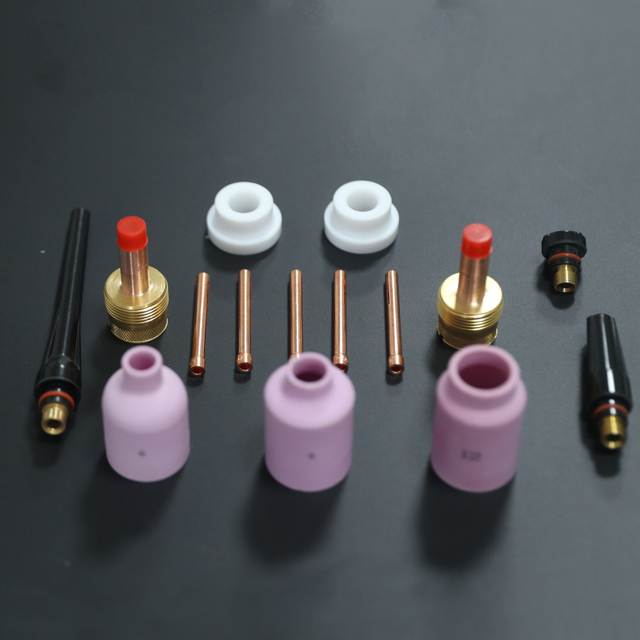
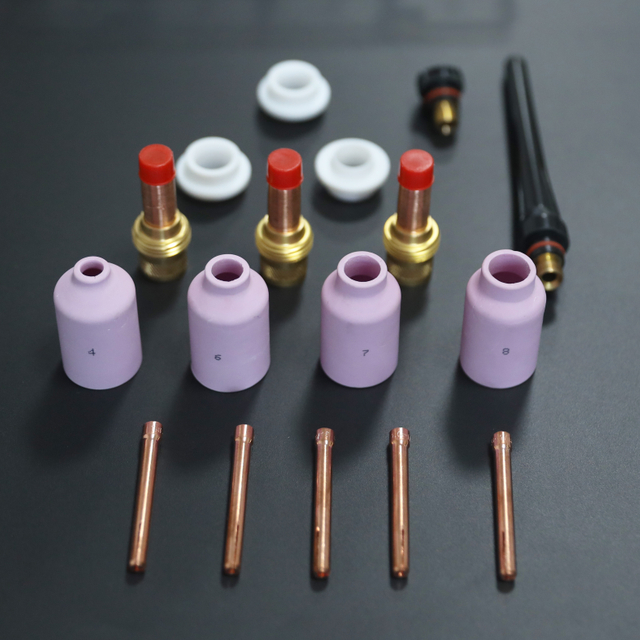
Specialty TIG welding applications demand far more than technical skill alone. Whether operating inside confined industrial spaces or pushing equipment to extreme amperage levels, welders rely heavily on consumables that can handle unique environmental and thermal stresses. Compact torches, precision gas lenses, advanced tungsten electrodes, and high-temperature ceramics all play essential roles in maintaining weld quality under difficult conditions.
The right consumable strategy improves far more than weld appearance. It enhances safety, increases productivity, reduces downtime, and extends equipment life. In industries where weld failure can lead to catastrophic consequences, consumable selection becomes a critical engineering decision rather than a simple purchasing choice.
As fabrication technologies continue evolving, specialty TIG welding will only become more sophisticated. Advanced materials, smarter consumables, and digital monitoring systems are reshaping what welders can achieve in extreme environments. The operators and businesses that understand how to optimize their consumable setups today will be better prepared for the increasingly demanding welding challenges of tomorrow.
FAQs
1. What tungsten electrode is best for high-amperage TIG welding?
Lanthanated and rare-earth tungsten electrodes are commonly preferred because they offer excellent heat resistance, stable arc performance, and longer service life under heavy current loads.
2. Why are gas lenses important in confined-space TIG welding?
Gas lenses create smoother shielding gas flow, allowing better weld protection, improved visibility, and extended tungsten stick-out for easier access in tight spaces.
3. Are water-cooled TIG torches necessary for heavy-duty applications?
For sustained high-amperage welding, water-cooled torches are often essential because they reduce overheating, improve operator comfort, and extend consumable lifespan.
4. What shielding gas works best for thick materials?
Argon-helium mixtures are frequently used for thick materials because helium increases arc heat and penetration while argon maintains stability.
5. How can welders reduce consumable wear in specialty applications?
Proper amperage settings, regular maintenance, correct gas flow rates, and using consumables specifically designed for the application all help minimize wear and improve performance.
 English
 简体中文
简体中文 العربية
 Français
 Русский
 Español
 Português
 Deutsch
 italiano
 日本語
日本語 한국어
한국어 Nederlands
 Tiếng Việt
 ไทย
ไทย Polski
 Türkçe
 ភាសាខ្មែរ
 Bahasa Melayu
 Filipino
 Bahasa Indonesia
 magyar
 Română
 Čeština
 Монгол
 қазақ
қазақ Српски
 हिन्दी
 فارسی
فارسی Slovenčina
 Slovenščina
 Norsk
Norsk Svenska
 українська
 Ελληνικά
 Suomi
Suomi Latine
 Dansk
Dansk বাংলা
বাংলা Hrvatski
 Afrikaans
 Gaeilge
 Eesti keel
 नेपाली
 Oʻzbekcha
 latviešu
 Azərbaycan dili
 Беларуская мова
 Bosanski
 Български
 ქართული
 Lietuvių