Modern metal fabrication depends heavily on plasma cutting technology. Whether in automotive manufacturing, construction equipment production, steel fabrication, or industrial repair workshops, plasma cutting torches have become essential tools for fast, precise, and efficient metal cutting. Their ability to cut conductive metals quickly while maintaining flexibility makes them one of the most widely used thermal cutting solutions in industrial environments.
But even the best plasma cutting system can run into problems. Operators often face unstable arcs, poor cut quality, excessive slag, nozzle damage, overheating, and inconsistent cutting performance. These issues do not just slow down production. They also increase operating costs, reduce consumable lifespan, and negatively impact finished product quality. In highly competitive manufacturing environments, even small cutting defects can lead to expensive material waste and delayed delivery schedules.
The good news is that most plasma cutting torch problems are preventable. Understanding the root causes behind these issues allows operators to improve cutting efficiency, extend equipment lifespan, and achieve cleaner cuts with greater consistency. Small adjustments in airflow, consumable maintenance, torch height, and cutting speed can dramatically improve overall performance.
Today’s industrial buyers and workshop managers are also paying more attention to production efficiency and automation compatibility. Modern plasma cutting systems are no longer judged only by cutting power. Factors such as consumable longevity, CNC integration, arc stability, and maintenance efficiency now play a major role in equipment selection.
This guide explores the most common plasma cutting torch problems and provides practical solutions that help improve cut quality, reduce downtime, and optimize industrial cutting performance. Whether you operate a handheld plasma cutter or a fully automated CNC plasma system, these troubleshooting strategies can help you achieve cleaner, faster, and more reliable cutting results.
The Growing Demand for High-Precision Plasma Cutting
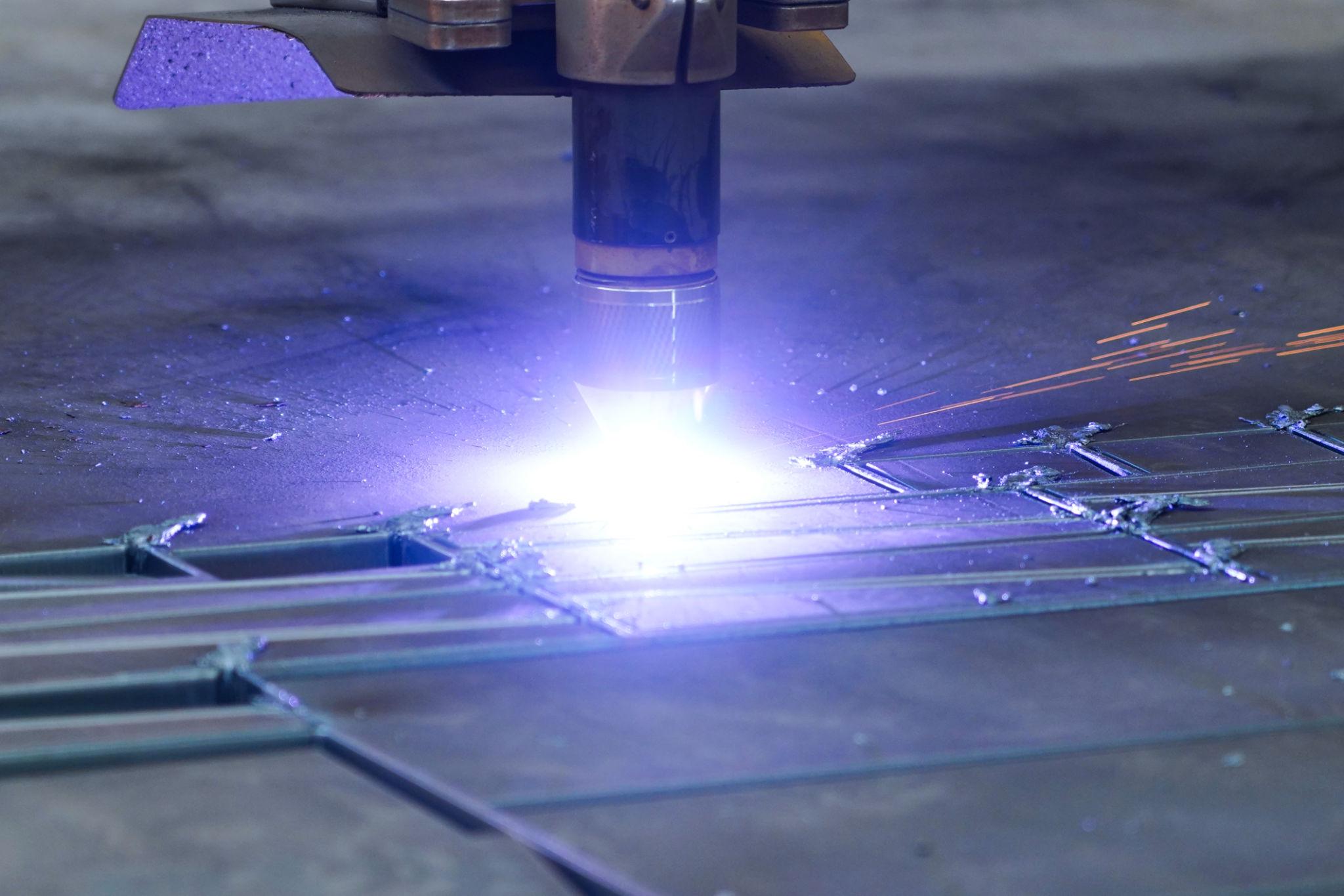
The global manufacturing industry is moving toward faster, smarter, and more automated production systems. Plasma cutting technology fits perfectly into this trend because it combines speed, flexibility, and relatively low operating costs. Compared with traditional mechanical cutting methods, plasma cutting delivers significantly faster processing speeds while handling a wide range of conductive metals.
One major reason for the growing popularity of plasma cutting is its versatility. Operators can cut carbon steel, stainless steel, aluminum, galvanized sheet metal, and other conductive materials using the same basic cutting principle. This flexibility makes plasma cutting highly valuable for workshops handling diverse fabrication projects.
CNC automation has further expanded the importance of plasma cutting systems. Modern CNC plasma tables can produce highly accurate cuts with minimal manual intervention. Industries such as metal fabrication, shipbuilding, heavy equipment manufacturing, and HVAC production increasingly rely on automated plasma cutting to improve production efficiency and reduce labor intensity.
However, as production standards become stricter, expectations for cut quality also rise. Customers now demand smoother edges, lower slag formation, tighter tolerances, and more consistent cutting results. Even minor plasma torch problems can affect downstream welding, assembly, and finishing processes.
This is why troubleshooting plasma cutting torch issues has become a critical skill for modern fabrication workshops. Understanding how plasma cutting systems operate is the first step toward solving these problems effectively.
Why Plasma Cutting Torch Problems Matter
Many operators treat plasma cutting problems as normal production inconveniences. In reality, these issues often create hidden costs that directly affect profitability. Poor cut quality increases grinding and rework time. Consumable damage raises maintenance expenses. Equipment downtime slows production schedules and reduces workshop efficiency.
Imagine a fabrication workshop processing hundreds of steel components daily. If plasma cuts consistently produce excessive slag or uneven edges, workers must spend additional hours cleaning and correcting each part. Over time, these small inefficiencies can significantly increase labor costs and reduce production capacity.
Torch problems also affect equipment reliability. Repeated overheating, unstable arc performance, or contaminated air supply can damage internal torch components and shorten machine lifespan. Workshops that ignore early warning signs often face more expensive repairs later.
Safety is another major concern. Plasma cutting involves extremely high temperatures and electrical energy. Faulty grounding, overheating torches, or unstable arc conditions can create hazardous operating environments. Maintaining stable torch performance helps protect both workers and equipment.
In competitive manufacturing industries, efficiency matters. Workshops that maintain optimized plasma cutting systems often achieve better material utilization, lower consumable costs, and higher production consistency. That advantage becomes increasingly important as global manufacturing standards continue evolving.
Understanding How a Plasma Cutting Torch Works
Main Components of a Plasma Torch
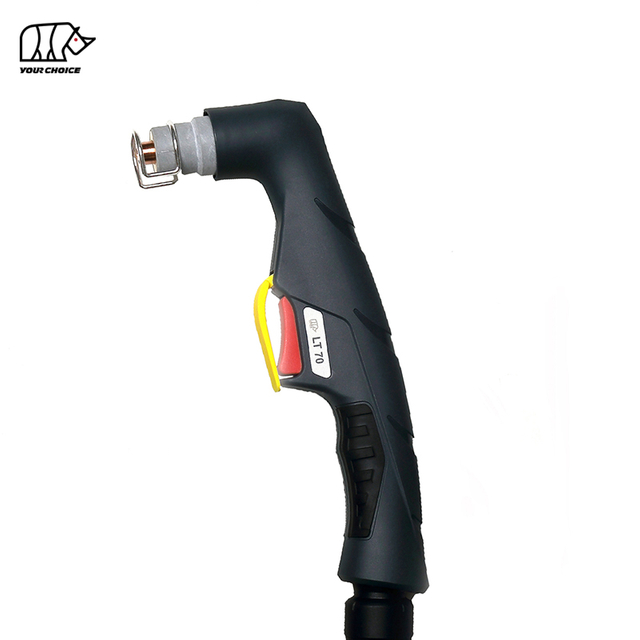
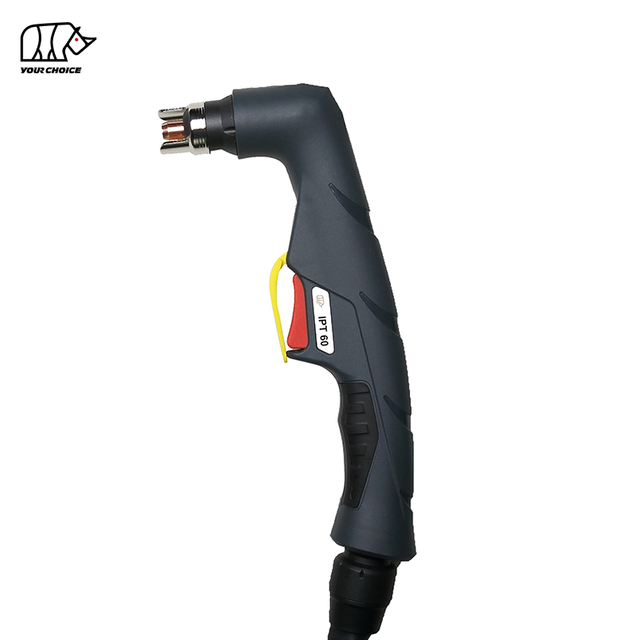
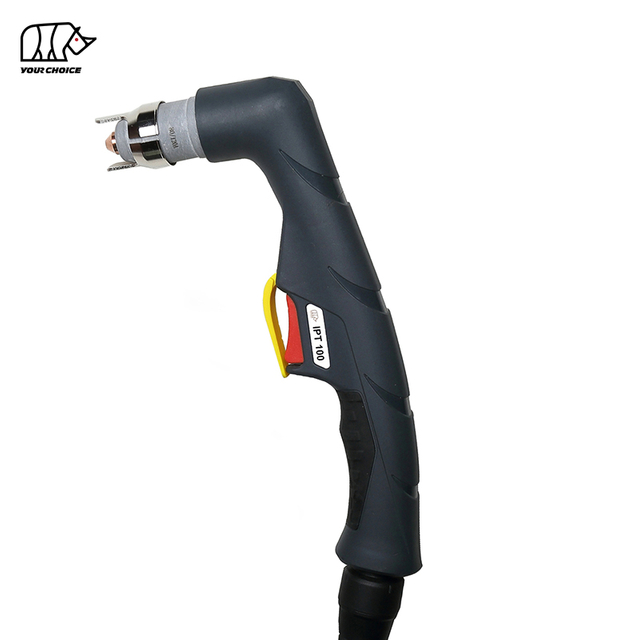
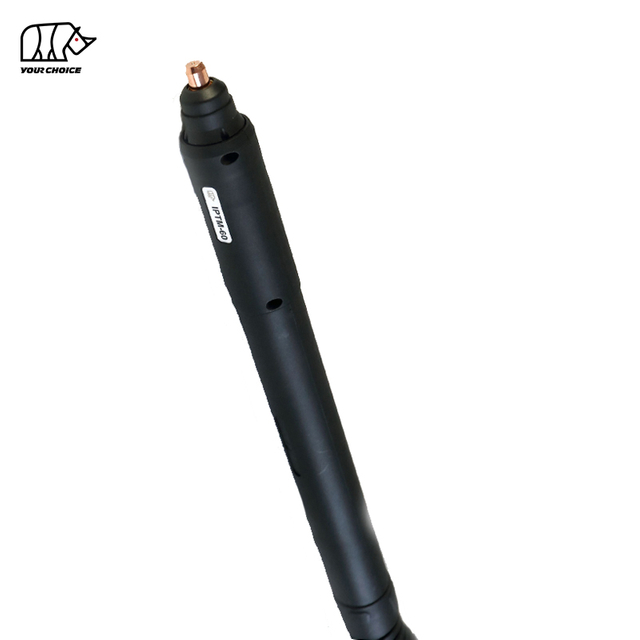
A plasma cutting torch may appear simple from the outside, but internally it contains several precision-engineered components working together to create a high-temperature plasma arc.
| Component | Function |
| Electrode | Generates the electrical arc |
| Nozzle | Constricts and directs plasma flow |
| Shield Cap | Protects consumables and stabilizes airflow |
| Swirl Ring | Controls gas rotation for arc stability |
| Torch Body | Houses internal components |
| Cooling System | Reduces heat buildup during operation |
The electrode and nozzle are especially important because they directly affect arc quality and cut precision. Over time, these consumables wear down due to extreme heat exposure. Damaged consumables often cause unstable arcs, wider kerf widths, and rough cutting edges.
The Plasma Arc Cutting Process
Plasma cutting works by sending an electrical arc through compressed gas. The gas becomes ionized and transforms into plasma, reaching temperatures hot enough to melt conductive metals quickly. The high-velocity plasma jet simultaneously melts the metal and blows molten material away from the cut path.
Several variables influence cutting performance:
Arc voltage
Gas pressure
Torch height
Cutting speed
Consumable condition
Material thickness
When any of these factors become unstable, cutting quality immediately suffers. That is why troubleshooting plasma torch problems requires understanding how these variables interact during operation.
Most Common Plasma Cutting Torch Problems
Unstable Arc During Cutting
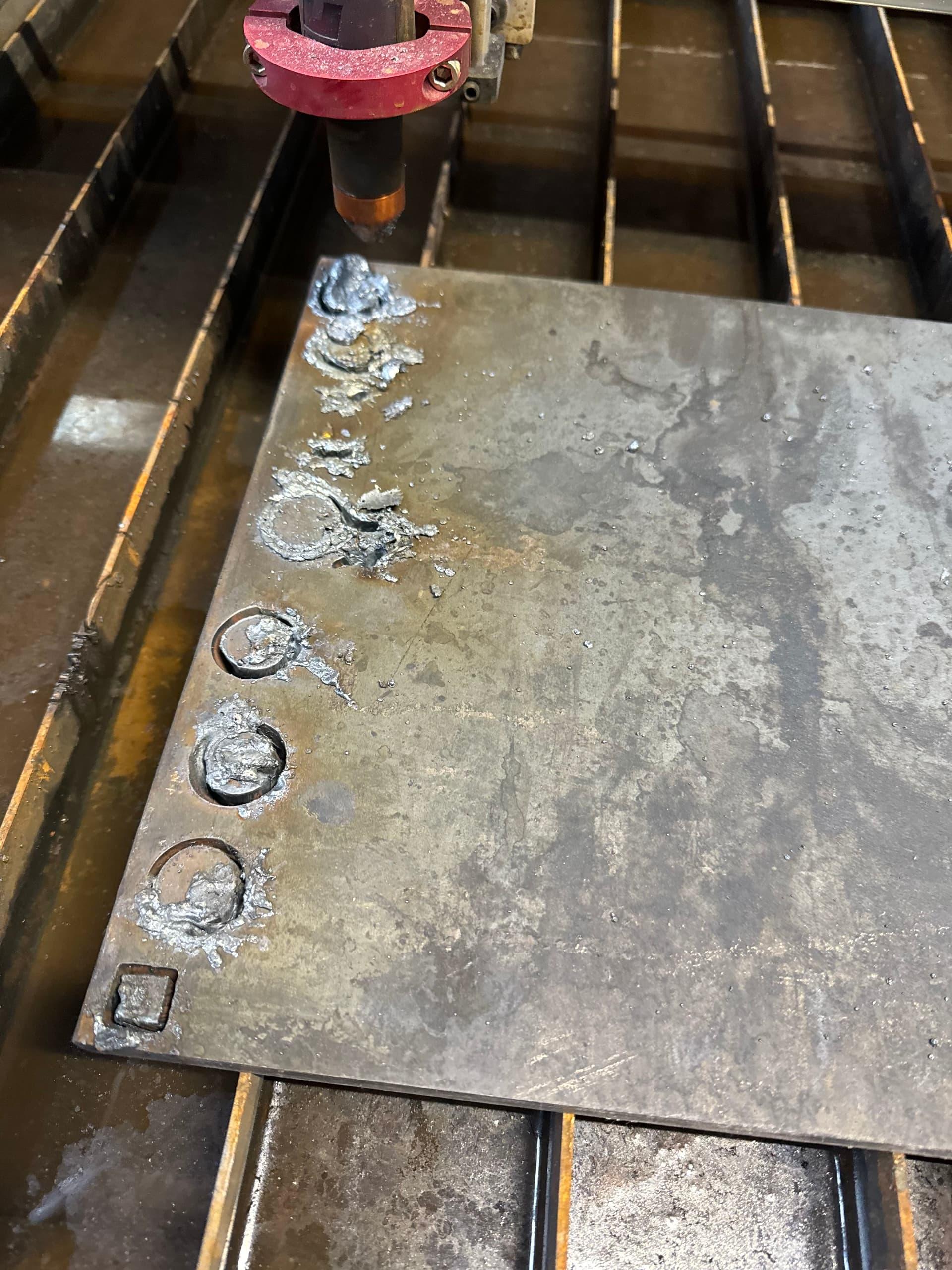
One of the most common plasma cutting problems is arc instability. Operators may notice flickering arcs, inconsistent cutting penetration, or sudden arc interruptions during operation.
Several factors can cause unstable plasma arcs:
Arc instability often reduces cut precision and creates rough edge finishes. In CNC plasma systems, unstable arcs can also interfere with automatic torch height control.
The solution usually starts with inspecting consumables. Even minor electrode wear can affect arc consistency. Operators should also verify stable air pressure and ensure the air supply remains dry and clean.
Excessive Slag and Poor Cut Quality
Slag buildup is another major issue in plasma cutting operations. Excessive slag forms when molten metal fails to eject cleanly from the cut area. This leaves hardened metal deposits along the cut edge.
Common causes include:
| Problem | Possible Cause |
| Heavy bottom slag | Cutting speed too slow |
| Light top slag | Cutting speed too fast |
| Uneven edge quality | Incorrect torch height |
| Rough kerf | Worn nozzle |
Correct cutting speed is critical. Many operators assume slower cutting always improves quality, but excessively slow movement often increases slag formation.
Torch height also plays a huge role. If the torch sits too far from the workpiece, arc energy spreads out and reduces cutting efficiency.
Plasma Torch Not Starting
Failure to initiate the plasma arc is frustrating and surprisingly common. In many cases, the issue relates to simple maintenance problems rather than major equipment failure.
Possible causes include:
Loose torch connections
Faulty trigger switch
Low air pressure
Electrode damage
Contaminated consumables
Routine inspection and preventive maintenance significantly reduce startup failures.
Consumables Wearing Out Too Fast
Consumable lifespan directly affects operating costs. Frequent nozzle and electrode replacement increases downtime and raises production expenses.
Common reasons for premature wear include:
Incorrect amperage settings
Excessive piercing on thick materials
Poor air quality
Improper torch height
Low-quality airflow regulation
Dry compressed air is especially important because moisture contamination accelerates consumable erosion.
Overheating Problems
Torch overheating can damage internal components and reduce cutting performance. Air-cooled plasma torches may overheat during long continuous cutting cycles, especially at high amperage levels.
Signs of overheating include:
Reduced cut quality
Torch body becoming excessively hot
Frequent consumable damage
Thermal overload shutdowns
Workshops performing heavy-duty cutting operations often benefit from water-cooled plasma torch systems because they provide superior heat dissipation during extended operation.
Torch Misalignment in CNC Cutting
CNC plasma systems require precise torch alignment for accurate cutting. Misalignment can cause angled cuts, uneven bevels, and dimensional inaccuracies.
Common causes include:
Regular CNC calibration helps maintain cutting precision and reduce material waste.
Common Causes Behind Plasma Cutting Failures
Incorrect Air Pressure
Air pressure is one of the most critical variables in plasma cutting. Too little pressure weakens the plasma jet, while excessive pressure destabilizes the arc.
Recommended pressure ranges vary depending on torch design and cutting thickness.
| Material Thickness | Recommended Air Pressure |
| Thin Sheet Metal | 60–70 PSI |
| Medium Steel Plate | 70–80 PSI |
| Heavy Plate Cutting | 80–90 PSI |
Stable airflow regulation is essential for consistent cutting quality.
Moisture and Contaminated Air Supply
Compressed air contamination is a hidden enemy in plasma cutting systems. Moisture, oil vapor, and dirt particles damage consumables and reduce arc stability.
Installing air filtration and drying systems dramatically improves torch performance and consumable lifespan.
Wrong Cutting Speed
Many operators underestimate how much cutting speed affects edge quality. Incorrect speed creates either excessive slag or incomplete penetration.
Optimal cutting speed depends on:
Material thickness
Amperage
Torch type
Gas flow rate
Testing and adjustment are necessary for achieving the cleanest cuts.
Poor Ground Connection
Weak grounding creates unstable electrical flow. This can cause arc interruption, inconsistent penetration, and startup problems.
Ground clamps should connect directly to clean metal surfaces for maximum conductivity.
Plasma Cutting Torch Troubleshooting Table
| Problem | Likely Cause | Recommended Solution |
| Arc instability | Worn electrode | Replace consumables |
| Excessive slag | Wrong cutting speed | Adjust travel speed |
| No arc start | Poor ground connection | Clean grounding area |
| Consumables burn quickly | Moisture in air | Install air dryer |
| Rough cut edges | Damaged nozzle | Replace nozzle |
| Torch overheating | Excessive duty cycle | Reduce cutting load |
| Uneven bevel angle | Torch misalignment | Recalibrate CNC system |
Technical Parameters That Affect Cutting Quality
| Technical Parameter | Recommended Range |
| Arc Voltage | 90–140V |
| Air Pressure | 60–90 PSI |
| Torch Height | 1.5–4 mm |
| Cutting Speed | Depends on thickness |
| Duty Cycle | 60%–100% |
| Gas Purity | Dry and oil-free |
Maintaining these parameters within proper ranges helps optimize cutting consistency and reduce operational issues.
Plasma Cutting Applications Across Industries
Sheet Metal Fabrication
Plasma cutting is widely used in sheet metal fabrication because it offers fast cutting speeds and excellent flexibility for custom metal processing.
Automotive Manufacturing
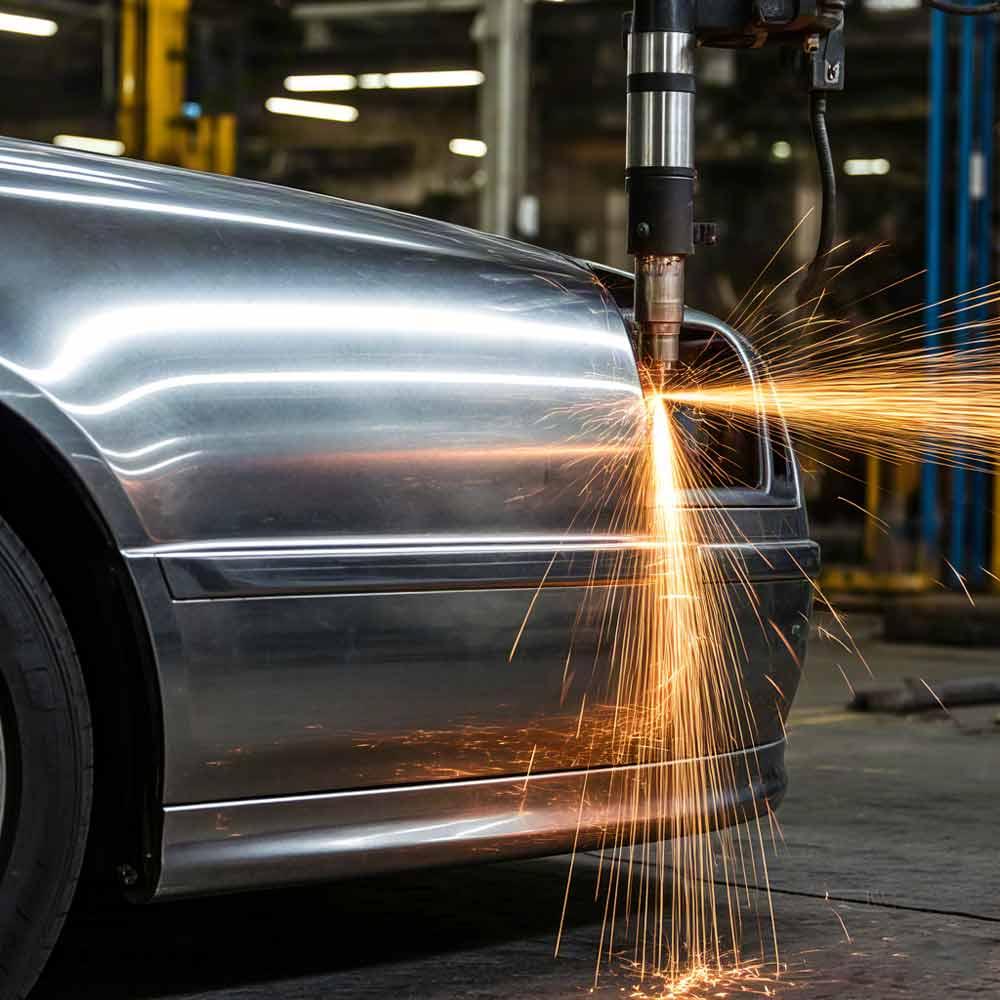
Automotive factories use plasma cutting for frame components, brackets, exhaust systems, and structural parts requiring accurate metal shaping.
Heavy Equipment Production
Construction machinery and industrial equipment manufacturers rely on plasma cutting for thick steel plate processing and structural fabrication.
HVAC and Duct Manufacturing
HVAC manufacturers use plasma cutting systems for precise duct shaping and ventilation component production.
Common Mistakes Operators Should Avoid
Many plasma cutting issues result from avoidable operator mistakes.
Common mistakes include:
Small operational errors often create major quality problems over time.
Expert Tips for Improving Plasma Cutting Performance
Experienced plasma cutting professionals often focus on consistency rather than maximum power.
Key recommendations include:
Maintain dry compressed air
Replace consumables before severe wear occurs
Use proper torch height control
Match amperage to material thickness
Regularly clean torch components
Monitor airflow stability
Preventive maintenance almost always costs less than emergency repairs.
How to Extend Plasma Torch Consumable Life
Consumable costs are a major concern for high-volume fabrication workshops. Fortunately, several practices can significantly extend lifespan.
| Best Practice | Benefit |
| Use clean dry air | Reduces electrode erosion |
| Maintain proper torch height | Prevents nozzle damage |
| Avoid excessive piercing | Extends consumable life |
| Use correct amperage | Improves arc stability |
| Inspect parts regularly | Prevents unexpected failures |
Consumable management directly affects long-term cutting efficiency.
Choosing the Right Plasma Cutting Torch
Handheld vs CNC Plasma Torch
| Feature | Handheld Torch | CNC Plasma Torch |
| Flexibility | High | Moderate |
| Automation | Manual | Fully automated |
| Precision | Medium | High |
| Best Use | Repair & field work | Production cutting |
Air-Cooled vs Water-Cooled Torch
| Feature | Air-Cooled | Water-Cooled |
| Cooling Efficiency | Moderate | High |
| Continuous Operation | Limited | Excellent |
| Maintenance | Easier | More complex |
| Heavy Duty Cutting | Less suitable | Ideal |
Choosing the right torch depends heavily on workload, production volume, and cutting thickness requirements.
Future Trends in Plasma Cutting Technology
The future of plasma cutting is closely tied to industrial automation and smart manufacturing. CNC integration, automated torch height control, and intelligent consumable monitoring systems are becoming increasingly common.
Manufacturers are also focusing on:
Higher cutting precision
Reduced operating costs
Improved energy efficiency
Longer consumable lifespan
Better automation compatibility
As AI-driven manufacturing expands, plasma cutting systems will likely become smarter, faster, and more connected to digital production environments.
Conclusion
Plasma cutting torch problems can seriously affect productivity, cut quality, and operational efficiency. Issues such as unstable arcs, excessive slag, overheating, and rapid consumable wear often stem from preventable causes including poor airflow, incorrect settings, and inadequate maintenance.
Understanding how plasma cutting systems operate allows workshops to solve problems more effectively and improve long-term cutting performance. Proper consumable management, stable airflow, accurate torch alignment, and preventive maintenance all play critical roles in achieving cleaner and more consistent cuts.
As modern fabrication industries continue demanding higher precision and faster production, optimized plasma cutting systems will become even more important. Workshops that invest in proper troubleshooting practices and equipment maintenance can reduce downtime, lower operating costs, and maintain a strong competitive advantage in industrial manufacturing.
FAQs
What causes excessive slag in plasma cutting?
Excessive slag is usually caused by incorrect cutting speed, improper torch height, or worn consumables.
Why does my plasma torch overheat?
Overheating often occurs when the torch exceeds its duty cycle or operates with insufficient cooling airflow.
How often should plasma torch consumables be replaced?
Replacement frequency depends on usage intensity, air quality, material thickness, and cutting amperage.
Can moisture damage a plasma cutting torch?
Yes. Moisture contamination reduces arc stability and accelerates consumable wear.
What is the ideal air pressure for plasma cutting?
Most plasma cutting systems operate best between 60–90 PSI depending on material thickness and torch design.
 English
 简体中文
简体中文 العربية
 Français
 Русский
 Español
 Português
 Deutsch
 italiano
 日本語
日本語 한국어
한국어 Nederlands
 Tiếng Việt
 ไทย
ไทย Polski
 Türkçe
 ភាសាខ្មែរ
 Bahasa Melayu
 Filipino
 Bahasa Indonesia
 magyar
 Română
 Čeština
 Монгол
 қазақ
қазақ Српски
 हिन्दी
 فارسی
فارسی Slovenčina
 Slovenščina
 Norsk
Norsk Svenska
 українська
 Ελληνικά
 Suomi
Suomi Latine
 Dansk
Dansk বাংলা
বাংলা Hrvatski
 Afrikaans
 Gaeilge
 Eesti keel
 नेपाली
 Oʻzbekcha
 latviešu
 Azərbaycan dili
 Беларуская мова
 Bosanski
 Български
 ქართული
 Lietuvių