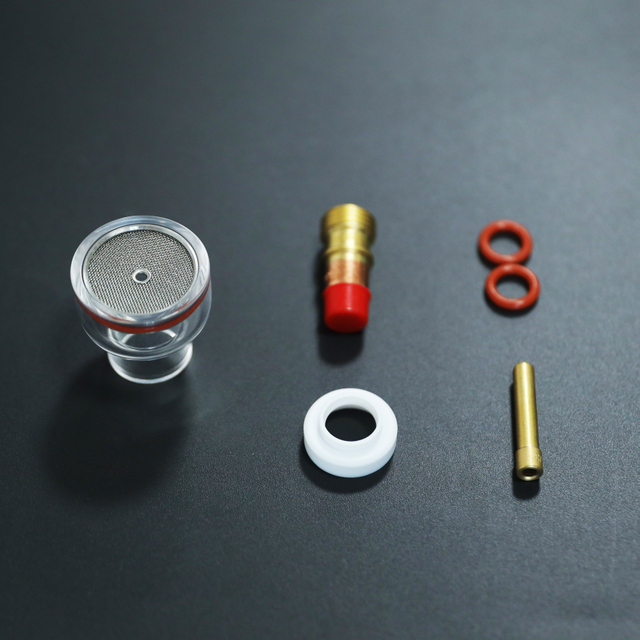
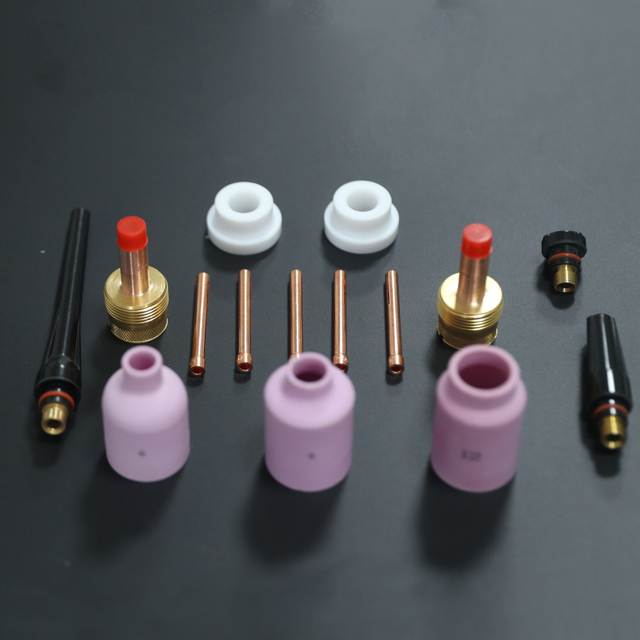
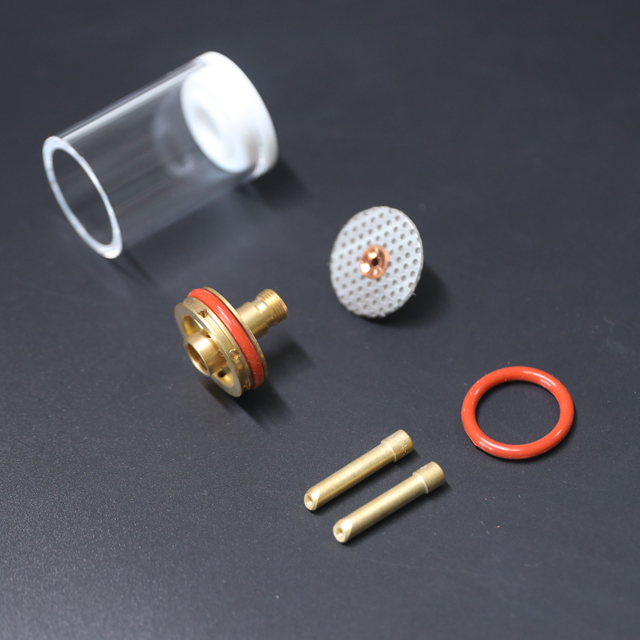
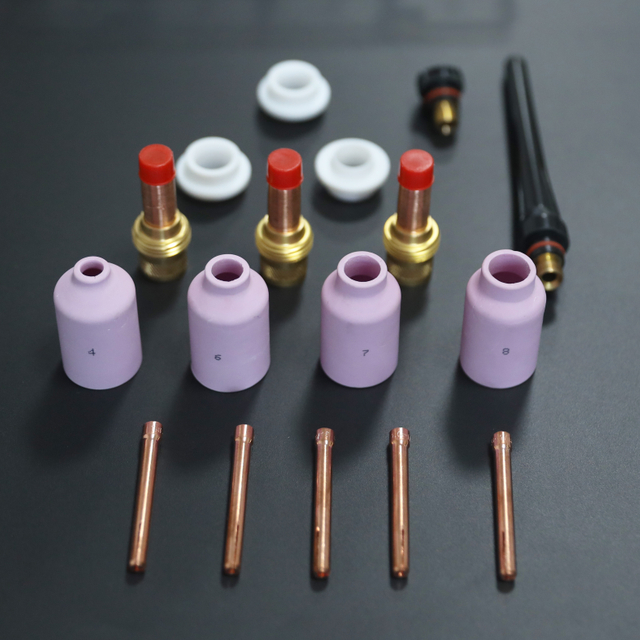
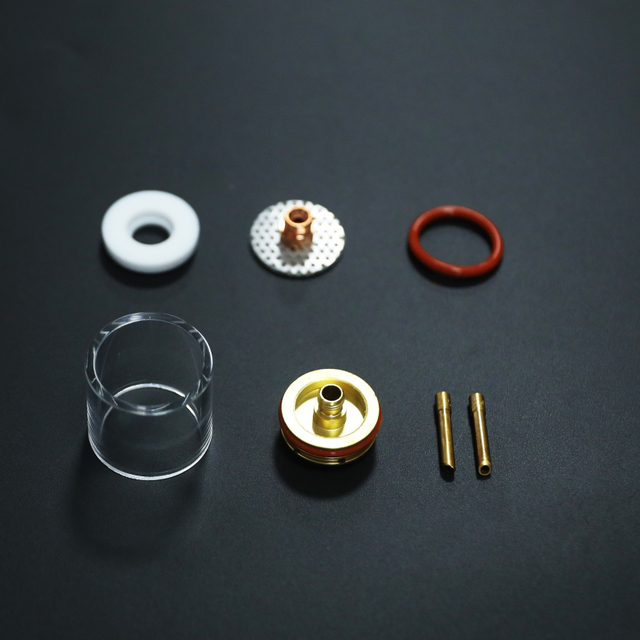
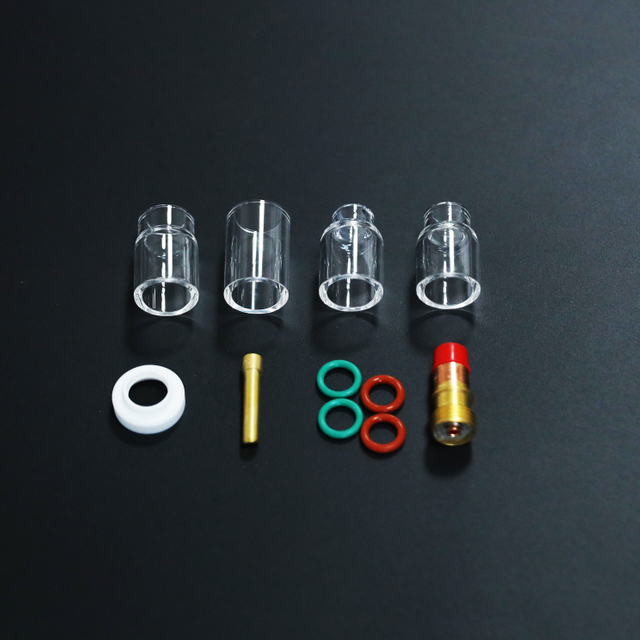
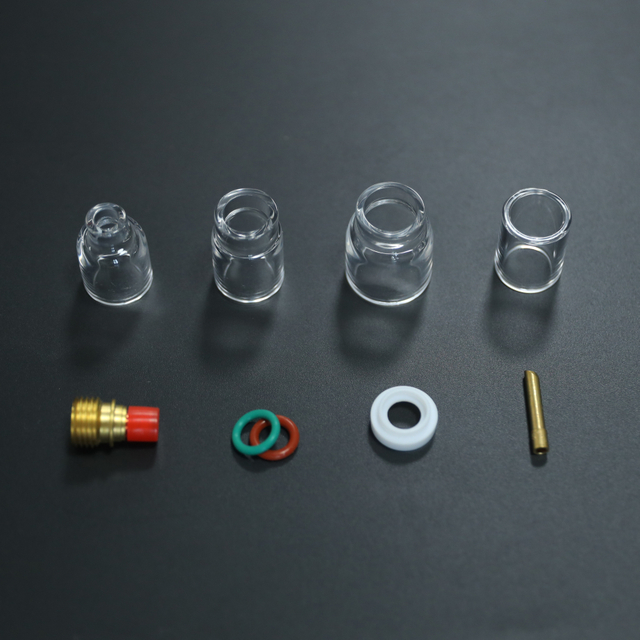
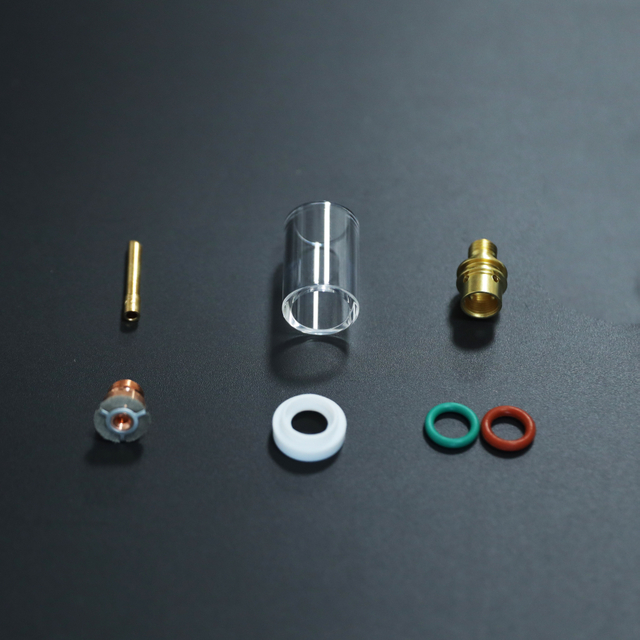
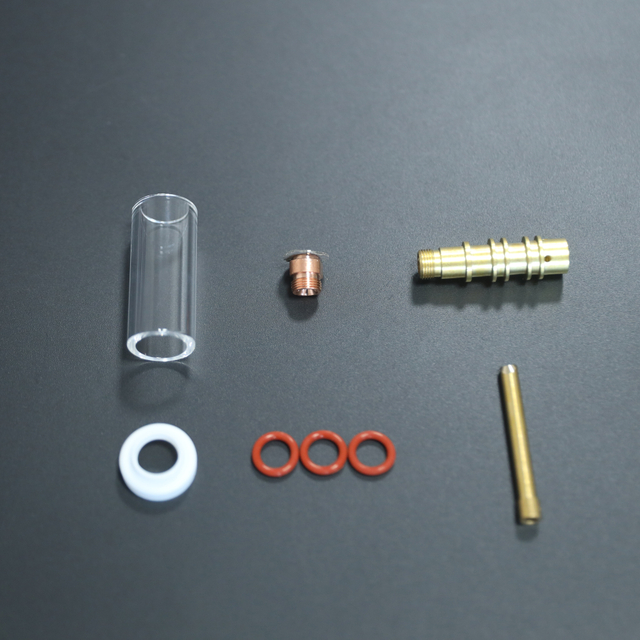
The relationship between a tungsten electrode and a ceramic nozzle in a TIG welding setup is often treated as a matter of convenience rather than a precise engineering decision. Welders frequently reach for a standard 2% thoriated electrode and a generic alumina cup without considering how their interaction governs arc stability, shielding gas efficiency, and ultimately, the quality of the weld deposit. When production demands shift toward specialized joint access, non-standard stick-out lengths, or rigorous cosmetic standards, the selection of electrode type and diameter must be made in direct concert with the geometry of the custom nozzle being used.
A custom ceramic nozzle is rarely a cosmetic upgrade. It is typically specified to solve a specific problem: welding inside a deep groove, improving gas coverage on reactive metals, reducing heat signature in tight assemblies, or managing turbulent gas flow at extreme amperages. When the nozzle profile changes, the thermal and fluid dynamics surrounding the tungsten tip change. An electrode that performed flawlessly in a standard No. 8 cup may exhibit rapid degradation, erratic arc wandering, or excessive oxidation when placed inside an extended, narrow-aperture custom nozzle.
This guide provides a detailed, technically grounded framework for selecting the optimal tungsten electrode to complement your custom nozzle geometry. We will examine the electrochemical characteristics of various tungsten alloys, the impact of diameter selection on heat saturation within confined nozzle spaces, and the practical consequences of electrode tip geometry when paired with non-standard ceramic profiles.
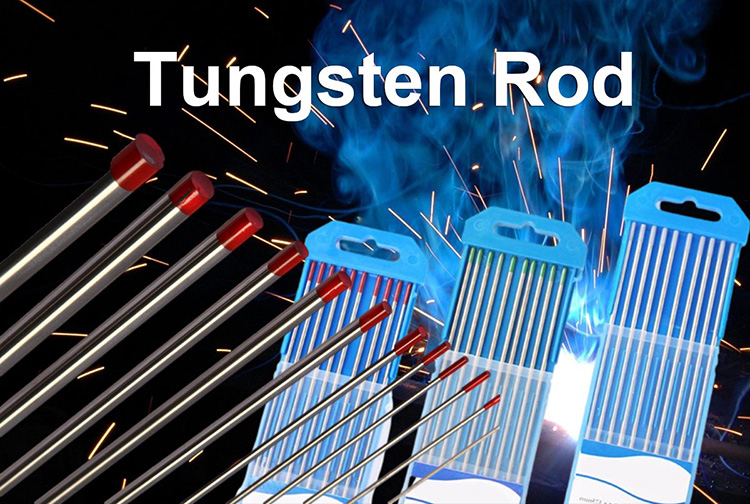
Understanding the Thermal Environment Inside a Custom Ceramic Nozzle
Before selecting an electrode, it is essential to analyze the micro-environment created by a custom nozzle. The internal volume, bore diameter, and wall thickness of a ceramic cup directly influence three critical factors that determine electrode performance.
Gas Flow Dynamics and Electrode Cooling
In a standard short cup, argon flows relatively unimpeded around the collet body and washes over the tungsten tip before enveloping the weld pool. In a custom nozzle designed for extended reach—often referred to as a deep socket or gas lens extension cup—the gas is forced through a longer, tighter channel. While this often improves laminar flow at the weld zone, it creates a distinct thermal challenge for the tungsten electrode.
The electrode shank inside the bore is surrounded by a boundary layer of hot, slow-moving shielding gas. Because the custom nozzle restricts radial heat dissipation, the tungsten body retains significantly more heat than it would in an open-air or standard cup configuration. This elevated bulk temperature accelerates the rate of electron emission degradation, particularly at the interface where the electrode enters the collet. If the electrode selection does not account for this reduced convective cooling, the operator will notice the tip "balling" unpredictably, eroding rapidly on the sidewall, or causing the back cap to overheat.
Arc Length Constraints and Stick-Out Requirements
Custom nozzles are often employed because the joint configuration demands a specific electrode stick-out distance. If the bore is narrow, the electrode is effectively shrouded by ceramic for most of its exposed length. This changes the electrical characteristics of the arc.
When the tungsten is recessed deeply within a ceramic tube, the arc must first "climb" the inside wall of the nozzle before exiting. This phenomenon, known as nozzle wall arcing or "stray arc," is a common failure mode in deep-bore custom applications. It occurs when the electron emission path finds the ceramic wall to be a more attractive ground path than the workpiece. The selection of an electrode with lower work function and tighter electron emission focus is critical to preventing the arc from attaching to the sidewall and destroying the custom nozzle.
Tungsten Electrode Classifications and Their Suitability for Non-Standard Nozzles
The American Welding Society (AWS A5.12) classification system defines several distinct tungsten electrode compositions. While many are marketed as "universal," their performance inside a custom ceramic nozzle varies dramatically due to differences in thermal conductivity and electron emission patterns.
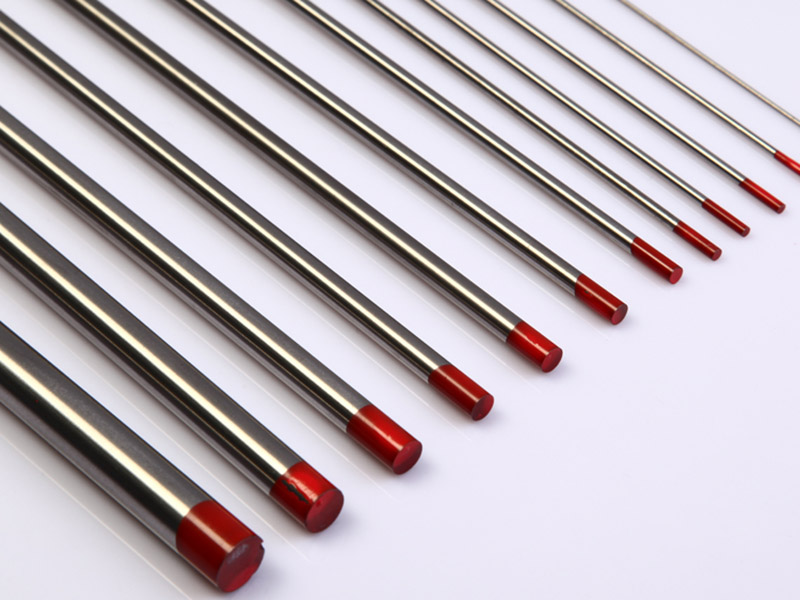
2% Thoriated Tungsten (AWS EWTh-2, Red Band)
This electrode remains the industry benchmark for DC welding of carbon steel, stainless steel, and nickel alloys. It offers exceptional arc starting characteristics and maintains a sharp, stable point under high amperage loads.
When used inside a custom deep-reach nozzle, thoriated tungsten presents a specific risk profile. Because it relies on a precision-ground sharp tip to focus the arc stream, any deviation in tip concentricity relative to the nozzle bore will result in immediate arc deflection toward the ceramic wall. Furthermore, the reduced cooling inside a narrow ceramic cup causes the thoriated tip to experience micro-cracking at the grain boundaries due to thermal cycling. While this does not usually lead to catastrophic failure, it results in a condition known as "spitting," where tiny particles of tungsten deposit into the weld pool. In aerospace or pharmaceutical welding applications where custom nozzles are common due to tight access, thoriated electrodes are increasingly disfavored due to this contamination potential and the associated low-level radioactivity.
2% Lanthanated Tungsten (AWS EWLa-2, Blue Band)
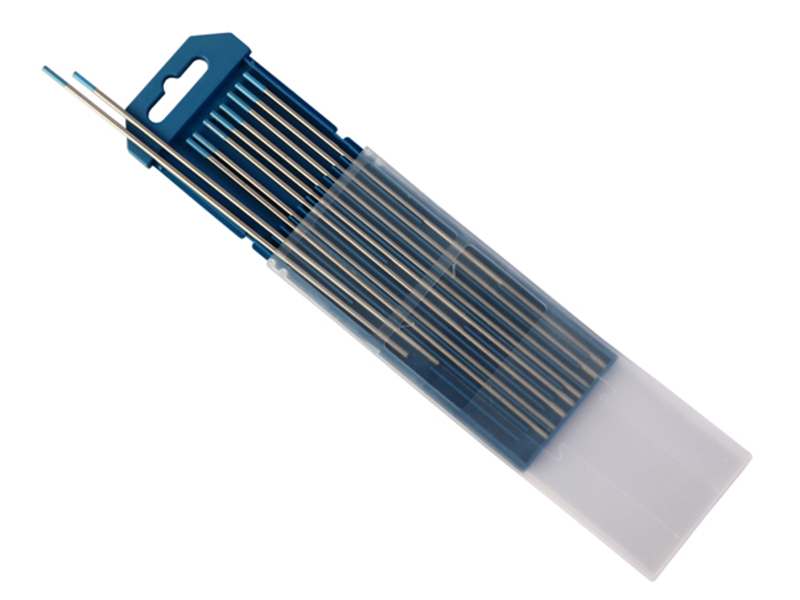
Lanthanated electrodes have largely supplanted thoriated electrodes in many shops because they offer similar or superior arc stability without radioactive handling requirements. For custom nozzle applications, the material properties of lanthanated tungsten provide a distinct advantage: lower bulk resistivity at elevated temperatures.
Inside a long, narrow ceramic nozzle, the electrode shank heats up significantly. The lower resistivity of lanthanated material means it converts less of the welding current into resistive heat along the length of the rod. This results in a cooler-running shank and less thermal expansion inside the collet body. This is a critical detail when using a custom deep-bore nozzle. Excessive thermal expansion of the tungsten can cause it to seize inside the collet, making electrode adjustment or replacement difficult without removing the hot nozzle. Lanthanated electrodes, particularly in diameters of 1.6 mm and 2.4 mm, provide the most forgiving thermal profile for custom, close-tolerance ceramic cups.
Ceriated Tungsten (AWS EWCe-2, Gray Band)
Ceriated electrodes excel in low-amperage applications, especially when using inverter-based power sources. They offer superior arc starting at very low currents, often as low as 5 amps.
The primary synergy between ceriated tungsten and custom nozzle geometry is found in orbital tube welding and small-diameter instrument fitting applications. In these scenarios, the custom ceramic nozzle is often extremely compact, with a bore diameter only slightly larger than the electrode itself. The ceriated electrode's ability to maintain a stable, non-erratic arc cone at low current densities prevents the arc from flickering to the side of the nozzle. If the custom nozzle features a gas lens diffuser screen integrated into the ceramic, the smooth electron flow of a ceriated tip ensures the laminar gas stream remains undisturbed. Turbulence introduced by an unstable arc front will negate the benefits of even the most precisely machined custom cup.
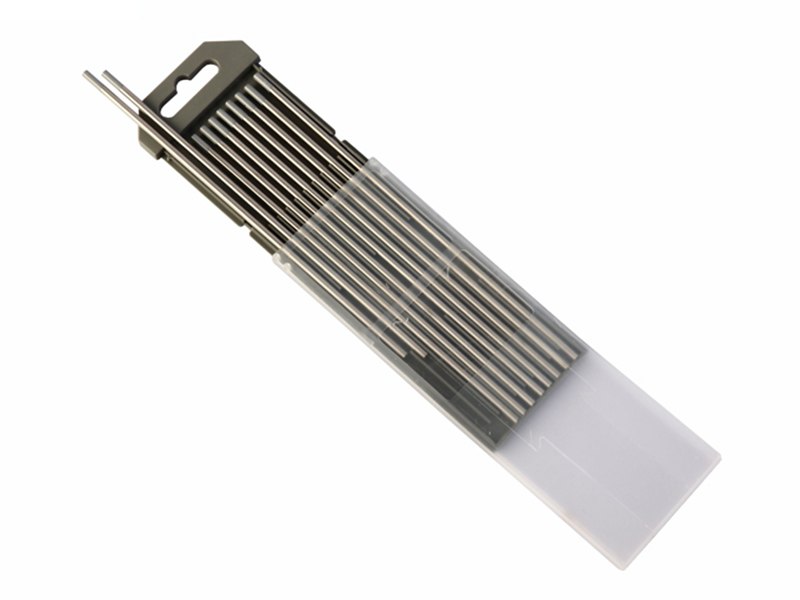
Zirconiated Tungsten (AWS EWZr-1, Brown Band)
Zirconiated tungsten is the preferred choice for AC welding of aluminum and magnesium. Its primary characteristic is the ability to retain a clean, balled end-tip under the high heat of the electrode positive (EP) cycle.
When matched with a custom aluminum welding nozzle, the geometry of the electrode tip interacts with the nozzle's internal taper. A standard zirconiated electrode will form a ball roughly 1.5 times the diameter of the electrode shank. If this ball is formed inside a custom narrow-bore nozzle, it can contact the ceramic wall, creating an instant short circuit or cracking the cup. Therefore, the selection of electrode diameter is paramount. For a custom nozzle with an internal diameter of 8.0 mm, a 3.2 mm zirconiated electrode is unsuitable; the resulting ball will exceed the bore clearance. The correct pairing for custom tight-clearance aluminum work is a 1.6 mm or 2.0 mm zirconiated electrode, ground to a slight dome outside the torch before being inserted into the custom cup.
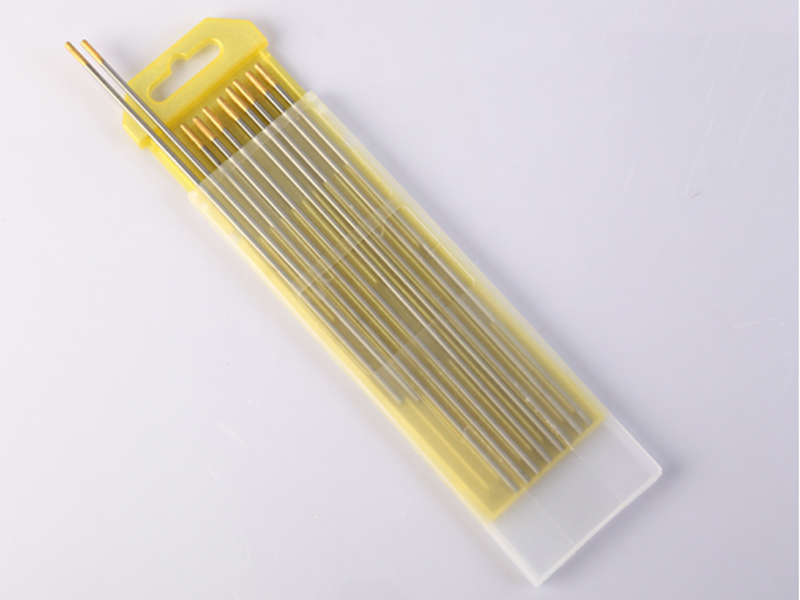
Rare Earth Blends and Tri-Mixes
Modern electrode manufacturing has produced non-radioactive blends combining lanthanum, cerium, and yttrium oxides. These are often color-coded (e.g., Purple or Turquoise bands). These electrodes are engineered for broad-spectrum performance.
For facilities utilizing a wide variety of custom nozzle shapes across different work orders, a tri-mix electrode offers a practical compromise. The addition of yttrium oxide refines the grain structure, making the electrode tip exceptionally resistant to splitting when subjected to the thermal shock of rapid arc starts inside a cold, long-reach ceramic nozzle. If your custom nozzle application involves high-cycle, automated welding where the torch indexes rapidly between parts, the mechanical durability of a tri-mix tip against the ceramic gas lens screen is a measurable productivity advantage.
Matching Electrode Diameter to Custom Nozzle Bore Clearance
The most common oversight in specifying custom welding consumables is treating electrode diameter and nozzle bore diameter as independent variables. They are mechanically and electrically coupled.
The Radial Clearance Rule
A general engineering guideline for standard cups is that the nozzle bore diameter should be at least three times the electrode diameter for adequate gas coverage. However, this rule breaks down with custom nozzles designed for restricted access. In many custom deep-groove configurations, the clearance is reduced to 1.5 or 2 times the electrode diameter.
When the clearance is tight, the velocity of the shielding gas around the electrode increases dramatically. This venturi effect can pull atmospheric air into the trailing edge of the gas stream, contaminating the weld. To mitigate this, the electrode diameter should be reduced if possible. If the custom nozzle has a 6.0 mm bore, stepping down from a 2.4 mm electrode to a 1.6 mm electrode increases the annulus area, slowing gas velocity and reducing the risk of aspiration.
Electrode Stick-Out and Heat Dissipation Tables
The following guidance applies specifically to custom nozzles with an extended length (longer than standard No. 8 or No. 10 cups):
The reduced stick-out recommendation for custom bores is not a limitation of the electrode but a recognition of the altered thermal equilibrium. The ceramic wall reflects radiant heat back onto the electrode shank, effectively "cooking" the tungsten from the side. A 2.4 mm electrode extended 20 mm in open air will run at approximately 800°C at the collet interface. The same electrode inside a 50 mm long ceramic tube with 1 mm radial clearance may reach 1,200°C at the collet interface, accelerating oxidation and collet body seizing.
Electrode Tip Preparation for Non-Standard Nozzle Geometries
The shape of the tungsten point dictates the shape of the arc cone. Inside a custom nozzle, the arc cone must exit the cup without touching the ceramic wall. Mismatched tip geometry is the primary cause of "walking arc" and "nozzle dripping."
Sharp Point Grinding for Narrow Bores
When using a custom narrow-bore nozzle for DC welding, the electrode should be ground with a taper length approximately 2.5 times the electrode diameter. More critically, the point must be absolutely concentric.
In a standard cup, a slightly off-center grind is forgiving because the arc has space to wander before finding the workpiece. In a custom long-bore nozzle, an off-center grind will direct the electron stream immediately into the ceramic sidewall. The result is a visible blue or yellow glow on the side of the cup followed by rapid ceramic degradation. For custom nozzle work, a dedicated tungsten grinder with a diamond wheel and a collet-style electrode holder is not a luxury; it is a process requirement. Hand-grinding on a bench wheel introduces runout that is incompatible with tight-clearance custom cups.
Truncated Tips for High-Amperage Custom Cups
Custom nozzles are sometimes employed for high-amperage applications (over 200 amps) where a standard cup would melt or where gas coverage must be extreme. In these cases, a razor-sharp point is counterproductive. The high current density at the fine tip causes it to melt and fall into the puddle.
For a custom large-bore gas lens nozzle running at 250 amps on stainless steel, the electrode tip should be prepared with a "flat" or truncated end. The flat should be approximately 20% to 30% of the electrode diameter. For example, a 3.2 mm electrode should have a flat tip of about 0.8 mm. This geometry broadens the arc cone, distributing the heat input over a wider area of the workpiece while keeping the arc root stable. Inside the custom cup, this broader arc cone must be accounted for in the nozzle exit diameter to prevent arcing to the lip.
Balling Dynamics in AC Custom Nozzles
As previously mentioned with zirconiated tungsten, the ball formation on the tip is dynamic. It changes size throughout the weld as the balance control on the AC waveform shifts.
When welding aluminum with a custom nozzle that has an extended straight bore (no internal taper at the exit), the ball diameter must remain smaller than the nozzle exit diameter. If the ball grows too large, the arc will "clip" the ceramic on the negative half-cycle, causing the cup to shatter from thermal shock. This is a common failure mode in automated welding cells where the operator is not physically monitoring the nozzle. To prevent this, the electrode should be dressed frequently, or the custom nozzle should be specified with an internal chamfer or counterbore at the exit to provide clearance for the balled tip.
Synergy with Collet Bodies and Gas Lens Components
While the focus is on the nozzle and electrode interface, the mechanical connection between the two cannot be ignored. The collet body positions the electrode within the nozzle bore.
The Importance of Collet Body Concentricity
A custom ceramic nozzle is machined to precise tolerances, assuming the electrode is perfectly centered in the bore. If the collet body is worn, bent, or of low-quality manufacture, the electrode will be canted at an angle within the custom cup.
Even a 1-degree misalignment will offset the electrode tip by several millimeters over the length of a deep-reach nozzle. This forces the operator to compensate by increasing the argon flow rate to prevent turbulence, which in turn increases gas costs and risks drawing air into the shield. When matching an electrode to a custom nozzle, the collet body must be inspected for runout. In precision applications, a gas lens collet body is preferred because the diffuser screen acts as a centering guide for the electrode, ensuring it runs true down the axis of the custom cup.
Electrode Selection and Gas Lens Pore Size
Gas lens screens are available in various pore densities. Coarse screens (standard) work well for heavy argon coverage. Fine screens (ultra-high purity) create a rigid, linear gas column.
The choice of tungsten alloy influences how well the gas column remains intact. Electrodes with higher oxide content (such as lanthanated or tri-mix) tend to emit electrons with a more focused "cone" shape. This focused cone does not disturb the laminar flow created by a fine-pore gas lens. Conversely, an older pure tungsten electrode or a poorly maintained thoriated tip can create a "plume" of arc energy that punches through the gas boundary layer, causing turbulence at the exit of the custom nozzle. If you are investing in custom ceramic tooling to achieve aerospace-grade purge quality, pairing that tooling with a high-performance rare-earth electrode is mandatory.
Practical Scenarios and Electrode Matching Strategies
To illustrate the application of these principles, consider the following common manufacturing challenges where custom nozzles are deployed.
Scenario One: Deep Groove Weld on Stainless Steel Pipe (SCH 40)
The joint preparation is a narrow V-groove with a 37.5-degree bevel. The root face is 2 mm thick. A standard TIG cup cannot fit into the groove without touching the sidewalls and shorting the arc.
Custom Nozzle Specification: Long, slim ceramic nozzle with a 9.5 mm OD and a 6.5 mm ID. Length: 45 mm.
Electrode Selection: 1.6 mm diameter, 2% Lanthanated (Blue).
Rationale: The 1.6 mm diameter provides clearance within the 6.5 mm bore while allowing sufficient argon flow. The lanthanated alloy ensures the electrode shank does not overheat and bind in the collet due to the restricted cooling. The tip is ground to a sharp point with a 2.5x diameter taper. The small diameter tip focuses the arc precisely on the root face without arcing to the side of the ceramic cup.
Scenario Two: Automated Orbital Welding of Titanium Tubing
Titanium requires absolute gas coverage and zero tungsten contamination. The weld head uses a clamping mechanism with a tight enclosure.
Custom Nozzle Specification: Compact, flared ceramic cup with an integrated gas lens feature and a total height of 18 mm. Bore ID: 5.0 mm.
Electrode Selection: 1.0 mm diameter, Ceriated (Gray).
Rationale: The low amperage requirement (15-45 amps) and confined space demand the excellent low-current starting capability of ceriated tungsten. The small diameter ensures the arc remains precisely centered in the 5.0 mm bore, preventing the arc from wandering toward the titanium workpiece before the gas shield is fully established. The electrode stick-out is kept strictly at 4 mm to avoid contact with the sidewall.
Scenario Three: Heavy Aluminum Casting Repair
The repair area is a cavity surrounded by thick aluminum sections acting as a massive heat sink. The torch needs high amperage and broad gas coverage.
Custom Nozzle Specification: Large diameter, short length ceramic cup (No. 12 equivalent) with a slight internal chamfer at the exit lip.
Electrode Selection: 3.2 mm diameter, Zirconiated (Brown).
Rationale: The 3.2 mm electrode can carry the 220-280 amps required without overheating. The balled tip will form to approximately 5.0 mm diameter. The custom nozzle's internal chamfer provides clearance for this ball, preventing it from clipping the ceramic edge. The large nozzle bore allows for high argon flow rates (25-35 CFH) to shield the wide molten pool typical of aluminum repair.
Process Optimization for Custom Welding Setups
The interaction between a custom nozzle and a tungsten electrode is not "set and forget." It requires periodic process checks to ensure the geometry remains optimal.
Visual Inspection of Electrode Discoloration
Remove the electrode after a production run and inspect the shank—the portion that was inside the ceramic nozzle.
Blue/Black Oxide on the Shank: This indicates the electrode is running too hot. The custom nozzle is not allowing enough cooling gas to flow over the collet body area. Solution: Reduce amperage slightly, or switch to an electrode with higher thermal conductivity (e.g., move from 2% Thoriated to 2% Lanthanated).
Discoloration Only on One Side: This indicates the electrode is not centered in the nozzle bore. Solution: Check collet body straightness and ensure the back cap is not applying uneven pressure.
Nozzle Exit Erosion Patterns
Examine the exit aperture of the custom ceramic nozzle after use.
Black Carbon Deposits on Inside Lip: This suggests the arc is "lazy" and sputtering carbon from the surrounding atmosphere. Solution: The electrode tip is likely contaminated or blunted. Regrind the tip to a sharper profile to tighten the arc column.
Glassy, Vitrified Cracking at the Exit: This is catastrophic failure caused by the arc attaching directly to the ceramic. Solution: Reduce electrode stick-out or increase electrode diameter. The arc cone is physically wider than the nozzle exit diameter.
Conclusion
Selecting a tungsten electrode for a TIG welding application is a nuanced decision that becomes critically precise when custom ceramic nozzles enter the equation. The internal volume of the custom cup governs the thermal behavior of the electrode shank, while the exit geometry dictates the maximum permissible arc cone width and tip shape.
The modern welding engineer or maintenance supervisor should view the nozzle and electrode as a single, integrated subsystem. The best results are achieved when the electrode alloy, diameter, tip geometry, and grind concentricity are specified in direct response to the unique gas flow and clearance characteristics of the custom ceramic nozzle. By applying the principles of thermal management, radial clearance, and electron emission focus outlined in this guide, welding operations can eliminate the most common failure modes associated with custom tooling—specifically, sidewall arcing, gas turbulence, and premature electrode degradation.
When designing a custom welding solution for a challenging joint configuration, the initial consultation should always begin with the required access dimensions of the nozzle. From that fixed constraint, the optimal electrode specification can be reverse-engineered. In the world of precision welding, the ceramic defines the boundary, but the tungsten defines the performance. Ensuring a harmonious match between the two is the hallmark of a controlled, repeatable, and high-quality TIG welding process. For those seeking to refine their welding consumable setup, a careful audit of electrode and nozzle pairings often yields immediate and measurable improvements in weld integrity and operator efficiency.
 English
 简体中文
简体中文 العربية
 Français
 Русский
 Español
 Português
 Deutsch
 italiano
 日本語
日本語 한국어
한국어 Nederlands
 Tiếng Việt
 ไทย
ไทย Polski
 Türkçe
 ភាសាខ្មែរ
 Bahasa Melayu
 Filipino
 Bahasa Indonesia
 magyar
 Română
 Čeština
 Монгол
 қазақ
қазақ Српски
 हिन्दी
 فارسی
فارسی Slovenčina
 Slovenščina
 Norsk
Norsk Svenska
 українська
 Ελληνικά
 Suomi
Suomi Latine
 Dansk
Dansk বাংলা
বাংলা Hrvatski
 Afrikaans
 Gaeilge
 Eesti keel
 नेपाली
 Oʻzbekcha
 latviešu
 Azərbaycan dili
 Беларуская мова
 Bosanski
 Български
 ქართული
 Lietuvių