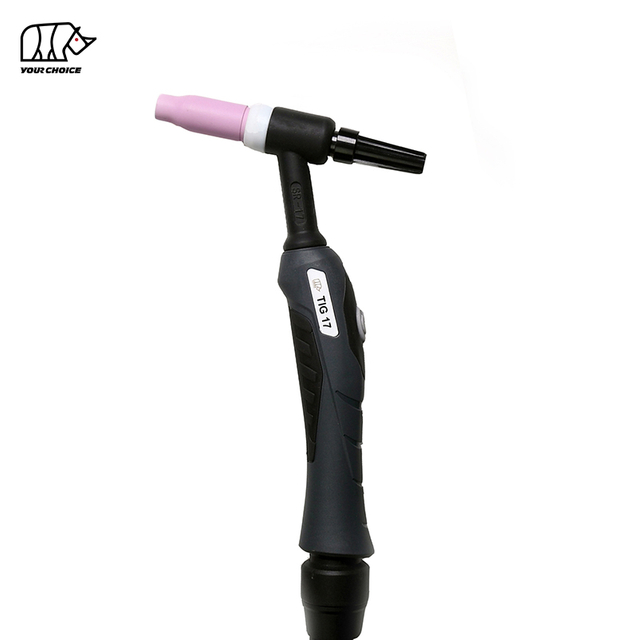
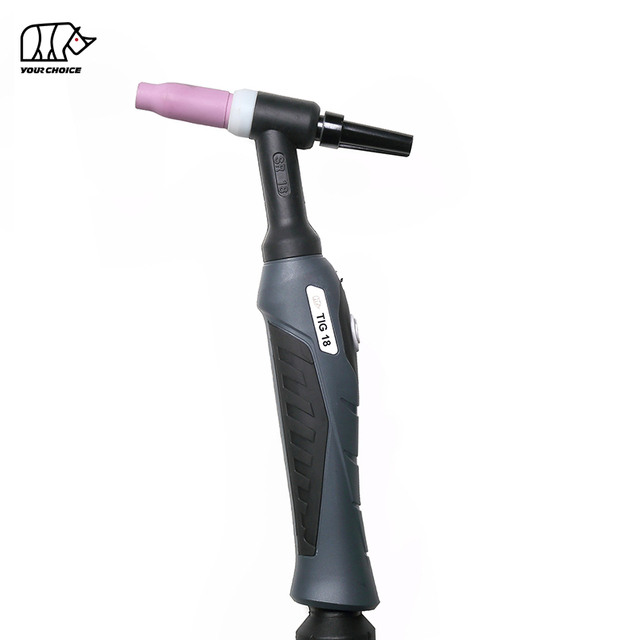
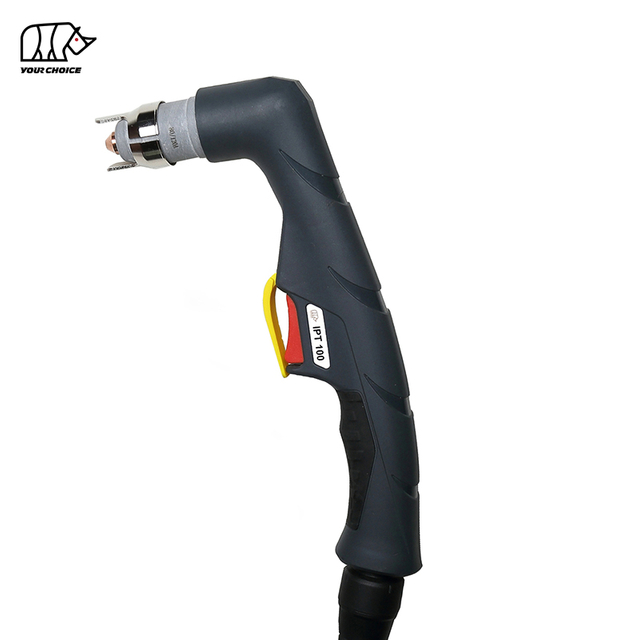
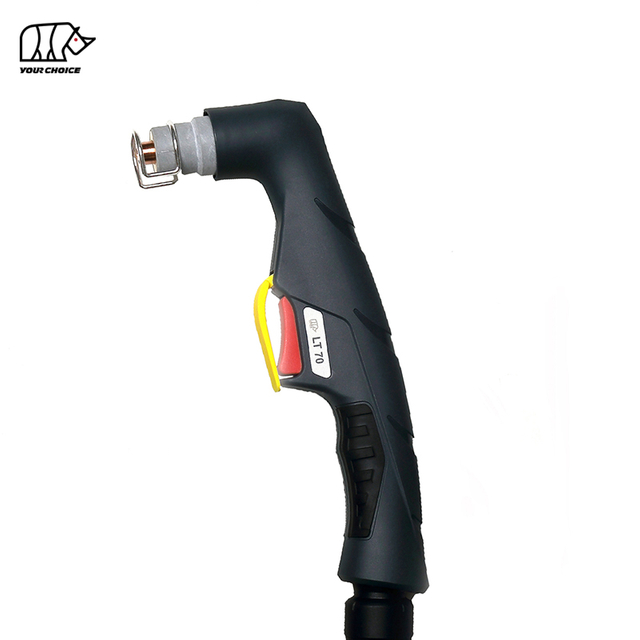
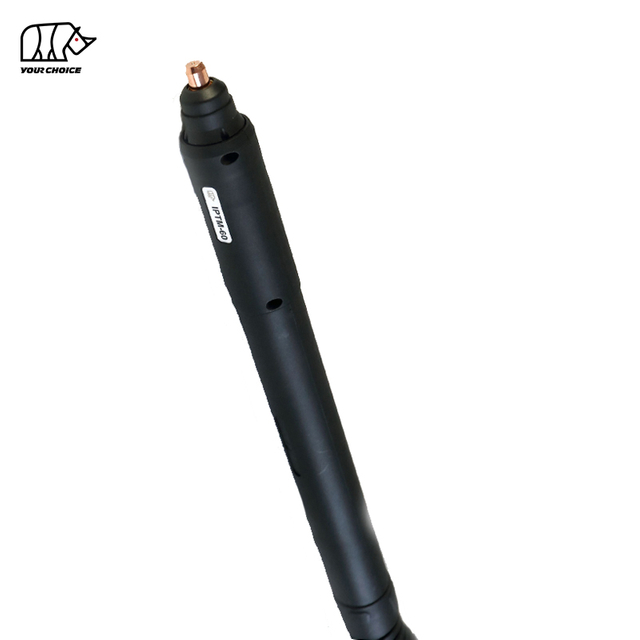
Selecting the right welding gun or plasma cutting torch is one of the most consequential decisions any fabricator, maintenance technician, or welding professional will make. The wrong choice can lead to premature consumable failure, poor weld quality, excessive downtime, and even safety hazards. Conversely, the right equipment selection—matched precisely to the material type and thickness of your workpieces—delivers clean cuts, strong welds, and consistent productivity day after day.
This guide provides a comprehensive framework for choosing welding guns and plasma cutting torches based on the two most critical variables: material composition and material thickness. Whether you are welding mild steel sheet metal, cutting thick aluminum plate, or fabricating stainless steel components, the principles outlined here will help you make informed, practical decisions that align with your operational requirements.
Understanding the Foundation: Why Material and Thickness Drive Equipment Selection
Before diving into specific recommendations, it is essential to understand why material type and thickness are the primary drivers of equipment selection. Different metals possess varying thermal conductivity, electrical resistance, and melting points. Aluminum, for instance, conducts heat away from the weld zone far more rapidly than mild steel, requiring higher amperage and specialized liner materials to prevent wire feeding problems. Stainless steel, with its higher electrical resistance and tendency to distort under excessive heat, demands precise heat control and appropriate shielding gas coverage.
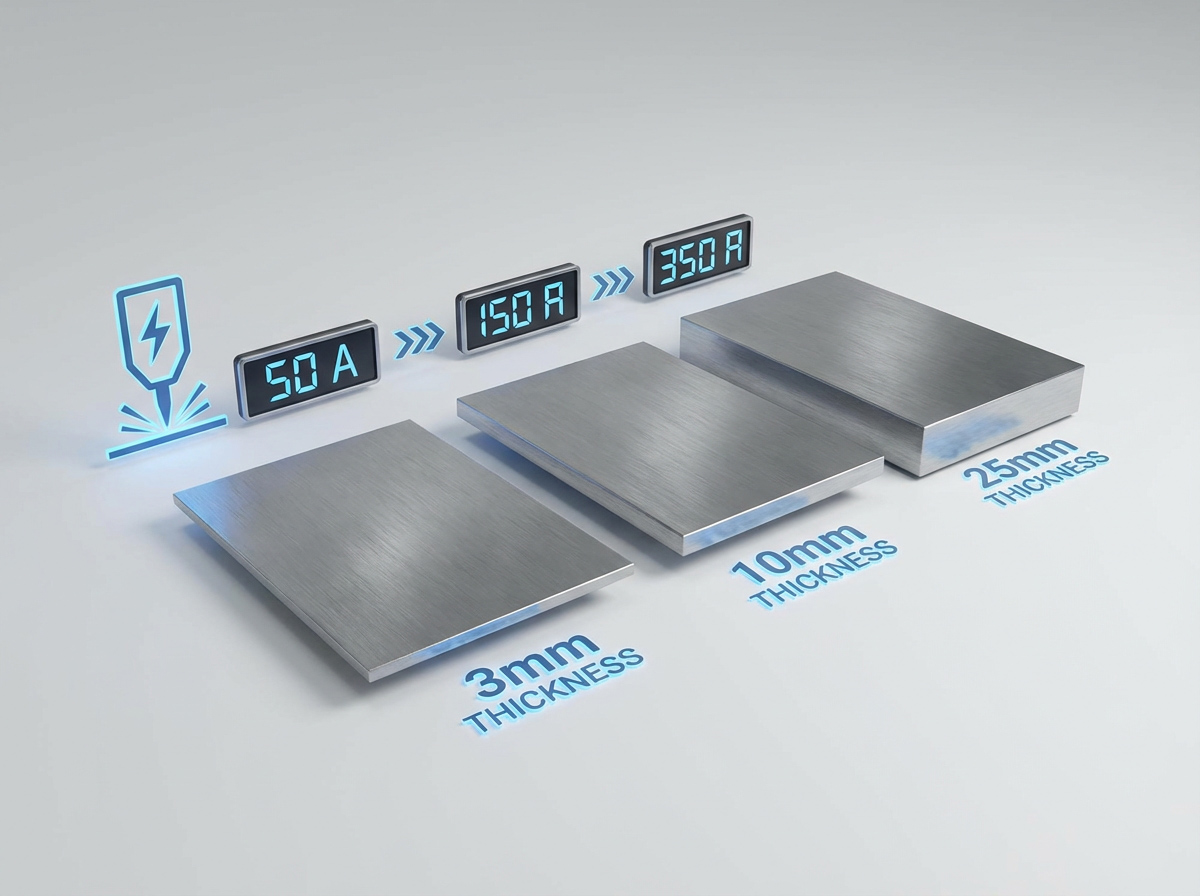
Material thickness directly determines the amperage requirements of both welding guns and plasma cutting torches. Thicker materials require higher current to achieve proper fusion or severance, while thinner materials demand lower amperage to prevent burn-through and distortion. Understanding this relationship is the cornerstone of effective equipment selection.
The goal of this guide is to equip you with a practical, systematic approach to matching your welding guns and plasma cutting torches to the materials you work with most frequently. By the end, you will have a clear framework for evaluating your needs and selecting equipment that performs reliably under real-world conditions.
Part One: Selecting the Right Welding Gun by Material and Thickness
Step 1: Identify the Welding Process Required for Your Material
The first decision point is determining which welding process best suits your material and application. Different processes excel with different materials and thickness ranges.
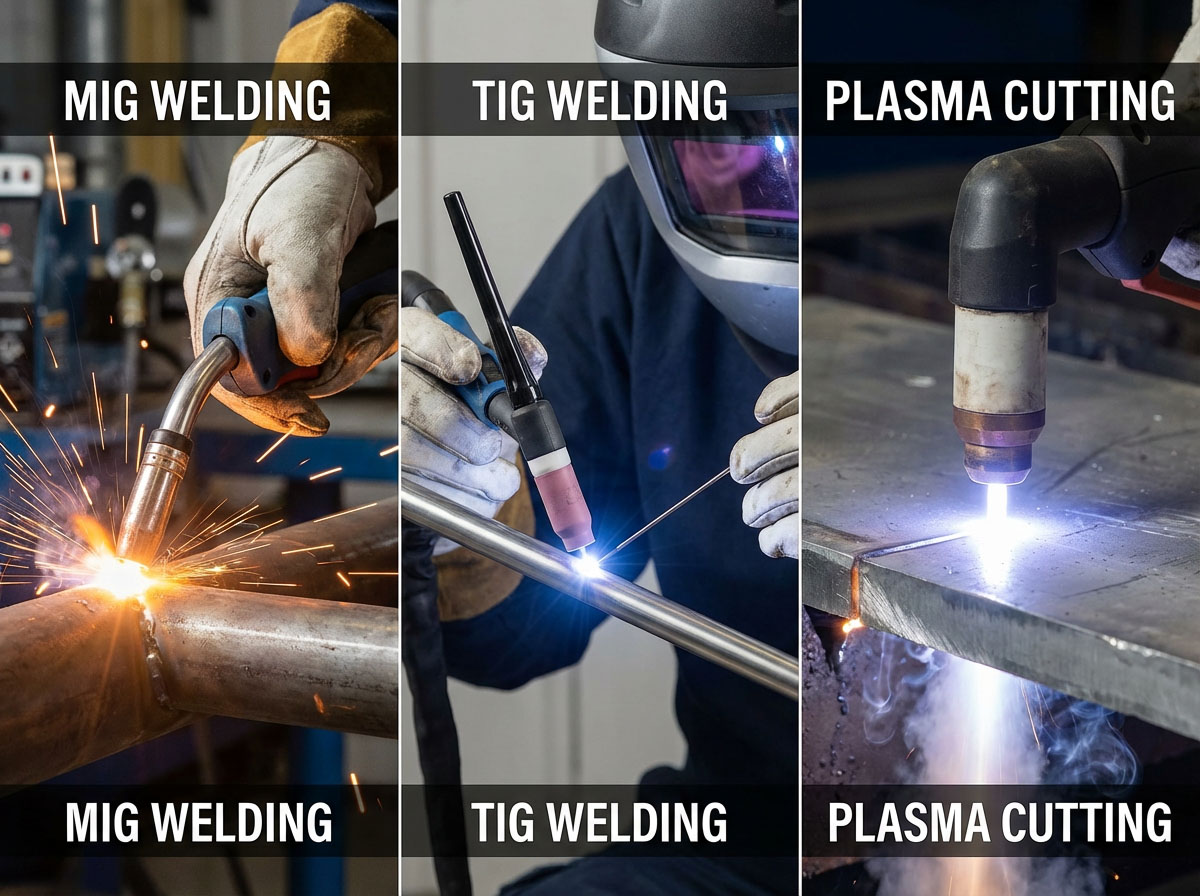
MIG Welding Guns are ideal for high-production environments and work well with mild steel, stainless steel, and aluminum. The process offers excellent deposition rates and is relatively forgiving for operators across skill levels. MIG welding is the go-to choice for automotive repair, general fabrication, structural steel work, and manufacturing where speed and efficiency are priorities.
TIG Welding Torches provide superior control and precision, making them the preferred choice for thin materials, stainless steel, exotic alloys like titanium and magnesium, and applications where weld appearance is critical. TIG welding excels in aerospace components, food-grade stainless fabrication, precision sheet metal work, and artistic applications. The process allows for delicate heat control and produces exceptionally clean welds with minimal spatter.
Stick Welding remains valuable for outdoor applications, heavy structural work, and situations where surface preparation is limited. The process handles thick carbon steel effectively and performs well in windy conditions where shielding gas would be disrupted. Stick welding is commonly used in construction, pipeline work, and heavy equipment repair.
Understanding which process your material demands is the prerequisite for selecting the appropriate welding gun or torch.
Step 2: Match Welding Gun Features to Material Type
Different materials require specific features in your welding gun to ensure reliable operation and quality results.
For Mild Steel: This is the most forgiving material and works well with standard MIG welding guns equipped with steel liners. Solid mild steel wire and flux-cored wire both require guns with liners made from piano wire—a tempered, high-carbon steel also known as music wire or spring steel. Air-cooled guns are typically sufficient for mild steel applications up to approximately 200-250 amps, depending on duty cycle requirements.
For Stainless Steel: Stainless steel requires careful heat management to prevent warping and carbide precipitation. TIG welding is often preferred for stainless steel due to the superior heat control it offers. When MIG welding stainless steel, a gun with a steel liner is appropriate, but attention must be paid to shielding gas selection and travel speed. For TIG applications on stainless, tungsten selection is critical—2% lanthanated tungsten works well for most stainless applications, ground to a sharp point with grind marks running lengthwise.
For Aluminum: Aluminum presents unique challenges due to its softness and high thermal conductivity. The wire is prone to bird-nesting and feeding problems if the gun is not properly configured. Aluminum wire requires a welding gun with a specialized liner to reduce friction and ensure smooth feeding. Additionally, a spool gun or push-pull system may be necessary for consistent aluminum wire feeding, particularly when using smaller diameter wires. When TIG welding aluminum, tungsten preparation differs from steel—the tip should form a slight dome as you weld rather than a sharp point. Always use 100% argon shielding gas for aluminum welding with both MIG and TIG processes to ensure clean, oxide-free welds.
For Exotic Metals (Titanium, Magnesium, Copper Alloys): These materials almost exclusively require TIG welding for quality results. The precision and control offered by TIG torches are essential for working with metals that are sensitive to atmospheric contamination or have narrow heat input windows. Water-cooled TIG torches are often necessary when welding these materials at higher amperages or for extended duty cycles.
Step 3: Select Amperage Rating Based on Material Thickness
The relationship between material thickness and required amperage is direct and well-established. Selecting a welding gun with appropriate amperage capacity ensures you have sufficient power for proper fusion without overheating the gun or exceeding its duty cycle.
For Thin Materials (Up to 1/8 inch / 3 mm): A welding gun rated for 150-200 amps is typically sufficient. Thin materials require lower heat input to prevent burn-through. For TIG welding thin stainless steel or aluminum sheet, an air-cooled torch with a 150-amp rating provides adequate power while maintaining the lightweight feel that facilitates precise control.
For Medium Materials (1/8 inch to 3/8 inch / 3-10 mm): A 200-300 amp welding gun is appropriate for this thickness range. This covers the majority of general fabrication work with mild steel and stainless steel. For MIG welding, a 250-amp air-cooled gun handles most applications in this range comfortably, though duty cycle considerations become important for production environments.
For Thick Materials (3/8 inch to 1 inch / 10-25 mm): Welding guns rated for 300-400 amps or higher are necessary for these heavier sections. At these amperage levels, water-cooled systems become increasingly advantageous. Water-cooled MIG guns and TIG torches dissipate heat more effectively, allowing for continuous operation at high amperages without the operator discomfort and equipment stress associated with overheating.
For Heavy Industrial Applications (Over 1 inch / 25 mm): Applications involving thick plate welding in shipbuilding, pressure vessel fabrication, or heavy equipment manufacturing demand 400-600 amp welding guns. Water-cooled systems are essentially mandatory at these power levels to manage heat buildup and maintain operator comfort during extended welding sessions.
It is important to note that the gun selection should be based on the actual amperage and duty cycle of the application, not simply the maximum amperage rating of the power source.
Step 4: Understand Duty Cycle and Cooling Requirements
Duty cycle refers to the number of minutes in a 10-minute period that a gun can be operated at its full capacity without overheating. A 60% duty cycle means six minutes of arc-on time in a 10-minute span before a cooling period is required.
For Intermittent Welding (Low Duty Cycle Applications): If your work involves short welds, frequent setup time, or cleaning between welds, an air-cooled gun with a moderate duty cycle rating may be entirely appropriate. Air-cooled systems are simpler, more portable, and require less maintenance than water-cooled alternatives.
For Continuous Welding (High Duty Cycle Applications): Production environments with extended arc-on time demand guns rated for higher duty cycles. A water-cooled torch rated at 100% duty cycle can operate continuously without the downtime required for cooling. While water-cooled systems involve higher initial investment due to the radiator cooling system, they offer lighter, more flexible cables and superior heat management for demanding applications.
For Mixed Applications: Many workshops benefit from having both air-cooled and water-cooled options available. A 250-amp air-cooled MIG gun covers most general fabrication needs, while a water-cooled 400-amp gun handles heavy structural work when it arises. This approach balances cost-effectiveness with capability.
Step 5: Consider Consumable Compatibility and Liner Selection
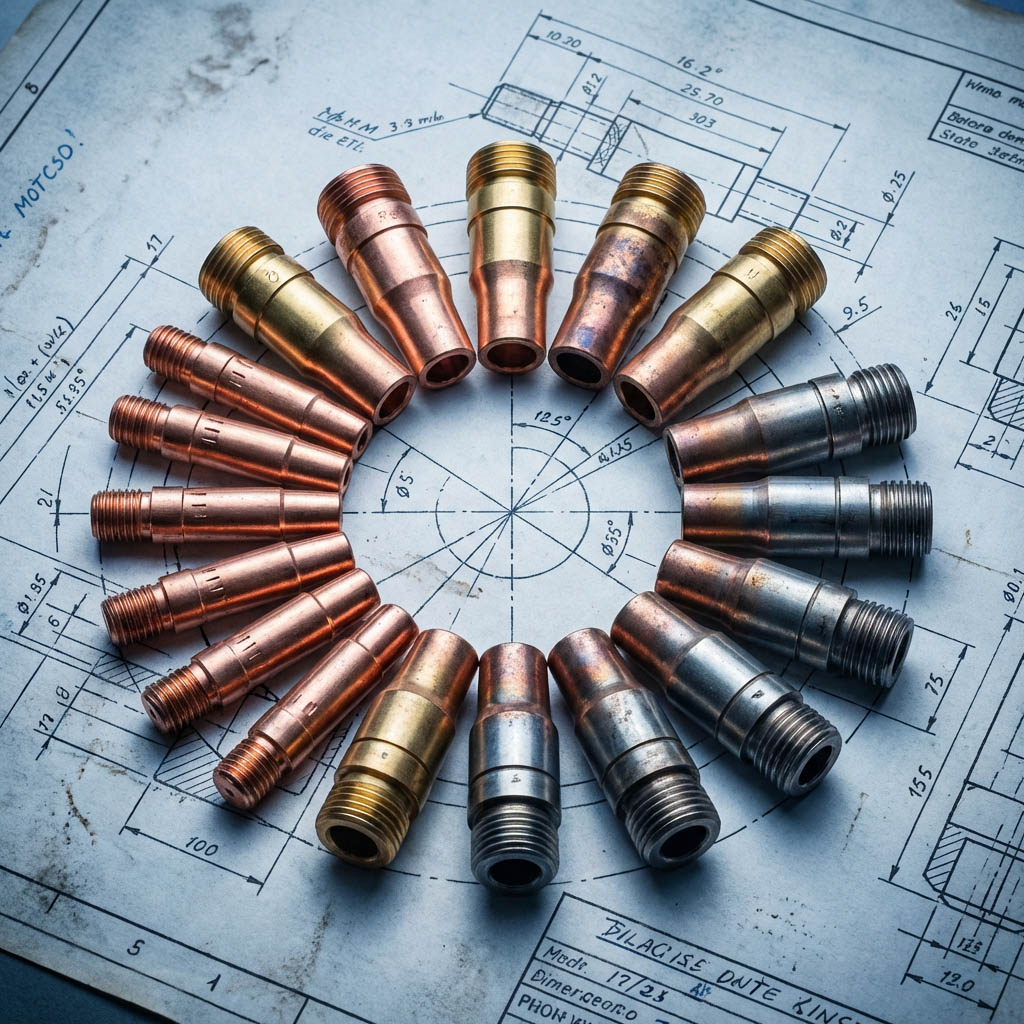
The consumables used in your welding gun—contact tips, nozzles, diffusers, and liners—must be matched to your material and wire size for optimal performance.
Liner Selection: The liner diameter should closely match the wire diameter being used. A liner that is too large allows the wire to snake inside the liner, causing erratic feeding. A liner that is too small creates excessive resistance and can lead to bird-nesting. As a general rule, a liner one size larger than the wire diameter is acceptable, but the correct size is always preferable.
Contact Tips: The contact tip bore size should correspond to the wire diameter. Worn or oversized contact tips cause arc instability and poor weld quality. Regular inspection and replacement of contact tips is essential for maintaining consistent weld performance.
Nozzles and Diffusers: Proper gas coverage is critical for all materials, but especially for reactive metals like aluminum and titanium. Ensure that your nozzle size and diffuser configuration provide adequate shielding gas flow for the material thickness and joint configuration you are welding.
Tungsten Selection for TIG Welding: For DC welding of steel and stainless steel, 2% lanthanated tungsten electrodes work well and are ground to a sharp point. For AC welding of aluminum, the tungsten tip should form a slight dome during welding to maintain arc stability. Tungsten diameter should be selected based on amperage requirements—2.3 mm (3/32 inch) tungsten is adequate for most general TIG applications.
Part Two: Selecting the Right Plasma Cutting Torch by Material and Thickness
Step 1: Determine the Primary Material Types You Will Cut
Plasma cutting torches can cut virtually any electrically conductive metal, but different materials respond differently to the plasma cutting process. Understanding these differences is essential for selecting the right torch and consumables.
Mild Steel: This is the most commonly cut material and the baseline against which plasma cutting performance is measured. Mild steel cuts cleanly with air plasma systems and responds well to oxygen plasma for enhanced cut quality on thicker sections. The material's predictable behavior makes it the reference point for amperage-to-thickness guidelines.
Stainless Steel: Stainless steel can be cut effectively with plasma torches, though cut quality considerations differ from mild steel. Nitrogen or nitrogen-hydrogen mixtures produce cleaner cuts with reduced oxidation on stainless steel compared to compressed air. For thin stainless steel sheets (under 3 mm), lower amperage settings of 40A or below are recommended to minimize heat input and prevent warping.
Aluminum: Aluminum's high thermal conductivity requires more amperage to cut through a given thickness compared to mild steel. Additionally, aluminum oxide forms rapidly on the cut face, and the material's lower melting point can lead to dross formation if cutting parameters are not optimized. Air plasma is commonly used for aluminum, though cut quality may not match that achieved on mild steel.
Copper and Copper Alloys: Copper requires significantly more amperage than steel for the same thickness—approximately twice the amperage in many cases. High-amperage plasma torches (100A and above) are typically necessary for cutting copper plate of any substantial thickness. The material's excellent thermal conductivity draws heat away from the cut zone, demanding higher power input.
Step 2: Match Amperage to Material Thickness
Plasma cutting torch amperage is the single most important factor determining cutting capability. The following framework provides a practical reference for matching amperage to material thickness.
20-30 Amps: Suitable for thin sheet metal, auto body panels, HVAC ductwork, and light gauge materials up to approximately 1/4 inch (6 mm) maximum cut thickness. Recommended clean cut capacity is around 1/8 to 3/16 inch (3-5 mm). These low-amperage torches are ideal for detail work, arts and crafts, and thin aluminum sheet.
40-50 Amps: Covers light fabrication, farm repair, and maintenance applications. Recommended clean cut capacity is 1/4 to 3/8 inch (6-10 mm), with maximum severance cuts up to 1/2 inch (12-13 mm). A 40-amp torch can efficiently cut up to 1/2 inch of steel, making it suitable for many general-purpose cutting tasks.
60-80 Amps: This range handles general fabrication and structural steel work. Recommended clean cuts from 3/8 to 1/2 inch (10-13 mm), with maximum cuts up to 3/4 inch (19 mm). A 60-amp torch can cut through materials up to 1 inch thick, providing versatility for a wide range of projects.
85-100 Amps: Suitable for heavy fabrication and thick plate work. Recommended clean cuts from 1/2 to 3/4 inch (13-19 mm), with maximum cuts up to 1 inch (25 mm) and beyond depending on specific torch design. Industrial-grade 100A plasma torches can cut carbon steel up to 40 mm with good quality.
100-200 Amps: This is the industrial mainstay for manufacturing, shipbuilding, and heavy equipment applications. 100-200A plasma cutting torches can handle carbon steel from 40-60 mm, providing the capacity needed for structural steel fabrication and heavy plate processing.
200-300+ Amps: High-power plasma systems break through the 150 mm thickness barrier for carbon steel, requiring automated CNC control for stable operation. These systems are deployed in shipyards, energy equipment manufacturing, and heavy industrial settings where thick plate cutting is routine.
For Stainless Steel Specifically: When cutting stainless steel, material thickness directly influences power selection. Plates under 3 mm require less than 40A, while plates over 12 mm demand 100A or higher power systems. It is advisable to reserve 20% power margin above your typical thickness requirements to accommodate material variations.
Step 3: Apply the 80/20 Rule for Torch Selection
Most experts recommend the 80/20 rule for plasma cutting torch selection: choose a system with a recommended cut capacity that matches the material thickness you plan to cut 80 percent of the time. This approach ensures that your torch is optimized for the majority of your work while maintaining the capability to handle occasional heavier cutting tasks.
Example Application of the 80/20 Rule: If 80% of your workpieces are 20 mm or thinner, a 100A plasma torch provides optimal performance for your primary applications while retaining the capacity to cut thicker materials when needed. For frequent cutting of plates exceeding 50 mm, a 200A or higher automated system is required.
A practical rule of thumb is to purchase 20-30% more amperage capacity than your typical material thickness demands. This margin ensures clean cuts, faster cutting speeds, and extended consumable life by preventing the system from operating constantly at its upper limits.
Step 4: Evaluate Duty Cycle for Production Requirements
Plasma cutting torches, like welding guns, are subject to duty cycle limitations. Duty cycle defines the percentage of a 10-minute period that the torch can operate at its rated amperage before requiring a cooldown period.
20-35% Duty Cycle: Suitable for hobbyist use, occasional maintenance work, and light fabrication where cutting tasks are intermittent.
60% Duty Cycle: Appropriate for production shops and frequent cutting operations. A 60% duty cycle allows 6 minutes of continuous cutting followed by a 4-minute cooling period.
100% Duty Cycle: Required for industrial applications involving continuous operation. 100% duty cycle torches can run without interruption, eliminating downtime for cooling.
It is important to note that operating a plasma torch at amperages below its maximum rating increases the effective duty cycle. A 50A torch operated at 30A may achieve a 60-80% duty cycle, providing greater operational flexibility for varied work.
Step 5: Consider Gas Type and Consumable Matching
The gas used in plasma cutting significantly affects cut quality, speed, and consumable life across different materials.
Compressed Air: The most economical and widely used plasma gas. Air provides good overall cut quality on mild steel, stainless steel, and aluminum. However, it can cause surface nitriding on the cut face and some oxidation of alloying elements on stainless steels. For most general fabrication applications, compressed air plasma offers the best balance of cut quality, speed, and economy.
Oxygen: When cutting carbon steel, oxygen plasma can improve cutting efficiency by up to 30% compared to air plasma. Oxygen produces cleaner cuts with less dross on mild steel but is not suitable for stainless steel or aluminum due to excessive oxidation.
Nitrogen: Excellent for cutting stainless steel and aluminum. Nitrogen reduces oxidation on stainless steel cut faces and produces cleaner edges. Nitrogen-hydrogen mixtures provide even better results for thick stainless steel sections.
Consumable Condition: Nozzle and electrode condition directly impacts cutting performance. Worn nozzles cause arc dispersion and can reduce cutting thickness capability by over 20%. Nozzles should be inspected every 8 hours of cutting and replaced promptly when wear is evident. The amperage rating on the nozzle must correspond to the amperage setting used for the cut.
Step 6: Match Torch Design to Application Type
The choice between handheld and mechanized plasma cutting torches depends on your application requirements.
Handheld Plasma Torches: 50-100A portable devices offer maximum cutting thicknesses of 16-38 mm, making them suitable for on-site maintenance, repair work, and small to medium fabrication tasks. Handheld operation relies on manual control of torch angle and travel speed. For plates over 20 mm, pre-drilling start holes is recommended to prevent nozzle damage from pierce blowback.
Mechanized (CNC) Plasma Torches: Automated systems with torch height control dynamically adjust arc voltage to maintain consistent standoff distance, enabling stable cutting of thick plates. 100-200A mechanized systems handle 40-60 mm carbon steel for machinery manufacturing and steel structure fabrication. 300-400A high-power systems process 150 mm and thicker steel plates for shipbuilding and energy equipment.
For plates exceeding 200 mm, multi-layer cutting techniques combined with preheating may be necessary. Plasma cutting capability ranges from 16 mm to 300 mm and beyond, covering everything from thin plate finishing to layered cutting of extra-thick steel plates.
Step 7: Recognize Material-Specific Limitations
While plasma cutting is versatile, certain material and thickness combinations have practical limitations that should inform your equipment selection.
Carbon Steel Over 100 mm: For cutting carbon steel or low-alloy steel exceeding 100 mm in thickness, oxy-fuel cutting often provides better cut quality (perpendicularity and kerf width) and economic efficiency compared to plasma cutting. In these applications, plasma is not the optimal choice unless oxy-fuel is impractical for the specific work environment.
Non-Conductive Materials: Plasma cutting is only effective on electrically conductive metals. Wood, plastic, and other non-conductive materials cannot be cut with plasma torches and require alternative cutting methods.
Copper Cutting Considerations: Copper's excellent thermal conductivity demands higher amperage for the same thickness compared to steel. Plan for approximately 20% more power when cutting copper plate.
Thin Sheet Metal: When cutting very thin materials (under 3 mm), lower amperage settings (40A or less) are essential to prevent excessive heat input that can cause warping and distortion. Fine-cut consumables designed for thin materials produce narrower kerfs and superior edge quality.
Conclusion: Building a Cohesive Equipment Strategy
Selecting the right welding guns and plasma cutting torches is not merely a matter of matching numbers on specification sheets. It requires a holistic understanding of how material properties, thickness requirements, duty cycle demands, and application-specific factors interact to determine equipment suitability.
For welding applications, the framework is straightforward: identify the welding process best suited to your material, select a gun with appropriate liner and consumable configurations for that material, and match amperage rating and cooling method to your thickness and duty cycle requirements. Mild steel offers the greatest flexibility, while aluminum and stainless steel demand more specialized considerations.
For plasma cutting, amperage is the primary driver, but material conductivity, gas selection, and the 80/20 rule for thickness matching are equally important. A 40-amp torch may handle your daily thin-sheet work efficiently, while a 100-amp system provides the reserve capacity for occasional heavier cuts. Understanding your actual cutting demands—not just theoretical maximums—leads to better equipment decisions.
The most successful fabrication operations maintain a carefully selected range of welding guns and plasma torches that collectively cover their material and thickness spectrum. Rather than attempting to force a single tool to handle every application, a strategic approach to equipment selection ensures that each welding gun and plasma torch is optimized for its intended use case.
By applying the principles outlined in this guide, you can make informed, confident decisions about welding gun and plasma torch selection. The result is cleaner cuts, stronger welds, reduced downtime, and a more efficient, productive operation overall. Whether you are equipping a small maintenance shop or specifying equipment for an industrial production line, matching your tools to your materials and thickness requirements is the foundation of welding and cutting success.
 English
 简体中文
简体中文 العربية
 Français
 Русский
 Español
 Português
 Deutsch
 italiano
 日本語
日本語 한국어
한국어 Nederlands
 Tiếng Việt
 ไทย
ไทย Polski
 Türkçe
 ភាសាខ្មែរ
 Bahasa Melayu
 Filipino
 Bahasa Indonesia
 magyar
 Română
 Čeština
 Монгол
 қазақ
қазақ Српски
 हिन्दी
 فارسی
فارسی Slovenčina
 Slovenščina
 Norsk
Norsk Svenska
 українська
 Ελληνικά
 Suomi
Suomi Latine
 Dansk
Dansk বাংলা
বাংলা Hrvatski
 Afrikaans
 Gaeilge
 Eesti keel
 नेपाली
 Oʻzbekcha
 latviešu
 Azərbaycan dili
 Беларуская мова
 Bosanski
 Български
 ქართული
 Lietuvių