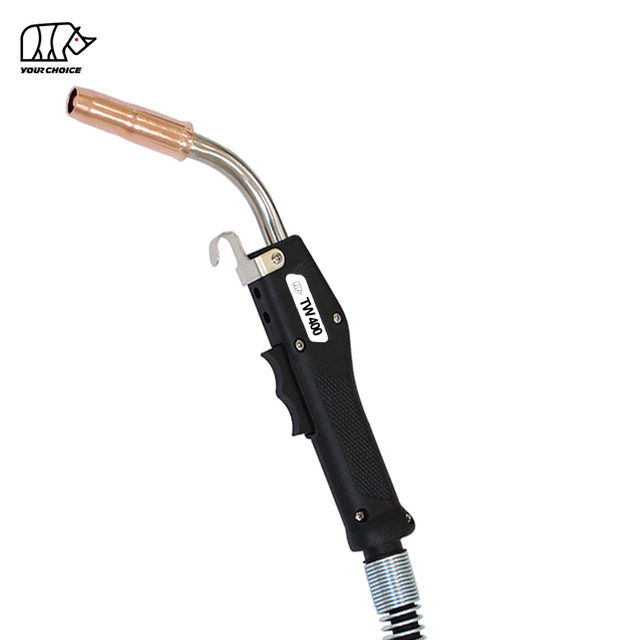
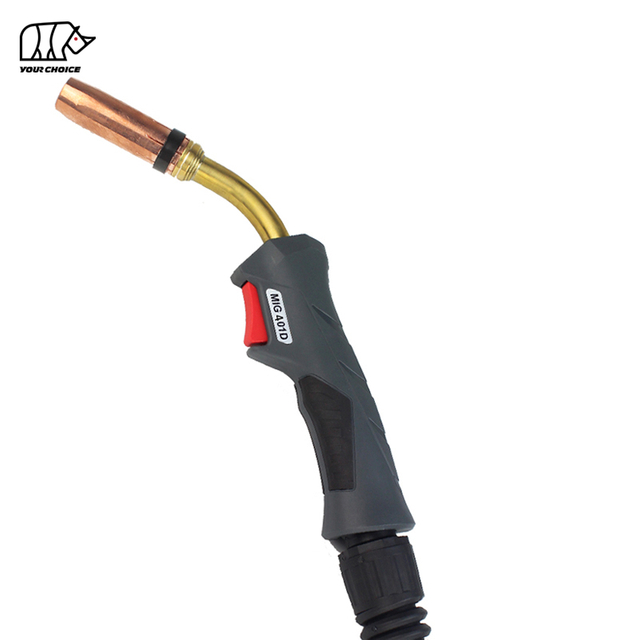
MIG welding is often considered one of the easiest welding processes to learn, but even experienced welders occasionally face frustrating wire feeding issues. When a MIG welding torch fails to feed wire properly, productivity drops, weld quality suffers, and downtime quickly becomes expensive. Whether you operate in fabrication, automotive repair, metal manufacturing, shipbuilding, or industrial production, consistent wire feeding is critical for achieving stable arcs and high-quality welds.
The wire feed system works like the circulatory system of a welding setup. The wire spool supplies filler metal, drive rolls push it forward, the liner guides it through the torch cable, and the contact tip transfers electrical current before the wire enters the weld puddle. If any part of this chain experiences resistance, contamination, wear, or misalignment, the entire process becomes unstable. Recent industry troubleshooting reports indicate that a significant majority of wire feeding failures originate from mechanical feed system issues rather than the welding power source itself.
Understanding where the wire travels and how each component interacts is the first step toward solving feeding problems quickly. Instead of randomly replacing parts, a systematic approach helps identify the root cause and prevent recurring failures.
The Relationship Between the Wire Feeder, Liner, and Torch
Every component within the MIG welding system has a specific responsibility. The drive rolls create the pushing force. The liner acts as a guide channel. The torch neck directs the wire toward the contact tip. The contact tip provides electrical conductivity and ensures accurate wire positioning.
Think of the wire path like a highway. If one lane becomes blocked by debris, traffic slows down or stops completely. Similarly, even a small obstruction inside the liner can create enough friction to cause feeding inconsistency, burnback, birdnesting, or arc instability. This is why professional welders routinely inspect the entire wire path rather than focusing on a single component.
Why Consistent Wire Feeding Matters
Stable wire feeding directly affects weld penetration, bead appearance, spatter levels, and overall productivity. An inconsistent feed rate creates an unstable arc, which can lead to porosity, lack of fusion, excessive spatter, and poor weld strength. Industry welding experts consistently identify wire feeding problems as one of the most common causes of weld defects and production interruptions.
For manufacturers and fabrication shops, even a few minutes of wire feed downtime can impact delivery schedules and operating costs. This is why preventive maintenance and proper troubleshooting are essential for maintaining welding efficiency.
Signs Your MIG Welding Torch Has Wire Feed Problems
Common Symptoms Every Welder Should Recognize
Before solving the problem, you must recognize the symptoms correctly. Many welders mistakenly blame the welding machine when the actual issue lies within the torch assembly or wire feeding system.
Common signs include:
Symptom
Possible Cause
Intermittent wire feeding
Dirty liner, worn contact tip
Wire slipping
Incorrect drive roll tension
Birdnesting
Liner blockage or excessive tension
Burnback
Poor wire feeding or wrong settings
Excessive spatter
Inconsistent wire speed
Wire jerking during welding
Contact tip wear or cable restriction
Arc instability
Feeding interruptions
One of the clearest indicators is a pulsing or sputtering arc. The wire may feed normally for a few seconds before suddenly slowing down or stopping. In many field cases, welders discover that replacing a worn contact tip or cleaning the liner immediately resolves the issue.
If the torch physically pushes backward during welding or the wire bunches near the feeder, the problem is almost always mechanical rather than electrical.
The Most Common Causes of MIG Wire Feeding Issues
Dirty or Worn Torch Liners
The liner is often the hidden culprit behind feeding failures. Over time, metal dust, dirt particles, rust, and wire shavings accumulate inside the liner. This buildup increases friction and restricts wire movement.
A clogged liner acts like a narrow pipe filled with debris. The wire struggles to move smoothly, causing inconsistent feeding and increased stress on the drive system. Industry maintenance reports consistently identify dirty or worn liners as one of the leading causes of MIG wire feeding problems.
Regular liner cleaning and replacement dramatically improve feeding consistency. Shops that perform routine liner maintenance often experience fewer interruptions and lower consumable costs.
Incorrect Drive Roll Tension
Drive roll tension is a balancing act. Too much pressure can deform the wire, while too little pressure allows slipping.
When tension is excessive, the wire becomes flattened or damaged, increasing resistance within the liner. Excessive pressure may also generate metal particles that further contaminate the feed path. Conversely, insufficient tension prevents the drive rolls from maintaining consistent wire speed.
A practical test involves feeding wire against a wooden block. The drive rolls should slip before the wire coils excessively. This simple procedure helps ensure optimal tension without damaging the wire.
Damaged Contact Tips
Many welders overlook contact tips because they appear small and inexpensive. Yet they play a critical role in wire feeding performance.
As contact tips wear, the hole gradually enlarges and loses its original shape. This creates inconsistent electrical contact and increased wire movement inside the tip. A worn tip can cause sputtering, lagging wire feed, unstable arcs, and excessive spatter.
Replacing contact tips regularly is one of the most cost-effective maintenance practices available.
Poor Wire Quality
Not all welding wire is manufactured to the same standards. Low-quality wire often contains inconsistent diameters, poor surface finishes, oxidation, or contamination.
Even slight diameter variations can affect feeding performance. Rust, dirt, and moisture further increase friction throughout the feed path. According to recent welding industry reports, poor wire storage conditions significantly contribute to wire feeding failures and arc instability.
Proper storage in dry environments helps preserve wire quality and ensures consistent feeding.
Incorrect Drive Roll Selection
Drive rolls must match both the wire diameter and wire type being used. Using the wrong groove size or roll style creates slippage and feeding irregularities.
Worn drive rolls can also damage the wire or reduce feeding efficiency. Regular inspection helps identify groove wear before major problems occur.
Wire Birdnesting Problems
Birdnesting occurs when wire tangles near the feeder instead of entering the liner smoothly. This issue is one of the most frustrating feeding failures because it immediately halts production.
Common causes include:
Liner blockages
Excessive drive roll pressure
Damaged contact tips
Worn wire guides
Poor wire alignment
Birdnesting is particularly common when resistance increases somewhere downstream in the wire path. The drive rolls continue pushing wire forward, causing it to coil into a tangled mess.
Torch Cable Bending and Routing Issues
The torch cable itself can create feeding resistance. Sharp bends, twists, or kinks increase friction and restrict wire movement.
Imagine pushing a rope through a straight tube versus a tube with multiple tight bends. The difference in resistance is substantial. Welding torch cables operate under the same principle.
Keeping cables as straight as possible improves wire feeding consistency and extends liner life. Recent troubleshooting guides identify conduit drag and sharp bends as major contributors to wire feeding interruptions.
Step-by-Step Troubleshooting Process
Inspecting the Wire Path
Start with a complete visual inspection. Check the wire spool, drive rolls, wire guides, liner entrance, and torch neck.
Look for:
Rust or contamination
Wire shavings
Kinks in the cable
Improper spool tension
Damaged wire
This systematic inspection often reveals obvious issues before expensive parts are replaced unnecessarily.
Checking Consumable Components
Consumables wear gradually, making problems difficult to detect until performance declines significantly.
Remove the contact tip and feed wire through the torch. If feeding improves significantly, the tip is likely causing resistance. If resistance remains, focus on the liner or cable assembly.
Many welders discover that a simple contact tip replacement resolves feeding issues that initially appeared far more complicated.
Preventive Maintenance for Reliable Wire Feeding
Daily Maintenance Checklist
Preventive maintenance is considerably less expensive than emergency repairs. Daily inspection routines help identify problems before they affect production.
A daily checklist should include cleaning spatter from nozzles, inspecting contact tips, checking drive rolls, verifying wire condition, and ensuring the torch cable remains free from sharp bends.
Consistent maintenance extends consumable life while improving welding quality.
Weekly Inspection Procedures
Weekly maintenance should include:
Blowing out the liner with clean compressed air
Inspecting drive roll wear
Verifying wire alignment
Examining electrical connections
Cleaning feed mechanisms
These procedures minimize friction and maintain optimal feeding performance.
Choosing the Right MIG Torch Components
Selecting Liners Correctly
Liner selection should always match the wire diameter and material type being used. Oversized liners reduce guidance accuracy, while undersized liners increase friction.
For high-production applications, premium liners often provide longer service life and improved feeding consistency. Choosing the correct liner is especially important when working with softer wires that are more prone to deformation.
Matching Contact Tips and Wire Diameter
Contact tip size directly affects current transfer and feeding accuracy. Using an incorrect tip size increases wear, electrical instability, and feeding resistance.
Always match the contact tip to the wire diameter specified by the welding procedure. Consistent sizing helps maintain arc stability and reduce consumable costs.
When to Replace Instead of Repair
Every component eventually reaches the end of its service life. Attempting repeated repairs on severely worn liners, damaged torch cables, or excessively worn feed systems often costs more than replacement.
Consider replacement when:
Feeding issues persist after maintenance
Liners require constant cleaning
Contact tips wear excessively fast
Torch cables show severe damage
Productivity losses outweigh replacement costs
A proactive replacement strategy minimizes downtime and ensures consistent welding performance.
Conclusion
If your MIG welding torch is not feeding wire properly, the root cause is usually mechanical rather than electrical. Dirty liners, worn contact tips, incorrect drive roll tension, poor wire quality, damaged guides, and cable routing problems account for the majority of wire feeding failures. Recent industry troubleshooting data indicates that most feeding interruptions originate within the wire feed system itself rather than the power source.
The most effective approach is systematic troubleshooting. Start with the wire path, inspect consumables, verify drive roll settings, and evaluate the torch assembly. Regular preventive maintenance dramatically reduces downtime while improving weld quality, productivity, and consumable lifespan.
A smooth wire feed system creates a stable arc. A stable arc creates stronger welds. Stronger welds create better products. The connection is simple, but the impact on welding performance is enormous.
FAQs
1. Why does my MIG welder keep birdnesting wire?
Birdnesting is usually caused by liner blockages, excessive drive roll tension, worn contact tips, or poor wire alignment. Inspect the entire wire path and eliminate downstream resistance.
2. How often should I replace my MIG torch liner?
Replacement frequency depends on usage, wire type, and operating conditions. Heavy industrial applications may require liner replacement every few months, while lighter applications can last significantly longer.
3. Can a contact tip cause wire feeding problems?
Yes. A worn or oversized contact tip can create inconsistent electrical contact, unstable arcs, wire hesitation, and feeding interruptions.
4. Why is my wire feeding inconsistently during welding but feeding normally without an arc?
This often indicates contact tip wear, liner resistance, or electrical conductivity issues that only appear under welding conditions.
5. What is the most common cause of MIG wire feed failure?
Industry troubleshooting reports consistently identify dirty or worn liners, incorrect drive roll tension, and contact tip wear as the leading causes of wire feed problems.
This website uses cookies and similar technologies (“cookies”). Subject to your consent, will use analytical cookies to track which content interests you, and marketing cookies to display interest-based advertising. We use third-party providers for these measures, who may also use the data for their own purposes.
You give your consent by clicking "Accept all" or by applying your individual settings. Your data may then also be processed in third countries outside the EU, such as the US, which do not have a corresponding level of data protection and where, in particular, access by local authorities may not be effectively prevented. You can revoke your consent with immediate effect at any time. If you click on "Reject all", only strictly necessary cookies will be used.
 English
 简体中文
简体中文 العربية
 Français
 Русский
 Español
 Português
 Deutsch
 italiano
 日本語
日本語 한국어
한국어 Nederlands
 Tiếng Việt
 ไทย
ไทย Polski
 Türkçe
 ភាសាខ្មែរ
 Bahasa Melayu
 Filipino
 Bahasa Indonesia
 magyar
 Română
 Čeština
 Монгол
 қазақ
қазақ Српски
 हिन्दी
 فارسی
فارسی Slovenčina
 Slovenščina
 Norsk
Norsk Svenska
 українська
 Ελληνικά
 Suomi
Suomi Latine
 Dansk
Dansk বাংলা
বাংলা Hrvatski
 Afrikaans
 Gaeilge
 Eesti keel
 नेपाली
 Oʻzbekcha
 latviešu
 Azərbaycan dili
 Беларуская мова
 Bosanski
 Български
 ქართული
 Lietuvių