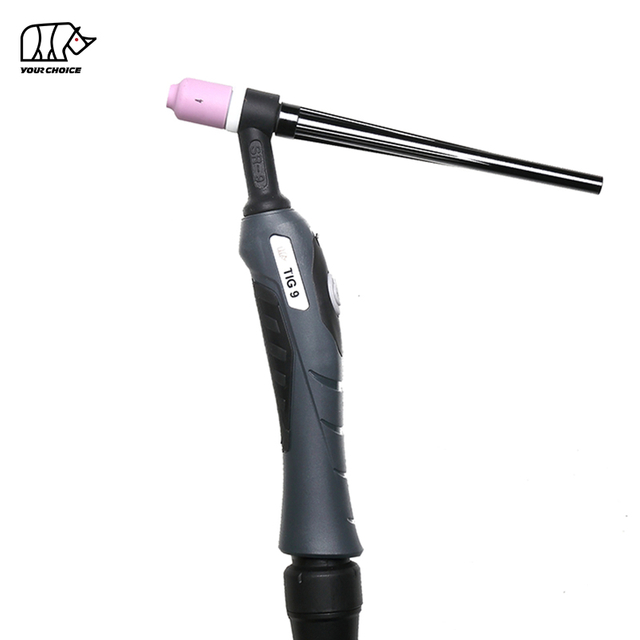
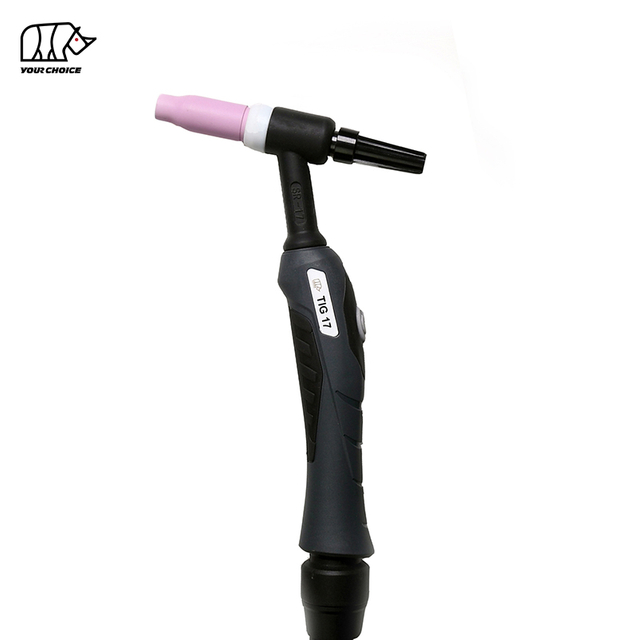
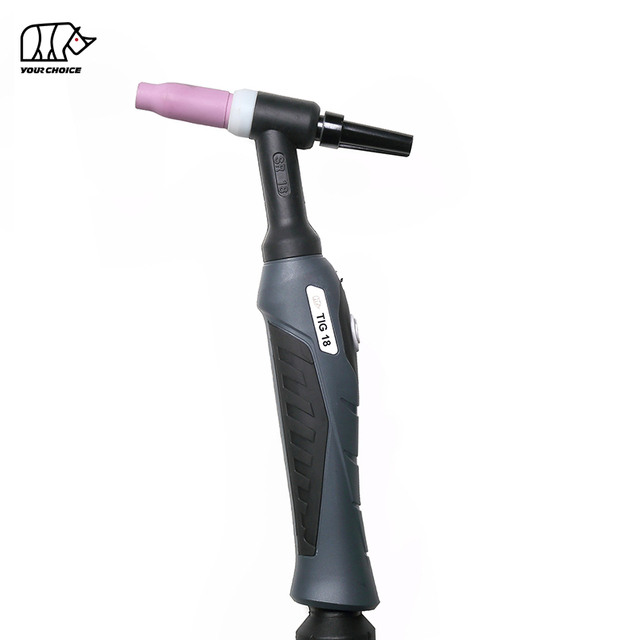
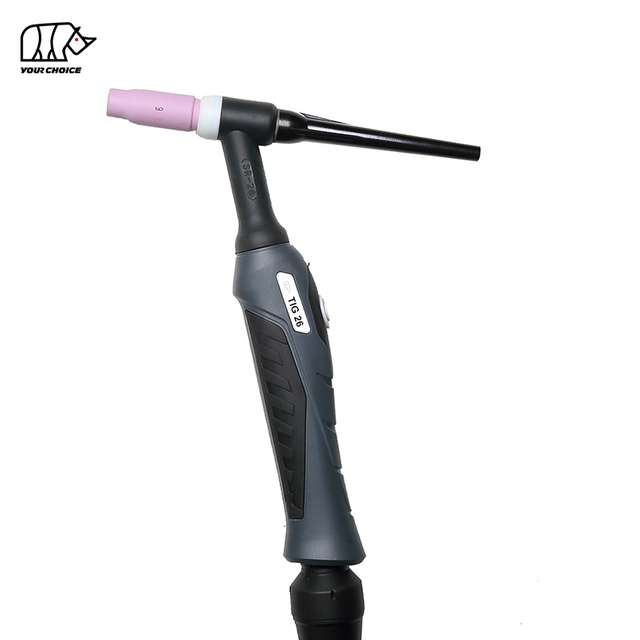
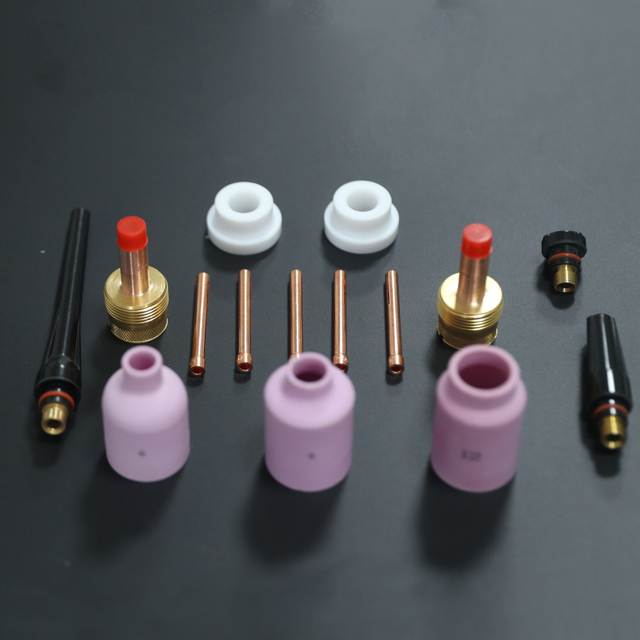
TIG welding, also called Tungsten Inert Gas welding or GTAW (Gas Tungsten Arc Welding), is one of the most precise welding processes used in modern metal fabrication. Instead of feeding a continuously melting wire like MIG welding, TIG welding uses a non-consumable tungsten electrode to create the welding arc. The welder manually adds filler material when needed, giving unmatched control over the weld pool.
That level of control is exactly why TIG welding and stainless steel work together so well. Stainless steel is sensitive to contamination, overheating, and oxidation. One careless movement can discolor the surface, weaken corrosion resistance, or create warping. TIG welding helps avoid these problems because the operator can precisely regulate amperage, travel speed, filler addition, and heat input.
You can think of TIG welding as the “surgical tool” of the welding world. MIG welding is fast and productive, while stick welding is rugged and forgiving. TIG welding, on the other hand, focuses on perfection. The result is a cleaner weld bead, smoother appearance, and superior structural quality.
Industries demanding hygienic welds or visual perfection almost always prefer TIG welding stainless steel. Pharmaceutical pipelines, brewery tanks, food-grade tubing, exhaust systems, and aerospace components all depend heavily on TIG welding because the final weld quality matters just as much as strength.
Modern research in stainless steel fabrication continues emphasizing TIG welding’s ability to minimize heat-affected zones while maintaining corrosion resistance and mechanical stability.
How TIG Welding Works on Stainless Steel
The TIG welding process starts when an electric arc forms between the tungsten electrode and the stainless steel surface. Shielding gas, usually pure argon, protects the molten weld pool from oxygen, nitrogen, and contaminants in the atmosphere. Without this protection, stainless steel quickly oxidizes and loses its corrosion resistance.
The beauty of TIG welding stainless steel lies in the precise heat control. Stainless steel retains heat longer than mild steel, which means overheating can easily happen if the welder is inexperienced. TIG welding allows operators to reduce amperage instantly, maintain a stable arc, and carefully control penetration depth.
Most professional welders also use back purging when welding stainless steel pipe or tubing. Back purging floods the backside of the weld with argon gas, preventing oxidation known as “sugaring.” This is especially important in industries like food processing and pharmaceuticals, where contamination inside pipes is unacceptable.
Recent discussions among professional welders also highlight how proper gas flow, clean tungsten preparation, and controlled heat input dramatically improve stainless TIG weld quality.
Why Stainless Steel Requires Precision Welding
Heat Sensitivity of Stainless Steel
Stainless steel behaves differently from carbon steel during welding. It expands faster when heated and holds heat longer after welding. That combination creates a higher risk of distortion, burn-through, and warping.
Imagine trying to toast bread with a flamethrower. That is essentially what happens when too much heat is applied too quickly to thin stainless steel. The material bends, twists, and loses dimensional accuracy. TIG welding solves this problem by delivering controlled, concentrated heat exactly where it is needed.
Heat control becomes even more critical when welding thin-gauge stainless steel. Restaurant equipment, automotive exhaust systems, stainless countertops, and decorative architectural panels often use extremely thin material. TIG welding provides the finesse required to weld these materials without destroying them.
Professional fabricators often compare TIG welding to painting with a fine brush rather than spraying paint from a hose. The precision is unmatched.
Corrosion Resistance Challenges
One major reason companies choose stainless steel is corrosion resistance. But welding can destroy that advantage if performed incorrectly. Excessive heat burns away chromium near the weld zone, reducing the protective oxide layer that prevents rust and corrosion.
TIG welding minimizes this risk because the heat input is tightly controlled. The inert shielding gas also prevents atmospheric contamination during the welding process. Clean welds maintain the stainless steel’s original corrosion-resistant properties far better than rougher welding methods.
This is especially important in industries where sanitation matters. Food-grade stainless steel equipment must remain smooth, clean, and corrosion-resistant. Poor weld quality can trap bacteria, chemicals, or contaminants inside tiny imperfections.
That is why TIG welding remains the preferred solution for hygienic stainless steel fabrication worldwide.
Main Advantages of TIG Welding for Stainless Steel
Exceptional Weld Appearance
Let’s be honest — appearance matters. One reason TIG welding is so popular for stainless steel is the beautiful weld finish it produces. Clean “stack of dimes” weld beads are not just visually appealing; they also indicate excellent weld consistency and penetration control.
Architectural stainless steel projects especially benefit from TIG welding aesthetics. Handrails, decorative panels, custom furniture, motorcycle exhausts, and food equipment often remain visible after fabrication. Customers expect flawless finishes.
Unlike stick welding or flux-core welding, TIG welding produces virtually no spatter. That means less grinding, less cleanup, and less post-processing. Fabricators save time while delivering premium-looking products.
Social media and welding communities have also contributed to TIG welding’s popularity because stainless TIG welds visually stand out even to non-welders.
Superior Heat Control
Heat control is probably the single biggest reason TIG welding is best for stainless steel. Since the welder independently controls the heat source and filler rod, it becomes easier to prevent overheating and distortion.
Many professional TIG welders use foot pedals to dynamically adjust amperage during welding. As stainless steel heats up, amperage can be reduced instantly to maintain weld consistency. This level of precision is difficult to achieve with many other welding processes.
Heat control also helps preserve mechanical strength. Excessive heat can weaken stainless steel and create larger heat-affected zones. TIG welding keeps these zones smaller, improving structural reliability.
Cleaner Welds With Minimal Spatter
Nobody enjoys spending hours grinding ugly welds. TIG welding dramatically reduces cleanup time because the process produces almost no spatter, smoke, or slag.
Cleaner welds matter even more in industries requiring sanitary conditions. Pharmaceutical tanks, brewery systems, dairy processing equipment, and laboratory piping must meet strict cleanliness standards. TIG welding naturally creates smoother, cleaner weld surfaces ideal for these applications.
Stronger and More Durable Joints
Strength is not just about penetration depth. A truly strong stainless steel weld must also resist cracking, corrosion, thermal cycling, and fatigue over time.
TIG welding creates highly consistent weld pools and precise filler placement. This reduces defects such as porosity, undercutting, and contamination. The final result is a stronger and more reliable weld joint.
Research comparing conventional and advanced TIG welding processes continues showing excellent mechanical properties in stainless steel joints.
TIG Welding vs Other Welding Methods
TIG vs MIG Welding for Stainless Steel
Feature
TIG Welding
MIG Welding
Weld Appearance
Excellent
Good
Heat Control
Precise
Moderate
Welding Speed
Slower
Faster
Spatter
Minimal
Moderate
Thin Material Welding
Excellent
Fair
Skill Requirement
High
Medium
Sanitary Applications
Ideal
Limited
MIG welding is faster and easier for beginners, but TIG welding produces cleaner and more precise stainless steel welds. When quality matters more than speed, TIG wins almost every time.
TIG vs Stick Welding
Stick welding works well outdoors and in rough environments, but it struggles with stainless steel aesthetics and precision. TIG welding offers cleaner welds, lower contamination risk, and better control for thin materials.
Stick welding also generates slag that requires cleanup, while TIG welding produces significantly cleaner results.
TIG vs Laser Welding
Laser welding is growing rapidly, especially in automated manufacturing. It offers incredible speed and low distortion, but the equipment cost remains extremely high.
Small and medium fabrication shops still prefer TIG welding because it provides exceptional quality at a far more accessible investment level. Many welders also feel TIG welding offers greater flexibility for custom stainless fabrication work.
Industries That Prefer TIG Welding Stainless Steel
Food and Beverage Equipment
Food-grade stainless steel equipment requires smooth welds without contamination points. TIG welding produces sanitary welds ideal for breweries, dairy systems, restaurant equipment, and food processing machinery.
Back purging is especially important here because oxidized weld roots can harbor bacteria.
Medical and Pharmaceutical Applications
Medical-grade stainless steel components demand precision, cleanliness, and corrosion resistance. TIG welding provides all three.
Pharmaceutical piping systems often use orbital TIG welding to create perfectly consistent welds throughout production facilities.
Automotive and Motorsport Fabrication
Custom exhaust systems, turbo piping, intercooler tubing, and stainless headers frequently use TIG welding because of its precision and attractive appearance.
Performance enthusiasts also appreciate the colorful heat patterns TIG welding creates on stainless exhaust components.
Aerospace and Precision Manufacturing
Aerospace fabrication leaves no room for error. TIG welding’s accuracy and repeatability make it essential for critical stainless steel applications in aircraft and precision industrial systems.
Orbital TIG welding technology is increasingly used for automated pipe welding in aerospace and high-purity industries.
Best TIG Welding Settings for Stainless Steel
Recommended Amperage
Amperage depends heavily on material thickness. Thin stainless sheet metal requires low amperage to avoid burn-through, while thicker plate requires higher current for proper penetration.
A common guideline is roughly 1 amp per 0.001 inch of material thickness.
Stainless Thickness
Suggested Amperage
0.040 inch
35–45 amps
0.062 inch
50–70 amps
0.125 inch
90–130 amps
0.250 inch
180–250 amps
Shielding Gas Selection
Pure argon remains the most popular shielding gas for TIG welding stainless steel. It provides stable arc performance and excellent weld protection.
Some advanced applications use argon-helium blends for deeper penetration and faster travel speeds.
Tungsten and Filler Rod Choices
Popular filler rods for stainless steel include:
ER308L for 304 stainless steel
ER309L for dissimilar metal welding
ER316L for marine and corrosion-resistant applications
Professional welders consistently emphasize the importance of clean filler rods and properly prepared tungsten electrodes.
Common Problems and Solutions in TIG Welding Stainless Steel
Warping and Distortion
Warping usually happens because stainless steel retains heat longer than carbon steel. Reducing amperage, increasing travel speed, and allowing cooling intervals can significantly reduce distortion.
Many experienced welders recommend alternating weld locations rather than welding continuously in one direction.
Sugaring and Oxidation
Sugaring occurs when the backside of stainless steel oxidizes due to insufficient shielding gas protection. Back purging with argon prevents this issue.
Maintaining proper gas flow and clean surfaces also improves weld quality dramatically.
Burn Through Issues
Thin stainless steel is especially vulnerable to burn-through. Pulse TIG welding can help control heat input and stabilize the weld pool.
Reducing amperage and using smaller filler rods also helps prevent excessive penetration.
Future Trends in TIG Welding Stainless Steel
AI and Smart Welding Systems
Artificial intelligence is rapidly entering the welding industry. Recent studies demonstrate how deep learning systems can monitor TIG weld penetration in real time, improving quality control and reducing operator error.
Smart welding systems are becoming more common in advanced manufacturing facilities where consistency and productivity matter.
Automated Orbital TIG Welding
Orbital TIG welding is increasingly used for stainless steel pipe systems requiring repeatable precision. Industries like semiconductors, pharmaceuticals, and aerospace rely heavily on automated orbital TIG systems for high-purity applications.
As automation technology improves, orbital TIG welding continues expanding into more manufacturing sectors worldwide.
Conclusion
TIG welding remains the best choice for stainless steel because it combines precision, cleanliness, strength, and exceptional visual quality in one process. Stainless steel demands careful heat management and contamination control, and TIG welding delivers both better than almost any traditional welding method.
From sanitary food-grade equipment to aerospace fabrication, TIG welding consistently produces cleaner welds, lower distortion, stronger joints, and superior corrosion resistance. While the process requires more skill and patience than MIG or stick welding, the final results are often worth the extra effort.
Modern manufacturing trends also continue pushing TIG welding forward. AI-assisted weld monitoring, orbital automation, and advanced stainless fabrication technologies are helping manufacturers achieve even higher quality standards.
For fabricators focused on premium stainless steel welding, TIG is not just an option anymore — it is the benchmark.
FAQs
1. What are the most common TIG welding applications for stainless steel OEM ODM customized projects?
Common TIG welding applications for OEM ODM customized stainless steel projects include food processing equipment, pharmaceutical pipelines, brewery systems, automotive exhaust fabrication, aerospace components, and precision industrial machinery because TIG welding provides clean welds, minimal distortion, and excellent corrosion resistance.
2. Why do manufacturers prefer OEM ODM customized TIG welding applications for food-grade stainless steel equipment?
Manufacturers prefer OEM ODM customized TIG welding applications for food-grade stainless steel equipment because TIG welding creates sanitary, smooth, and contamination-free welds that meet strict hygiene and corrosion resistance requirements in food and beverage production industries.
3. How do OEM ODM customized TIG welding applications improve stainless steel fabrication quality?
OEM ODM customized TIG welding applications improve stainless steel fabrication quality by providing precise heat control, reduced weld spatter, consistent penetration, cleaner weld appearance, and stronger weld joints, especially for thin stainless steel materials.
4. Which industries use TIG welding applications with OEM ODM customized welding solutions?
Industries using TIG welding applications with OEM ODM customized welding solutions include aerospace, automotive, medical equipment manufacturing, pharmaceutical processing, shipbuilding, pressure vessel fabrication, and stainless steel furniture production.
5. What are the advantages of OEM ODM customized TIG welding torch solutions for stainless steel welding?
OEM ODM customized TIG welding torch solutions offer advantages such as ergonomic design, stable arc performance, improved cooling efficiency, longer service life, flexible cable configurations, and compatibility with automated TIG welding systems.
6. Can OEM ODM customized TIG welding applications support automated production lines?
Yes, OEM ODM customized TIG welding applications can support automated and robotic production lines by integrating orbital TIG systems, programmable welding parameters, water-cooled torch designs, and high-precision welding controls for mass production environments.
7. Why are TIG welding applications ideal for thin stainless steel OEM ODM customized products?
TIG welding applications are ideal for thin stainless steel OEM ODM customized products because TIG welding minimizes heat distortion, prevents burn-through, and produces high-quality weld beads with superior appearance and structural integrity.
8. What shielding gas is recommended for OEM ODM customized TIG welding applications?
Pure argon is the most commonly recommended shielding gas for OEM ODM customized TIG welding applications because it provides stable arc performance, strong weld protection, reduced oxidation, and cleaner stainless steel weld finishes.
9. How do OEM ODM customized TIG welding applications help improve welding efficiency?
OEM ODM customized TIG welding applications help improve welding efficiency through optimized torch design, enhanced cooling systems, stable electrical conductivity, reduced downtime, longer consumable lifespan, and better operator comfort during continuous welding operations.
10. What should buyers consider when choosing OEM ODM customized TIG welding application suppliers?
Buyers selecting OEM ODM customized TIG welding application suppliers should evaluate manufacturing experience, product quality control, customization capability, welding performance testing, international certifications, production capacity, and technical support services.
This website uses cookies and similar technologies (“cookies”). Subject to your consent, will use analytical cookies to track which content interests you, and marketing cookies to display interest-based advertising. We use third-party providers for these measures, who may also use the data for their own purposes.
You give your consent by clicking "Accept all" or by applying your individual settings. Your data may then also be processed in third countries outside the EU, such as the US, which do not have a corresponding level of data protection and where, in particular, access by local authorities may not be effectively prevented. You can revoke your consent with immediate effect at any time. If you click on "Reject all", only strictly necessary cookies will be used.
 English
 简体中文
简体中文 العربية
 Français
 Русский
 Español
 Português
 Deutsch
 italiano
 日本語
日本語 한국어
한국어 Nederlands
 Tiếng Việt
 ไทย
ไทย Polski
 Türkçe
 ភាសាខ្មែរ
 Bahasa Melayu
 Filipino
 Bahasa Indonesia
 magyar
 Română
 Čeština
 Монгол
 қазақ
қазақ Српски
 हिन्दी
 فارسی
فارسی Slovenčina
 Slovenščina
 Norsk
Norsk Svenska
 українська
 Ελληνικά
 Suomi
Suomi Latine
 Dansk
Dansk বাংলা
বাংলা Hrvatski
 Afrikaans
 Gaeilge
 Eesti keel
 नेपाली
 Oʻzbekcha
 latviešu
 Azərbaycan dili
 Беларуская мова
 Bosanski
 Български
 ქართული
 Lietuvių