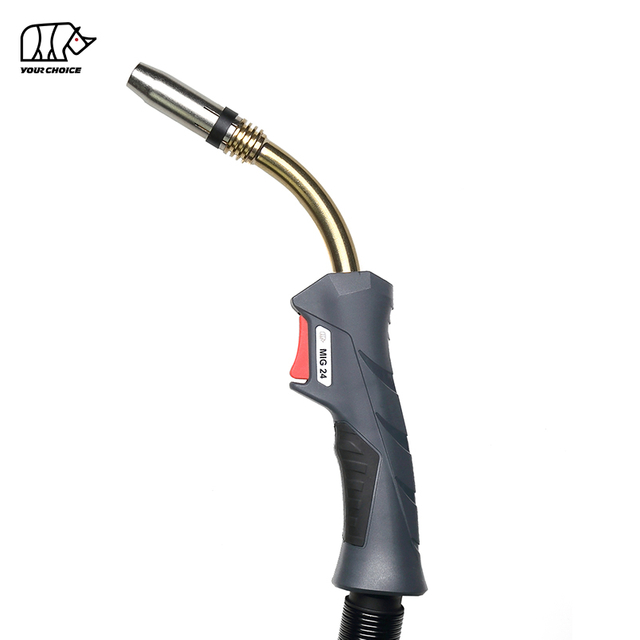
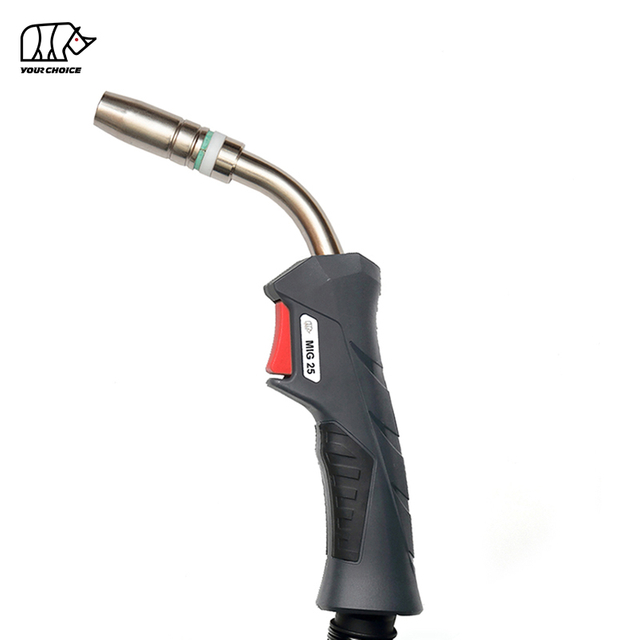
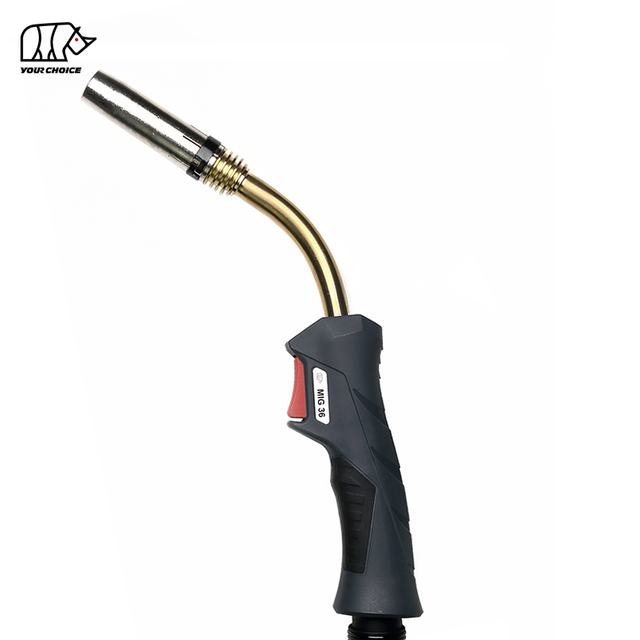
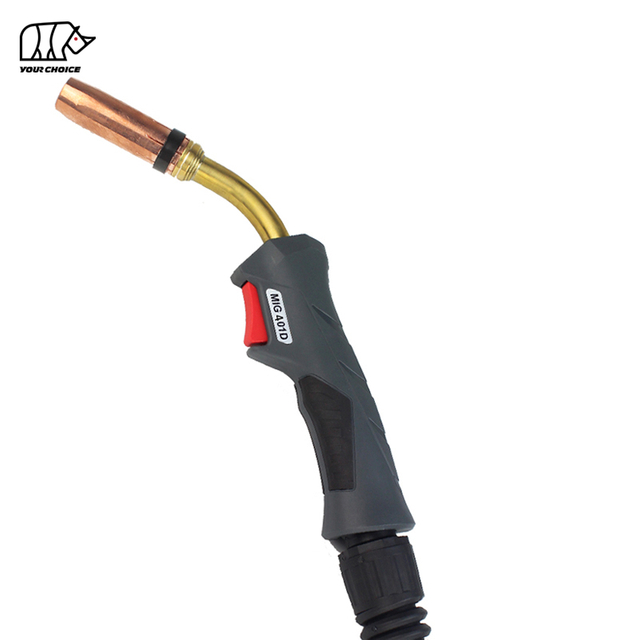
The automotive repair industry has changed dramatically over the last decade. Modern vehicles use a combination of high-strength steel, galvanized steel, stainless steel, and lightweight aluminum components. As repair requirements become more complex, workshops need welding equipment that delivers accuracy, efficiency, and repeatable results. This is exactly where MIG welding stands out.
Industry reports show that the automotive sector accounted for nearly 25% of global welding equipment demand in 2025, making it one of the largest end-user segments for welding technology. Automotive manufacturers, collision repair centers, restoration workshops, and maintenance facilities continue to rely heavily on MIG welding because of its speed, versatility, and cost-effectiveness.
For automotive repair professionals, welding is not just about joining metal. It is about maintaining vehicle safety, structural integrity, and appearance. A poorly executed weld can compromise an entire repair job. This is why selecting the best MIG torch for automotive repair is often more important than choosing the welding machine itself.
The Growing Demand for Automotive Welding Solutions
Global vehicle production and aftermarket repair services continue to expand. The rise of electric vehicles, lightweight vehicle structures, and advanced steel alloys has increased the need for precise welding equipment. Automotive welding service markets are projected to experience strong growth throughout the coming years as repair facilities adapt to new vehicle designs.
Why Repair Shops Prefer MIG Welding
Automotive technicians often choose MIG welding because it offers:
Faster welding speeds
Easier learning curve
Cleaner weld appearance
Better productivity
Reduced post-weld grinding
Whether repairing rusted body panels or fabricating replacement brackets, MIG welding remains one of the most practical welding methods available today.
What Is a MIG Torch and Why Does It Matter?
Many welders spend thousands of dollars on welding machines while overlooking the importance of the MIG torch. Think of the welding machine as the engine of a car and the MIG torch as the steering wheel. Even the most powerful engine becomes useless if you cannot control it properly.
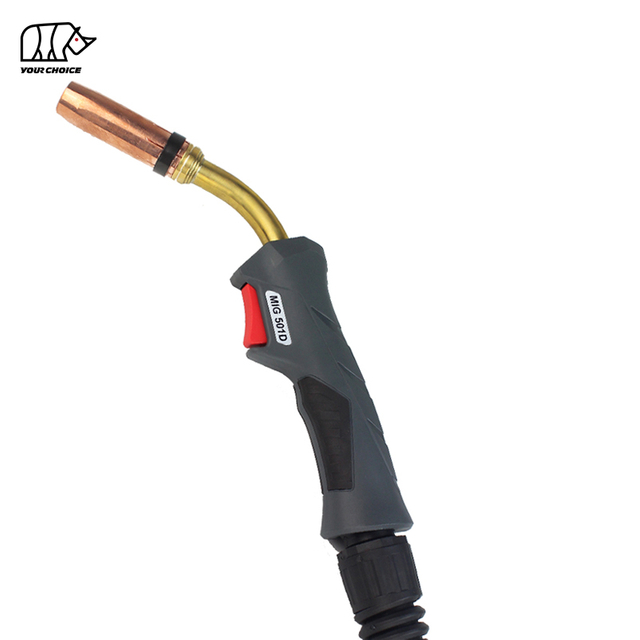
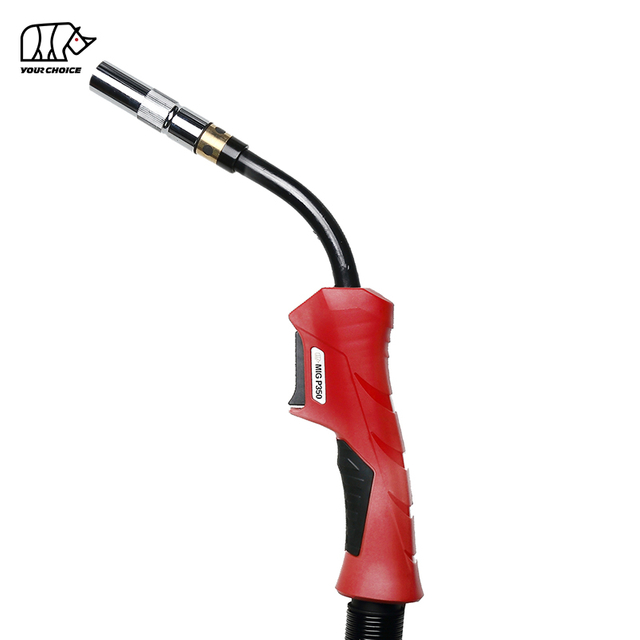
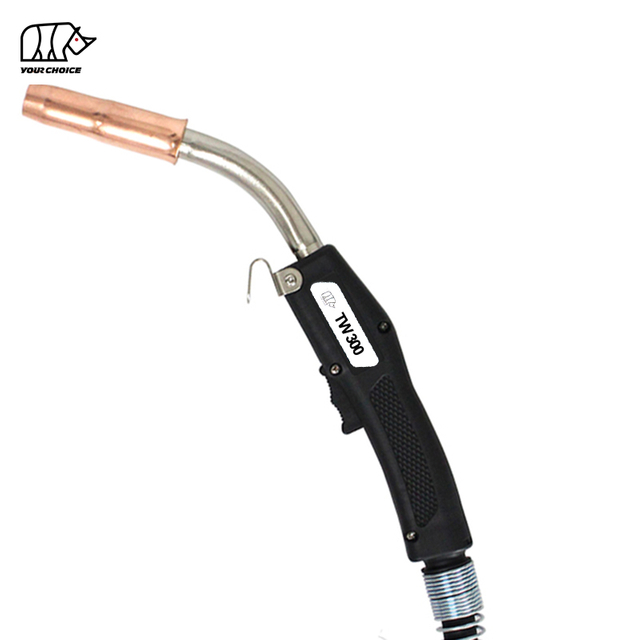
A MIG torch serves as the direct connection between the welder and the workpiece. It guides the wire, delivers shielding gas, and transfers welding current. Every movement, every weld bead, and every adjustment depends on the torch's performance.
Each component influences welding quality. Even a small issue in the liner or contact tip can create feeding problems and inconsistent welds.
How Torch Quality Affects Weld Performance
A high-quality MIG torch offers smoother wire feeding, better heat management, and superior operator comfort. During automotive repair work, technicians often weld in tight spaces under dashboards, inside wheel wells, and around suspension components. A poorly designed torch quickly causes fatigue and reduces welding precision.
When working on thin automotive sheet metal, stable arc performance becomes especially important because excessive heat can easily burn through the material. Automotive body panels commonly range from 20 to 24 gauge steel, requiring exceptional control during welding.
Essential Features of the Best MIG Torch for Automotive Repair
Not all MIG torches are created equal. The best automotive repair torch combines durability, comfort, and precision.
Lightweight and Ergonomic Design
Automotive welders frequently spend hours handling the torch. A heavy torch may not seem problematic at first, but after an entire day of welding, fatigue becomes noticeable.
A lightweight ergonomic handle allows welders to maintain steady movements, especially when performing delicate body panel repairs. Better control translates directly into cleaner welds and less rework.
Flexible Cable Construction
Vehicle repairs often require reaching awkward positions. A stiff cable feels like dragging a garden hose through a maze. Flexible cable assemblies improve maneuverability and reduce operator strain.
Professional automotive technicians typically prefer highly flexible cable systems because they allow easier access inside engine compartments, undercarriages, and confined repair areas.
Stable Wire Feeding System
One of the most frustrating welding issues is inconsistent wire feeding. Poor wire feeding creates:
Arc instability
Increased spatter
Burnback
Irregular weld beads
A premium MIG torch uses high-quality liners and optimized cable routing to maintain smooth wire movement.
Heat Resistance and Durability
Automotive repair shops handle a wide range of welding tasks, from quick body repairs to extended fabrication work. The torch must withstand constant heat cycles without degrading.
Heat-resistant handles, durable neck assemblies, and premium consumables significantly extend service life while reducing maintenance costs.
Automotive Applications That Require a High-Quality MIG Torch
Auto Body Panel Repair
Body panel repair remains one of the most demanding welding applications. Thin sheet metal requires low heat input and exceptional arc control. Excessive heat causes distortion, warping, and burn-through.
The best MIG torch allows technicians to create precise tack welds and stitch welds while maintaining panel alignment. This capability is critical when replacing quarter panels, fenders, floor pans, and rocker panels.
Exhaust System Repair
Exhaust systems experience continuous thermal expansion and vibration. Weld quality directly impacts durability.
A reliable MIG torch helps create strong welds on exhaust tubing while minimizing spatter and reducing cleanup time. Consistent wire feeding is especially important when welding thinner exhaust materials.
Chassis and Frame Welding
Structural repairs demand stronger welds and greater penetration. Chassis components often use thicker steel sections requiring higher amperage settings.
A durable MIG torch capable of handling extended welding cycles ensures consistent performance during these demanding applications.
Restoration Projects
Classic car restoration continues to be one of the fastest-growing automotive welding segments. Restoration specialists often encounter rust damage, metal fatigue, and obsolete replacement parts.
A precision MIG torch becomes indispensable when recreating body panels and repairing original vehicle structures while preserving authenticity.
Choosing the Right MIG Torch for Different Automotive Materials
Modern vehicles utilize various metals, each requiring specific welding approaches.
Mild Steel
Mild steel remains the most common material in automotive repair. It offers excellent weldability and cost efficiency.
For mild steel applications, welders typically prioritize:
Stable arc performance
Low spatter generation
Smooth wire feeding
Stainless Steel
Stainless steel appears frequently in performance exhaust systems and specialty automotive components.
A quality MIG torch helps maintain consistent shielding gas coverage, reducing contamination and improving weld appearance.
Aluminum Components
As manufacturers continue reducing vehicle weight, aluminum components become increasingly common. Lightweight vehicle construction is one of the primary drivers behind modern automotive welding innovations.
Aluminum welding requires:
Consistent wire feeding
Specialized liners
Reduced friction
Superior heat management
A well-designed MIG torch significantly improves aluminum welding results.
Air-Cooled vs Water-Cooled MIG Torches
Choosing between air-cooled and water-cooled torches depends largely on application requirements.
Feature
Air-Cooled
Water-Cooled
Cost
Lower
Higher
Maintenance
Simple
More Complex
Weight
Heavier Handle
Lighter Handle
Duty Cycle
Moderate
High
Automotive Repair Suitability
Excellent
Specialized Applications
For most automotive repair facilities, air-cooled MIG torches provide the best balance between performance, cost, and ease of maintenance.
Water-cooled torches become valuable when handling continuous production welding or high-amperage industrial applications.
OEM and ODM Customized MIG Torch Solutions
As competition grows in the welding equipment market, distributors and wholesalers increasingly seek OEM and ODM customized MIG torch solutions.
Customization options often include:
Private label branding
Customized cable lengths
Specialized handle designs
Unique packaging
Market-specific configurations
For automotive welding distributors, customization provides opportunities to differentiate products while meeting local market requirements.
Customization allows businesses to create products tailored to specific customer needs. Automotive repair professionals often prefer torches designed for vehicle repair environments rather than generic industrial applications.
OEM and ODM manufacturing also enables better inventory management, stronger brand recognition, and improved profit margins.
Common Problems Automotive Welders Face
Even experienced welders encounter challenges.
Wire Feeding Issues
Poor wire feeding remains one of the most frequently reported welding problems.
Common causes include:
Worn liners
Damaged contact tips
Incorrect drive roll tension
Cable kinking
A premium torch design minimizes these issues through optimized wire path engineering.
Excessive Spatter
Spatter increases cleanup time and reduces welding efficiency.
Contributing factors include:
Unstable arc
Improper voltage settings
Poor shielding gas coverage
Inferior consumables
Investing in a high-quality MIG torch often reduces spatter significantly.
Overheating During Long Welds
Extended welding sessions generate substantial heat. Overheated torches can reduce productivity and shorten component lifespan.
Selecting a torch with appropriate amperage ratings and duty cycle specifications helps prevent overheating issues.
Maintenance Tips for Longer MIG Torch Life
A MIG torch is like any professional tool—the better you maintain it, the longer it performs.
Regular maintenance should include:
Inspecting contact tips weekly.
Cleaning nozzles regularly.
Replacing worn liners promptly.
Checking cable condition.
Removing welding spatter buildup.
Simple preventive maintenance can dramatically reduce downtime and operating costs.
Professional repair facilities often establish maintenance schedules to ensure consistent torch performance and maximize equipment lifespan.
Conclusion
Finding the best MIG torch for automotive repair is not simply about selecting the lowest-priced option. It is about choosing a tool that delivers reliability, comfort, durability, and welding precision across a wide range of automotive applications.
As vehicle designs continue evolving with lightweight materials, advanced steels, and complex structures, the importance of high-performance welding equipment will only increase. Automotive repair shops, restoration specialists, and fabrication professionals all benefit from investing in a MIG torch that offers stable wire feeding, ergonomic handling, superior heat resistance, and long-term durability.
Whether you are repairing body panels, welding exhaust systems, restoring classic vehicles, or building custom automotive projects, the right MIG torch can significantly improve weld quality, productivity, and overall repair efficiency.
FAQs
1. What is the best MIG welding torch for automotive repair and OEM ODM customized projects?
The best MIG welding torch for automotive repair should offer stable wire feeding, ergonomic handling, excellent heat resistance, and long service life. For distributors and wholesalers, OEM ODM customized MIG welding torch solutions allow customized branding, cable lengths, packaging, and specifications tailored to different automotive markets.
2. Can I order OEM ODM customized MIG welding torch products with private label branding?
Yes. Professional MIG welding torch manufacturers typically provide OEM ODM customized services including private logo printing, customized packaging, product labeling, instruction manuals, and exclusive product designs to help distributors build their own welding equipment brands.
3. What customization options are available for OEM ODM customized MIG welding torch manufacturing?
OEM ODM customized MIG welding torch options commonly include handle design, cable length, connector type, amperage rating, neck configuration, packaging design, private labeling, and custom consumable kits according to customer requirements.
4. How do I choose a high-quality MIG welding torch supplier for automotive applications?
When selecting a MIG welding torch supplier, consider manufacturing experience, quality control systems, production capacity, OEM ODM customization capability, certifications, product testing procedures, and after-sales support. A reliable supplier should also provide samples before mass production.
5. Are OEM ODM customized MIG welding torch solutions suitable for welding distributors and wholesalers?
Yes. OEM ODM customized MIG welding torch products are ideal for distributors, wholesalers, importers, and welding equipment brands seeking exclusive products, stronger market differentiation, improved profit margins, and long-term brand development opportunities.
6. What materials can a MIG welding torch be used for in automotive repair?
A MIG welding torch is widely used for welding mild steel, galvanized steel, stainless steel, and aluminum components commonly found in automotive body repair, chassis fabrication, exhaust systems, restoration projects, and vehicle maintenance applications.
7. What are the advantages of an ergonomic OEM ODM customized MIG welding torch?
An ergonomic MIG welding torch reduces operator fatigue, improves welding accuracy, enhances productivity, and provides better control during long welding sessions. Customized handle designs can further improve comfort based on regional market preferences and user habits.
8. Can OEM ODM customized MIG welding torch products meet different international market requirements?
Yes. Experienced manufacturers can customize MIG welding torch products according to regional standards, connector compatibility, packaging regulations, language requirements, and specific market demands for North America, Europe, South America, the Middle East, and Asia.
9. How does a premium MIG welding torch improve wire feeding performance?
A premium MIG welding torch uses high-quality liners, precision contact tips, optimized cable assemblies, and durable components to ensure smooth wire feeding, stable arc performance, reduced spatter, and improved weld consistency during automotive repair work.
Factory-direct manufacturers offer competitive pricing, stable production capacity, strict quality control, flexible customization options, faster communication, lower procurement costs, and direct technical support throughout the product development and manufacturing process.
This website uses cookies and similar technologies (“cookies”). Subject to your consent, will use analytical cookies to track which content interests you, and marketing cookies to display interest-based advertising. We use third-party providers for these measures, who may also use the data for their own purposes.
You give your consent by clicking "Accept all" or by applying your individual settings. Your data may then also be processed in third countries outside the EU, such as the US, which do not have a corresponding level of data protection and where, in particular, access by local authorities may not be effectively prevented. You can revoke your consent with immediate effect at any time. If you click on "Reject all", only strictly necessary cookies will be used.
 English
 简体中文
简体中文 العربية
 Français
 Русский
 Español
 Português
 Deutsch
 italiano
 日本語
日本語 한국어
한국어 Nederlands
 Tiếng Việt
 ไทย
ไทย Polski
 Türkçe
 ភាសាខ្មែរ
 Bahasa Melayu
 Filipino
 Bahasa Indonesia
 magyar
 Română
 Čeština
 Монгол
 қазақ
қазақ Српски
 हिन्दी
 فارسی
فارسی Slovenčina
 Slovenščina
 Norsk
Norsk Svenska
 українська
 Ελληνικά
 Suomi
Suomi Latine
 Dansk
Dansk বাংলা
বাংলা Hrvatski
 Afrikaans
 Gaeilge
 Eesti keel
 नेपाली
 Oʻzbekcha
 latviešu
 Azərbaycan dili
 Беларуская мова
 Bosanski
 Български
 ქართული
 Lietuvių