Modern industrial manufacturing depends heavily on advanced welding technology to maintain production efficiency, structural integrity, and long-term reliability. Among all welding methods, MIG welding has become one of the most widely adopted processes across global industries due to its speed, versatility, ease of use, and cost-effectiveness.
As industries continue moving toward automation, lightweight materials, and high-volume production, the demand for efficient MIG welding solutions continues to grow. From automotive assembly lines to shipbuilding yards and steel fabrication workshops, MIG welding plays a critical role in ensuring consistent welding quality while reducing downtime and labor costs.
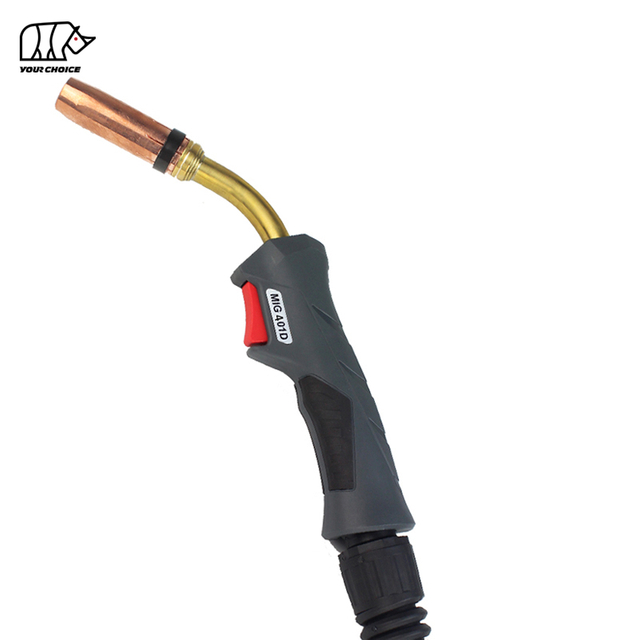
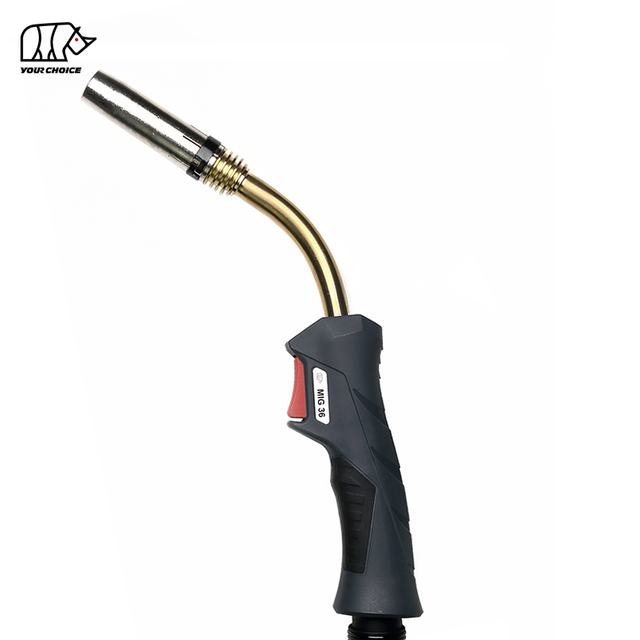
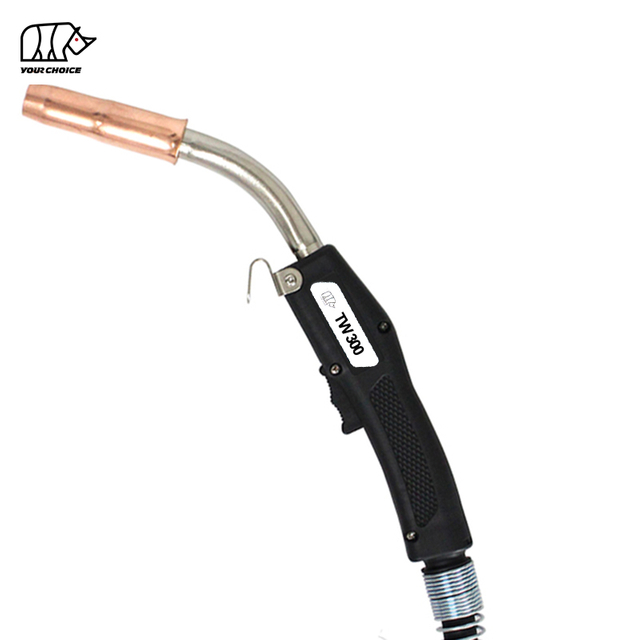
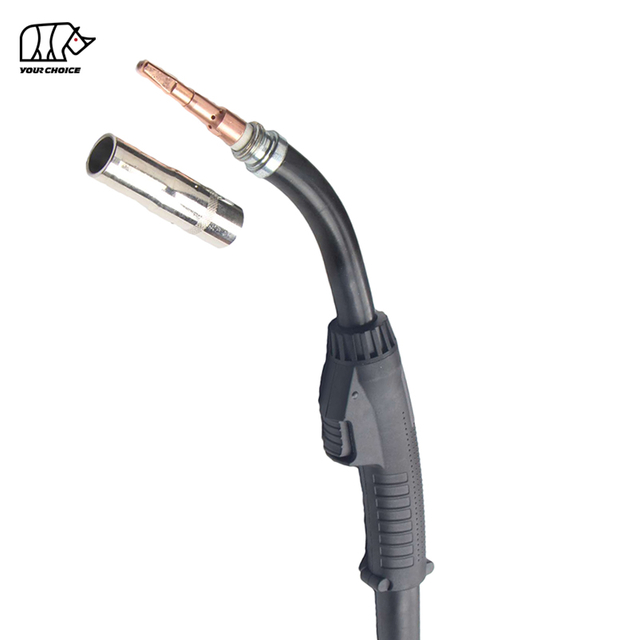
Professional welding manufacturers such as INWELT Welding Technology provide industrial-grade MIG welding torches, TIG welding torches, and plasma cutting torches designed for demanding industrial environments. Their solutions are widely used in automotive, aerospace, construction, heavy manufacturing, and metal fabrication applications.
MIG welding, also known as Gas Metal Arc Welding (GMAW), is a welding process that uses a continuously fed wire electrode combined with shielding gas to create strong and clean welds. The process is highly efficient because the wire automatically feeds through the welding torch, allowing continuous welding without frequent stops.
What Is MIG Welding?
Compared with traditional welding methods, MIG welding offers several major advantages:
Faster welding speed
Higher productivity
Easier operator learning curve
Reduced post-weld cleanup
Stable arc performance
Excellent weld consistency
Compatibility with automation systems
Because of these benefits, MIG welding is commonly used in both light fabrication and heavy industrial manufacturing.
Why MIG Welding Is Essential in Modern Industry
Industrial manufacturers require welding solutions that can improve production efficiency while maintaining strict quality standards. MIG welding satisfies these requirements by delivering:
High Deposition Rates
MIG welding allows continuous wire feeding, significantly increasing metal deposition rates and reducing production time.
Reduced Labor Costs
The process is easier to learn than TIG welding, helping manufacturers reduce training time and improve workforce productivity.
Automation Compatibility
MIG welding integrates well with robotic welding systems used in modern automated production lines.
Multi-Material Welding Capability
MIG welding can handle:
Carbon steel
Stainless steel
Aluminum
Galvanized steel
High-strength alloys
Cleaner Weld Appearance
Proper shielding gas minimizes spatter and oxidation, resulting in cleaner welds with less finishing work required.
1. Automotive Manufacturing Industry
Automotive Frame Welding
The automotive industry is one of the largest users of MIG welding technology. Vehicle frames, chassis components, suspension systems, and structural reinforcements require fast and repeatable welding processes.
MIG welding provides:
High-speed production
Excellent penetration
Consistent weld quality
Reduced distortion
Robotic welding compatibility
Modern automotive factories rely heavily on robotic MIG welding systems to maintain production efficiency and ensure weld precision across thousands of vehicles daily.
Industrial-grade MIG welding torches are especially important in automotive manufacturing because operators often work long production shifts that require ergonomic torch design and stable arc performance.
Aluminum Body Fabrication
As electric vehicles become more common, aluminum welding demand continues increasing because lightweight materials improve energy efficiency and battery range.
MIG welding is highly effective for aluminum fabrication due to:
Fast wire feed speed
Efficient heat transfer
Strong weld penetration
Reduced production cycle times
2. Construction and Structural Steel Fabrication
Structural Steel Welding
Construction projects require durable and reliable welded joints for:
Steel beams
Bridges
High-rise buildings
Warehouses
Industrial plants
MIG welding is ideal for structural fabrication because it enables welders to complete long weld seams quickly while maintaining strong joint integrity.
Heavy-Duty Steel Components
Construction equipment and steel fabrication workshops frequently weld thick materials that require high amperage output and durable welding torches.
Industrial welding environments often expose equipment to:
High temperatures
Dust
Continuous operation
Mechanical wear
Advanced MIG welding torches designed for heavy-duty applications help improve operational reliability and reduce maintenance costs.
3. Shipbuilding Industry
Shipbuilding is one of the most demanding welding industries due to the large-scale metal fabrication involved.
Hull Fabrication
Ship hulls require extensive welding on thick steel plates. MIG welding allows shipyards to:
Increase welding speed
Improve weld consistency
Reduce labor intensity
Maintain structural strength
Corrosion-Resistant Welding
Marine environments expose welded structures to saltwater corrosion and harsh weather conditions. High-quality MIG welding helps ensure durable joints that can withstand long-term exposure.
According to industrial welding manufacturers, shipbuilding applications require welding systems capable of handling heavy workloads while maintaining arc stability and operator comfort.
4. Aerospace Manufacturing
The aerospace industry demands extremely precise welding processes because component failure is unacceptable.
Lightweight Alloy Welding
Aircraft manufacturing commonly uses:
Aluminum alloys
Stainless steel
Titanium materials
MIG welding is often used for larger structural components where production efficiency is critical.
Advanced welding torch cooling systems help operators maintain stable performance during high-amperage welding tasks.
5. Heavy Equipment and Machinery Manufacturing
Heavy equipment manufacturers rely on MIG welding to fabricate:
Excavators
Agricultural machinery
Mining equipment
Industrial machinery
Earthmoving equipment
Thick Metal Welding
Heavy equipment components often involve thick steel sections that require deep weld penetration and strong structural joints.
MIG welding is highly effective because it provides:
Strong weld strength
High productivity
Reduced fabrication time
Efficient multi-pass welding
Repair and Maintenance Applications
MIG welding is also widely used for equipment repair and maintenance because it allows technicians to quickly restore damaged components.
6. Pipeline and Energy Industry
Oil and Gas Pipeline Welding
Pipeline systems require durable welded joints capable of handling extreme pressure and environmental stress.
MIG welding helps improve pipeline fabrication efficiency by offering:
Fast welding speed
Reliable penetration
Consistent weld quality
Renewable Energy Infrastructure
Renewable energy projects such as wind towers and solar support structures also rely heavily on MIG welding technology.
Large-scale energy infrastructure projects require high-volume steel fabrication where welding productivity directly impacts project timelines.
7. Metal Furniture Manufacturing
The furniture industry increasingly uses metal materials for:
Industrial furniture
Office furniture
Stainless steel furniture
Decorative metal products
MIG welding allows manufacturers to create aesthetically clean welds while maintaining production efficiency.
Thin Metal Fabrication
Furniture welding often involves thinner materials where controlled heat input is essential to prevent burn-through and distortion.
Modern ergonomic MIG torches improve operator comfort during repetitive fabrication tasks.
8. Robotic and Automated Welding Systems
Automation has transformed modern manufacturing, and MIG welding is one of the most automation-friendly welding methods.
Robotic MIG Welding Advantages
Robotic MIG welding systems offer:
Continuous operation
Reduced labor dependency
Higher precision
Consistent weld quality
Increased production output
Smart Manufacturing Integration
Modern welding systems now integrate with:
AI-driven monitoring systems
Automated wire feeding
Digital welding parameter control
Real-time production tracking
As Industry 4.0 continues evolving, demand for advanced MIG welding solutions will continue expanding globally.
Choosing the Right MIG Welding Torch
Selecting the proper MIG welding torch significantly affects welding performance, operator comfort, and equipment lifespan.
Important Factors to Consider
Amperage Rating
Choose a torch that matches your welding current requirements.
Cooling Method
Air-cooled torches for lighter applications
Water-cooled torches for continuous high-amperage welding
Ergonomic Design
Comfortable torch handling reduces operator fatigue during extended welding sessions.
Consumable Compatibility
Easy-to-replace consumables help reduce maintenance downtime.
Cable Flexibility
Flexible cables improve maneuverability and welding precision.
Professional welding torch manufacturers provide multiple torch configurations suitable for automotive, shipbuilding, construction, and industrial fabrication applications.
Common Challenges in MIG Welding
Despite its advantages, MIG welding can still encounter operational problems.
Excessive Spatter
Possible causes include:
Incorrect voltage settings
Improper shielding gas
Dirty base materials
Wire Feeding Problems
Wire feeding issues may result from:
Worn liners
Incorrect drive roll tension
Low-quality wire
Overheating Torches
Heavy-duty industrial welding can overheat air-cooled torches if duty cycles are exceeded.
Industry discussions among welders frequently emphasize the importance of selecting properly rated torches and maintaining adequate cooling systems for high-amperage applications.
Future Trends in MIG Welding Technology
The future of MIG welding continues moving toward:
Intelligent Welding Systems
AI-assisted welding systems can automatically optimize welding parameters in real time.
Lightweight Ergonomic Torches
Manufacturers are developing lighter torches that reduce operator fatigue while improving maneuverability.
Energy-Efficient Welding Equipment
Modern welding systems focus on reducing energy consumption while maintaining performance.
Advanced Consumable Technology
Improved consumables help extend service life and reduce operational costs.
Conclusion
MIG welding remains one of the most important welding technologies in modern industry due to its speed, efficiency, versatility, and automation compatibility. From automotive manufacturing and aerospace fabrication to shipbuilding and heavy machinery production, MIG welding continues driving industrial productivity worldwide.
As industrial demands evolve, companies increasingly require high-performance welding equipment capable of delivering stable arc performance, operator comfort, and long-term reliability. Professional welding manufacturers such as INWELT Welding Technology continue supporting global industries with advanced MIG welding torches, TIG welding torches, plasma cutting torches, and customized welding solutions designed for modern manufacturing applications
FAQs
1. What are the most common MIG welding applications in automotive manufacturing with OEM ODM customized welding torches?
MIG welding is widely used in automotive body structures, chassis, and component assembly lines, where OEM ODM customized welding torches improve efficiency, durability, and robotic compatibility for mass production.
2. How do OEM ODM customized MIG welding torches improve MIG welding applications in construction and steel fabrication?
OEM ODM customized MIG welding torches enhance construction applications by providing higher heat resistance, better ergonomics, and optimized wire feeding systems for structural steel welding and heavy fabrication projects.
3. Why are MIG welding applications in shipbuilding industry dependent on OEM ODM customized welding torch solutions?
Shipbuilding requires long continuous welds on thick steel plates, and OEM ODM customized MIG welding torches ensure stability, cooling efficiency, and extended duty cycles for harsh marine environments.
4. What role do OEM ODM customized MIG welding torches play in aerospace MIG welding applications?
In aerospace applications, OEM ODM customized MIG welding torches provide precision arc control, lightweight handling, and stable performance for welding aluminum alloys and high-strength materials.
5. How are OEM ODM customized MIG welding torches used in heavy machinery MIG welding applications?
Heavy equipment manufacturing relies on OEM ODM customized MIG welding torches for deep penetration welding, high amperage resistance, and improved durability in mining, agriculture, and industrial machinery production.
6. Can OEM ODM customized MIG welding torches be optimized for pipeline MIG welding applications in oil and gas industry?
Yes, OEM ODM customized MIG welding torches are engineered for pipeline welding by improving heat stability, reducing spatter, and ensuring consistent weld quality in high-pressure pipeline systems.
7. How do OEM ODM customized MIG welding torches support MIG welding applications in metal furniture manufacturing?
For metal furniture production, OEM ODM customized MIG welding torches provide better control for thin metal welding, cleaner seams, and improved operator comfort for continuous production lines.
8. What advantages do OEM ODM customized MIG welding torches offer for automated MIG welding applications?
In robotic welding systems, OEM ODM customized MIG welding torches ensure precise positioning, stable arc performance, and compatibility with automated production lines in modern smart factories.
9. How can factory OEM ODM customization improve MIG welding torch performance across different MIG welding applications?
Factory OEM ODM customization allows adjustment of torch length, cooling system, amperage rating, and consumable design to match specific MIG welding applications across multiple industries.
10. Why are OEM ODM customized MIG welding torches essential for global industrial MIG welding applications?
OEM ODM customized MIG welding torches are essential because they provide scalable solutions for diverse MIG welding applications, improving productivity, reducing downtime, and supporting global manufacturing standards.
MIG welding applications across automotive, construction, shipbuilding, aerospace, and manufacturing industries benefit significantly from OEM ODM customized welding torch solutions that improve efficiency, durability, and precision in modern industrial production systems.
This website uses cookies and similar technologies (“cookies”). Subject to your consent, will use analytical cookies to track which content interests you, and marketing cookies to display interest-based advertising. We use third-party providers for these measures, who may also use the data for their own purposes.
You give your consent by clicking "Accept all" or by applying your individual settings. Your data may then also be processed in third countries outside the EU, such as the US, which do not have a corresponding level of data protection and where, in particular, access by local authorities may not be effectively prevented. You can revoke your consent with immediate effect at any time. If you click on "Reject all", only strictly necessary cookies will be used.
 English
 简体中文
简体中文 العربية
 Français
 Русский
 Español
 Português
 Deutsch
 italiano
 日本語
日本語 한국어
한국어 Nederlands
 Tiếng Việt
 ไทย
ไทย Polski
 Türkçe
 ភាសាខ្មែរ
 Bahasa Melayu
 Filipino
 Bahasa Indonesia
 magyar
 Română
 Čeština
 Монгол
 қазақ
қазақ Српски
 हिन्दी
 فارسی
فارسی Slovenčina
 Slovenščina
 Norsk
Norsk Svenska
 українська
 Ελληνικά
 Suomi
Suomi Latine
 Dansk
Dansk বাংলা
বাংলা Hrvatski
 Afrikaans
 Gaeilge
 Eesti keel
 नेपाली
 Oʻzbekcha
 latviešu
 Azərbaycan dili
 Беларуская мова
 Bosanski
 Български
 ქართული
 Lietuvių