Metal fabrication has evolved dramatically over the last decade. What used to require hours of grinding, cutting, and manual labor can now be completed with remarkable precision in a fraction of the time. One technology sitting at the center of this transformation is plasma cutting. Across fabrication workshops, automotive factories, construction projects, and industrial manufacturing plants, plasma cutting systems have become an essential solution for efficient metal processing.
The global plasma cutting equipment market continues to expand as more manufacturers adopt CNC automation and high-definition plasma systems. Industry reports published in 2026 show that the plasma cutting equipment market is projected to maintain strong annual growth due to rising demand for fast, accurate, and cost-effective metal cutting solutions. Metal fabrication alone represents the largest application segment, accounting for nearly 58% of global plasma cutting demand.
So why are fabrication shops investing heavily in plasma cutting systems? The answer is simple. Modern businesses need faster turnaround times, cleaner cuts, reduced labor costs, and greater production flexibility. Plasma cutting checks every one of those boxes. Whether fabricators are processing mild steel, stainless steel, aluminum, copper, or brass, plasma systems deliver speed and versatility that traditional cutting methods struggle to match.
This article explores the top plasma cutting applications in metal fabrication, why the technology continues to dominate industrial manufacturing, and how fabrication businesses can maximize productivity with modern plasma cutting equipment.
Why Plasma Cutting Is Dominating Modern Metal Fabrication
The metal fabrication industry has become intensely competitive. Customers expect shorter lead times, tighter tolerances, and lower production costs. Fabrication companies that fail to modernize often struggle to survive in this fast-moving environment. Plasma cutting technology has emerged as one of the most effective ways to improve production efficiency without sacrificing cut quality.
Modern plasma cutting systems are no longer limited to rough industrial cutting. High-definition plasma and CNC-controlled systems now deliver cleaner edges, reduced heat distortion, and significantly better accuracy than older generations of equipment. According to recent industry reports, automated plasma systems integrated with nesting software and robotic controls are becoming standard in fabrication shops worldwide.
Another major factor driving adoption is versatility. Unlike some cutting technologies that work best only on specific thicknesses or materials, plasma cutting handles a broad range of conductive metals. Fabricators can switch between steel, stainless steel, and aluminum while maintaining strong cutting performance. This flexibility allows businesses to serve multiple industries without investing in several separate cutting systems.
Speed also plays a huge role. Plasma cutting is significantly faster than many traditional thermal cutting methods, especially for medium and thick metal plates. Faster cutting speeds mean higher throughput, reduced labor costs, and improved profitability. In industries where production schedules are tight, every minute saved directly impacts revenue and customer satisfaction.
What Is Plasma Cutting and How Does It Work?
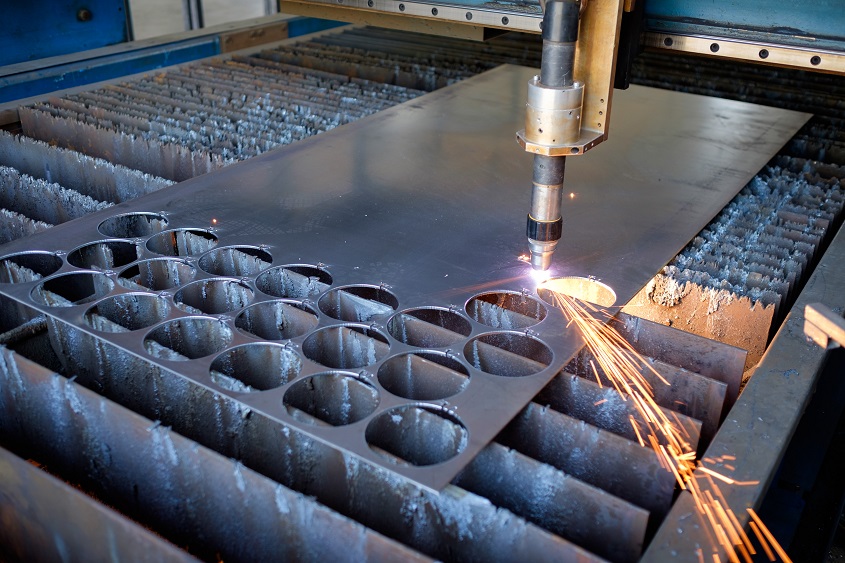
At its core, plasma cutting is a thermal cutting process that uses an electrically conductive gas to create a high-temperature plasma arc capable of melting metal. The process may sound highly technical, but the concept is surprisingly straightforward. Compressed gas passes through a small nozzle while an electrical arc transforms the gas into plasma. This plasma becomes extremely hot and cuts through metal with exceptional speed and precision.
The technology works particularly well for conductive metals such as carbon steel, stainless steel, aluminum, brass, and copper. Fabricators rely on plasma systems because they can produce clean cuts with relatively small heat-affected zones. That means less warping, less cleanup, and less secondary finishing work after cutting.
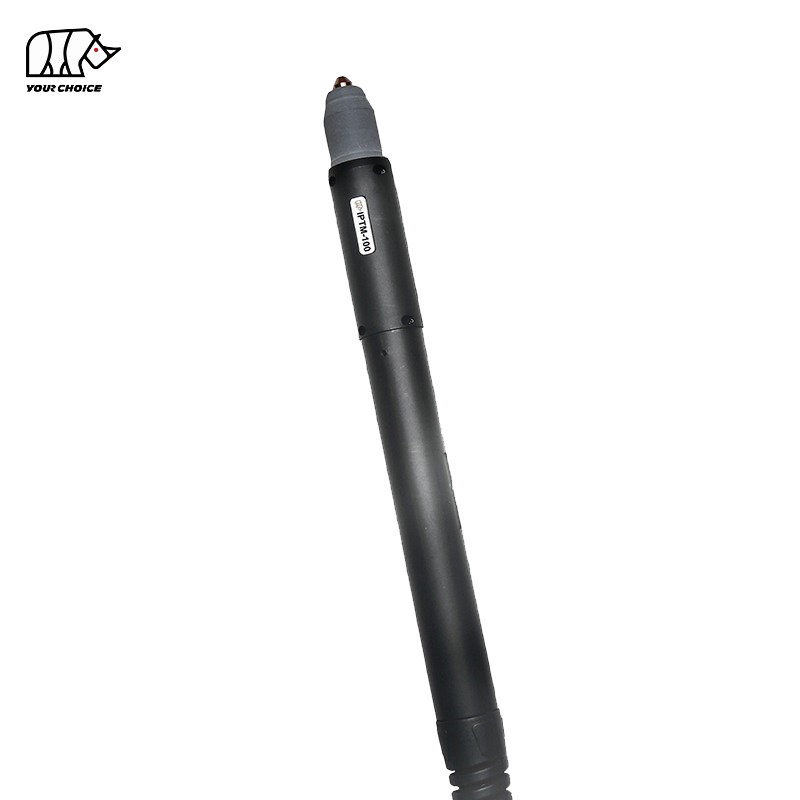
Modern plasma cutting systems typically include several major components:
| Component | Function |
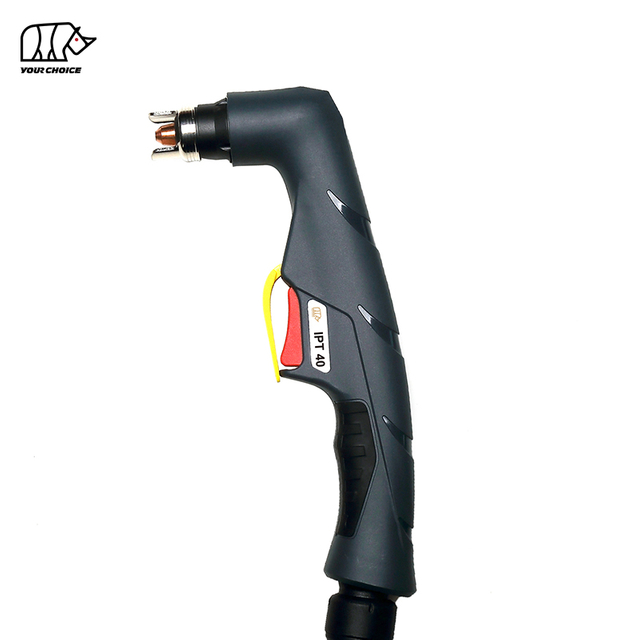
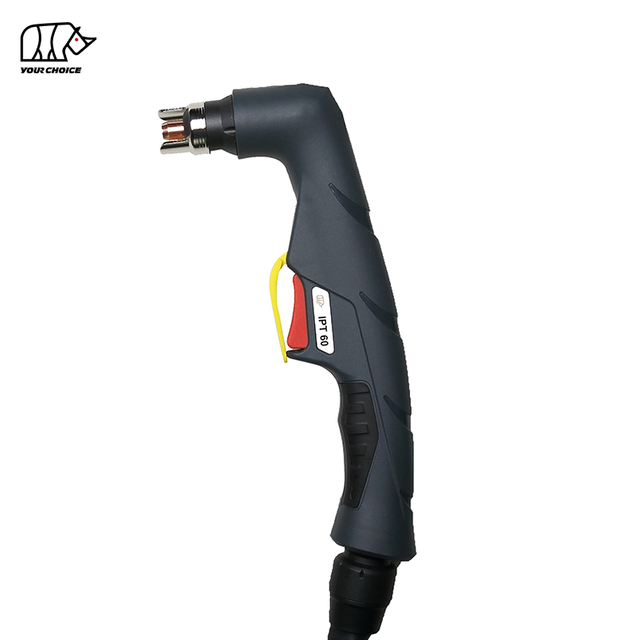
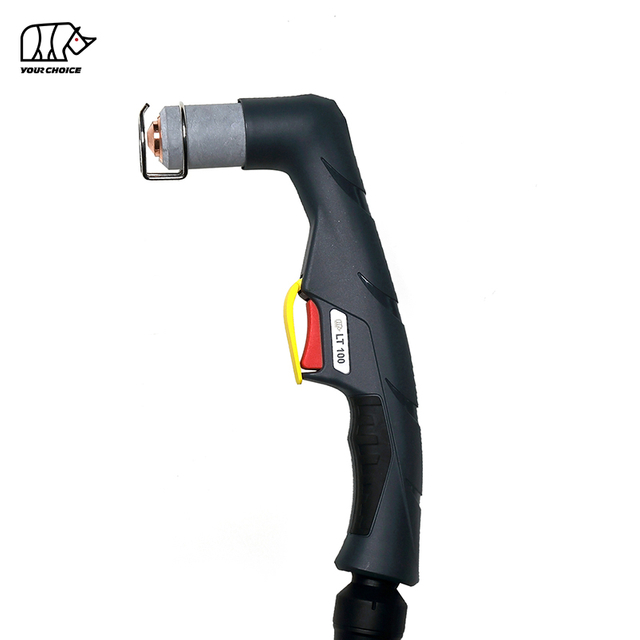
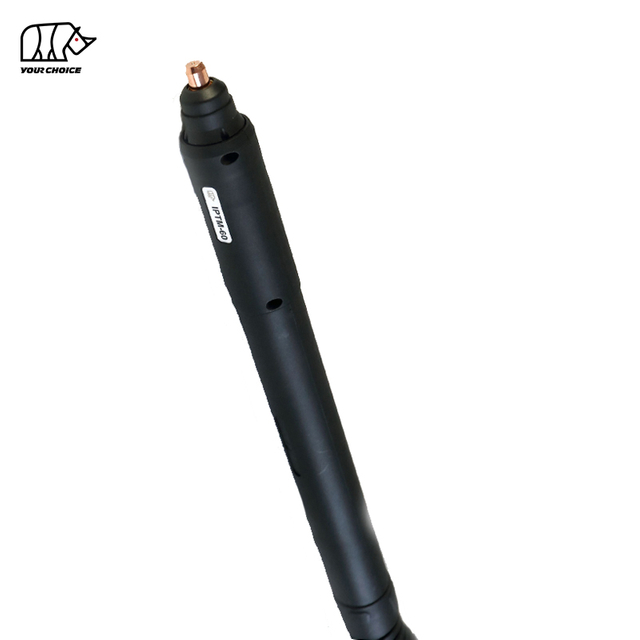
| Plasma Torch | Generates the plasma arc |
| Power Supply | Controls electrical current |
| Gas Supply | Provides compressed air or specialty gases |
| CNC Controller | Automates cutting movements |
| Cutting Table | Supports metal sheets during cutting |
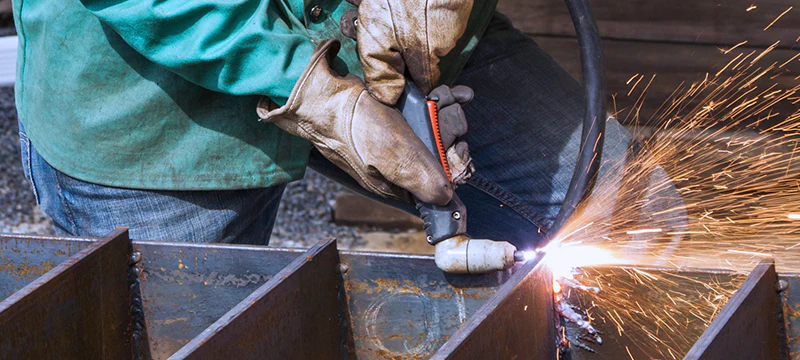
One of the biggest advantages of plasma cutting is adaptability. Portable handheld systems are perfect for repair work and field applications, while large CNC plasma tables support industrial-scale manufacturing operations. This wide range of equipment options makes plasma cutting accessible for both small fabrication workshops and large production facilities.
Compared to oxy-fuel cutting, plasma systems offer faster cutting speeds and cleaner results. Compared to laser cutting, plasma equipment often provides a more affordable solution for thick metal processing. That balance between cost, speed, and performance is exactly why plasma cutting remains one of the most popular technologies in modern fabrication.
Benefits of Plasma Cutting in Metal Fabrication
Every fabrication shop wants the same thing: higher efficiency without sacrificing quality. Plasma cutting helps achieve both goals simultaneously. One of the most noticeable advantages is productivity. Plasma systems can process metal significantly faster than traditional cutting methods, especially when integrated with CNC automation.
Speed matters because production delays can quickly destroy profitability. Faster cutting allows shops to complete more projects each week while reducing labor costs. Shops using automated CNC plasma systems also benefit from improved consistency because computerized controls eliminate much of the human error associated with manual cutting.
Another huge advantage is operational flexibility. Plasma cutters can handle multiple metal types and thicknesses, making them extremely useful for job shops that process a wide variety of customer projects. A fabrication company serving automotive, construction, and agricultural industries can often use the same plasma cutting system for all three sectors.
Cost efficiency is another major reason plasma cutting remains popular. High-definition plasma systems deliver excellent cut quality without the massive investment required for some alternative cutting technologies. Industry reports published in 2026 continue to show strong growth in CNC plasma cutting adoption because businesses want efficient automation without excessive equipment costs.
Fabricators also appreciate the reduced need for secondary finishing operations. Cleaner cuts mean less grinding, deburring, and edge preparation. Over time, these labor savings add up dramatically. It is similar to cooking with a sharp chef’s knife instead of a dull blade. The cleaner the cut, the less cleanup work afterward.
Top Plasma Cutting Applications in Metal Fabrication
Structural Steel Fabrication
Structural steel fabrication is one of the largest application areas for plasma cutting technology. Construction companies, infrastructure contractors, and steel fabrication plants all rely heavily on plasma systems for cutting beams, plates, channels, and support structures.
Modern construction projects demand both speed and precision. Fabricators working on bridges, commercial buildings, warehouses, and industrial facilities must process large volumes of steel quickly while maintaining tight tolerances. Plasma cutting systems excel in these environments because they can cut thick materials efficiently while reducing production bottlenecks.
CNC plasma cutting tables are especially valuable in structural steel fabrication. Automated systems allow operators to cut complex patterns, holes, and bevels directly from digital CAD files. This dramatically improves consistency while reducing waste. Recent industry trends also show increasing adoption of integrated plasma systems capable of drilling, tapping, and cutting within a single setup.
Another reason plasma cutting dominates structural fabrication is scalability. Small shops can use compact CNC systems for custom steel projects, while large manufacturers operate massive automated plasma tables capable of processing oversized plates continuously. This flexibility makes plasma technology suitable for nearly every level of structural steel production.
Automotive Manufacturing and Repair
The automotive industry depends heavily on precision metal cutting. From vehicle frames and exhaust systems to body panels and custom modifications, plasma cutting plays a critical role throughout automotive manufacturing and repair operations.
Industry reports indicate that automotive manufacturing represents one of the largest application segments for plasma cutting equipment worldwide. Plasma systems are widely used for cutting chassis components, structural reinforcements, and production parts because they provide an effective balance between speed and cut quality.
Custom automotive fabrication shops also benefit enormously from plasma technology. Whether building racing components, restoring classic cars, or fabricating aftermarket parts, fabricators need equipment capable of producing accurate cuts on different metal thicknesses. CNC plasma systems make it easy to create repeatable parts while maintaining production efficiency.
Portable plasma cutters are equally important in automotive repair environments. Technicians often use handheld plasma systems for rust removal, damaged panel replacement, and exhaust modifications. Because portable systems are lightweight and easy to operate, they allow mechanics to complete repair work quickly without transporting large components to separate cutting stations.
HVAC Duct and Sheet Metal Processing
HVAC manufacturing relies heavily on sheet metal processing. Ductwork, ventilation systems, and air handling components require accurate cuts and clean edges to ensure proper assembly and airflow performance. Plasma cutting has become a preferred solution because it delivers excellent cutting speed without compromising precision.
Thin-gauge sheet metal can be difficult to process using traditional cutting tools, especially when dealing with complex shapes or repetitive production runs. CNC plasma cutting systems solve this challenge by providing automated, repeatable accuracy. Fabricators can quickly produce vents, duct panels, brackets, and mounting components with minimal waste.
Automation also improves workflow efficiency in HVAC production environments. Modern nesting software optimizes material usage by arranging cutting layouts to maximize sheet utilization. This reduces scrap material costs while improving overall profitability.
Another major advantage is customization. HVAC contractors often require custom duct configurations for commercial buildings, industrial facilities, and residential projects. Plasma cutting systems allow fabrication shops to quickly adapt designs without slowing production schedules.
Agricultural Equipment Manufacturing
Agricultural machinery must withstand extreme working conditions, which means manufacturers require durable, precisely cut metal components. Plasma cutting technology is widely used in the production of tractors, trailers, harvesting equipment, irrigation systems, and farming attachments.
Agricultural fabrication often involves cutting thick steel plates and heavy-duty structural components. Plasma systems perform exceptionally well in these applications because they provide strong cutting power while maintaining operational efficiency. Fabricators can process large steel sections quickly without excessive heat distortion.
CNC plasma cutting also supports custom agricultural equipment manufacturing. Many farming operations require specialized machinery designed for unique crops or field conditions. Plasma systems allow manufacturers to create custom parts rapidly while keeping production costs manageable.
Portable plasma cutters are particularly valuable for agricultural equipment repair. Farmers and maintenance technicians frequently use handheld plasma systems to repair damaged machinery directly in the field. This reduces downtime and keeps critical equipment operating during busy harvest seasons.
Shipbuilding and Marine Fabrication
Shipbuilding requires large-scale metal fabrication on an enormous level. Marine manufacturers process massive steel plates used in ship hulls, structural supports, engine compartments, and offshore platforms. Plasma cutting technology has become essential because it delivers both speed and reliability in demanding marine environments.
One reason plasma cutting works so well in shipbuilding is its ability to process thick conductive metals efficiently. Marine fabrication projects often involve heavy steel components that would be extremely time-consuming to cut using older methods. Plasma systems reduce cutting times significantly while maintaining consistent quality.
Marine fabrication also demands precision because poorly cut parts can create alignment issues during assembly. CNC plasma systems ensure repeatable accuracy across large production runs, helping shipbuilders maintain strict engineering tolerances.
Industry trends show continued investment in automated plasma cutting solutions for shipbuilding applications. Integrated robotic systems, advanced gas controls, and high-definition plasma torches are helping marine manufacturers improve productivity while reducing labor-intensive manual work.
CNC Plasma Cutting in Smart Manufacturing
Manufacturing is becoming increasingly digital, automated, and connected. Plasma cutting technology has evolved alongside these changes. Modern CNC plasma systems are now integrated into smart manufacturing environments where software, robotics, and automation work together to optimize production.
One major advancement is nesting software. This technology automatically arranges cutting patterns to maximize material utilization and reduce waste. Fabricators can save substantial amounts of raw material over time simply by improving cutting layouts.
Automation also improves consistency. Manual cutting depends heavily on operator skill, but CNC plasma systems follow programmed instructions with remarkable precision. This repeatability is especially important for industries requiring identical parts across large production batches.
Industry 4.0 integration is another growing trend. Advanced plasma cutting systems now connect with factory management software, production scheduling systems, and robotic automation platforms. Real-time monitoring helps manufacturers track productivity, consumable wear, and machine performance more effectively.
Recent market research indicates growing demand for CNC-integrated plasma systems because fabrication shops want higher throughput and lower labor costs. Automated plasma cutting is no longer considered optional for competitive manufacturers. It is rapidly becoming an industry standard.
Choosing the Right Plasma Cutting Equipment
Selecting the right plasma cutting equipment depends heavily on production requirements, material thickness, and business goals. Not every fabrication shop needs a large CNC cutting table, just as not every repair technician needs industrial automation.
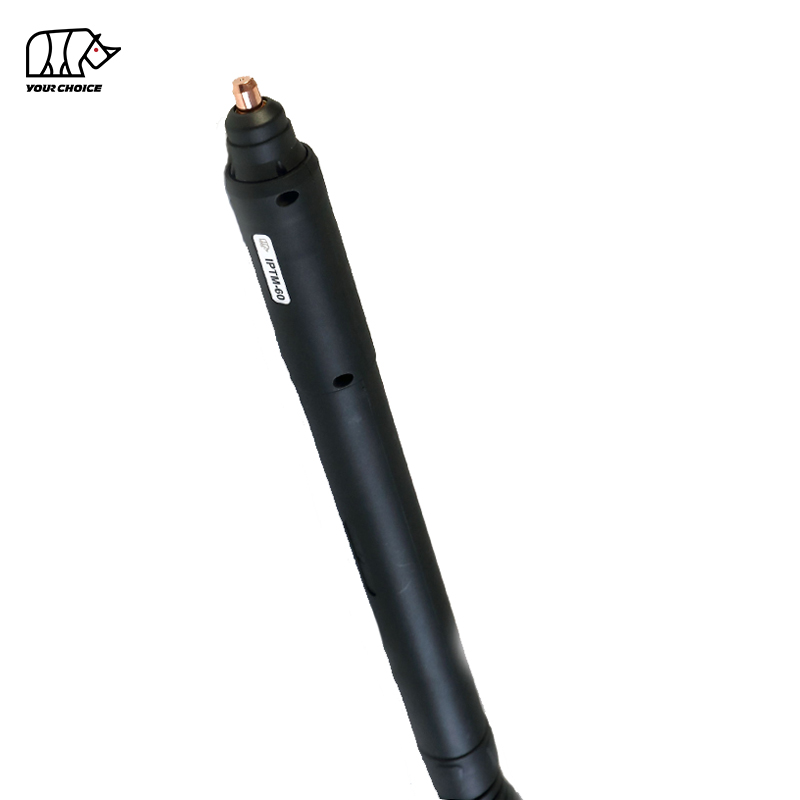
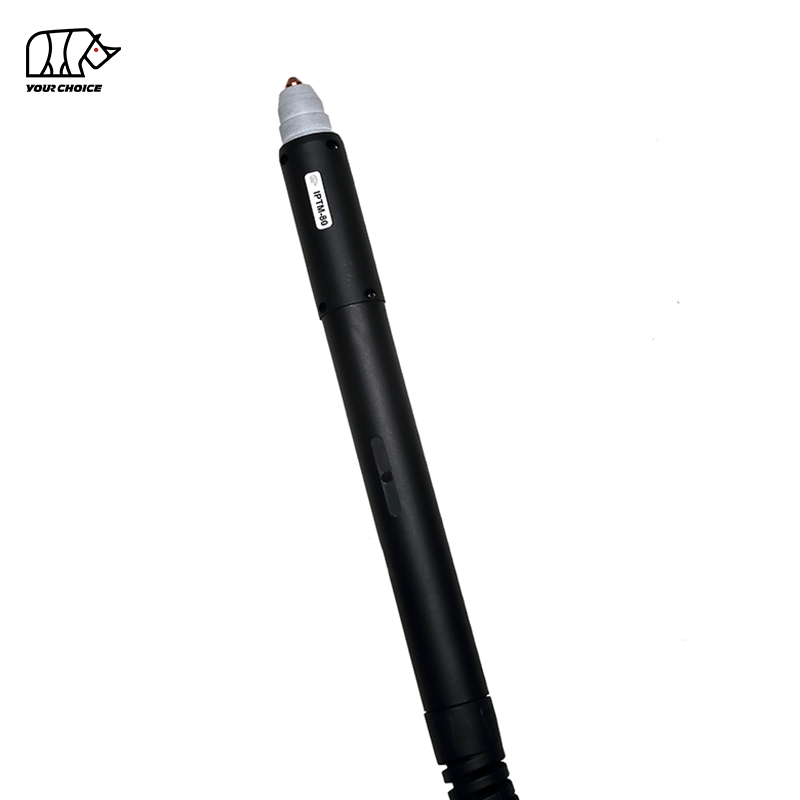
Portable plasma cutters are ideal for maintenance work, field repairs, and small fabrication projects. These systems are compact, affordable, and highly mobile. Technicians working in automotive repair, construction maintenance, and agricultural equipment servicing often prefer portable units because they can perform cutting operations directly on-site.
CNC plasma cutting tables are better suited for production environments requiring high throughput and repeatable accuracy. Fabrication businesses processing large sheet volumes benefit significantly from automated systems because they reduce labor requirements while increasing production capacity.
When choosing a system, fabricators should evaluate several factors:
| Consideration | Why It Matters |
| Material Thickness | Determines required cutting power |
| Production Volume | Impacts automation needs |
| Cut Quality Requirements | Influences system type |
| Shop Space | Affects table size selection |
| Budget | Determines equipment options |
Many fabrication shops also consider future scalability. Investing in expandable CNC systems allows businesses to increase production capabilities as demand grows.
Future Trends in Plasma Cutting Technology
The future of plasma cutting looks increasingly automated, intelligent, and efficient. High-definition plasma systems continue to improve edge quality, narrowing the gap between plasma and laser cutting in certain applications. At the same time, equipment manufacturers are focusing heavily on automation, energy efficiency, and software integration.
Recent market reports suggest strong growth for CNC plasma systems equipped with robotic controls and advanced nesting capabilities. Automation reduces human error while improving productivity, making it highly attractive for fabrication companies facing labor shortages and rising operational costs.
Artificial intelligence is also beginning to influence fabrication technology. Smart plasma systems can now monitor consumable wear, optimize cutting parameters automatically, and reduce downtime through predictive maintenance alerts.
Sustainability is becoming another major industry focus. Fabricators are searching for ways to reduce energy consumption, minimize waste, and improve material efficiency. Plasma cutting systems integrated with advanced software tools help achieve these goals by optimizing cuts and reducing scrap rates.
Portable inverter plasma cutters are also gaining popularity because they offer improved energy efficiency, lighter weight, and better portability. As inverter technology continues to evolve, portable systems are becoming more powerful while consuming less electricity.
Conclusion
Plasma cutting has become one of the most important technologies in modern metal fabrication. Its ability to combine speed, precision, versatility, and affordability makes it essential across countless industries. From structural steel fabrication and automotive manufacturing to shipbuilding and agricultural equipment production, plasma cutting systems help businesses increase productivity while maintaining high-quality results.
The continued rise of CNC automation, smart manufacturing, and high-definition plasma technology ensures that plasma cutting will remain a critical part of the fabrication industry for years to come. Companies investing in advanced plasma systems today are positioning themselves to meet growing customer demands for faster turnaround times, greater precision, and more cost-effective production.
As metal fabrication continues evolving, plasma cutting stands out as a technology that balances performance and practicality. Whether you operate a small fabrication shop or a large industrial manufacturing facility, plasma cutting offers the flexibility and efficiency needed to stay competitive in an increasingly demanding market.
FAQs
1. What metals can plasma cutting machines cut?
Plasma cutting machines can cut any electrically conductive metal, including mild steel, stainless steel, aluminum, brass, and copper.
2. Is plasma cutting better than laser cutting?
It depends on the application. Plasma cutting is often more cost-effective for medium and thick metal cutting, while laser cutting may provide finer precision for thin materials.
3. What industries use plasma cutting the most?
Common industries include metal fabrication, automotive manufacturing, construction, shipbuilding, HVAC production, and agricultural equipment manufacturing.
4. Can plasma cutting machines be automated?
Yes. Modern CNC plasma cutting systems integrate with CAD software, nesting programs, and robotic automation for high-volume industrial production.
5. Are portable plasma cutters good for field work?
Absolutely. Portable plasma cutters are widely used for on-site repairs, maintenance work, and mobile fabrication because they are lightweight and efficient.
 English
 简体中文
简体中文 العربية
 Français
 Русский
 Español
 Português
 Deutsch
 italiano
 日本語
日本語 한국어
한국어 Nederlands
 Tiếng Việt
 ไทย
ไทย Polski
 Türkçe
 ភាសាខ្មែរ
 Bahasa Melayu
 Filipino
 Bahasa Indonesia
 magyar
 Română
 Čeština
 Монгол
 қазақ
қазақ Српски
 हिन्दी
 فارسی
فارسی Slovenčina
 Slovenščina
 Norsk
Norsk Svenska
 українська
 Ελληνικά
 Suomi
Suomi Latine
 Dansk
Dansk বাংলা
বাংলা Hrvatski
 Afrikaans
 Gaeilge
 Eesti keel
 नेपाली
 Oʻzbekcha
 latviešu
 Azərbaycan dili
 Беларуская мова
 Bosanski
 Български
 ქართული
 Lietuvių