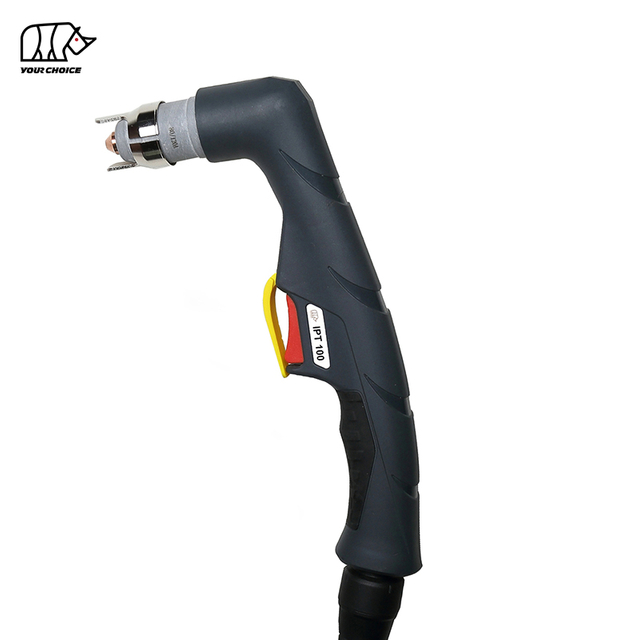
Plasma cutting has evolved from a niche metalworking method into a cornerstone of modern manufacturing. What began as a tool primarily used in industrial settings is now accessible to hobbyists, small workshops, and large-scale automated factories alike. This transformation is driven by rapid advancements in automation, precision engineering, software integration, and sustainability.
In this comprehensive guide, we explore how plasma cutting technology has progressed from amateur-friendly tools to highly sophisticated industrial systems—and what trends are shaping its future.
Introduction to Plasma Cutting Technology
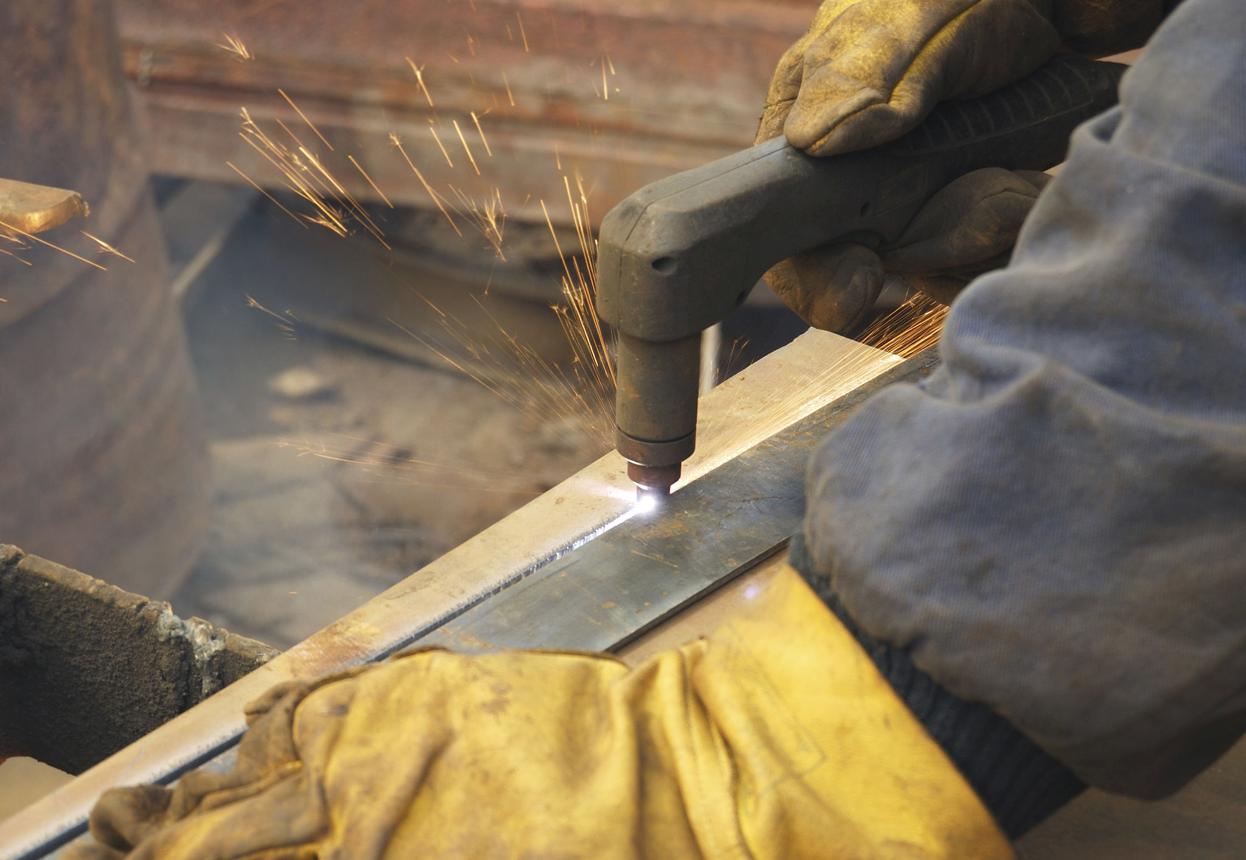
Plasma cutting is a thermal process that uses a high-velocity jet of ionized gas (plasma) to cut electrically conductive materials such as steel, aluminum, and copper. The plasma arc reaches extremely high temperatures, melting the material while a gas stream removes the molten metal to create a clean cut.
Originally developed in the mid-20th century, plasma cutting quickly gained popularity due to its speed, precision, and ability to cut thick materials. Over time, it has become a preferred method across industries ranging from construction and automotive manufacturing to aerospace and metal art.
The Evolution: From Manual to Intelligent Systems
Early Manual Plasma Cutting
In its early stages, plasma cutting required skilled operators to manually guide the torch. These systems were:
Despite these limitations, they offered cleaner cuts than traditional oxy-fuel methods and eliminated the need for mechanical cutting tools.
Introduction of CNC Technology
The integration of Computer Numerical Control (CNC) in the late 20th century marked a turning point. CNC systems allowed operators to program cutting paths, enabling:
Modern CNC plasma systems now support multi-axis cutting, allowing intricate designs and complex geometries that were previously impossible.
Democratization: Plasma Cutting for Hobbyists and Small Workshops
One of the most significant shifts in plasma cutting technology is its accessibility.
Key Drivers of Accessibility
Compact inverter technology: Reduced machine size and power requirements
Lower costs: Entry-level systems are now affordable for individuals
User-friendly interfaces: Simplified controls for beginners
Modern plasma cutters are lightweight, portable, and capable of delivering professional-grade results, making them ideal for:
DIY metalworking
Automotive repair
Artistic fabrication
This shift has expanded the user base dramatically, bridging the gap between amateur and professional applications.
Industrial Transformation: High-Performance Plasma Cutting
High-Definition Plasma Systems
High-definition plasma technology has significantly improved cut quality by:
Producing narrower kerf widths
Reducing heat-affected zones
Delivering near-laser precision
These systems are now widely used in industries requiring tight tolerances and high-quality finishes.
Multi-Axis and 3D Cutting
Industrial plasma systems now support:
This allows manufacturers to reduce secondary processing and improve production efficiency.
Key Technology Trends Shaping the Industry
High-Definition Plasma Systems
High-definition plasma technology has significantly improved cut quality by:
Producing narrower kerf widths
Reducing heat-affected zones
Delivering near-laser precision
These systems are now widely used in industries requiring tight tolerances and high-quality finishes.
Multi-Axis and 3D Cutting
Industrial plasma systems now support:
This allows manufacturers to reduce secondary processing and improve production efficiency.
Key Technology Trends Shaping the Industry
Automation and Robotics Integration
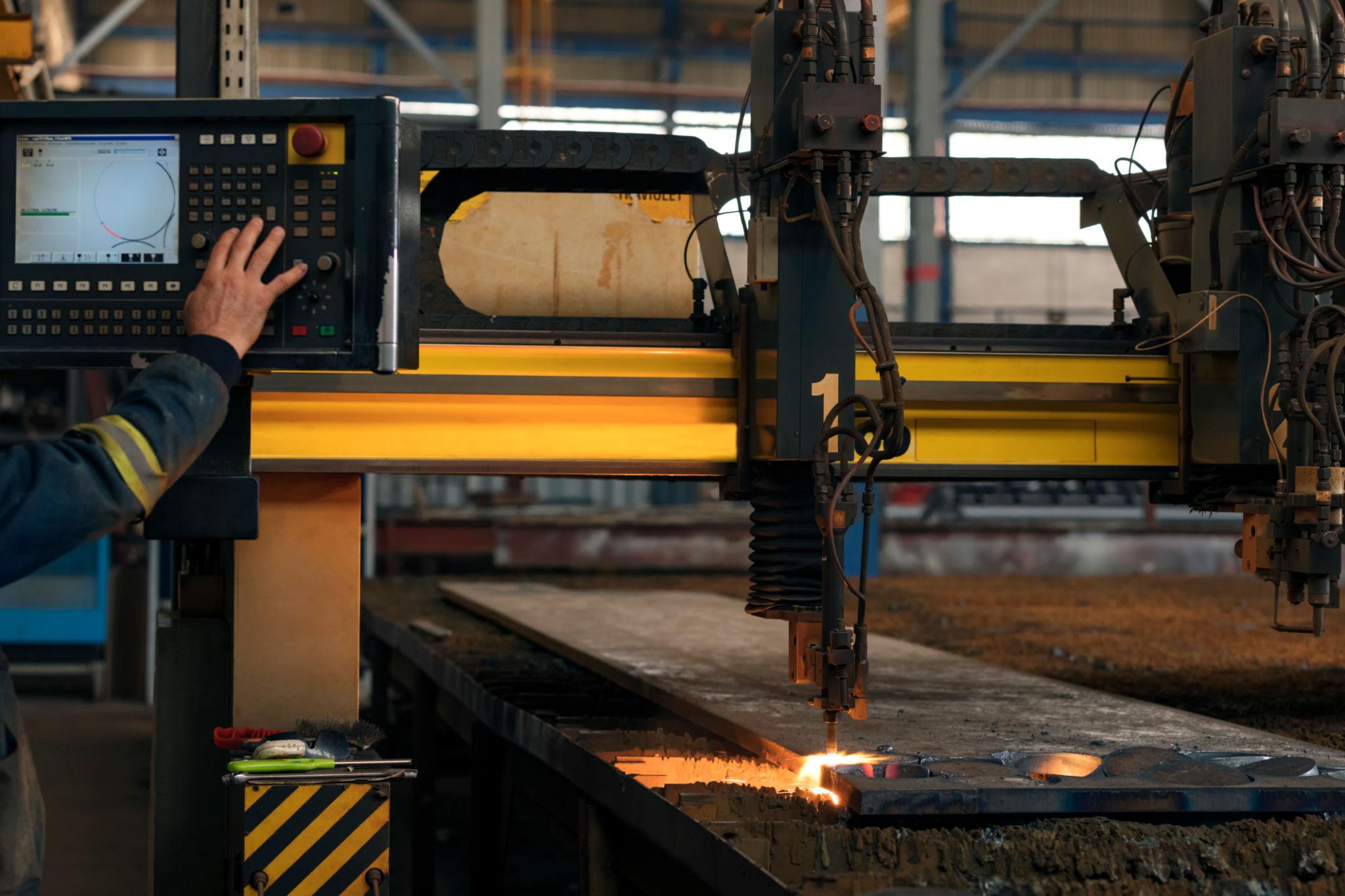
Automation is the most transformative trend in plasma cutting today.
Automated systems can operate 24/7, significantly increasing productivity
Robotic integration reduces labor costs and enhances consistency
AI-driven systems optimize cutting parameters in real time
Studies show automation can reduce errors and improve efficiency while enabling continuous production cycles.
Artificial Intelligence and Smart Systems
AI is rapidly becoming a core component of advanced plasma cutting systems.
Applications of AI
AI systems can reduce operational errors and improve cut accuracy by adjusting variables such as speed, gas flow, and current dynamically.
Advanced Software and Digital Integration
Modern plasma cutting systems are deeply integrated with digital tools.
Key Software Innovations
CAD/CAM integration for seamless design-to-production workflows
Real-time data analytics for performance monitoring
Cloud-based control systems for remote operation
These advancements enable manufacturers to streamline operations and improve decision-making.
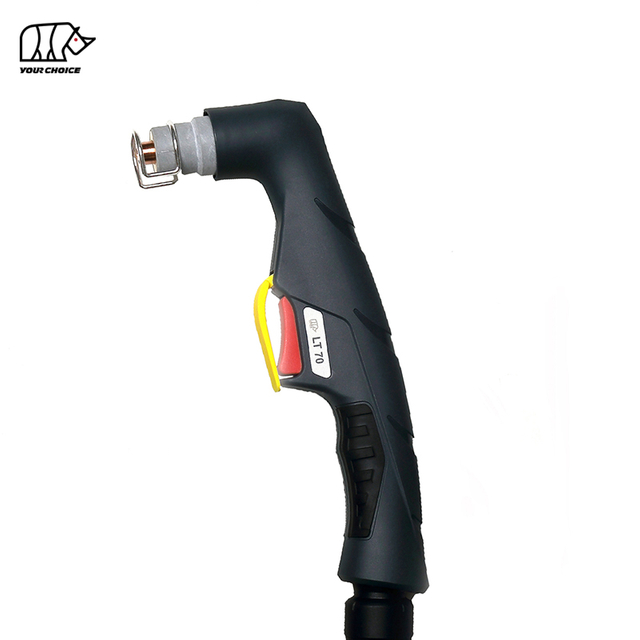
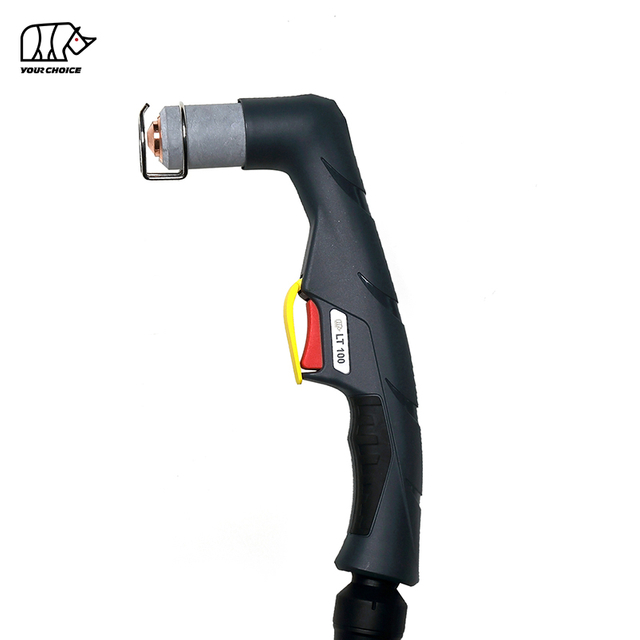
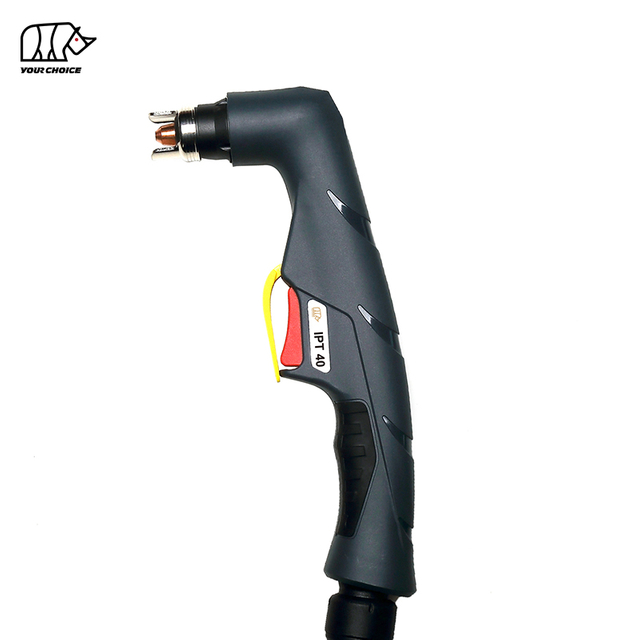
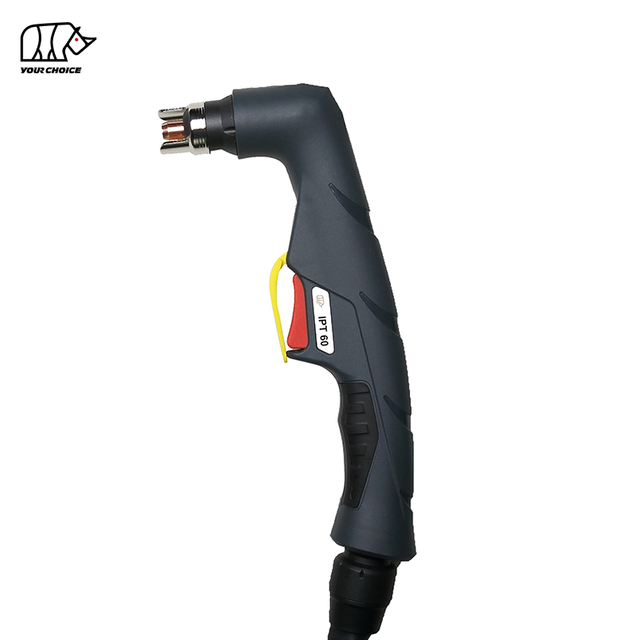
Improved Consumables and Torch Technology
Advancements in consumables have significantly improved system efficiency.
Benefits
New coatings and materials help maintain stable arcs and consistent cut quality over extended periods.
Energy Efficiency and Sustainability
Sustainability is becoming a critical factor in manufacturing.
Eco-Friendly Innovations
Some systems now reduce energy use by up to 40%, aligning with global sustainability goals.
Hybrid Cutting Technologies
Hybrid systems combine plasma cutting with other methods such as:
Laser cutting
Waterjet cutting
These systems offer:
Market Growth and Industry Adoption
The plasma cutting industry is experiencing steady growth due to increased demand for efficient metal fabrication solutions.
Key Market Insights
Automation and CNC integration drive a large share of new installations
Manufacturers report reduced material waste and improved productivity
Demand is growing across industries such as automotive, construction, and aerospace
Automation alone accounts for a significant portion of new system adoption, highlighting its importance in modern manufacturing.
Challenges in Plasma Cutting Adoption
Despite its advantages, plasma cutting faces several challenges:
High Initial Investment
Advanced systems require significant upfront costs, which can deter small businesses.
Skill Gap
A shortage of trained operators can limit efficiency and system utilization.
Maintenance Costs
Consumables and system upkeep contribute to ongoing expenses.
Addressing these challenges requires investment in training, financing solutions, and user-friendly technologies.
Applications Across Industries
Plasma cutting is widely used in:
Automotive Industry
Construction
Aerospace
Art and Design
Decorative metalwork
Signage and sculptures
Its versatility makes it suitable for both high-volume production and custom projects.
Amateur vs Industrial: Key Differences
Aspect | Amateur Systems | Industrial Systems |
Cost | Low to moderate | High investment |
Precision | Moderate | अत्य high (near-laser) |
Automation | Limited | Fully automated |
Speed | Lower | अत्य high |
Applications | DIY, small projects | Mass production |
The gap between amateur and industrial systems is narrowing as technology becomes more accessible.
The Future of Plasma Cutting Technology
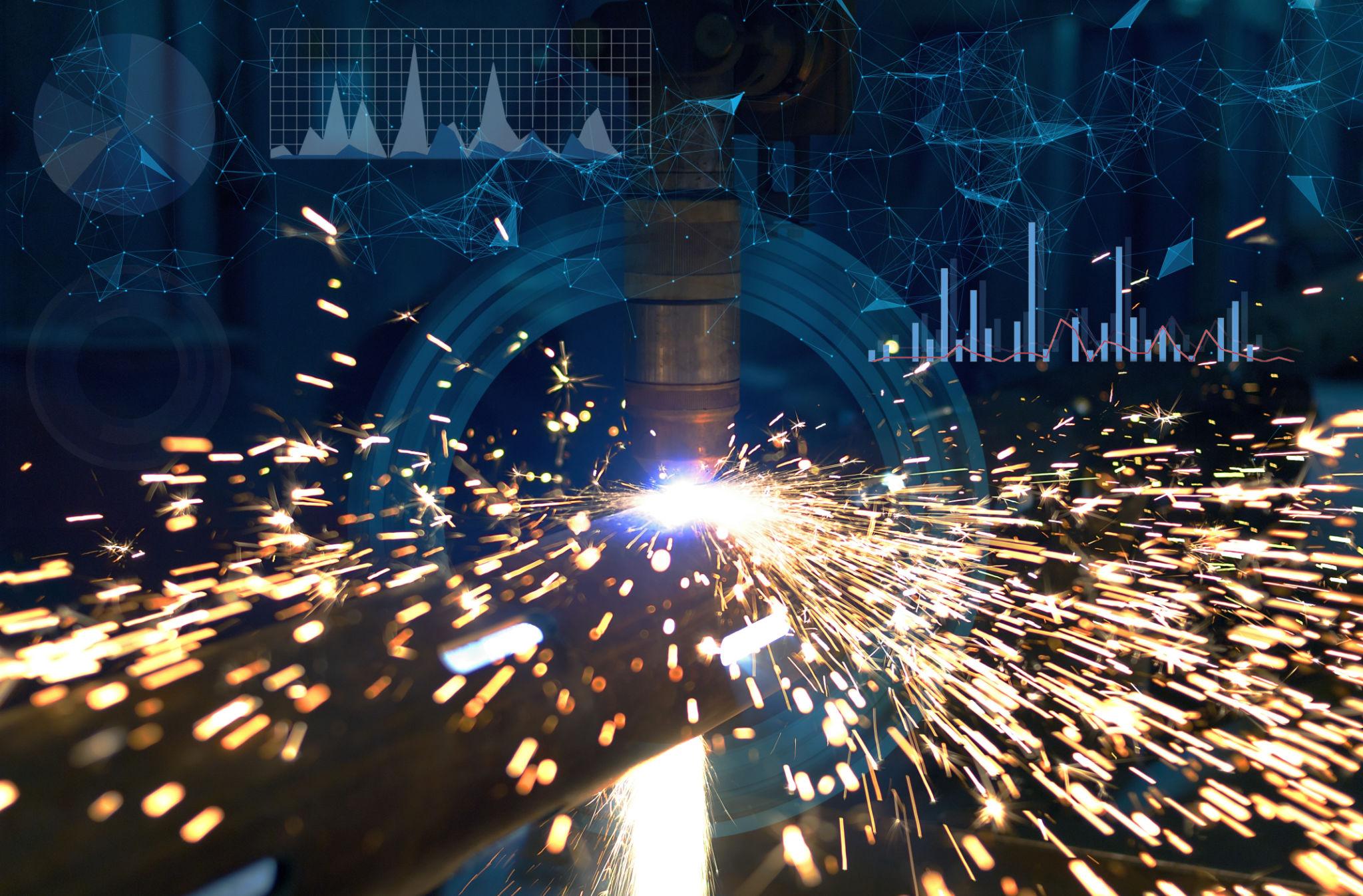
The future of plasma cutting lies in intelligent, connected systems.
Emerging Trends
Fully autonomous cutting systems
Integration with Industry 4.0 ecosystems
Digital twins for process simulation
Increased use of robotics
These innovations will continue to improve efficiency, precision, and sustainability.
How Businesses Can Leverage These Trends
To stay competitive, businesses should:
Invest in Automation
Automated systems improve productivity and reduce labor costs.
Adopt Smart Technologies
AI and data analytics enhance decision-making and operational efficiency.
Focus on Training
Skilled operators maximize system performance and ROI.
Prioritize Sustainability
Eco-friendly solutions reduce costs and meet regulatory requirements.
Conclusion
Plasma cutting technology has undergone a remarkable transformation—from manual, industrial-only systems to versatile tools accessible to hobbyists and advanced automated solutions driving modern manufacturing.
Today’s trends—automation, AI integration, improved precision, and sustainability—are redefining what plasma cutting can achieve. As the technology continues to evolve, the line between amateur and industrial capabilities will blur even further, opening new opportunities for innovation across industries.
For businesses and professionals alike, staying ahead of these trends is not just an advantage—it’s a necessity in an increasingly competitive and technology-driven world.
 English
 简体中文
简体中文 العربية
 Français
 Русский
 Español
 Português
 Deutsch
 italiano
 日本語
日本語 한국어
한국어 Nederlands
 Tiếng Việt
 ไทย
ไทย Polski
 Türkçe
 ភាសាខ្មែរ
 Bahasa Melayu
 Filipino
 Bahasa Indonesia
 magyar
 Română
 Čeština
 Монгол
 қазақ
қазақ Српски
 हिन्दी
 فارسی
فارسی Slovenčina
 Slovenščina
 Norsk
Norsk Svenska
 українська
 Ελληνικά
 Suomi
Suomi Latine
 Dansk
Dansk বাংলা
বাংলা Hrvatski
 Afrikaans
 Gaeilge
 Eesti keel
 नेपाली
 Oʻzbekcha
 latviešu
 Azərbaycan dili
 Беларуская мова
 Bosanski
 Български
 ქართული
 Lietuvių