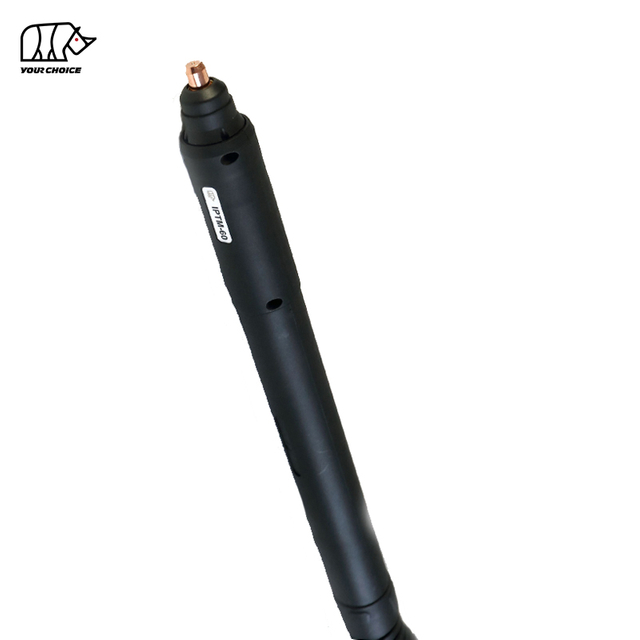
A plasma cutter that suddenly starts producing rough edges, fails to ignite, or goes through consumables too quickly can bring your workflow to a halt. While these problems may seem complex, the root cause can often be traced back to a few manageable issues with the torch itself. Understanding how your plasma torch operates and knowing what to look for when things go wrong is essential for minimizing downtime and maintaining cut quality. This guide walks through the most frequent plasma cutter torch issues, from ignition failures to poor cut quality, and provides practical steps to diagnose and resolve them.
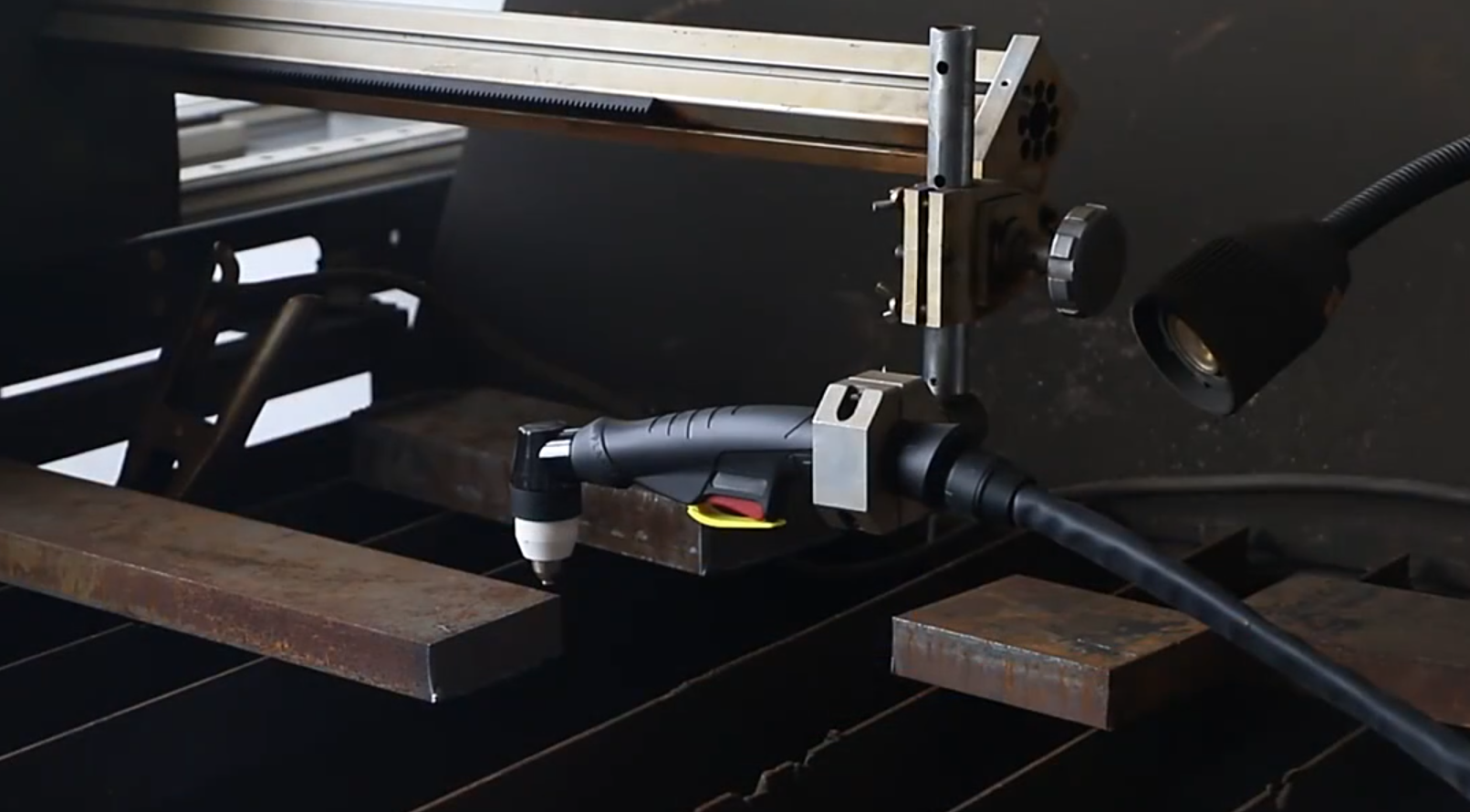
Ignition and Arc Starting Problems
When a plasma cutter fails to start an arc, the issue usually lies in the interplay between gas flow, DC power, and the high-frequency spark that ionizes the gas. A systematic approach to troubleshooting these elements will quickly identify the culprit.
Hard Starting and Intermittent Arc
If the torch fires inconsistently or the arc sounds sputtery and harsh, the problem is often referred to as "hard starting". This occurs when the high-frequency spark struggles to jump the gap between the electrode and nozzle to ionize the gas.
Excessive Gas Pressure is a frequent and overlooked cause of hard starting. When gas pressure is too high, the dense gas stream makes it more difficult for the high-frequency spark to ionize the path. Always verify that your gas pressure is set to the manufacturer's recommended specification.
Weak or Escaping High-Frequency Energy can also prevent reliable starting. High-frequency energy can dissipate if the plasma torch cables are coiled, dirty, or too close to the cutting machine's ground. Inspect the cables for damage and clean them with a dry cloth or compressed air to remove dust and metal particles that could bleed off energy. The spark gap assembly inside the power supply may also need inspection. Over time, the electrodes in this assembly can corrode or become contaminated, requiring cleaning and re-gapping according to the manufacturer's specifications.
No Visible Spark at All
When the torch fails to produce any spark, the problem is more fundamental.
Check for DC Voltage and High-Frequency Components. If a faint blue spark is visible at the torch but the main arc won't transfer, the torch may have high-frequency energy but no DC component. This can point to worn contacts, a faulty pilot arc relay, or a defective resistor in the pilot arc circuit.
If there is no spark at the torch or at the spark gap inside the machine, the issue could be a lack of AC power to the high-frequency generator, a defective high-frequency transformer, or a shorted spark gap assembly.
Problems Related to Gas and Air Supply
The quality, pressure, and flow of your plasma gas directly impact both cut quality and the lifespan of your torch consumables.
Incorrect Gas Pressure
Both low and high gas pressure create distinct problems.
Low Pressure reduces the velocity of the plasma arc, robbing it of the energy needed to cut effectively. This results in poor cut quality, an inability to pierce or cut through material, and excessive dross buildup. Common causes include an insufficient air compressor, a incorrectly set regulator, a clogged air filter, or blockages in the gas lines.
High Pressure can blow apart the concentrated arc column, diffusing its energy and reducing cutting power. It can also accelerate electrode wear. High pressure is usually due to a misadjusted or faulty regulator.
Contaminated Gas Supply
Contaminants like moisture, oil, and particulate matter in the gas stream are enemies of plasma torch components.
Moisture can cause erratic arc behavior and rapidly degrade consumables. It can also lead to high-frequency energy leaking or shorting out. If you notice water in your air lines, immediately drain the air filter/regulator and consider adding additional filtration or an air dryer to your system.
Oil and Dirt can clog the fine gas passages in the swirl ring and torch body, disrupting the carefully designed gas flow that focuses and stabilizes the arc. This leads to poor cut quality and shortened consumable life. Always ensure your compressor intake is clean and that your filtration system is adequate and well-maintained.
Consumable Wear and Failure
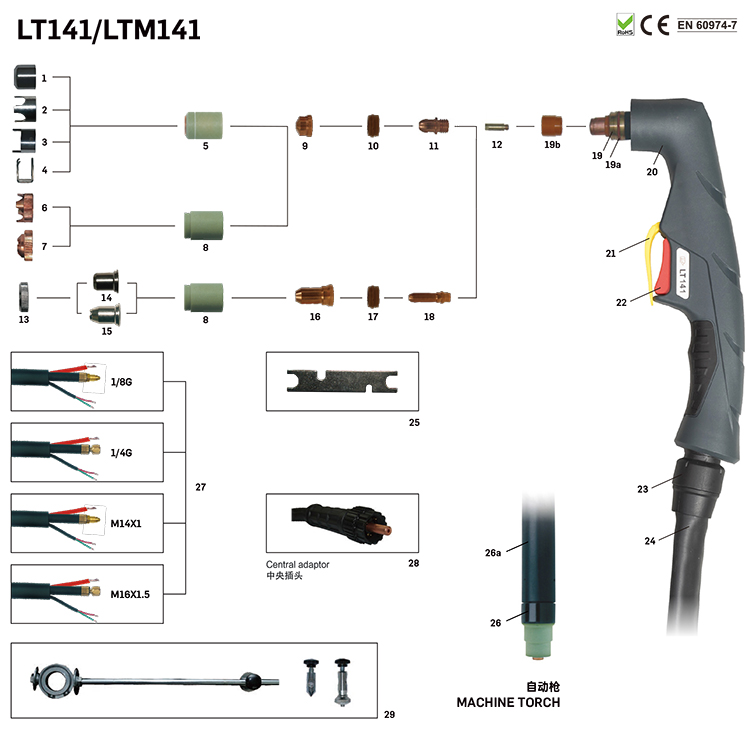
Consumables are the components of the torch that are designed to wear out, but recognizing the signs of normal wear versus catastrophic failure can save you from expensive torch damage.
Electrode Wear
The electrode is responsible for conducting electricity to create the arc. Its tip contains a high-temperature element like hafnium, which slowly evaporates during use.
Normal Wear appears as a small, round pit centered in the tip of the electrode. This pit will grow deeper over time. It should be replaced when the pit depth reaches the manufacturer's recommended limit, typically around 0.040 inches, as a deeper pit can lead to sudden failure that damages other parts.
Abnormal Wear includes an off-center pit, which indicates a gas flow problem often caused by an incorrect or damaged swirl ring. A dark, heat-discolored electrode body suggests a torch cooling issue.
Nozzle Damage
The nozzle constricts the plasma arc. Its condition is critical for cut quality.
Orifice Wear is normal. As the nozzle is used, the sharp edge of the orifice slowly rounds over and the hole can become out-of-round, leading to a wider, less precise cut. It should be replaced when cut quality declines.
Catastrophic Damage, such as a blown-out orifice or severe pitting, is often caused by "double-arcing." This occurs when the arc strikes the nozzle instead of transferring to the workpiece, usually due to improper piercing height or contact with the material. Piercing too close to the plate is a primary cause.
Swirl Ring and Shield Issues
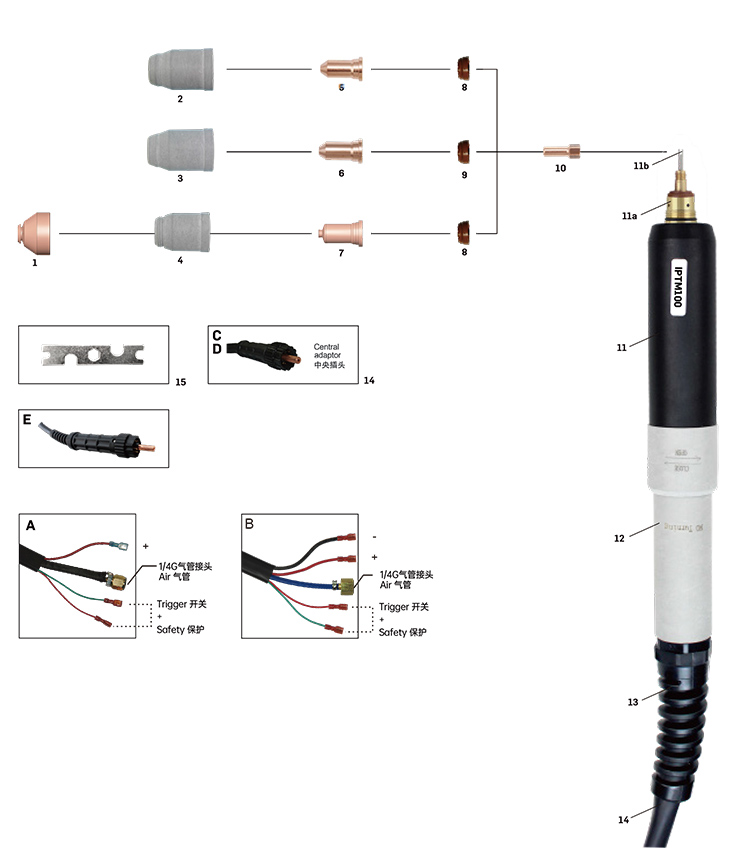
The swirl ring directs the gas flow to spin around the electrode. It is fragile and must be handled with care. Check it for cracked or clogged gas passages and for damaged O-rings. A faulty swirl ring will negatively affect cut angle and quality.
The shield protects the nozzle from spatter. Its main orifice must remain centered and its smaller "bleed" holes must be clear. Slag buildup on the shield can cause double-arcing. If slag accumulation is frequent, check your pierce height and delay settings.
Cooling and Electrical Issues
Proper cooling and a good electrical circuit are essential for stable operation.
Inadequate Cooling
For torches that are liquid-cooled, proper flow is critical. Low coolant flow, often caused by a worn pump, clogged filter, or low coolant level, will prevent the electrode and nozzle from cooling effectively, drastically shortening their life and potentially damaging the torch. If you see grayish heat discoloration on a used electrode, suspect a cooling problem. In air-cooled torches, exceeding the recommended duty cycle can cause overheating and rapid wear.
Poor Electrical Connections
The plasma arc requires a complete and stable electrical circuit. A poor work cable connection or contact with the workpiece is a common problem. Ensure you are using a dedicated ground clamp on clean, bare metal, free of paint, rust, or oil.
Similarly, a loose connection anywhere in the torch assembly—from the back of the power supply to the retaining cap—can create resistance, leading to overheating and erratic arc performance.
Input voltage issues can also manifest as torch problems. If your facility has large equipment drawing significant power, the voltage reaching your plasma cutter may drop too low, affecting its ability to function correctly.
Operational Factors Affecting Torch Performance
Beyond the hardware itself, how the torch is used plays a massive role in its performance and the lifespan of its parts.
Incorrect Cutting Speed
Cutting speed directly affects the quality of the cut edge.
Too Slow results in a wide cut, excessive top spatter, and a coarse dross buildup on the bottom of the plate that is often difficult to remove.
Too Fast causes the arc to lag, producing a beveled edge, a narrower cut, and a fine, hard dross along the bottom edge that can be very difficult to clean off.
Improper Torch Height
Standoff distance, the gap between the torch tip and the workpiece, is critical.
Piercing too low is a common mistake. When the torch fires too close to the metal, molten metal splashes back onto the shield and nozzle, leading to rapid failure from double-arcing. Always follow the manufacturer's recommended pierce height, which is typically 1.5 to 2 times the normal cutting height. Using a torch height controller that maintains a consistent voltage-based height can greatly reduce these issues.
Using the Wrong Parameters or Parts
Using incorrect consumables for the material type, thickness, or amperage is a frequent source of problems. Always consult your system's operating manual to select the correct parts and settings. Operating at the correct amperage is also vital; using amperage that's too high for the nozzle will drastically shorten its life.
Preventive Maintenance and Best Practices
The most effective way to deal with torch issues is to prevent them. A simple, consistent maintenance routine will pay dividends in uptime and cut quality.
Daily Checks
Before starting work, take a few minutes to:
Check gas pressure and flow while the torch is operating to ensure they are stable and within spec.
Inspect the gas supply for any signs of moisture or oil, and drain the filter/regulator.
Check coolant level (for water-cooled torches).
Visually inspect consumables for any obvious signs of damage or excessive wear before installing them.
Proper Assembly and Handling
How you assemble the torch is as important as how you use it.
Keep it clean. Always assemble consumables with clean hands on a clean surface. Dirt or grease inside the torch can cause electrical tracking and failure.
Lubricate O-rings sparingly. Use only the recommended lubricant, and just enough to make the O-ring shiny. Excess lubricant can trap debris and cause problems inside the torch.
Tighten components correctly. The electrode and other parts should be snug but not over-tightened. Over-tightening can distort components and affect alignment.
Regular Torch Maintenance
Periodically, perform a more thorough inspection of the torch body itself.
Clean the torch body. Use a cotton swab and an electrical contact cleaner to carefully remove any dust, metal fines, or residue from the internal threads and contact surfaces.
Inspect all O-rings on the torch body and consumables for cuts, nicks, or flat spots, and replace them as needed.
By understanding the function of each torch component and the role of gas, electricity, and operator technique, most common plasma cutter torch issues can be quickly diagnosed and resolved. A systematic approach to troubleshooting—coupled with consistent preventive maintenance—will keep your torch cutting cleanly and reliably, saving you time, money, and frustration in the long run.
 English
 简体中文
简体中文 العربية
 Français
 Русский
 Español
 Português
 Deutsch
 italiano
 日本語
日本語 한국어
한국어 Nederlands
 Tiếng Việt
 ไทย
ไทย Polski
 Türkçe
 ភាសាខ្មែរ
 Bahasa Melayu
 Filipino
 Bahasa Indonesia
 magyar
 Română
 Čeština
 Монгол
 қазақ
қазақ Српски
 हिन्दी
 فارسی
فارسی Slovenčina
 Slovenščina
 Norsk
Norsk Svenska
 українська
 Ελληνικά
 Suomi
Suomi Latine
 Dansk
Dansk বাংলা
বাংলা Hrvatski
 Afrikaans
 Gaeilge
 Eesti keel
 नेपाली
 Oʻzbekcha
 latviešu
 Azərbaycan dili
 Беларуская мова
 Bosanski
 Български
 ქართული
 Lietuvių